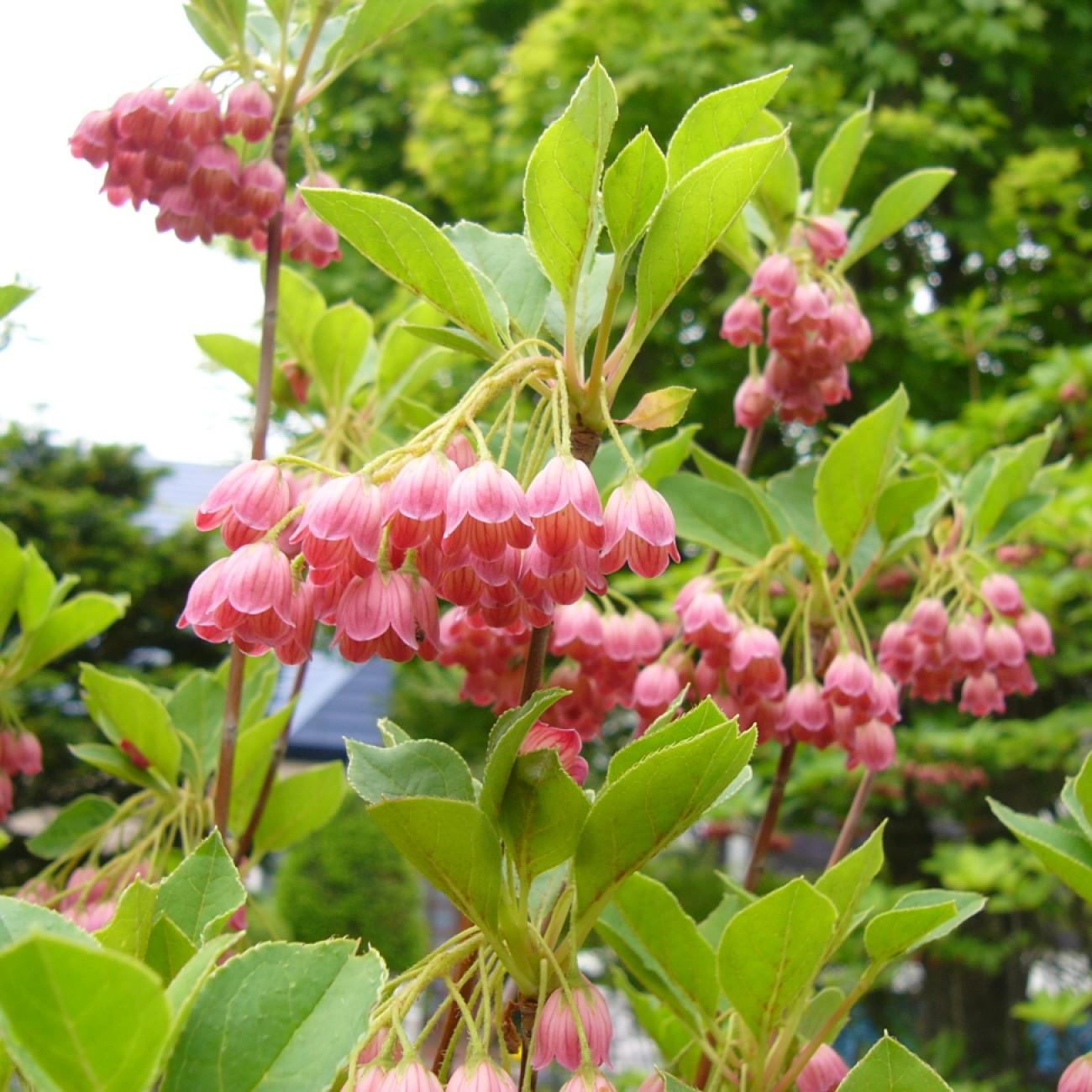
furin-tsutsuji
Enkianthus campanulatus 'Showy Lantern'
Overview
Furin-tsutsuji (Enkianthus campanulatus 'Showy Lantern') is a magnificent flowering shrub from Japan with showy white and pink lantern-like clusters of flowers. It blooms through spring and early summer and has striking emerald green foliage. Its delicate beauty makes it a great addition to any garden, as it can be clipped into different shapes to add an artistic touch. It can be grown as a container plant, in rock gardens and in mass plantings for a stunning display of color. Furin-tsutsuji is hardy and easy to care for with minimal maintenance required, making it a low-hassle plant perfect for any gardener.
Care Guide
Watering
Furin-tsutsuji (Enkianthus campanulatus 'Showy Lantern') should be watered 2-3 times per week, applying enough water to thoroughly saturate the soil at each watering. Outdoors, allow the top centimeter of soil to dry out between waterings. If the soil dries out before the regularly scheduled watering, water the plant sooner, and adjust watering frequency as needed. Indoors, check the soil moisture level before watering and water when it's just about dry. To prevent over-watering, always use drainage holes and never allow the plant to sit in standing water.
Light
Furin-tsutsuji (Enkianthus campanulatus 'Showy Lantern') prefers full sun, but can grow in partial shade, and does best when grown in sun-dappled light. Ideally, the plant should receive about 5 hours of direct sun each day, preferably in the morning or late afternoon. If grown in completely sunny spots, water more frequently and provide additional protection against harsh midday sun.
Soil
Acidic, Humus rich, Well-drained
Temperature
Hardiness zone 4–7.
Pruning
Furin-tsutsuji (Enkianthus campanulatus 'Showy Lantern') should be pruned in spring before the new growth begins so as to encourage new growth and improve the overall shape of the plant. Pruning should be done judiciously, but all dead, broken or diseased branches should be removed. As well prioritizing the removal of any branches that cross or grow inward, as this can negatively affect the overall shape and health of the plant. In general, the goal should be to remove around 15-20% of the old, woody growth each year. It's important not to prune too severely, as this can shock the plant and cause it to enter a state of decline.
Propagation
Seed Propagation, Layering Propagation, Stem Propagation
Diseases & Pests
Common pests: Pest resistant, Disease resistant.
Related plants
Other plants you might like if you grow furin-tsutsuji.
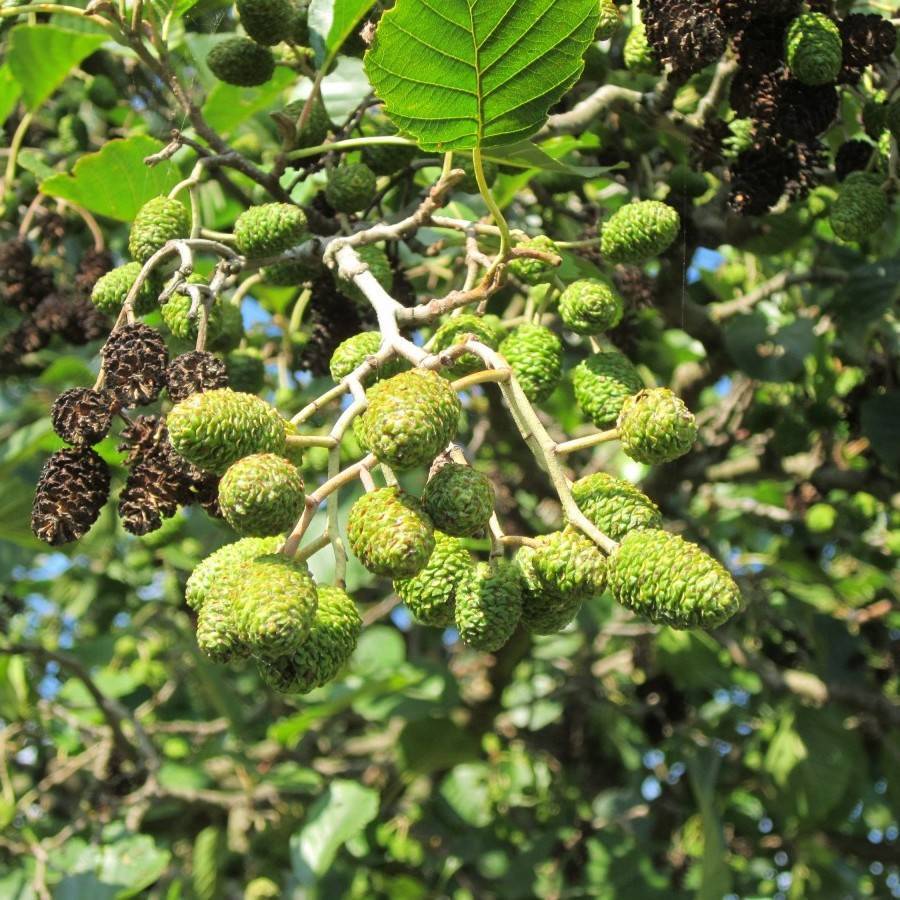
alder
Alnus mayrii
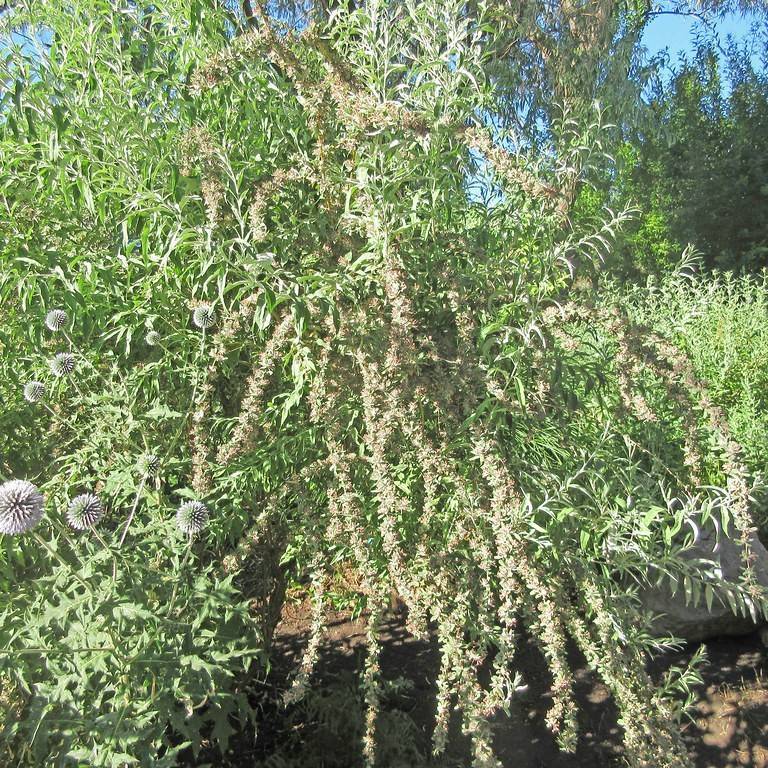
alternate-leaved butterfly bush
Buddleja alternifolia
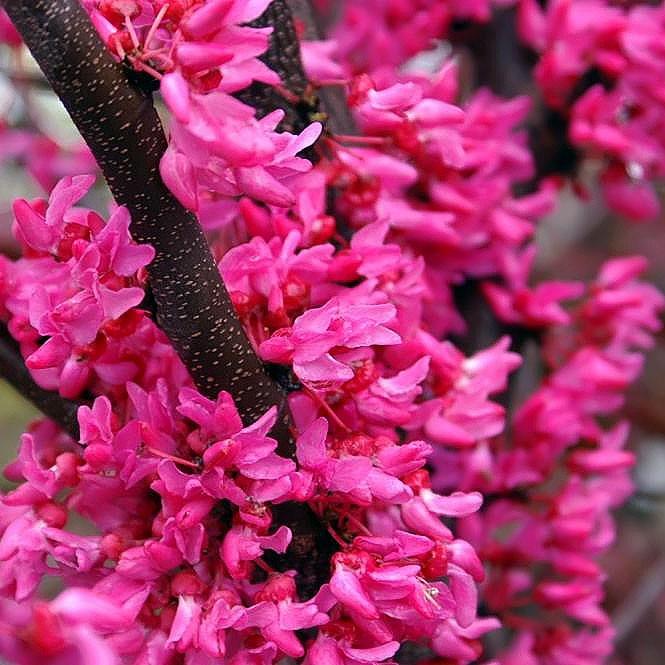
Appalachian Red Redbud
Cercis canadensis 'Appalachian Red'
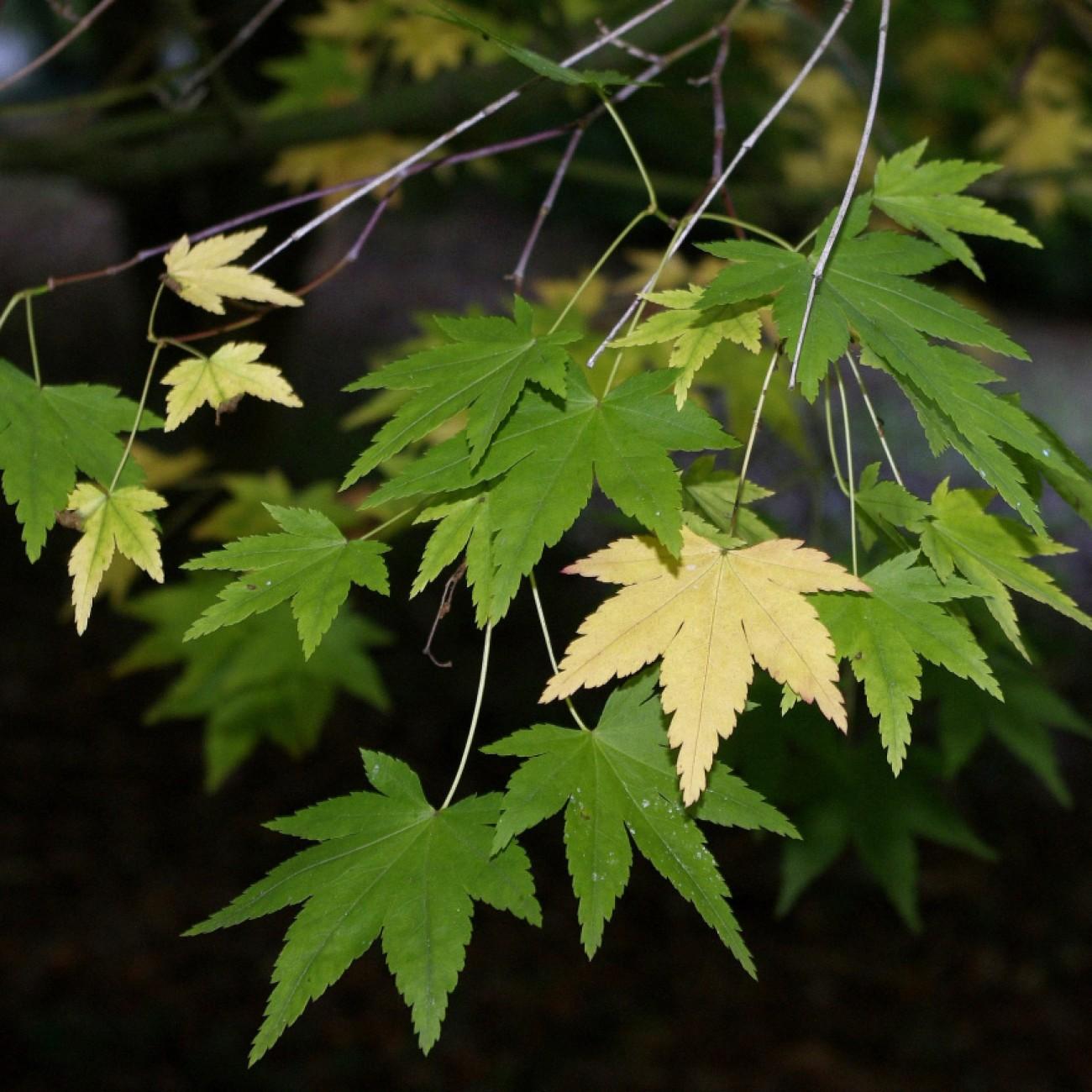
Arakawa Cork Bark Japanese Maple
Acer palmatum 'Arakawa'
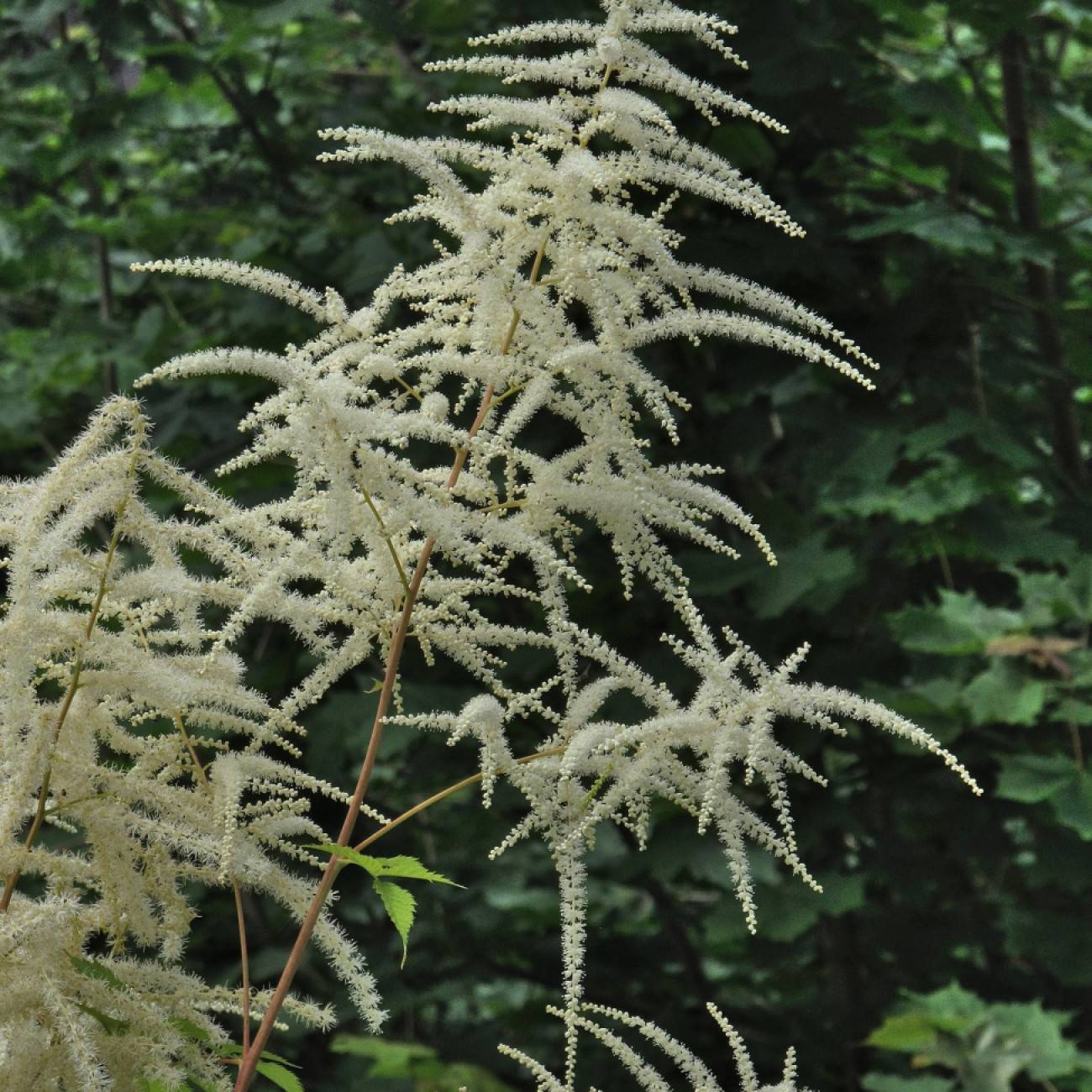
aruncus
Aruncus 'Horatio'
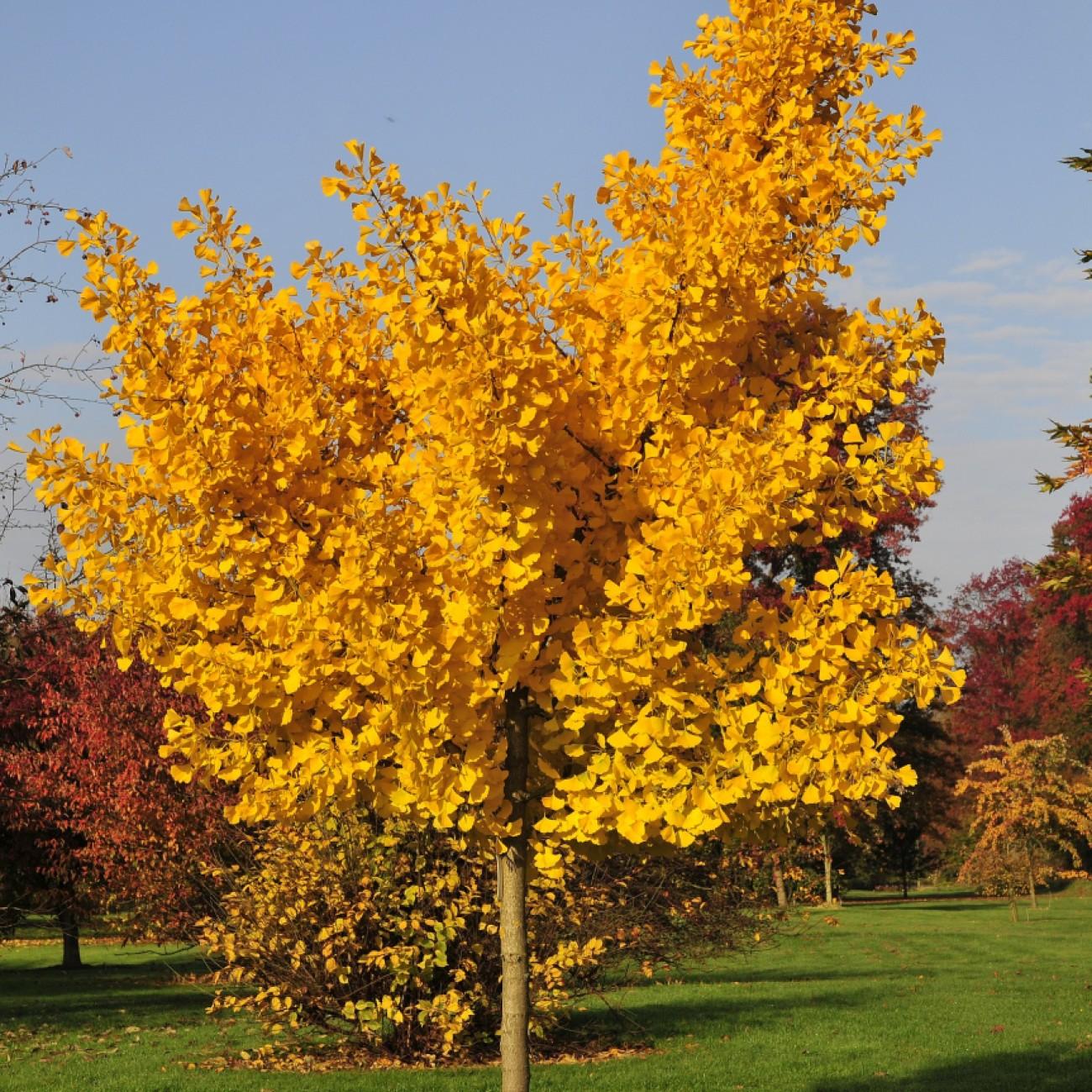
Autumn Gold Ginkgo
Ginkgo biloba 'Autumn Gold'
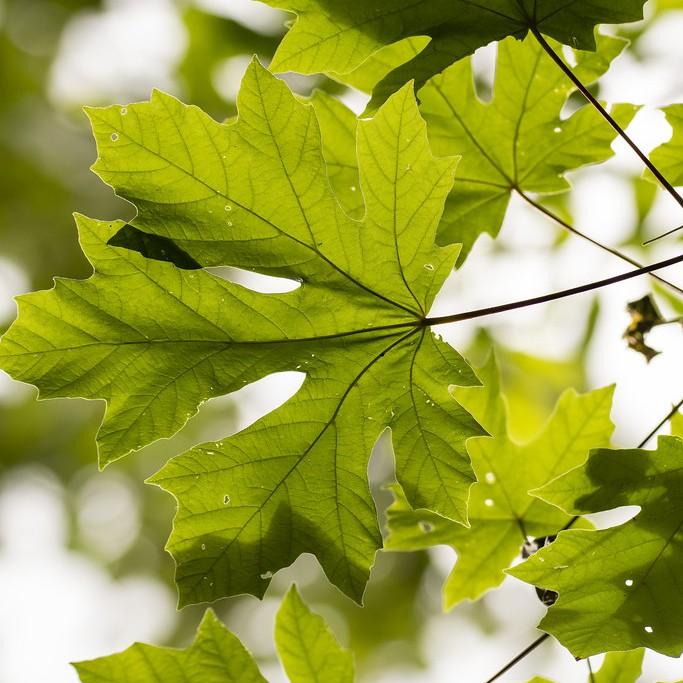
Big Leaf Maple
Acer macrophyllum
Black Gum
Nyssa sylvatica