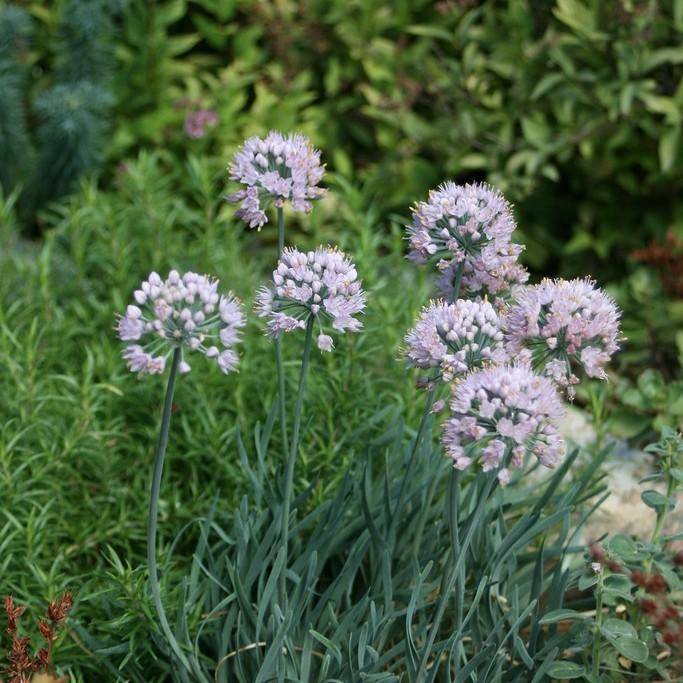
German garlic
Allium senescens 'Blue Twister'
Overview
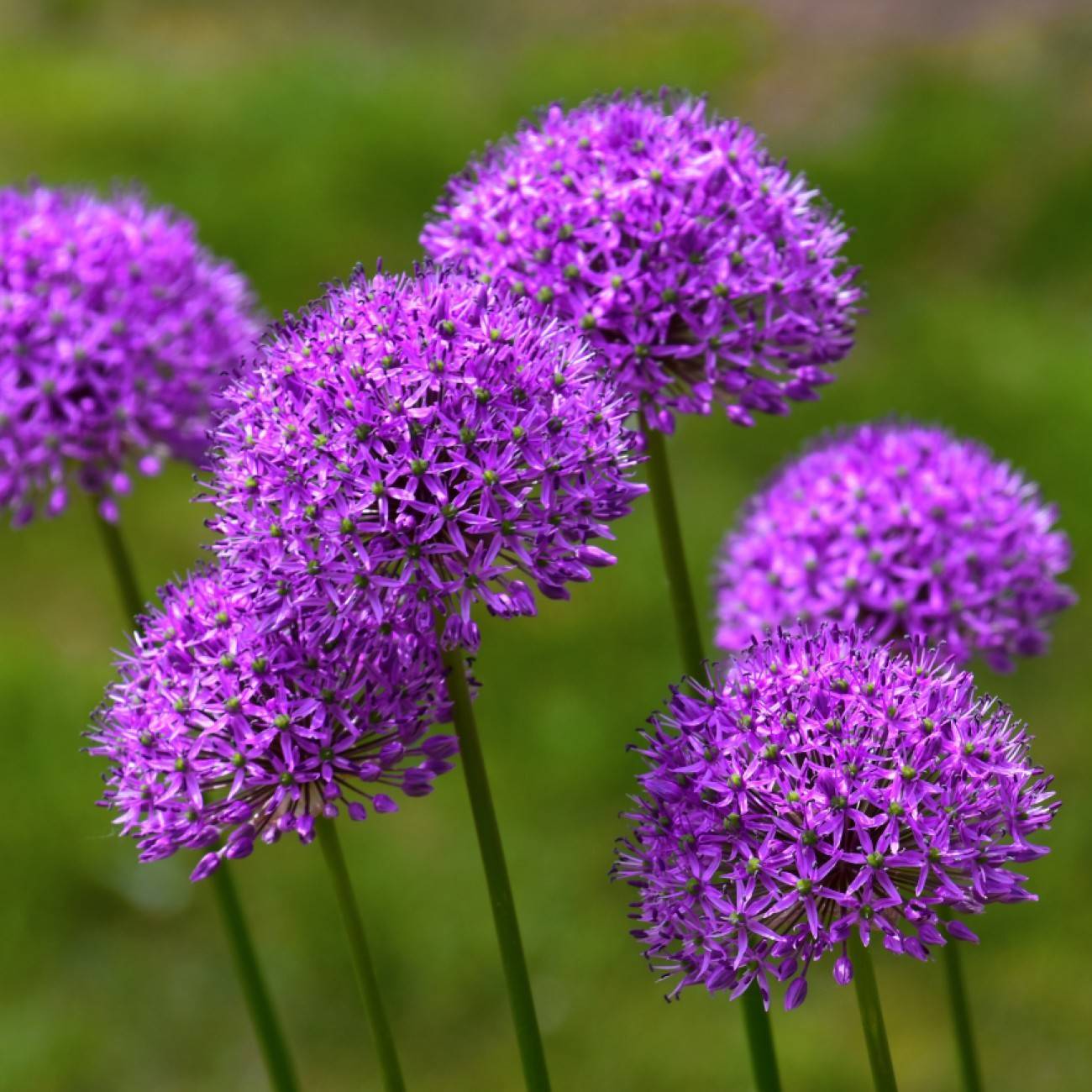
German garlic, or Allium senescens 'Blue Twister', is an amazing plant for a multitude of reasons. It has gorgeous bright blue-green foliage that has a spiral-like or 'twisted' appearance. It prefers drier soils and full sun exposure, making it an ideal choice for a low-maintenance garden. Not to mention, its flowers are a bright sunny yellow and develop atop long, arching stems. German garlic is even known to produce edible underground bulbs with a strong, pungent taste. Overall, German garlic is an incredibly beautiful (and incredibly flavorful) addition to any garden!
Care Guide
Watering
For best results, German garlic (Allium senescens 'Blue Twister') should be watered thoroughly and deeply once per week. During very hot or dry periods, it may need more frequent watering, up to twice a week. To determine when watering is needed, insert your finger into the top 2 inches of soil. If the soil feels dry, it's time to give it a thorough drink. Never let the soil become bone dry. Water until you see some moisture leaking from the bottom of the pot.
Light
German garlic (Allium senescens 'Blue Twister') requires full sun in order to perform its best. This plant is a hardy perennial, so it should be planted in a location that will receive at least 6-8 hours of direct sunlight each day. In shadier locations, growth may be slower and yields may be reduced. The best time of day for the sun to hit Blue Twister is from mid-morning to mid-afternoon. Avoid planting it in a location that gets low light during the late afternoon, as this may cause the leaves to bleach and turn yellow.
Temperature
Hardiness zone 3–8.
Pruning
German garlic (Allium senescens 'Blue Twister') should be pruned twice each year. The first pruning should take place in early spring before the new growth emerges, when the old flowers can be removed and any dead foliage should be cut back. The second pruning should take place in late autumn, when any remaining dead or damaged foliage should be removed. Pruning German garlic will promote bushier and more compact growth.
Propagation
Division, Seed Propagation, Cutting, Layering Propagation
Uses & Symbolism
Attracts: Butterflies.
Related plants
Other plants you might like if you grow German garlic.
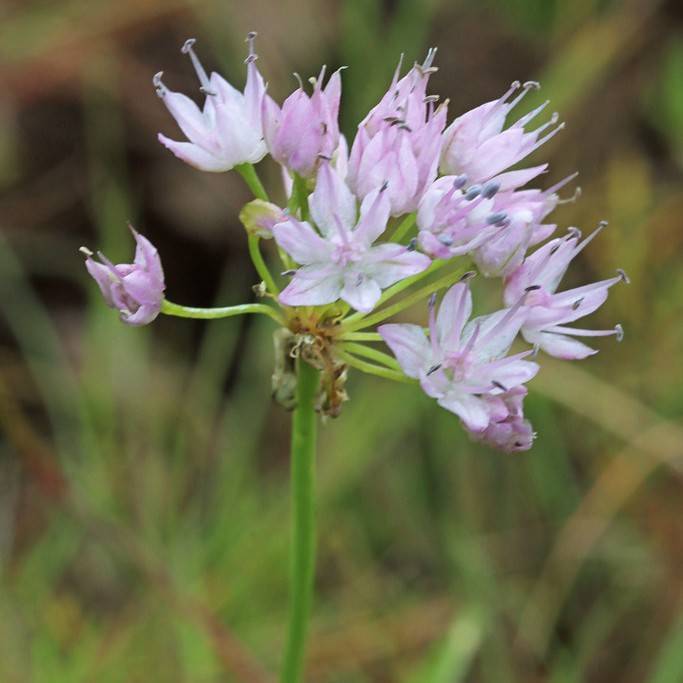
allium
Allium kunthianum
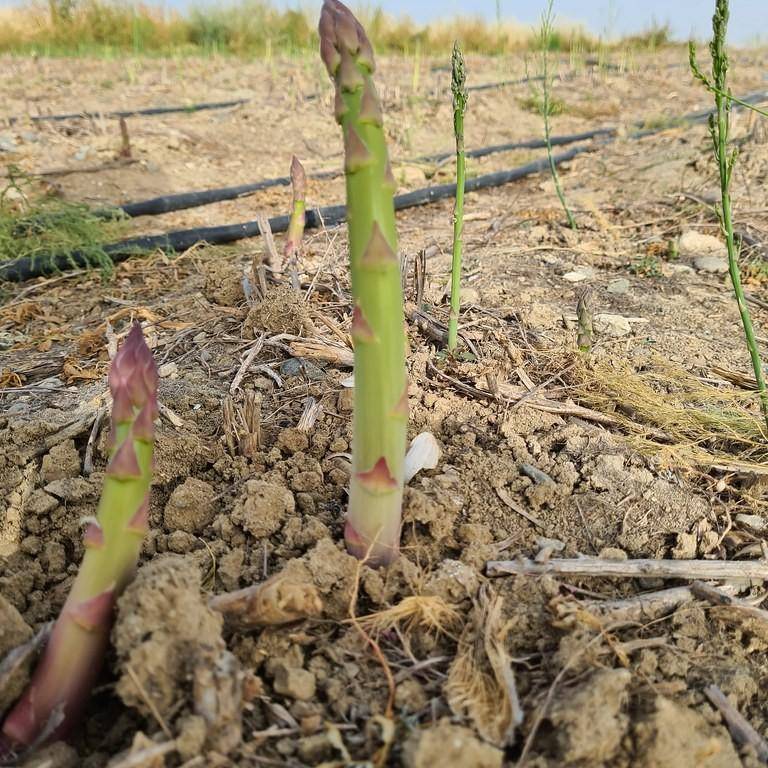
asparagus
Asparagus officinalis
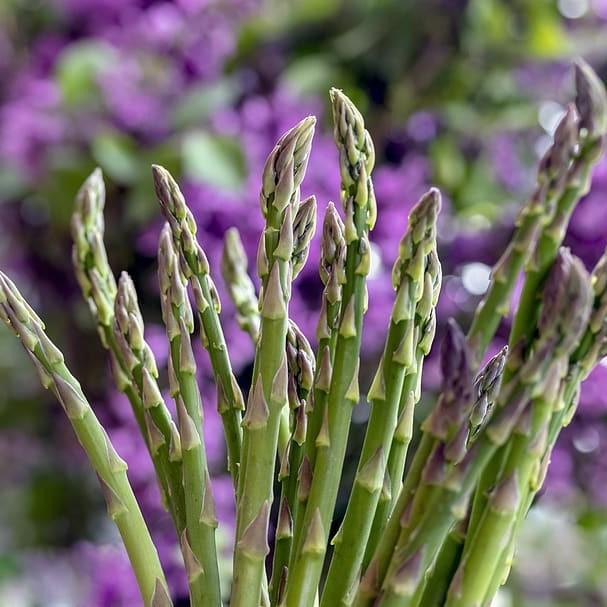
asparagus
Asparagus officinalis 'Jersey Knight'
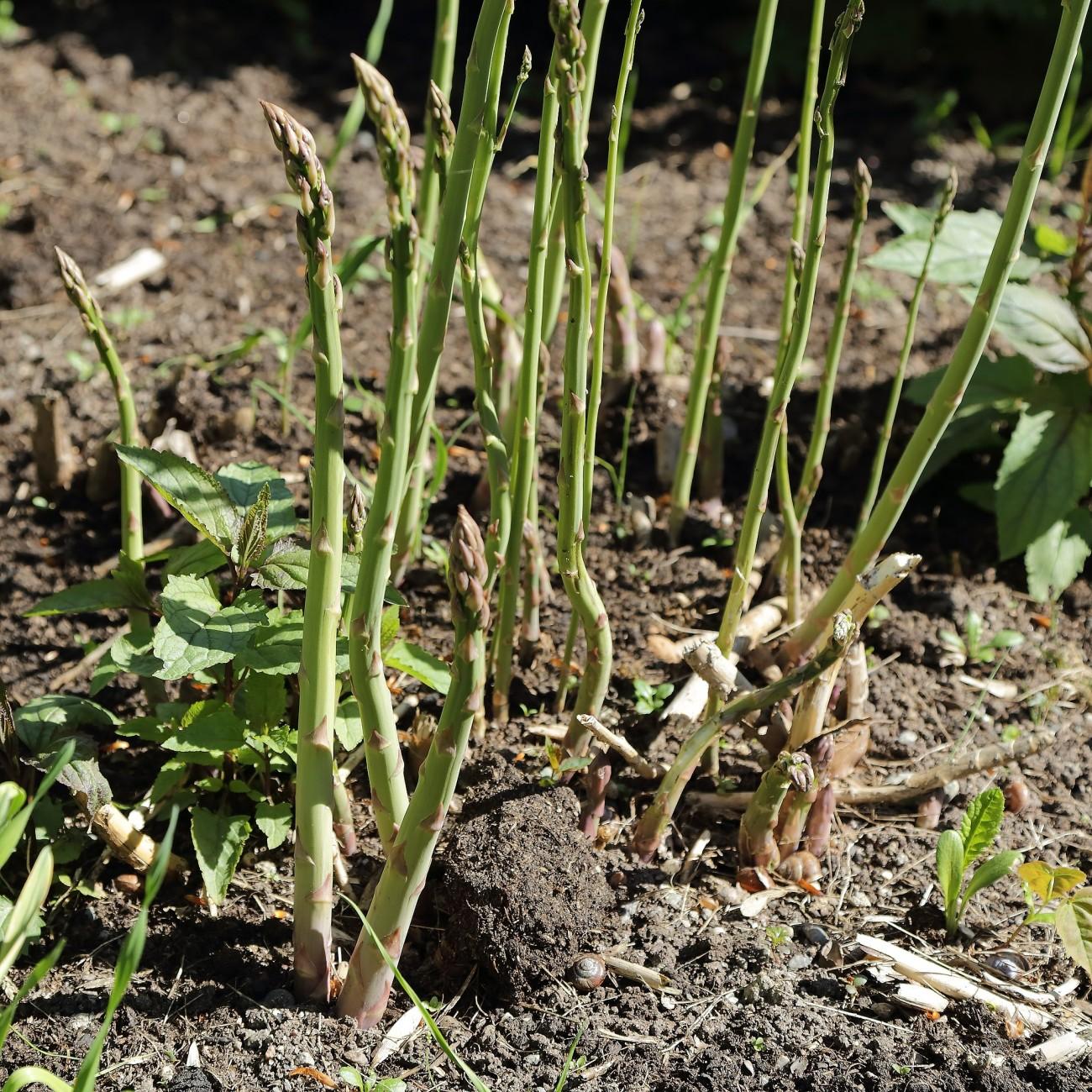
asparagus
Asparagus officinalis 'Mary Washington'
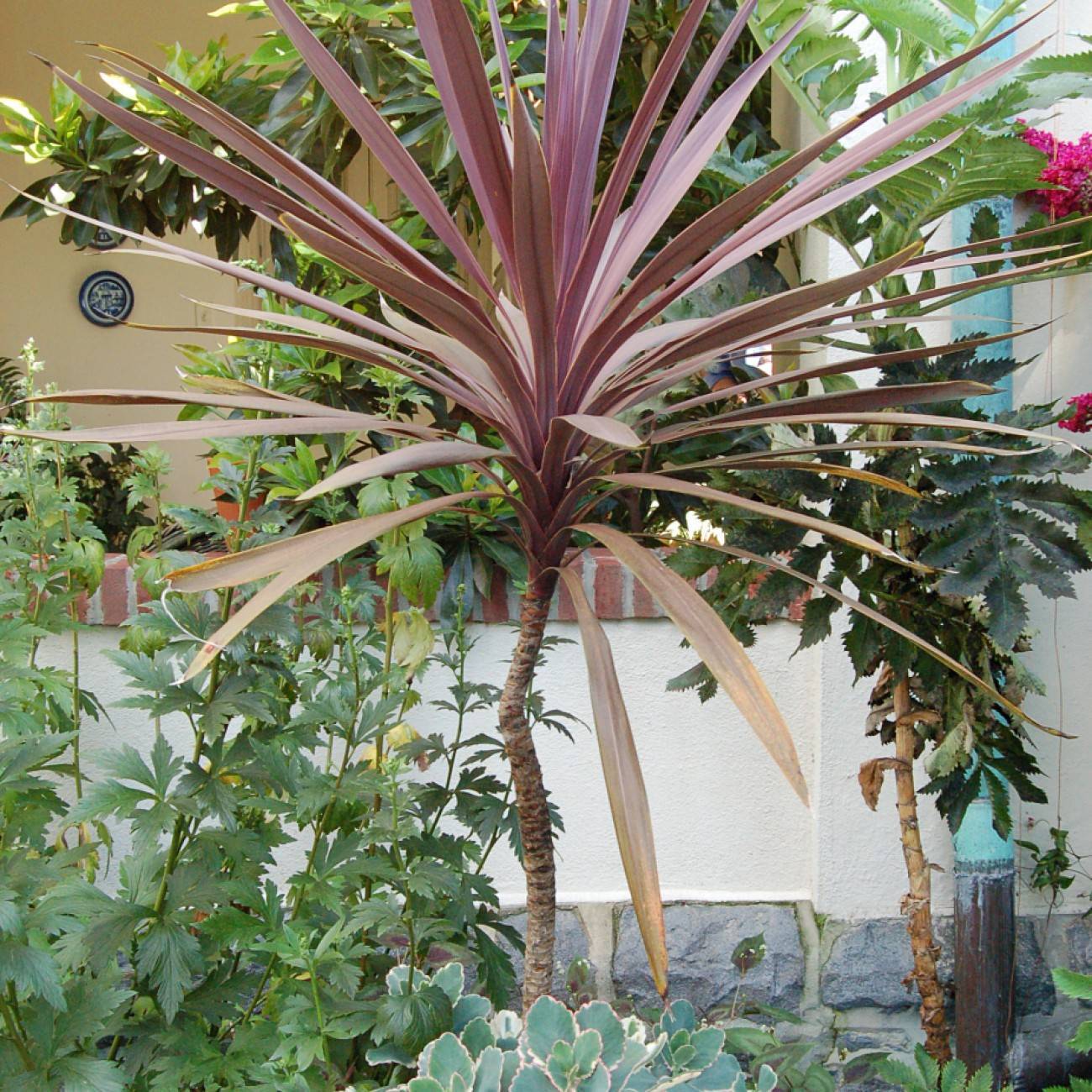
cabbage tree
Cordyline australis 'Salsa'
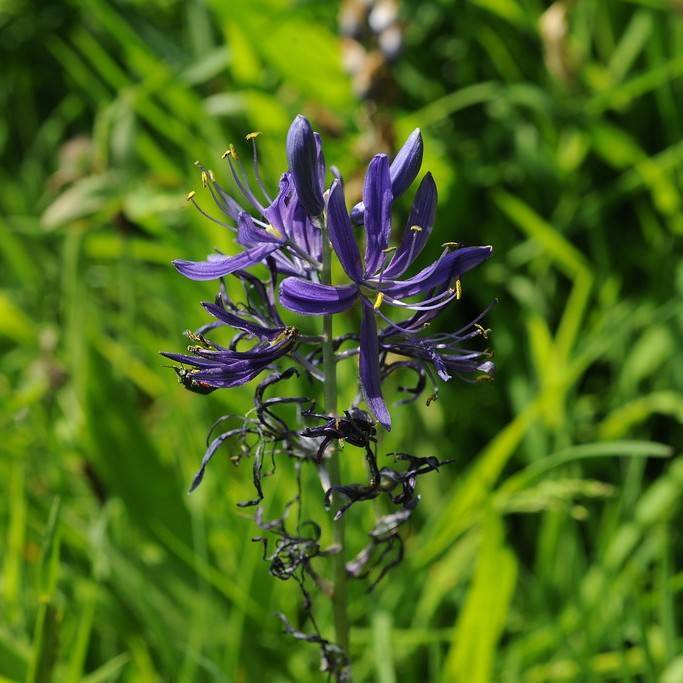
camass
Camassia leichtlinii subsp. suksdorfii 'Blauwe Donau' BLUE DANUBE
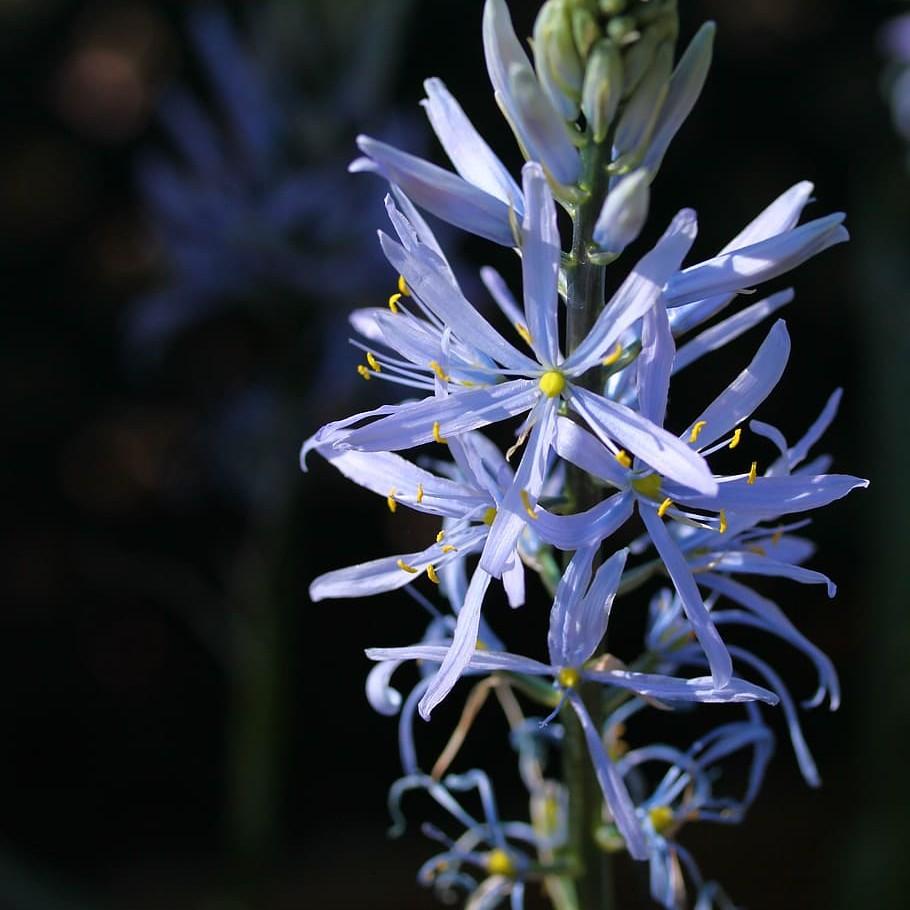
camass
Camassia leichtlinii subsp. suksdorfii (Caerulea Group)
chives
Allium 'Chivette'