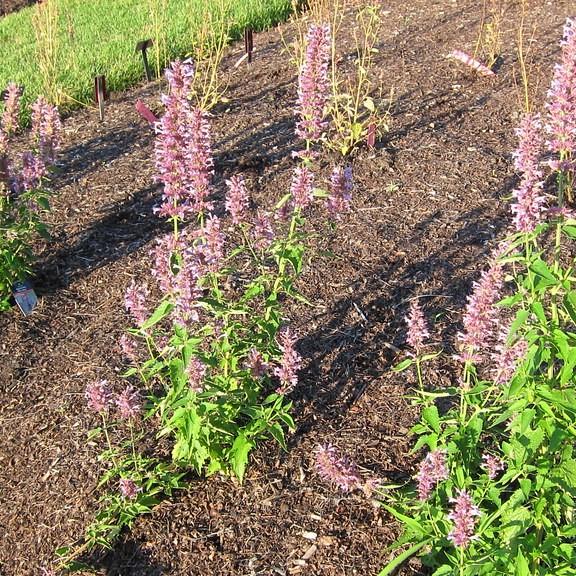
giant hyssop
Agastache 'Blue Boa'
Overview
Giant hyssop, or Agastache 'Blue Boa', is an amazing plant species that has a unique beauty. It produces vibrant mint-blue blooms throughout the summer, attracting a variety of colorful pollinators to the garden. The flower spike appears to have a fuzzy, white appearance due to its tiny hairs. The giant hyssop provides an alluring fragrance while in bloom and grows rapidly. Its dainty leaves come in a soft bluish-green hue, complementing its flowers. Plus, it is incredibly easy to care for—just plant in a sunny spot and water regularly. Giant hyssop is a great addition to the mix of any garden, adding beautiful color, fragrance and insect life.
Care Guide
Watering
Water your giant hyssop (Agastache 'Blue Boa') plant regularly. During the growing season (spring to fall) water your plant once a week, soaking the soil deeply. During hot weather, it may need to be watered more frequently. During the winter months, reduce watering to once a month. When in doubt, it is better to underwater than overwater. Stick your finger in the soil to gauge the moisture - if the top inch of soil feels dry, it’s time to water.
Light
Giant hyssop (Agastache 'Blue Boa') is best grown in an area that offers full sun meaning at least 6-8 hours of direct sunlight each day. Morning sunlight is best, especially during the summer. Plants grown in too much shade will produce fewer blooms and become spindly and leggy. During periods of intense summer heat and drought, this species will appreciate afternoon shade.
Temperature
Hardiness zone 5–9.
Pruning
Giant hyssop (Agastache 'Blue Boa') is a low-maintenance plant that requires occasional pruning. Pruning should generally take place in the spring when the temperatures are mild and the days are starting to get longer. Pruning should be done to remove any dead or diseased stems as well as to shape the plant and create a fuller, bushier form. To do this, cut back the stems to just above a set of healthy leaves. Take care not to cut too much at once, as doing so could damage the plant. Additionally, pinch off any dead flower heads to promote new growth throughout the season.
Propagation
Division, Cutting, Seed Propagation, Layering Propagation
Uses & Symbolism
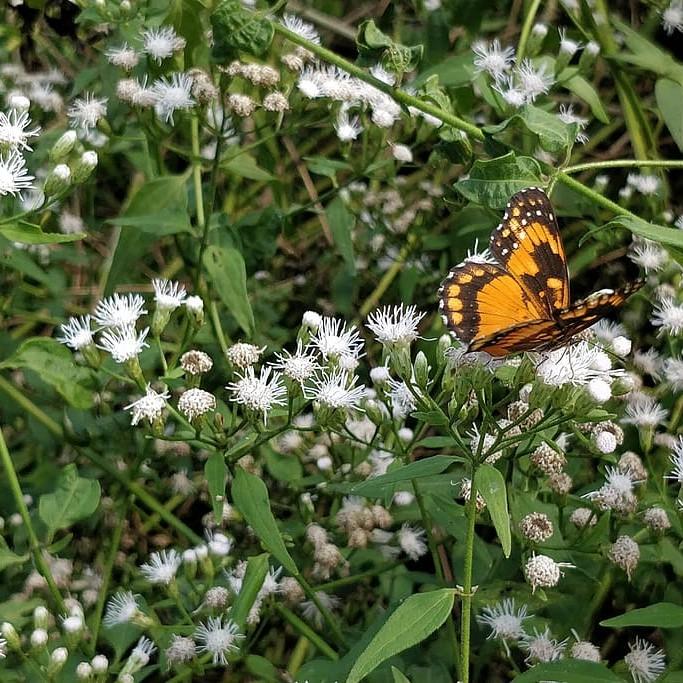
Attracts: Hummingbirds, Butterflies.
Related plants
Other plants you might like if you grow giant hyssop.