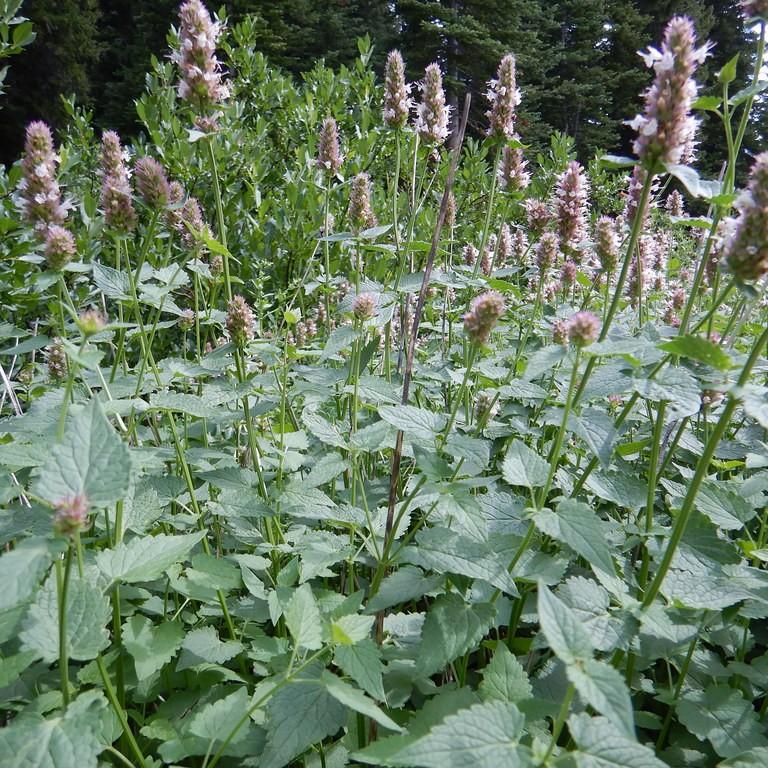
giant hyssop
Agastache 'Purple Haze'
Overview
Giant Hyssop (Agastache 'Purple Haze') is an amazing plant species due to its gorgeous appearance and hardiness. This sprawling shrub is known for its vibrantly colored purple and lavender-hued flowers and bright green foliage. The blooms attract many different types of butterflies and bees, making it a great plant for pollinators. Plus, it is drought-tolerant and requires little maintenance. Ideal for gardeners of all experience levels, it is sure to be an eye-catching addition to any outdoor space.
Care Guide
Watering
Giant hyssop (Agastache 'Purple Haze') should be watered once a week in the warm summer months, and every other week during cooler months. When watering, the soil should be moistened to a depth of 6-8 inches. Be sure not to over-water, as the plant’s root system can become waterlogged and cause the plant to succumb to rot. If soil starts to dry out, water the plant more frequently. During periods of extreme heat and drought, an extra deep soaking of the root zone may be necessary.
Light
Giant hyssop (Agastache 'Purple Haze') prefers full sun, meaning it should be planted in an area that gets about 6 hours of direct sunlight every day. If this species is grown in an area that does not receive the recommended amount of sunlight, the plant can become stunted and produce fewer flowers. Therefore, it is important to site this species in a location that receives at least 6 hours of direct sunlight daily.
Temperature
Hardiness zone 6–9.
Pruning
Giant hyssop (Agastache 'Purple Haze') should be pruned annually in late winter or early spring, before new growth starts, to encourage bushier growth. Pruning should be done by cutting the stems back by 1/3 of the previous year’s growth. Pruning in early spring will also help remove any dead or diseased foliage and promote the formation of new flushes of growth. If you’d like, you can also lightly prune the plant again in mid-summer or in the fall, but be careful not to prune too much, as this can cause the plant to be overly vigorous and may even result in a decrease in flowering.
Propagation
Division, Cutting, Seed Propagation, Layering Propagation
Uses & Symbolism
Attracts: Birds, Butterflies.
Related plants
Other plants you might like if you grow giant hyssop.