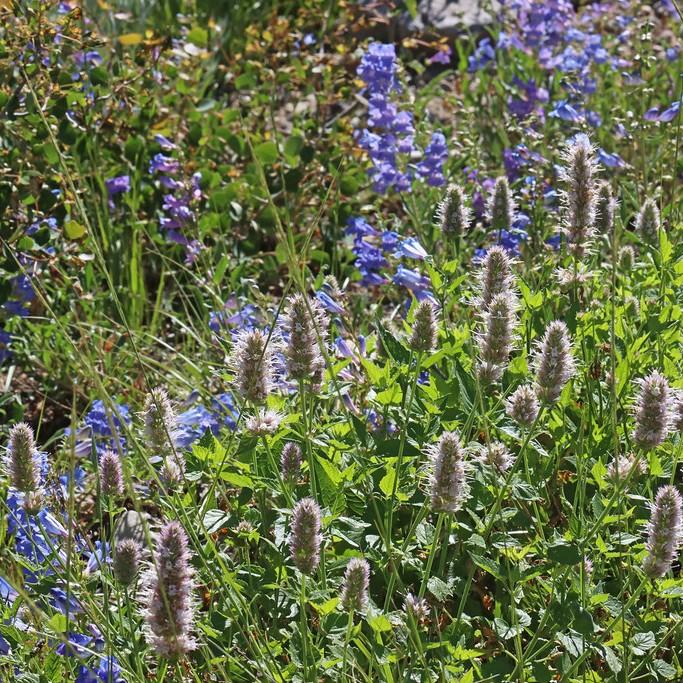
giant hyssop
Agastache rugosa 'Honey Bee Blue'
Overview
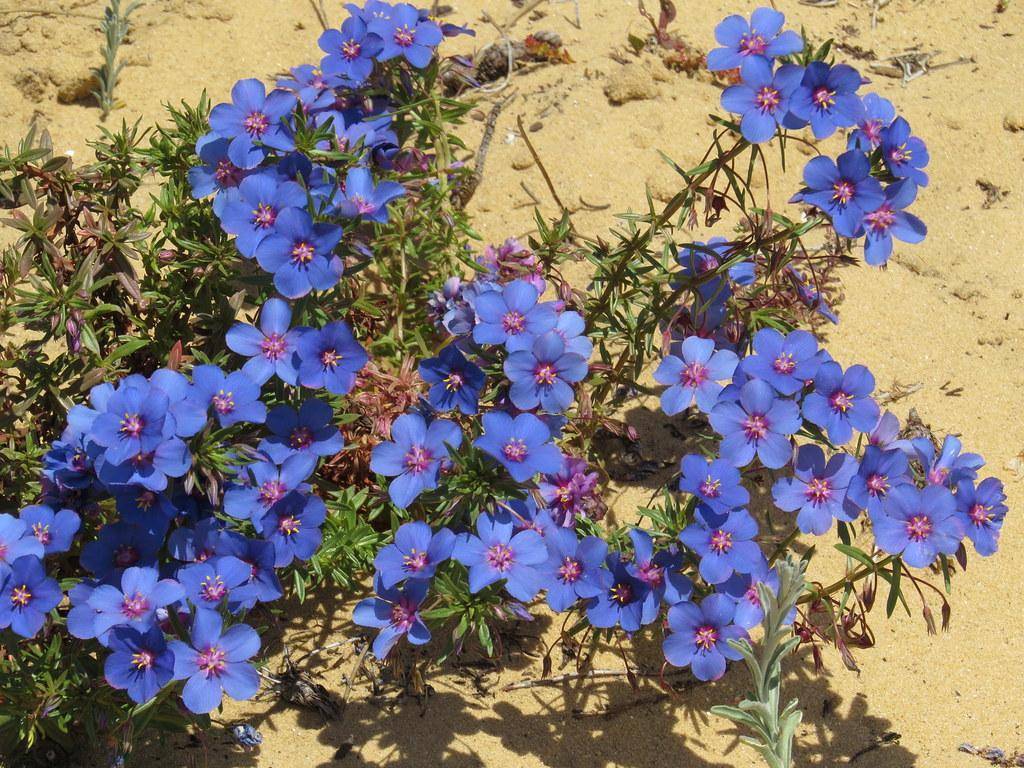
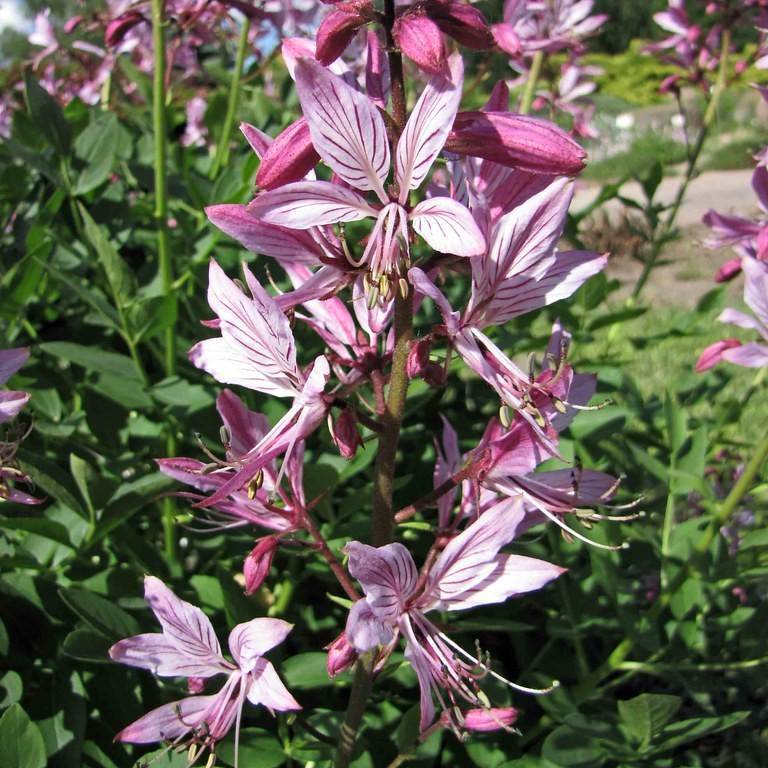
Giant hyssop (Agastache rugosa 'Honey Bee Blue') is an amazingly beautiful specimen with its brightly colored blue blooms. This plant is a great choice for sunny landscapes, as it prefers 8 hours of direct sunlight a day. It will bloom from midsummer through early fall, delighting you with its sweet honey-scented flowers. Not only is it a pollinator magnet, but its attractive foliage is deer resistant and attractive when planted in masses. Its blooms are attractive to a wide range of pollinators, making it a great addition to any garden. Its long-lasting blooms and pleasing smell make it an excellent and satisfying addition for any landscape.
Care Guide
Watering
Water giant hyssop (Agastache rugosa 'Honey Bee Blue') once every 1-2 weeks when the soil begins to dry out. This species likes to be kept in moist conditions, so feel the soil–it should remain damp but not soggy. When watering, slowly and evenly moisten the entire rootball. Soak the soil until water runs out of the drainage hole at the bottom of the pot.
Light
Giant hyssop is a plant species that requires full sun to thrive. During the spring, summer, and early fall months, it should receive at least 6 to 8 hours of direct sunlight per day. Ideally in the late spring and summer this should be full sun all day. During late fall and winter days, the plant should receive 4 to 6 hours of indirect sun such as filtered light through a window or light shade. Make sure the plant receives plenty of sunlight so it can grow full and healthy.
Temperature
Hardiness zone 5–8.
Pruning
Giant hyssop (Agastache rugosa 'Honey Bee Blue') should be pruned twice a year, once in late winter or early spring, before the new growth begins, and again in late summer after the plant has bloomed.In late winter or early spring, cutting back all of the stems to 6–12 inches will encourage the most new growth. In late summer, lightly prune the plant to shape it, and cut back the longest stems by half their original length. It is important to not prune excessively in late summer, as it can reduce blooming and cause the plant to become lanky.
Propagation
Division, Cutting, Seed Propagation, Layering Propagation
Uses & Symbolism
Attracts: Butterflies.
Related plants
Other plants you might like if you grow giant hyssop.