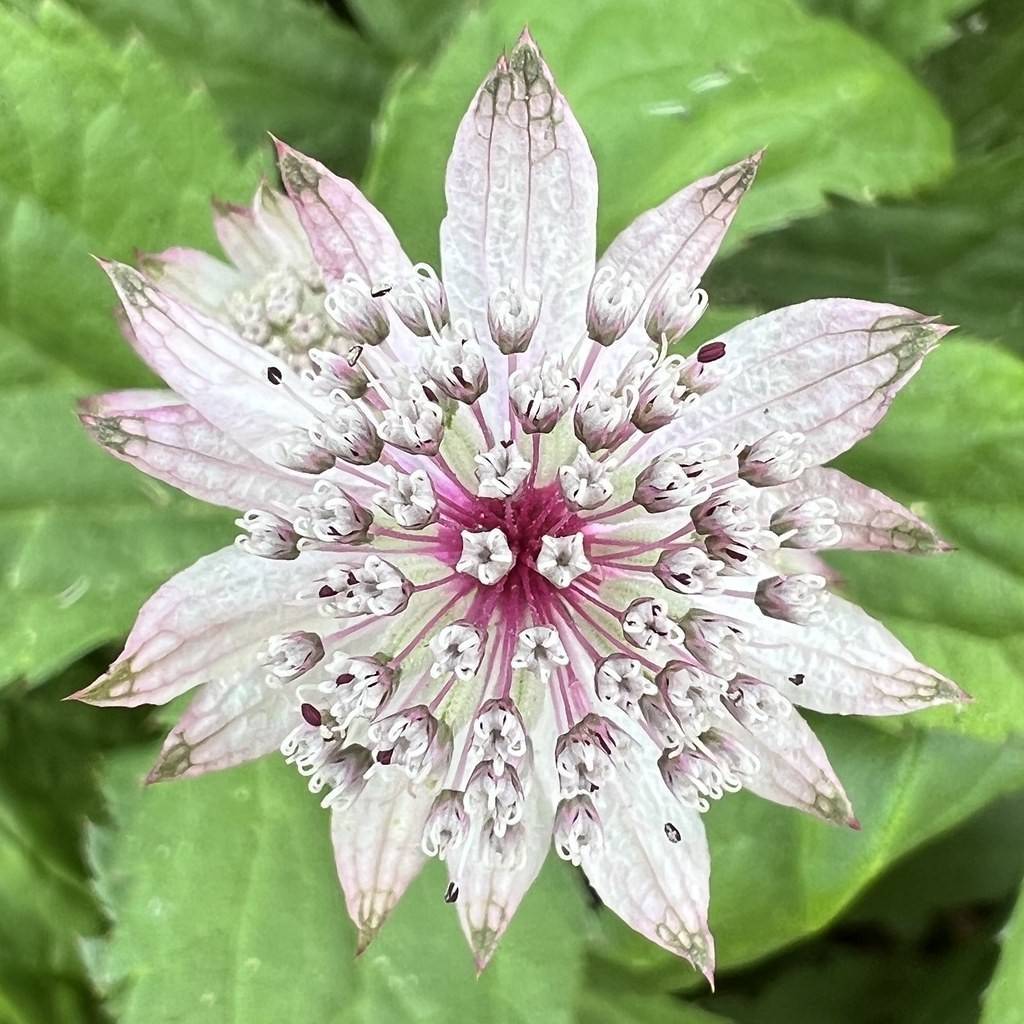
greater masterwort
Astrantia major subsp. involucrata 'Shaggy'
Overview
The Greater Masterwort (Astrantia Major subsp. involucrata 'Shaggy') is an amazing plant species. It yields bright, star-shaped flowers fanning up from slender stems above a mound of wide, deep green leaves. The blooms come in various shades of whites, pinks, and purples, and provide much-needed colour to any flower bed. Its robust and hardy nature makes it ideal for borders, wildflower gardens, and rockeries. As its common name suggests, 'Shaggy' is also an incredibly unique variety with hair-like bracts on its flower heads - something that will be sure to catch your eye!
Care Guide
Watering
Greater masterwort should be watered deeply once a week during the growing season, generally April through October. Water until the top 3 inches of soil become moist. If the soil is kept consistently moist, greater masterwort should not need to be watered more often. During the winter months, water the plant less often, once every 2-3 weeks. It is important to be aware of the weather conditions in your area when watering, as too much water can lead to root rot. If it is raining, forgo watering for that week.
Light
Greater Masterwort is a hardy plant that does best in full sun or partial shade, located in the temperate USDA Hardiness Zones of 4-8. When growing indoors, it should be placed in a south- or west-facing window to receive full sun exposure throughout the day. The plant should receive 6-8 hours of direct sunlight a day. If the plant is grown outdoors, it should be located in an area that receives 4-6 hours of sunlight per day, ideally in the late morning and early afternoon.
Soil
Well-drained
Temperature
Hardiness zone 4–7.
Pruning
Greater masterwort can be pruned in late spring or early summer to remove dead or damaged foliage and encourage more vigorous growth. Prune back overgrown stems of greater masterwort by up to 1-third their length. This will stimulate new growth and reduce floppiness of the foliage. It is important not to prune too vigorously, however, because it could damage the plant and limit flower production.
Propagation
Division
Diseases & Pests
Common pests: Mold, Slugs, snails.
Related plants
Other plants you might like if you grow greater masterwort.
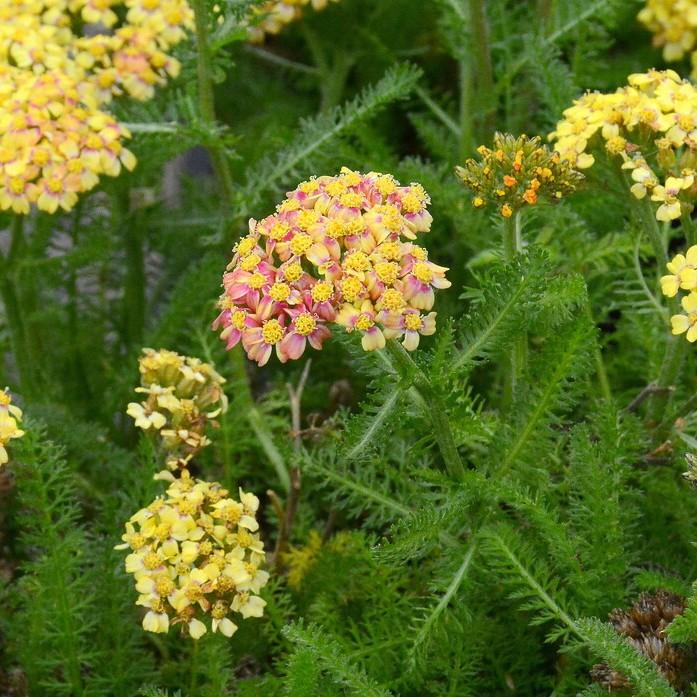
Alps yarrow
Achillea distans
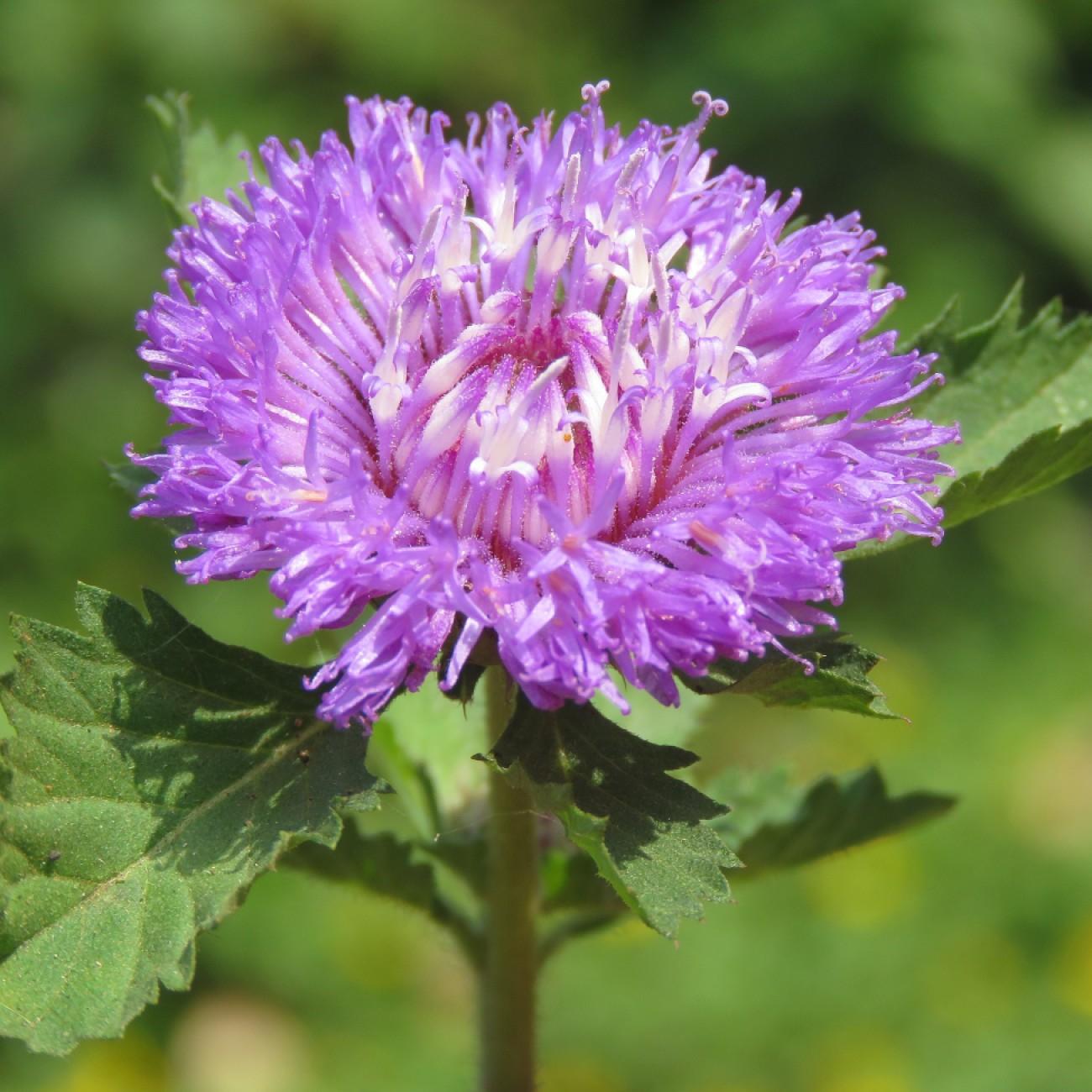
bachelor's button
Centratherum punctatum 'Button Beauty'
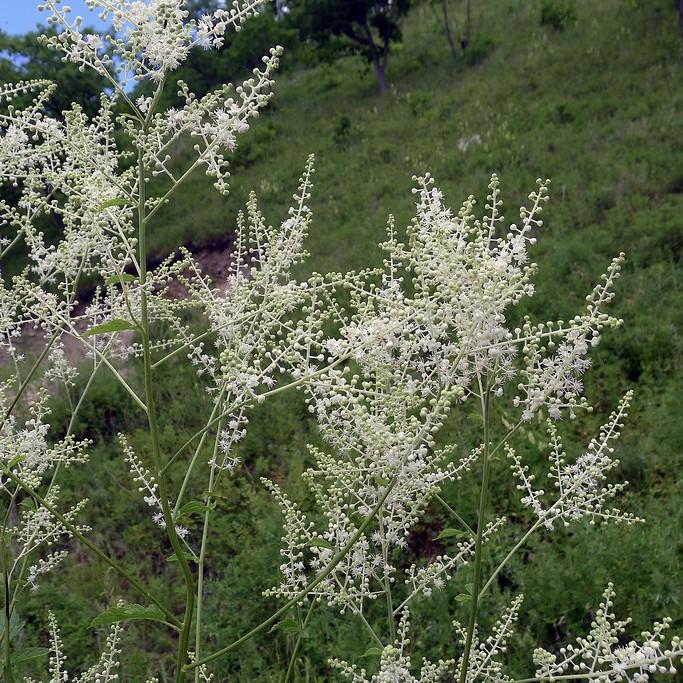
bugbane
Actaea dahurica
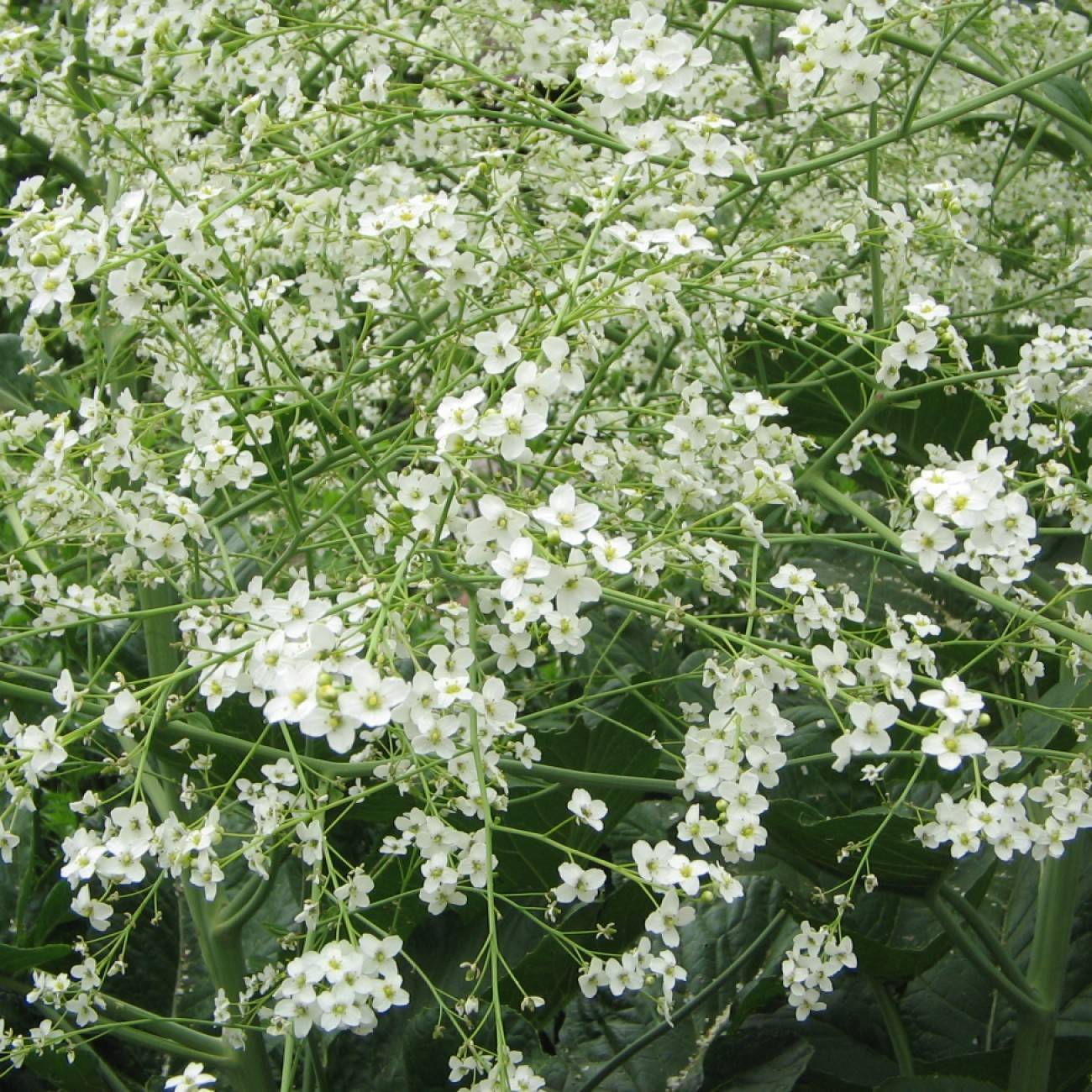
colewort
Crambe cordifolia
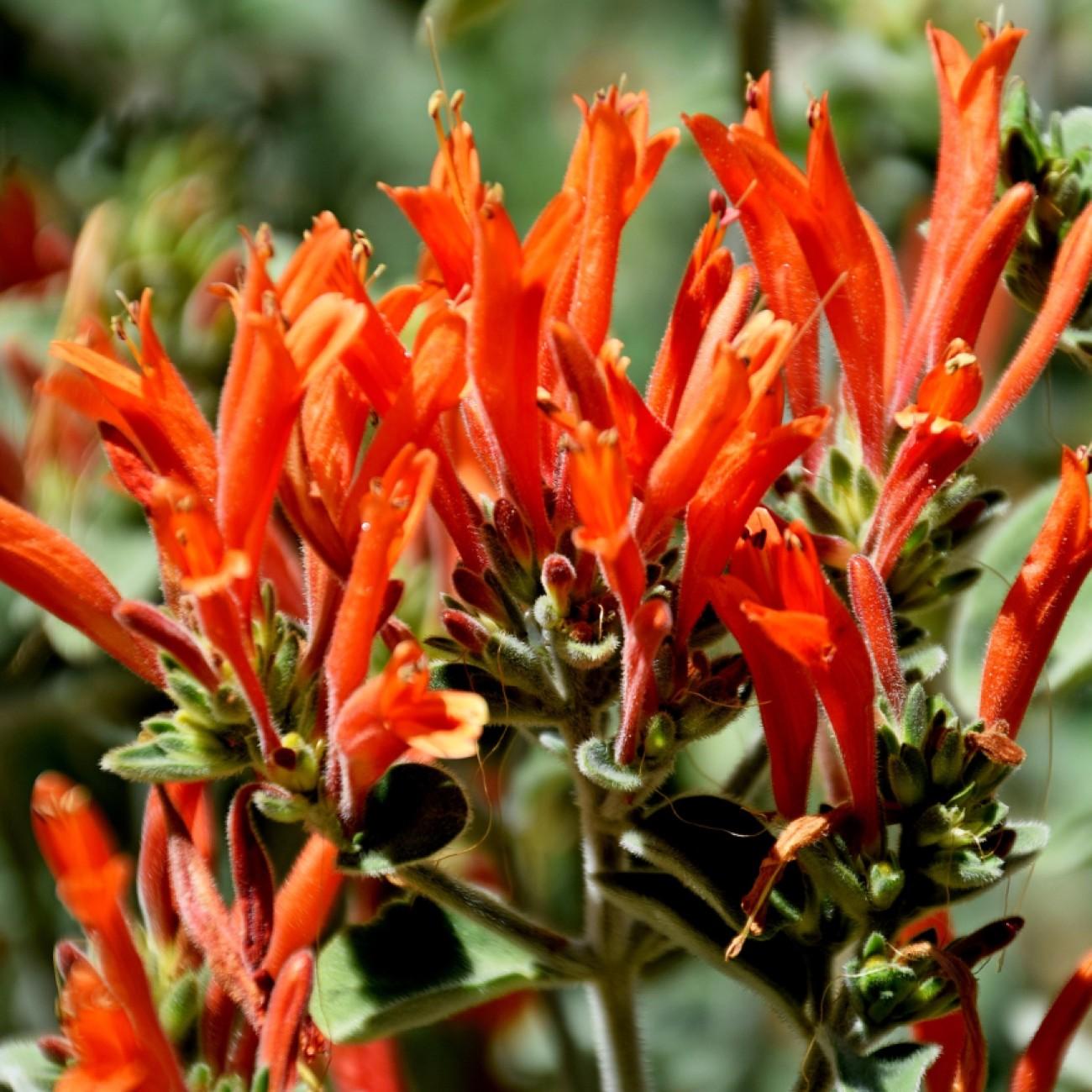
dicliptera
Dicliptera squarrosa
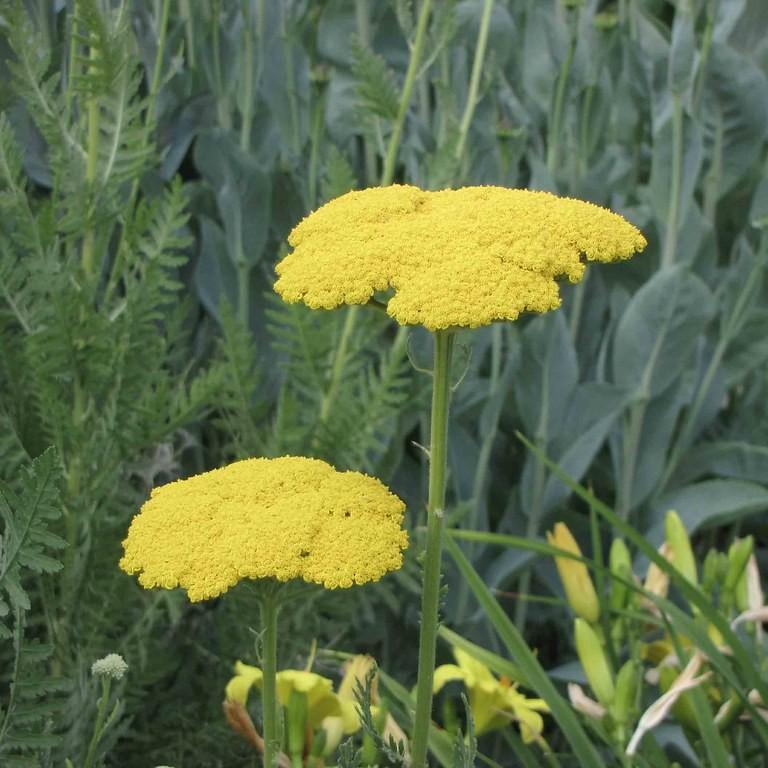
fern-leaf yarrow
Achillea filipendulina 'Gold Plate'
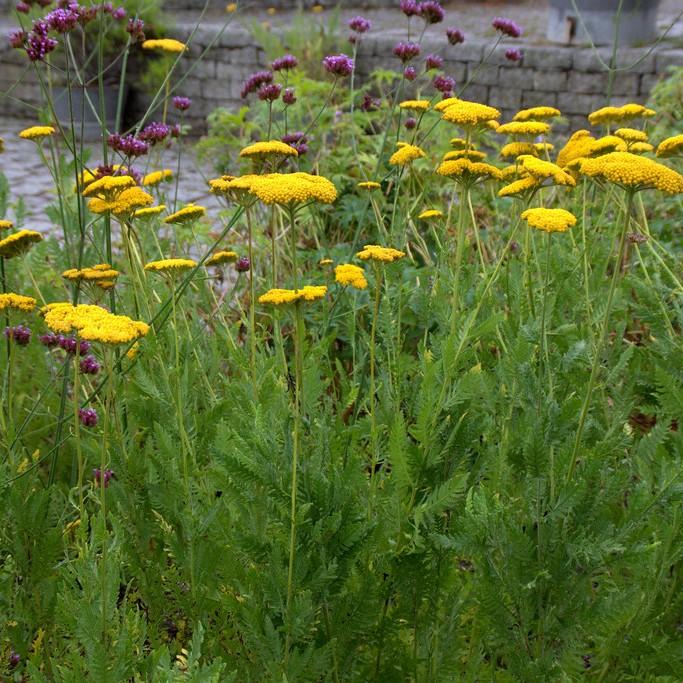
fern-leaf yarrow
Achillea filipendulina 'Parker's Variety'
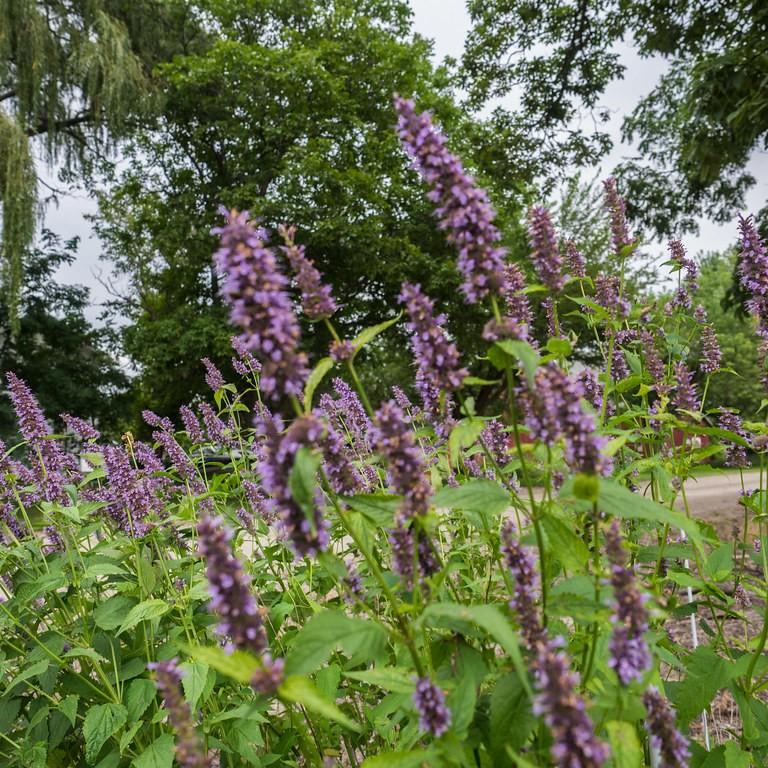
giant hyssop
Agastache 'Black Adder'