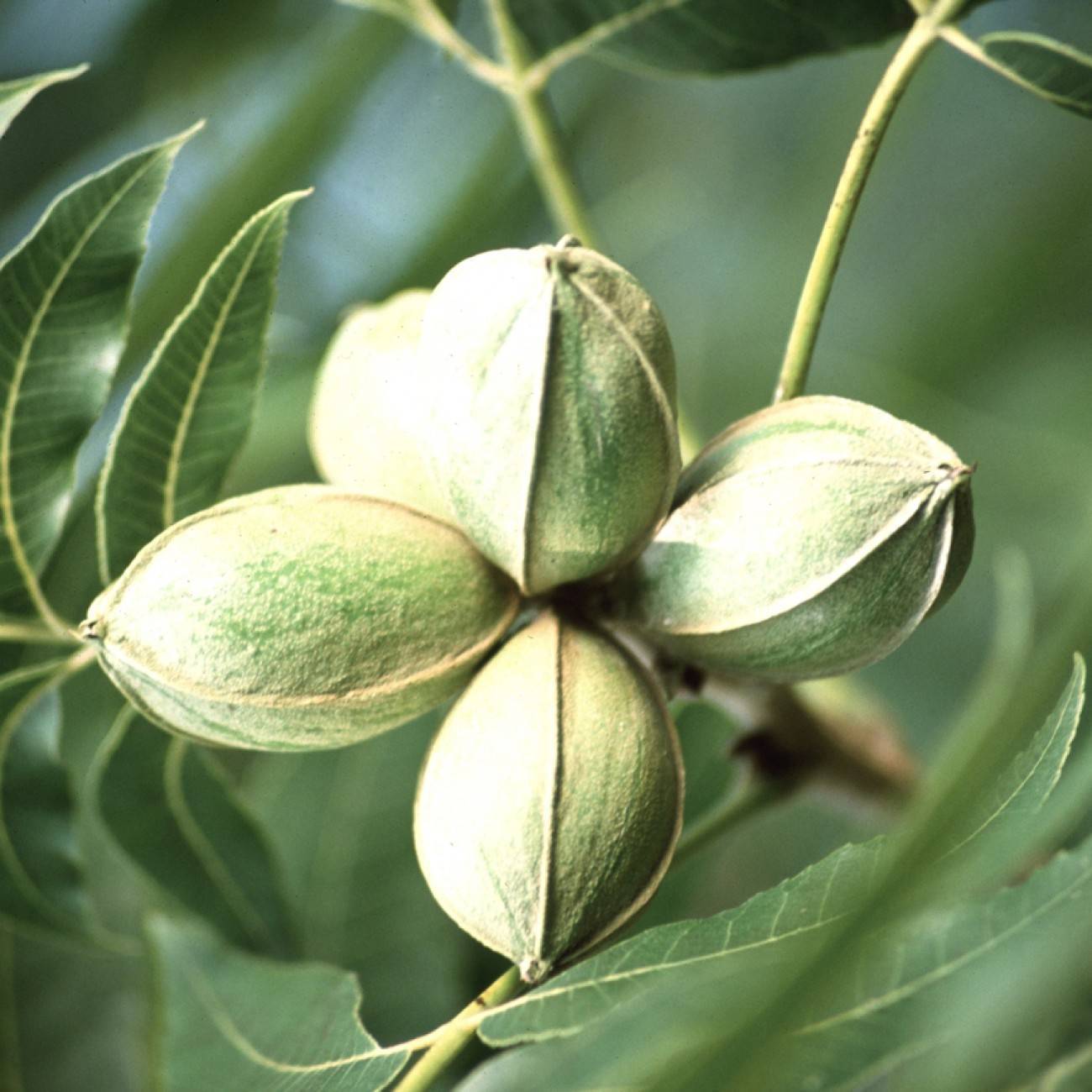
hardy pecan
Carya illinoinensis 'Montgomery'
Overview
The hardy pecan (Carya illinoinensis 'Montgomery') is an amazing tree species and is touted as one of the hardiest of the pecan species. Its dense and strong wood make it highly resistant to high winds and drought, while its long-term fruit production ability and adaptability make it well-suited to commercial or urban landscapes. Its edible nuts are large and sweet, making it great for both snacking and baking. The tree is often grown as an ornamental species, as its shiny leaves and attractive bark add beauty to any garden. Whether grown for its nuts or its ornamental value, the hardy pecan is a great choice for any landscape.
Care Guide
Watering
Hardy pecan trees (Carya illinoinensis 'Montgomery') should be watered deeply about once a week when the tree is young (1-3 years old). When the tree matures (4-6 years old), watering should be increased to about twice a week. During dry periods, however, the tree may require additional watering to ensure that the soil is kept moist. An inch of water should be provided for each week of dryness. Additionally, the soil around the tree should be mulched, to retain moisture and reduce the impacts of temperature swings.
Light
Hardy pecans (Carya illinoinensis 'Montgomery'), like most plants, need a certain amount of sunlight in order to thrive. These trees prefer full sun, meaning 6 or more hours of direct sunlight each day. It is important to note that hardy pecans do not tolerate extreme heat and should be protected from the hot afternoon sun in regions with temperatures that can exceed 100°F (38°C) during the summer months. The ideal time for direct sun is during the morning hours when there are less intense temperatures.
Temperature
Hardiness zone 5–9.
Pruning
The Hardy Pecan (Carya illinoinensis 'Montgomery') should be pruned in the late winter or very early spring before growth begins. Pruning should generally be light and focus on removing dead and weak branches and thinning out overly dense parts of the canopy. Pruning helps to promote good air circulation and light penetration and can be an effective way of increasing the health and longevity of this species. Additionally, it can be used to encourage fruit production by removing diseased and crossed branches. However, pruning can also affect the tree’s growth process and should be done carefully to preserve its overall health. Pruning too much can reduce flowering and fruiting, so careful pruning is always necessary when working with this species.
Propagation
Grafting Propagation, Cutting, Air Layering Propagation, Root Suckering, Tissue Culture
Related plants
Other plants you might like if you grow hardy pecan.
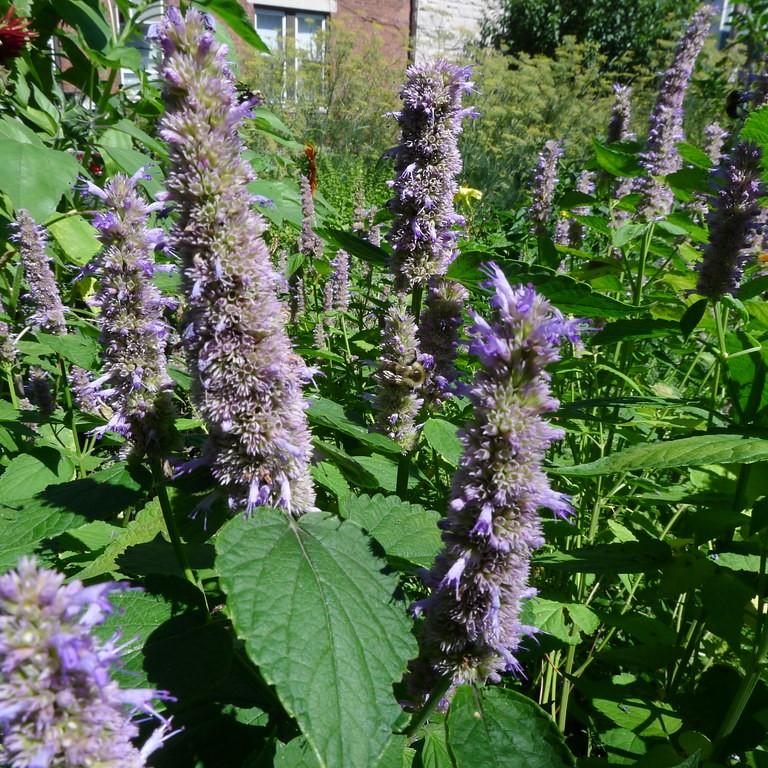
anise hyssop
Agastache foeniculum
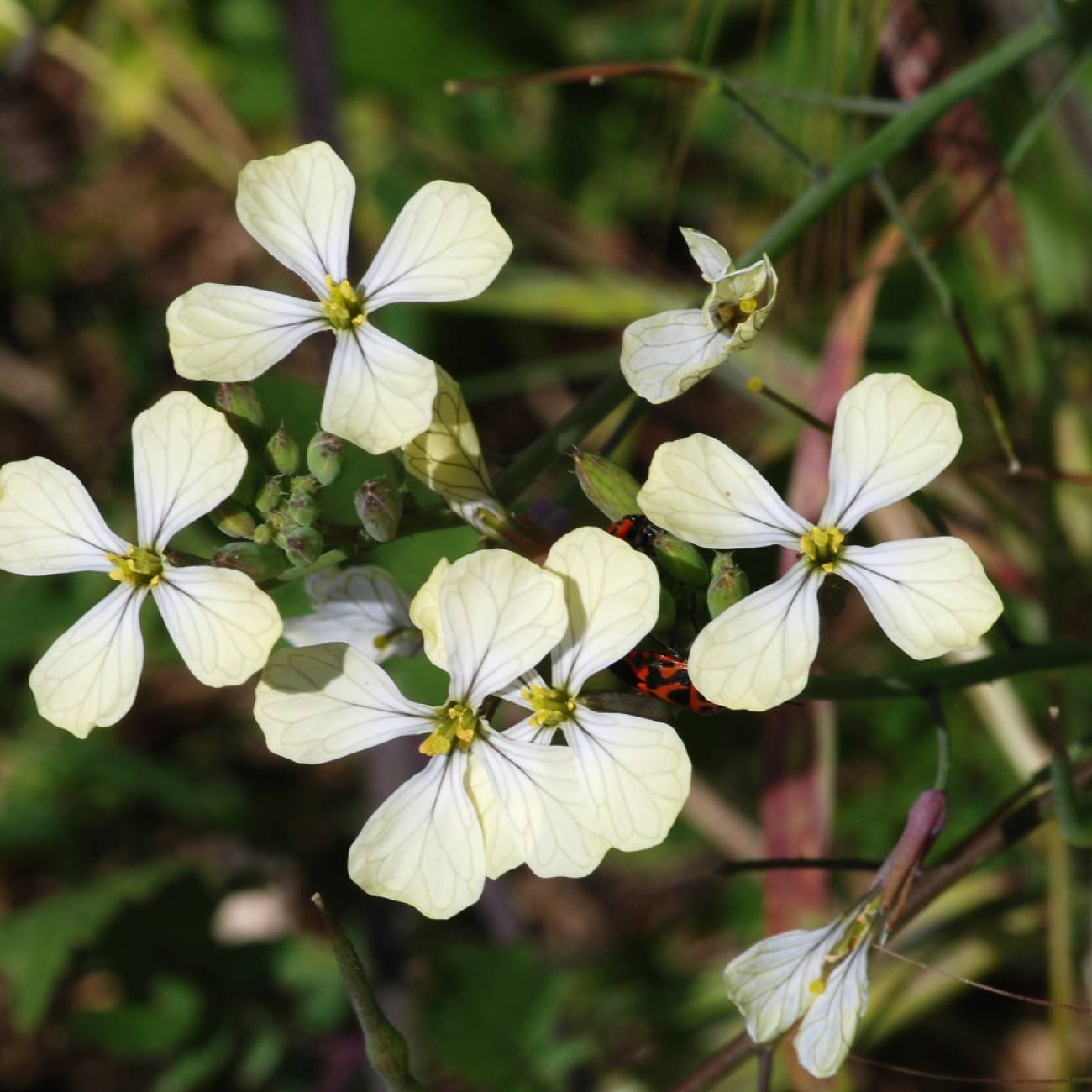
arugula
Eruca versicaria subsp. sativa
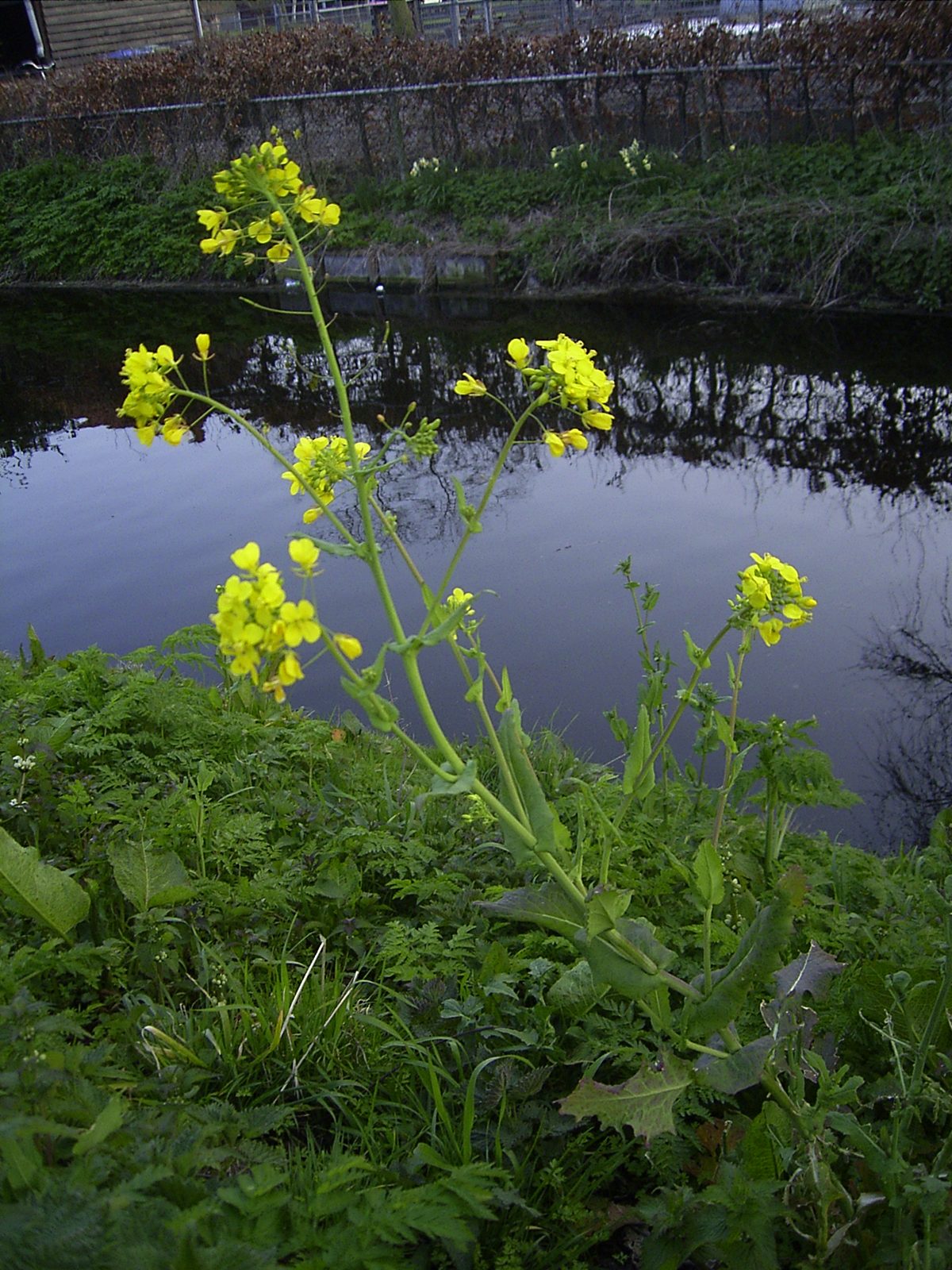
broccoli raab
Brassica rapa (Ruva Group)
butterfly pea
Clitoria ternatea
Carpathian English Walnut
Juglans regia 'Carpathian'
celeriac
Apium graveolens var. rapaceum
celeriac
Apium graveolens var. rapaceum 'Diamant'
celery
Apium graveolens var. dulce