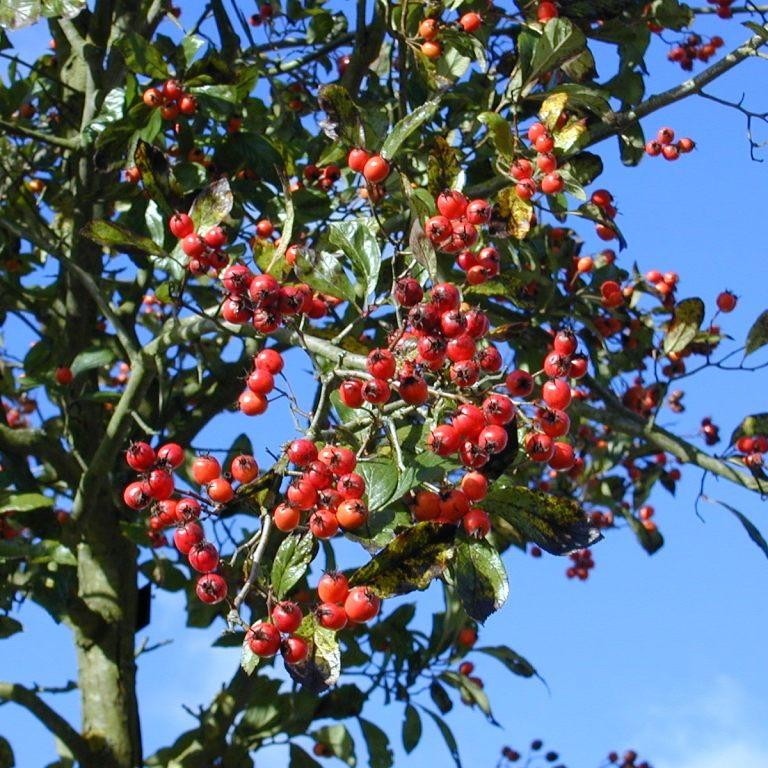
hawthorn
Crataegus lavalleei
Overview
Hawthorn (Crataegus lavalleei) is one of the most amazing species of plants out there, with its bright red fruit and stunning white flowers that bring a little bit of sunshine to any garden. This species is also noted for its medicinal properties, as it is known to contain compounds that help lower blood pressure, reduce cholesterol, and act as a diuretic. Not only is hawthorn good for your health, but it's also great for wildlife too - its flowers provide nectar for bees, and its berries provide food for birds. So not only does hawthorn add beauty to your garden, but it's also beneficial to the environment!
Care Guide
Watering
Hawthorn (Crataegus lavalleei) should be watered when the top inch (2.5 cm) of soil is dry. It's best to water thoroughly and deeply, once per week, as hawthorn prefers moist but not soggy soils. It also likes a regular misting from a garden hose or spray bottle to keep the leaves hydrated and moist.
Light
Hawthorn (Crataegus lavalleei) plants thrive in full sun, meaning they should be planted in areas that receive 6-8 hours of direct sunlight each day. It is best to provide at least 5 hours of sunlight in the morning, followed by a few hours of filtered sunlight in the afternoon. This will provide the optimum amount of sunlight for your hawthorn plant, which will encourage it to produce robust growth and generous blooms.
Temperature
Hardiness zone 4–7.
Pruning
Hawthorn (Crataegus lavalleei) can be pruned annually in mid to late winter (late December to February) while the plant is dormant. Pruning should be minimal, and should focus on removing any dead, damaged, or diseased branches. Spindly growth and overly thick growth should also be removed to allow for light penetration into the interior of the shrub. Light pruning of the shrubs back will also help keep them manageable and in shape. It is best not to prune more than 1-third of the hawthorn shrub each year.
Propagation
Air Layering Propagation, Grafting Propagation, Cutting, Seed Propagation
Uses & Symbolism
Attracts: Birds, Butterflies.
Related plants
Other plants you might like if you grow hawthorn.
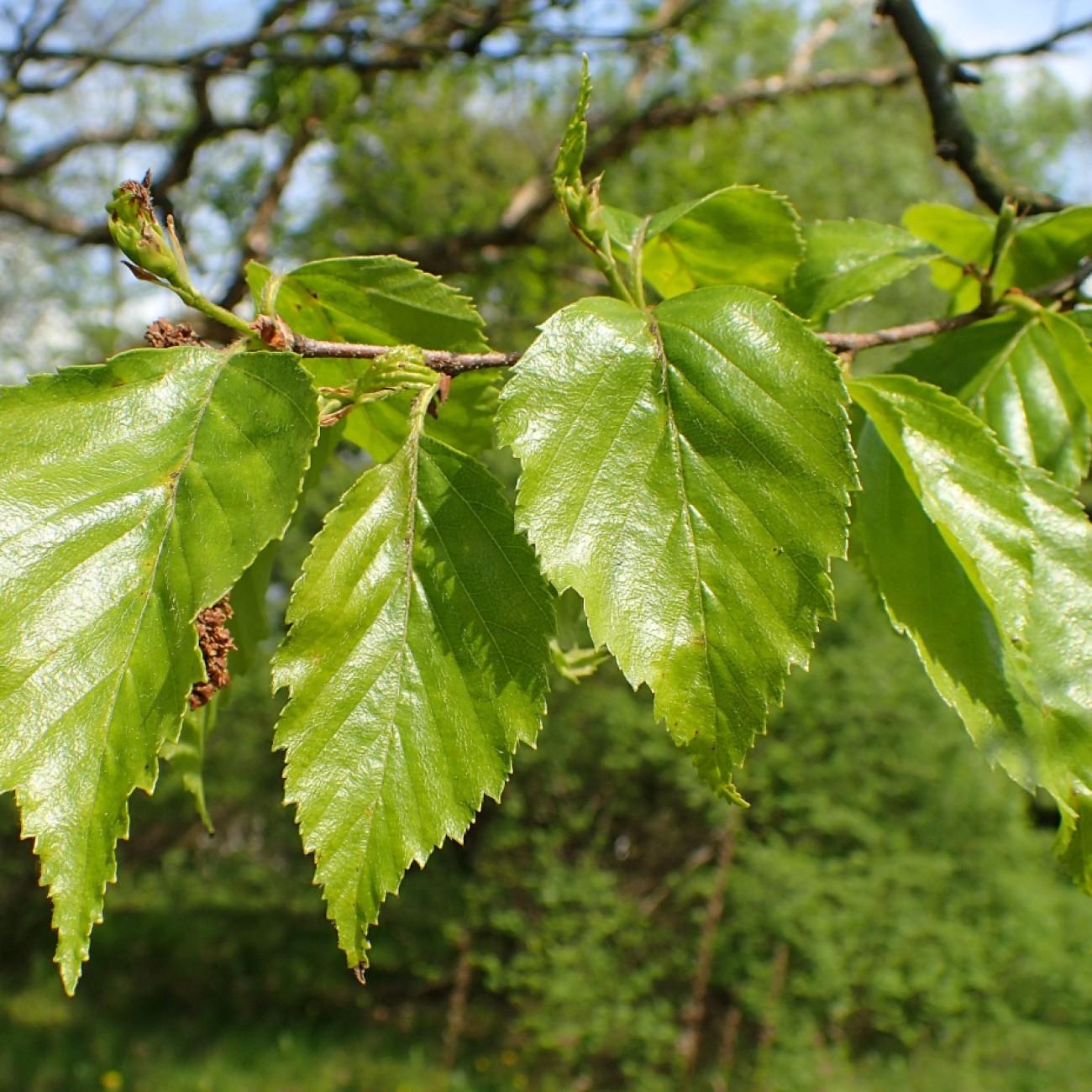
Asian black birch
Betula dahurica
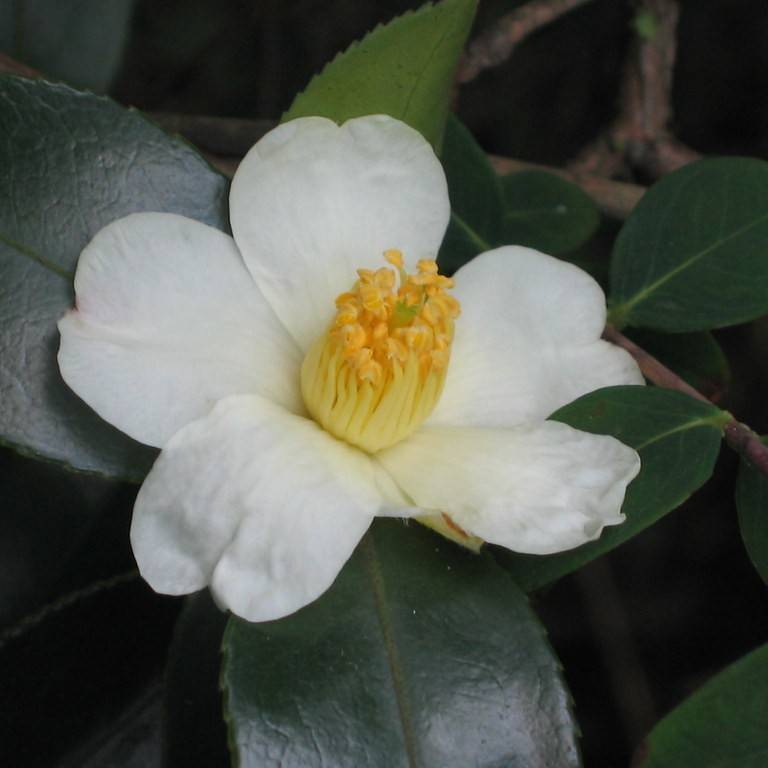
camellia
Camellia oleifera
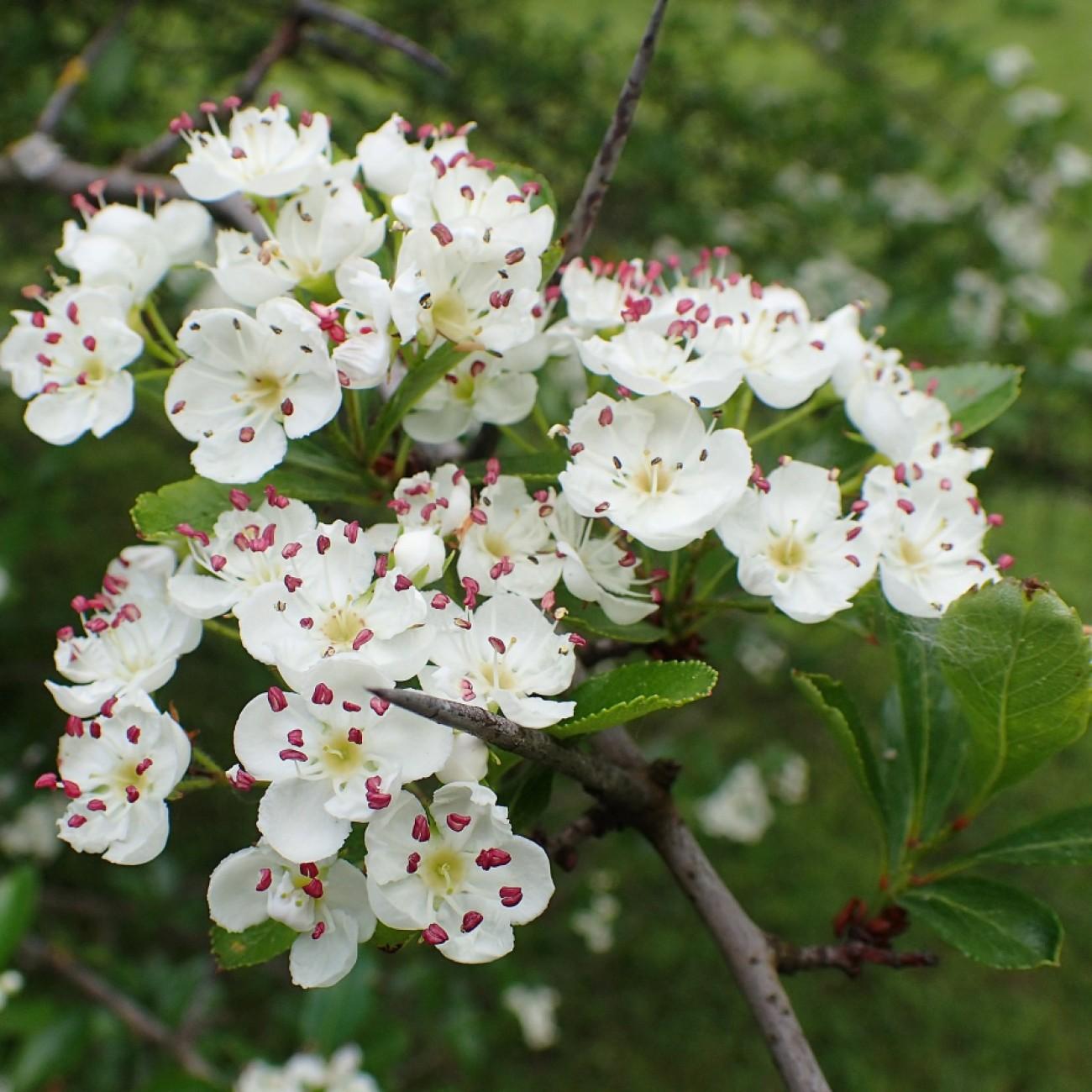
cockspur thorn
Crataegus crus-galli 'Cruzam' CRUSADER
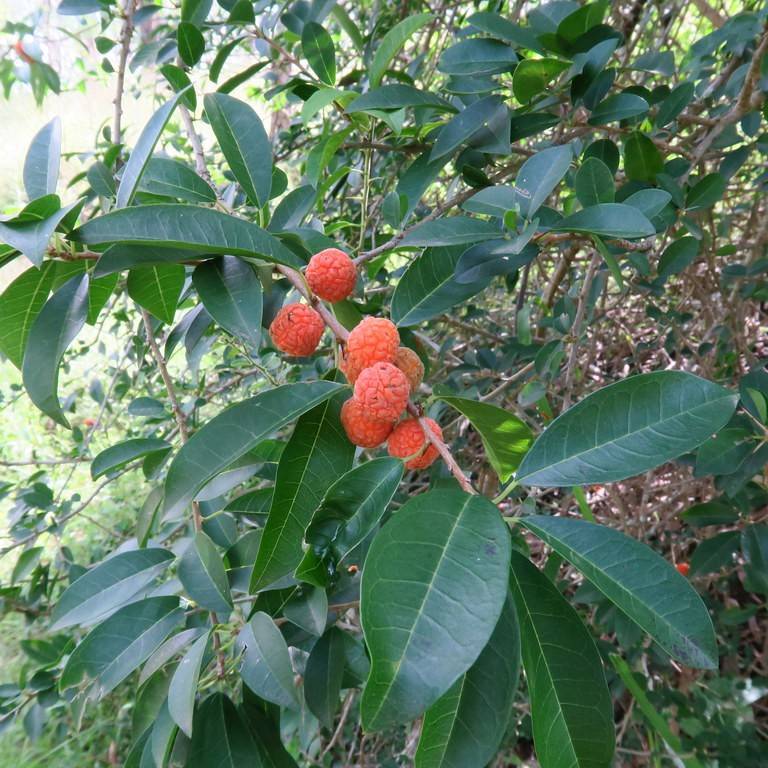
cockspur thorn
Crataegus crus-galli (thornless form)
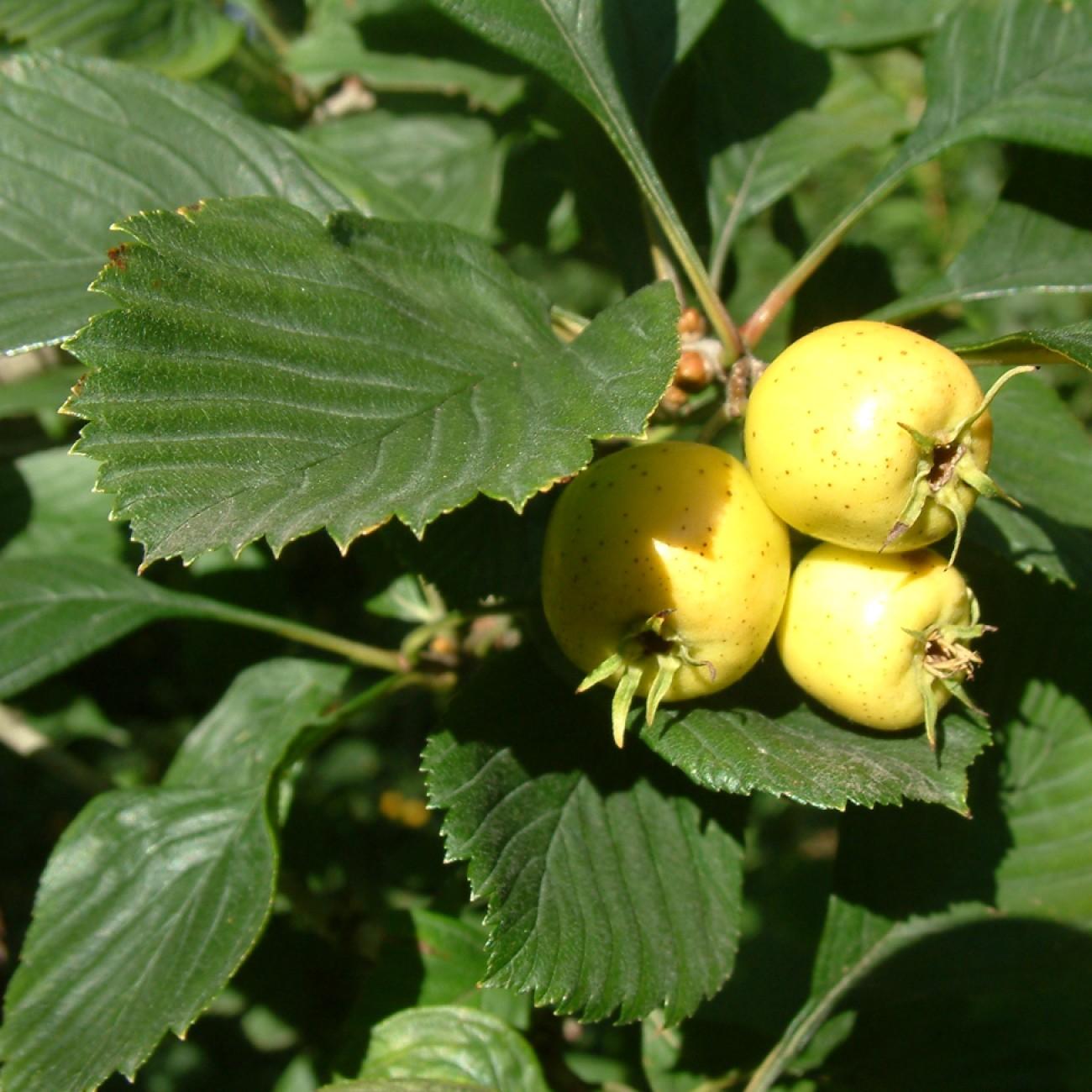
hawthorn
Crataegus punctata 'Ohio Pioneer'
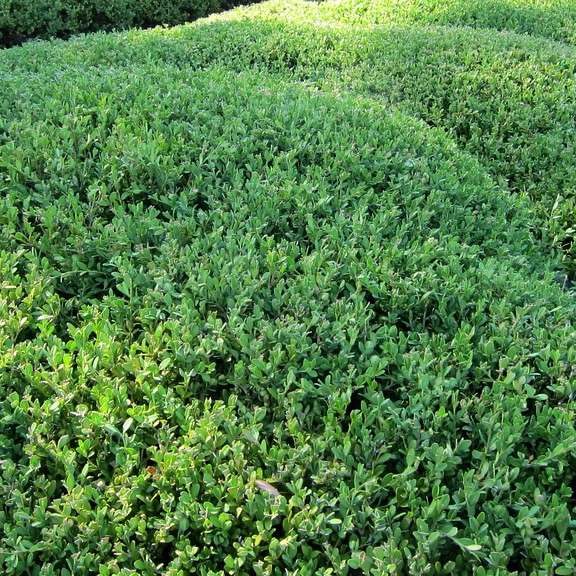
Korean boxwood
Buxus sinica var. insularis
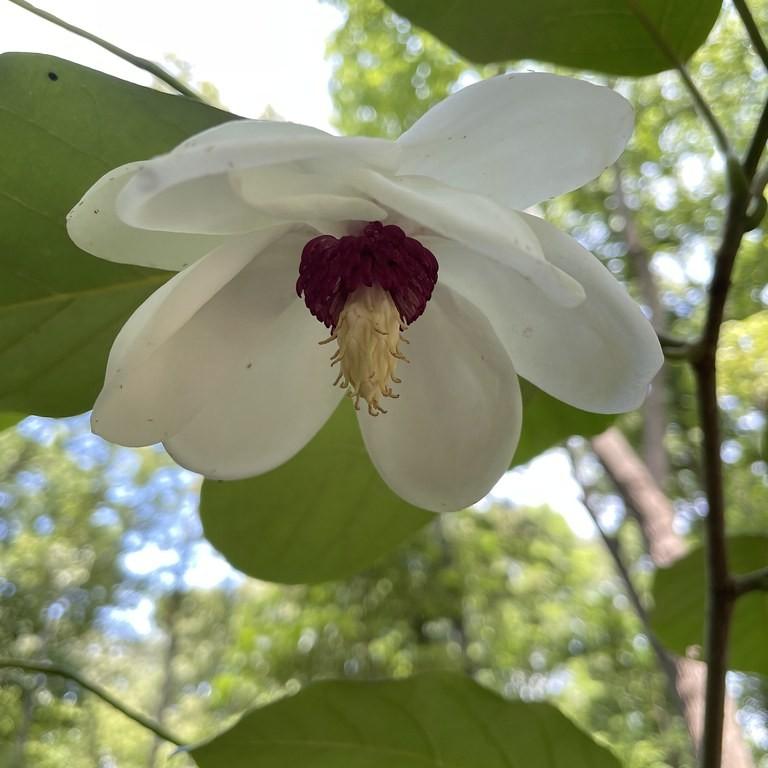
Oyama Magnolia
Magnolia sieboldii
Royal Empress Tree
Paulownia tomentosa