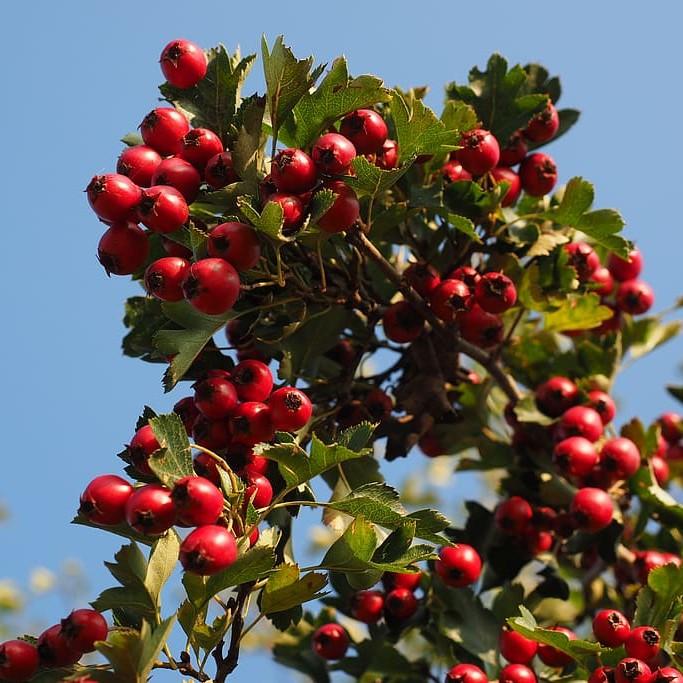
hawthorn
Crataegus nitida
Overview
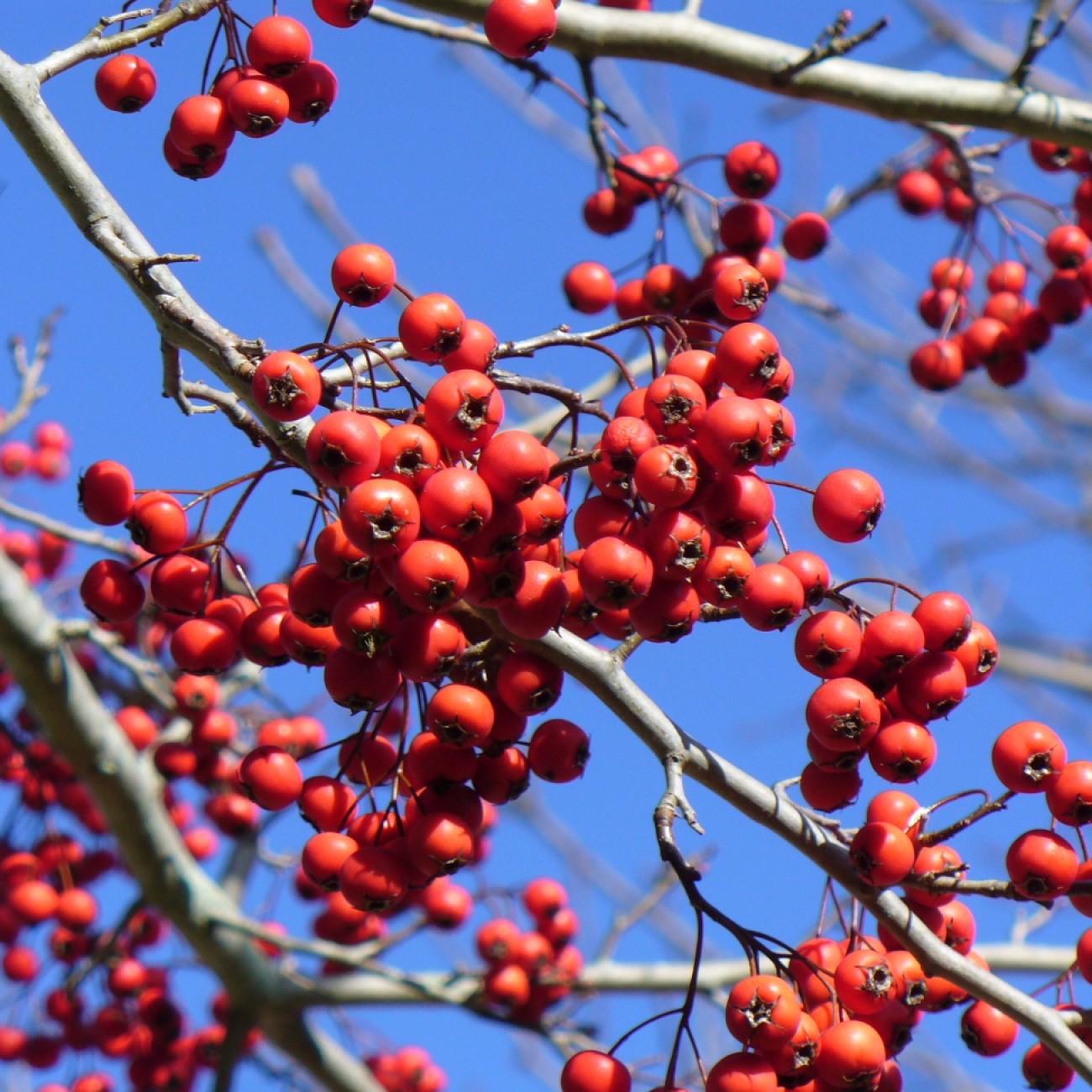
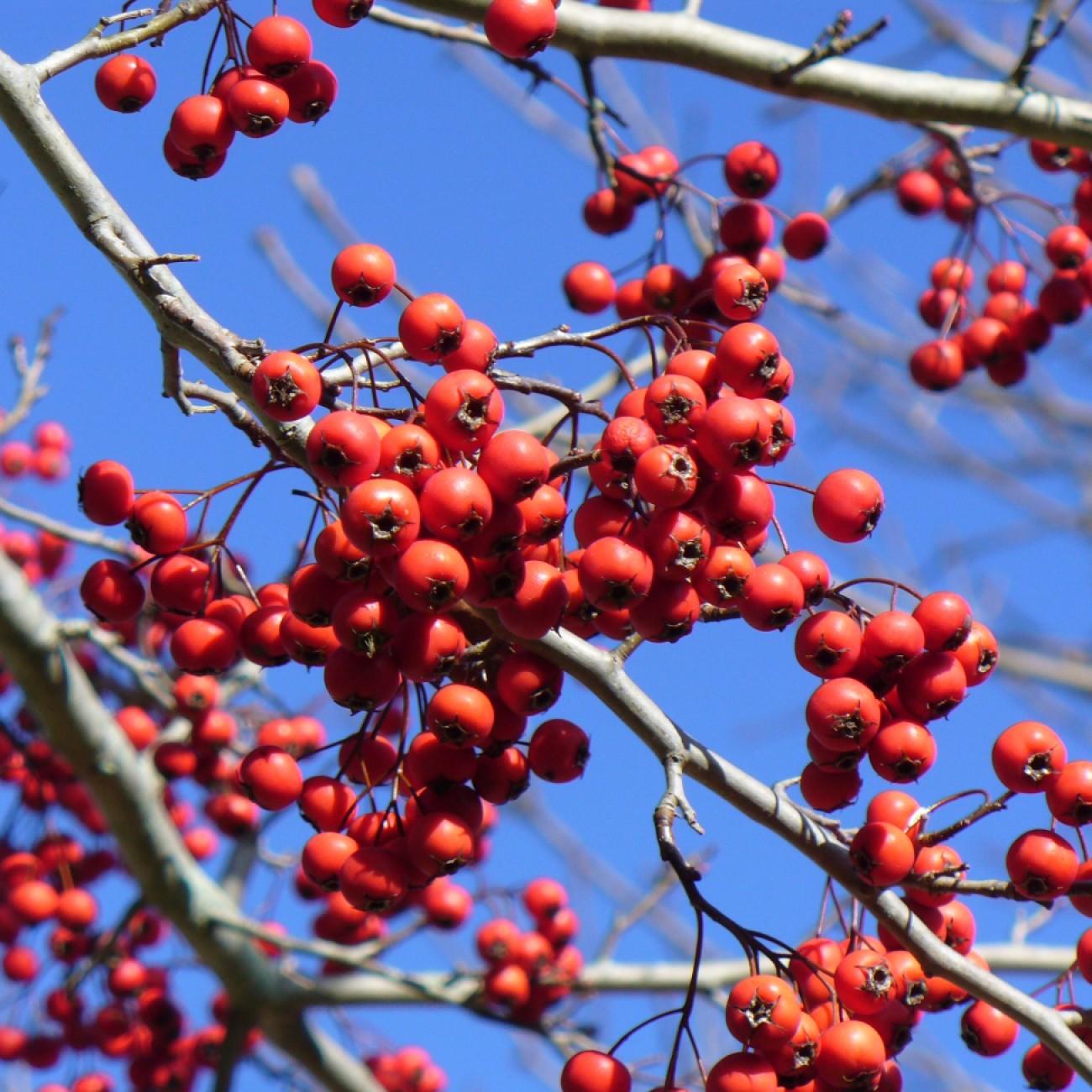
Hawthorn (Crataegus nitida) is an amazing plant that offers a wide range of benefits. Its vigorous growth habit and resistance to disease make it an excellent choice for a hedge or smaller screen. Its lovely white flowers and bright red berries in the late summer and fall are eye-catching and provide a nice contrast to other plants. Once established, it is quite drought tolerant. Hawthorn is also highly valued for its medicinal uses; the leaves, berries, and flowers can all be used to make remedies for various ailments. It's a great addition to any landscape!
Care Guide
Watering
Hawthorn (Crataegus nitida) should be watered deeply whenever the top few inches of soil feel dry. Water deeply each time you water and stop when water flows out of the drainage hole. Avoid overwatering this plant as it can lead to root rot. For most Hawthorn species, watering should be done once every 10 to 14 days during the growing season. During the winter months, when the hawthorn is dormancy, water only every 4 to 6 weeks.
Light
Hawthorn (Crataegus nitida) plants prefer full sun or light shade. They need at least 6-8 hours of sunlight a day in late spring, summer, and early fall. In the winter months, provide at least 3-4 hours of direct sunlight and the rest should be light shade. Avoid direct afternoon sun in summer as it often gets too hot for the delicate leaves.
Temperature
Hardiness zone 5–7.
Pruning
For Hawthorn (Crataegus nitida), pruning is essential to maintain its shape, promote healthy growth, and preserve its ornamental value. Pruning of hawthorn should occur twice a year during the late winter/early spring and the summer/early fall. During the late winter/early spring, plan to remove any crossed branches, any that are too large and dominant, or those that may have been damaged during the winter season. During the summer/early fall, plan to thin out stem density, prune weak and narrow branching, and also remove any shoots that have grown at the base of the shrub. Be sure to keep a balanced, natural-looking shape when pruning.
Propagation
Air Layering Propagation, Grafting Propagation, Cutting, Seed Propagation
Uses & Symbolism
Attracts: Birds, Butterflies.
Related plants
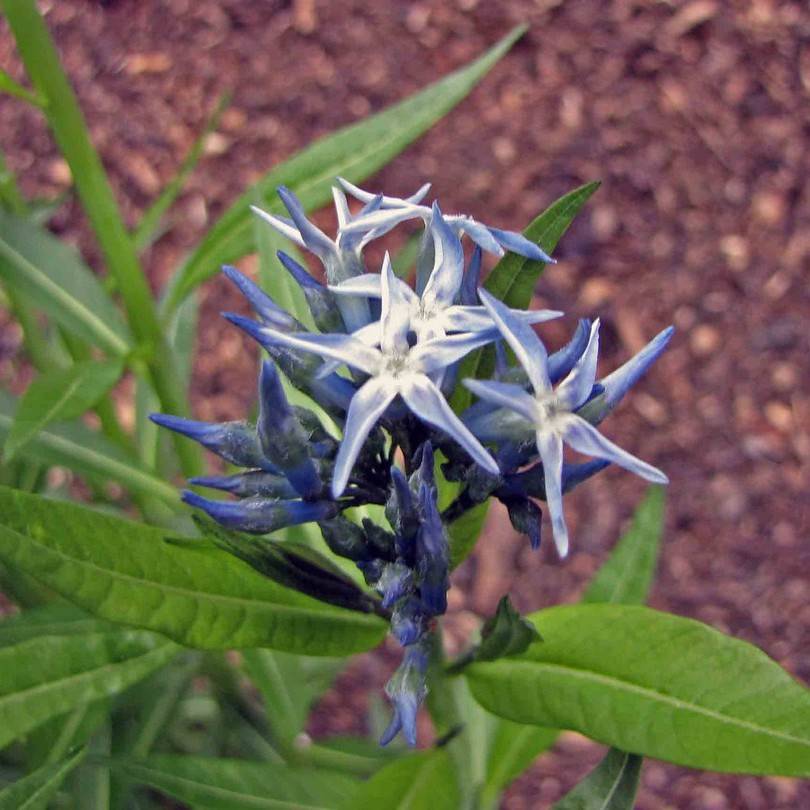
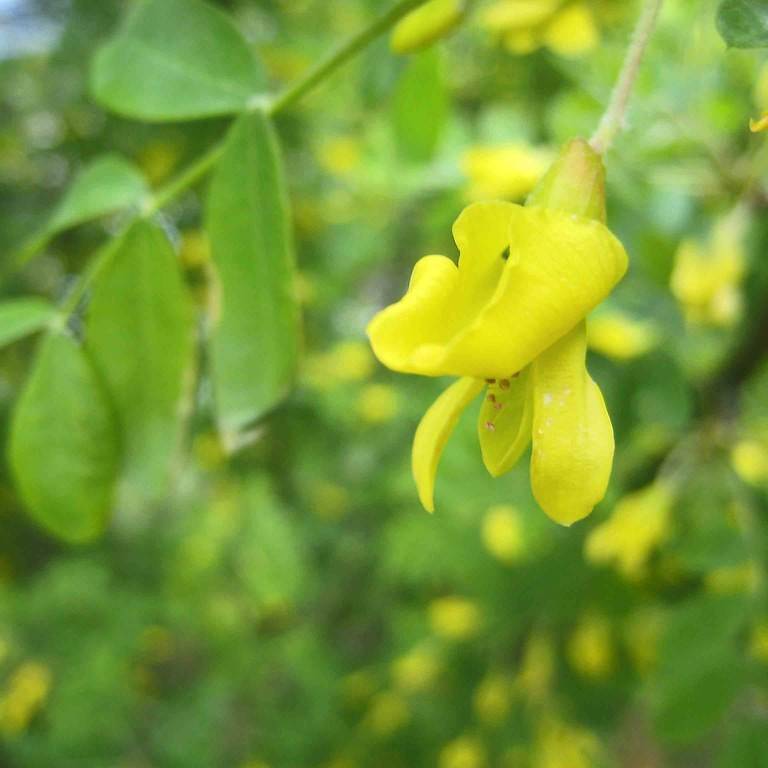
Other plants you might like if you grow hawthorn.