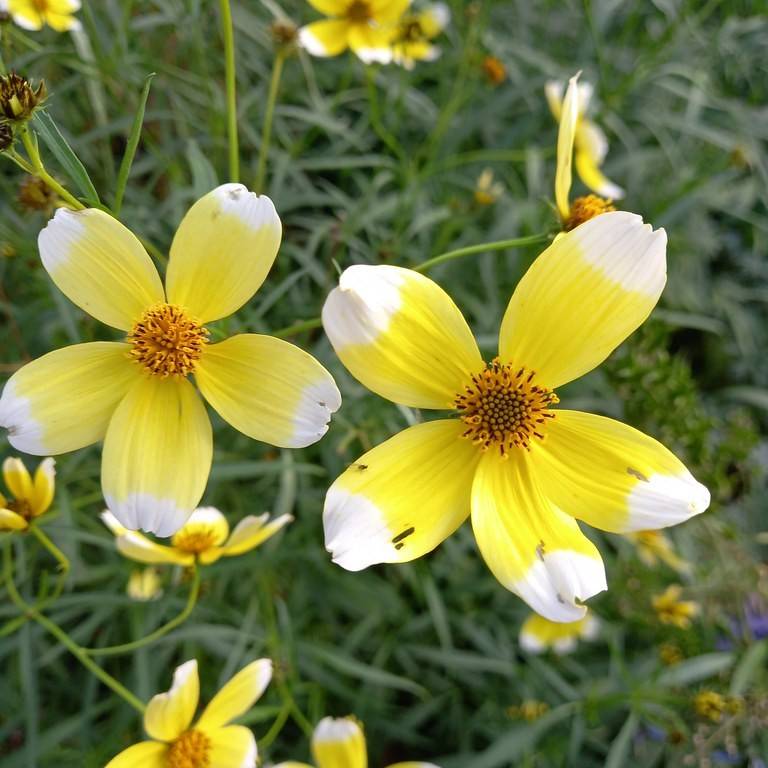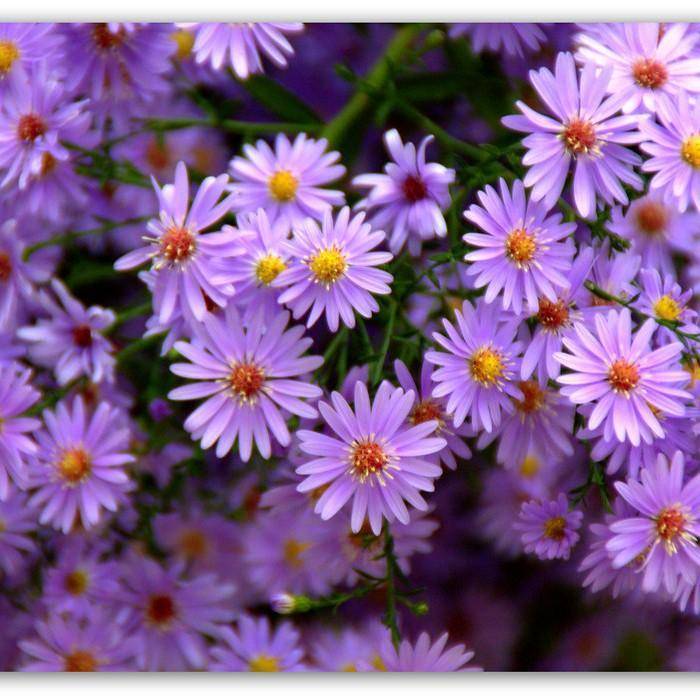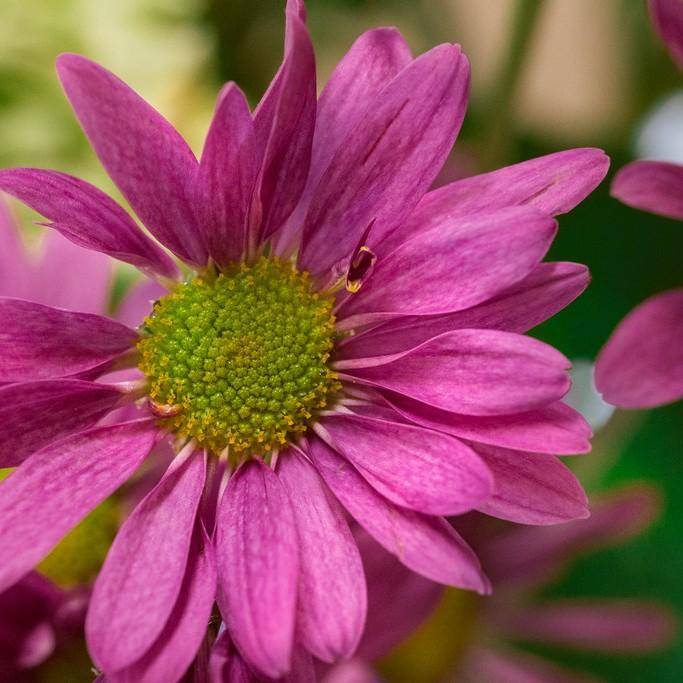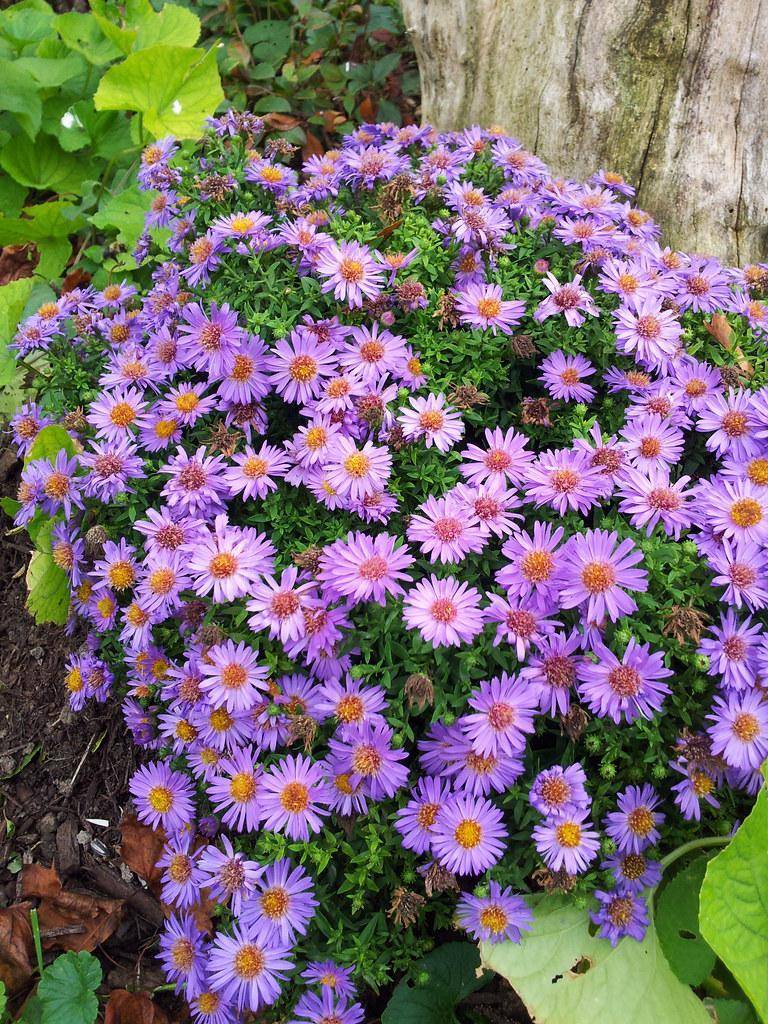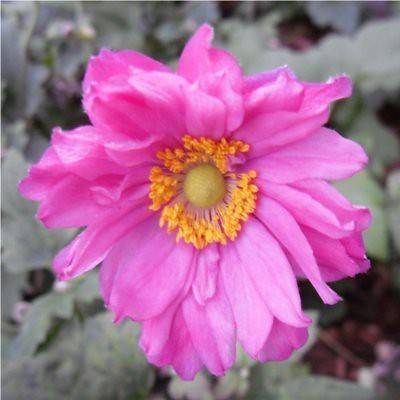
Japanese anemone
Anemone hupehensis var. japonica 'Pamina'
Overview
The Japanese anemone (Anemone hupehensis var. japonica 'Pamina') has outstanding beauty and longevity. It produces delicate pink and white flowers five inches wide in fall that contrast with finely textured foliage. The foliage persists through winter creating interest in the garden. This plant grows in clumps, creating a lush effect and its petals close at night and in cold weather, creating a graceful transformation. In addition to its beauty, Japanese anemone is also exceptionally easy to care for. It is tolerant of a range of soil types and is low maintenance requiring minimal pruning. Plus, it's deer resistant and drought tolerant making it the perfect addition to any garden.
Care Guide
Watering
Water your Japanese anemone (Anemone hupehensis var. japonica 'Pamina') twice a week during the growing season, which is normally from late spring to early fall. When watering, make sure to provide a deep soaking so that the soil is thoroughly moist. During periods of extreme heat, water may be needed more often. During winter, reduce the water frequency as the plant goes dormant.
Light
Japanese Anemone (Anemone hupehensis var. japonica 'Pamina') thrives best in locations that receive at least 4 to 6 hours of direct, unfiltered sunlight each day. This amount of sun exposure is most appropriate during the warmest part of the day, typically from late morning until mid-afternoon, when the sun is at its brightest and hottest. In more shaded areas, the plant will still produce blooms, but the bloom size and quantity may be impacted.
Temperature
Hardiness zone 5–8.
Pruning
Japanese anemone (Anemone hupehensis var. japonica 'Pamina') should be pruned in early spring. Pruning should be done to remove winter-killed stems and any old, woody, or unruly growth. The spent flower stalks can also be cut back to the ground at this time. Pruning should be limited to an overall light trim, as the plant responds to full pruning better when done as several light prunings throughout the season.
Propagation
Division, Root Cutting, Seed Propagation, Layering Propagation
Related plants
Other plants you might like if you grow Japanese anemone.