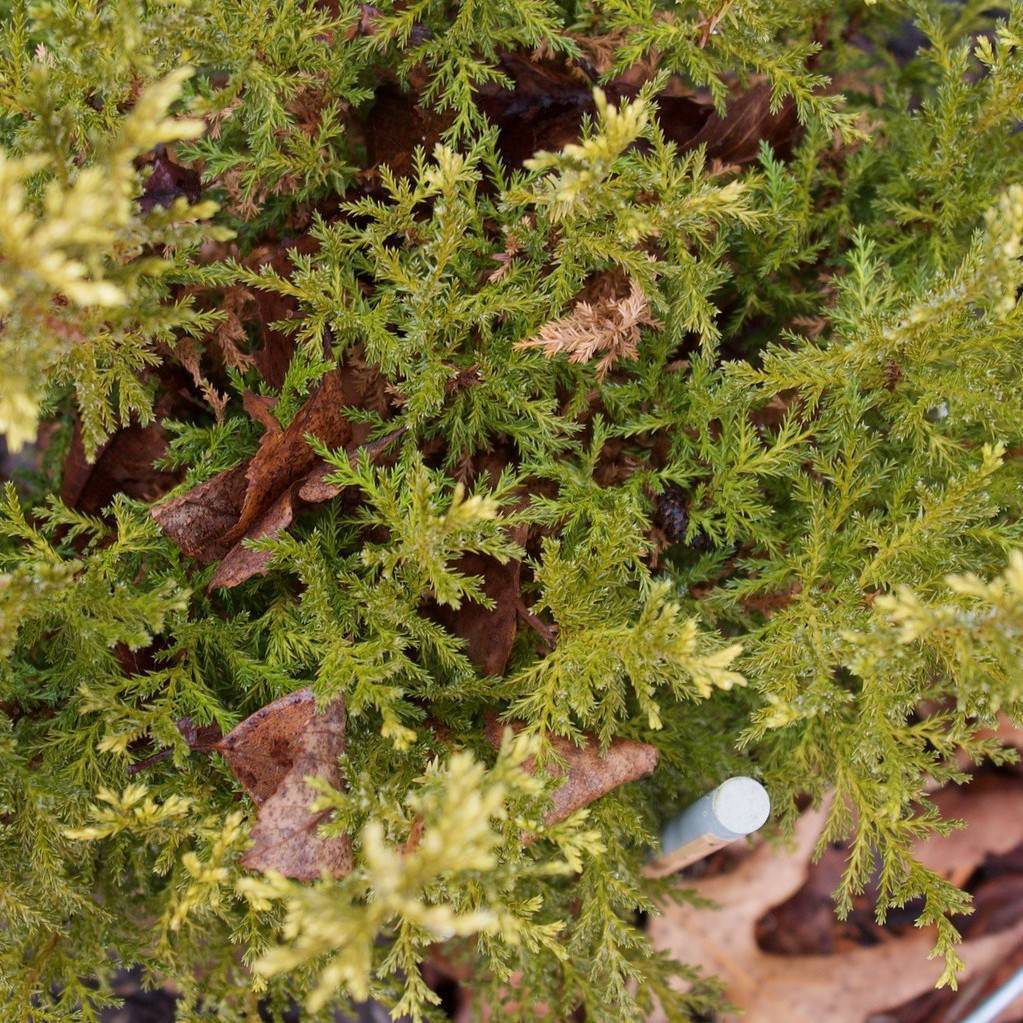
Japanese falsecypress
Chamaecyparis pisifera 'Cream Ball'
Overview
The Japanese falsecypress (Chamaecyparis pisifera 'Cream Ball') is an attractive evergreen shrub with an amazing and unique coloration. It has small, star-shaped sprays of bright yellow-green foliage that matures to a cream color. This soft hue makes it a great choice for areas needing bright spots of color. It is also very easy to maintain and requires very little pruning or maintenance. It grows well in sunny or partly shaded areas and is incredibly disease and pest-resistant, further ensuring its low-maintenance appeal. It is a wonderful addition to any landscaping design.
Care Guide
Watering
Japanese falsecypress (Chamaecyparis pisifera 'Cream Ball') should be watered well during the summer months, with the soil kept damp, but not wet. During the winter months, water only when the soil is dry to the touch. If the soil is allowed to dry out completely between waterings, the falsecypress may become more susceptible to diseases and pests. During periods of extreme heat, additional watering may be necessary. As a general guideline, provide around an inch of rainfall or irrigation per week.
Light
Japanese falsecypress (Chamaecyparis pisifera 'Cream Ball') requires full sun for at least 4 to 6 hours each day. The amount of sunlight needed may vary based on location and climate. In cooler climates, it may need more light than in warmer climates. During its growth season, the plant needs bright light in order to grow and flower well. In the winter, the plant typically thrives in bright but indirect light. During periods of extreme heat, it is best to provide some shade, otherwise the plant may become damaged.
Temperature
Hardiness zone 4–4.
Pruning
Japanese falsecypress (Chamaecyparis pisifera 'Cream Ball') usually requires pruning once a year, preferably in spring. Pruning should be done after new growth has begun, generally in April or May. Pruning should be kept to a minimum, as this species only requires light pruning to remove dead or damaged branches, as well as shaping the shrub to the desired form. Pruning can also be done to reduce the size of the shrub as needed.
Propagation
Cutting, Grafting Propagation, Layering Propagation, Seed Propagation
Diseases & Pests
Common pests: Pest resistant, Disease resistant.
Related plants
Other plants you might like if you grow Japanese falsecypress.
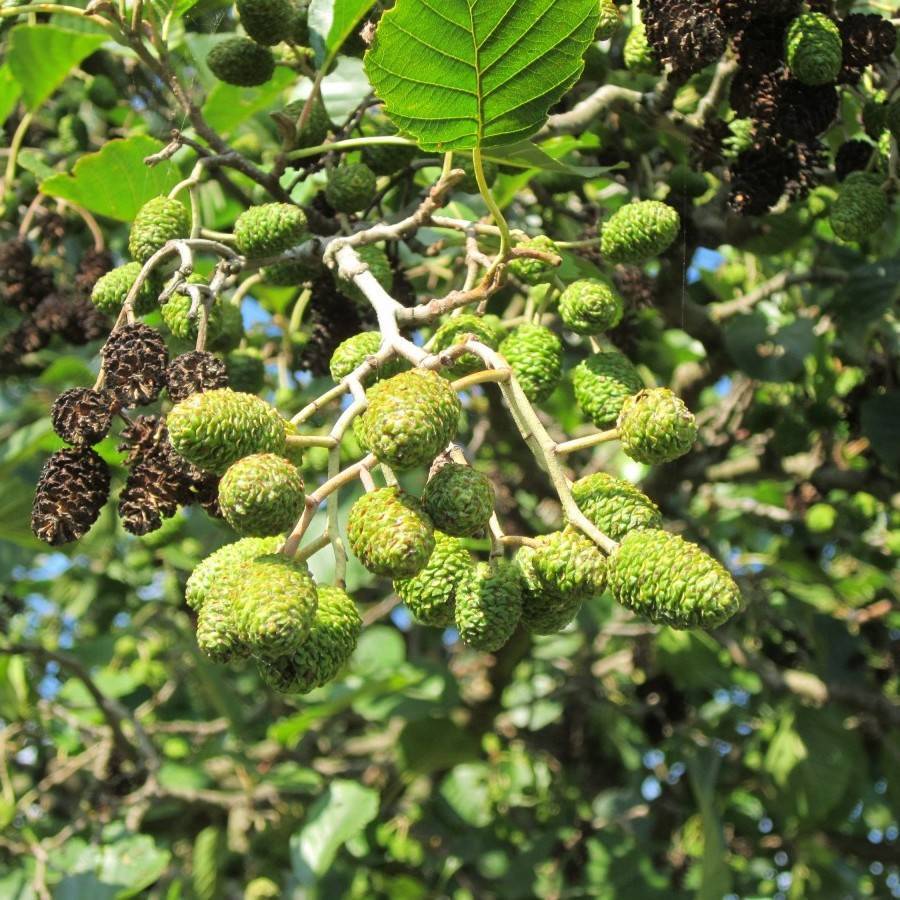
alder
Alnus mayrii
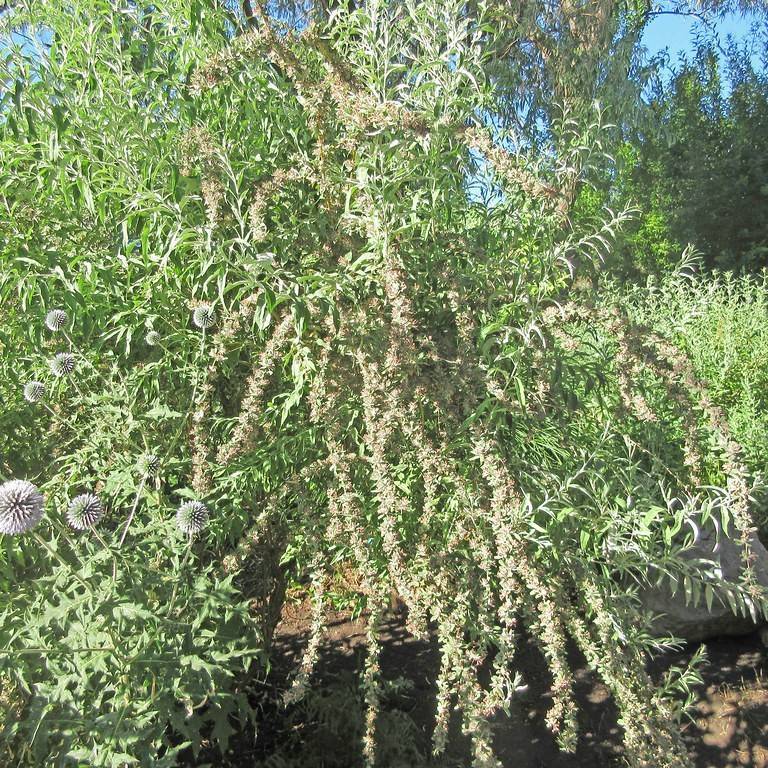
alternate-leaved butterfly bush
Buddleja alternifolia
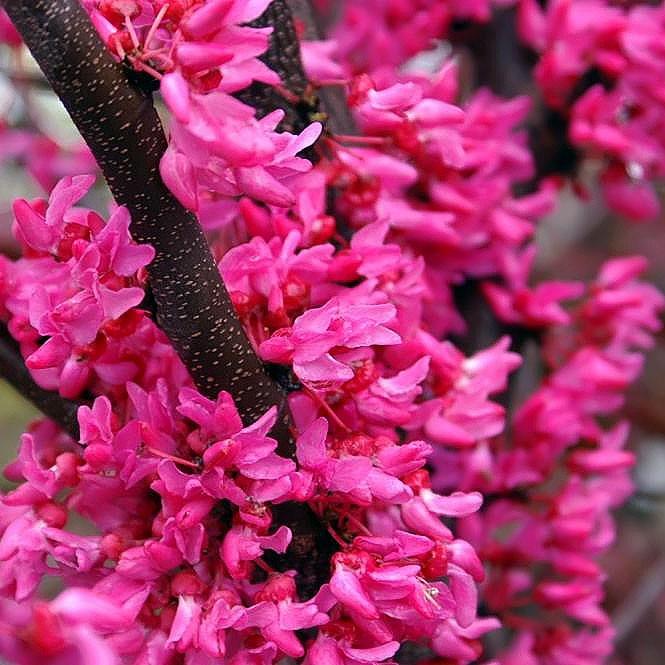
Appalachian Red Redbud
Cercis canadensis 'Appalachian Red'
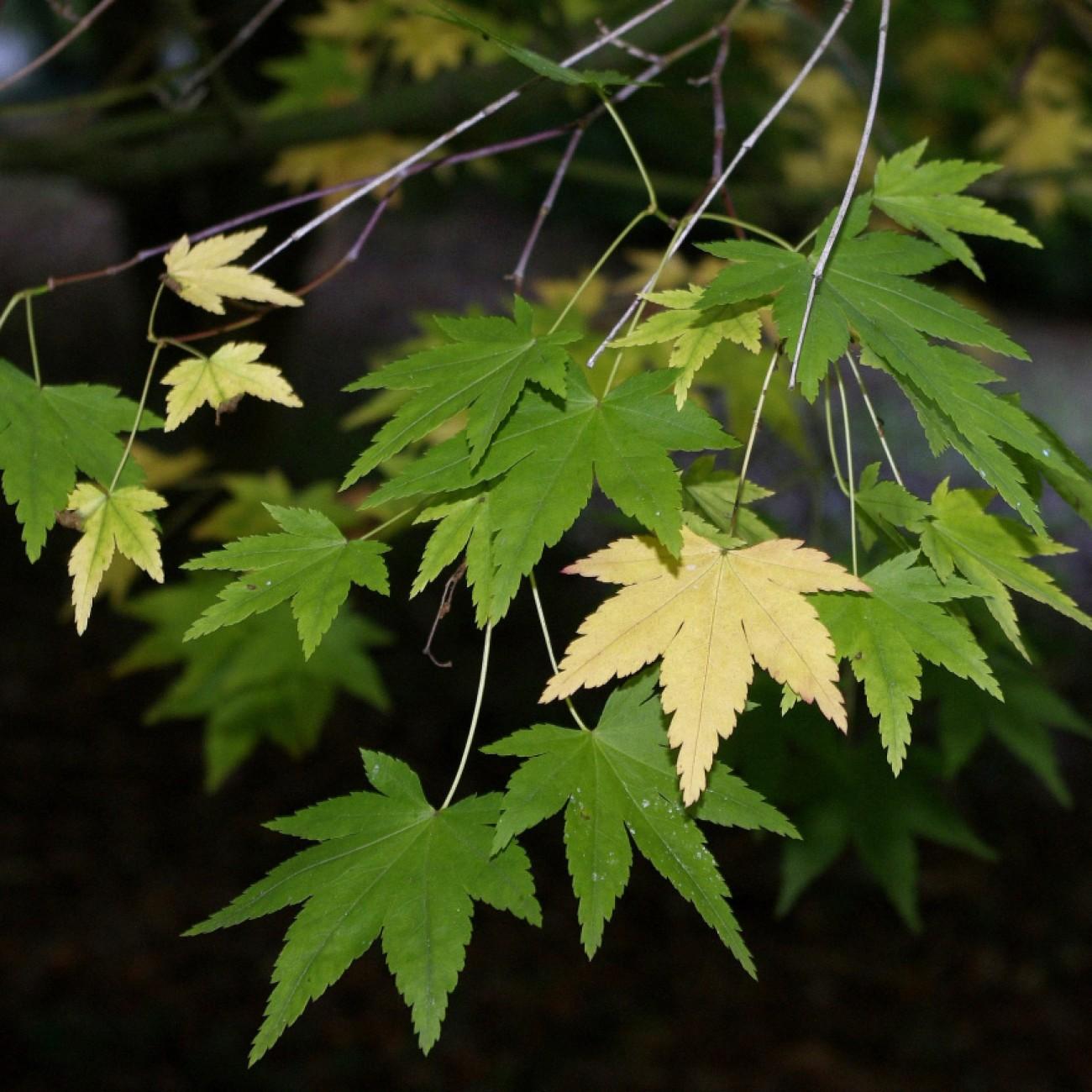
Arakawa Cork Bark Japanese Maple
Acer palmatum 'Arakawa'
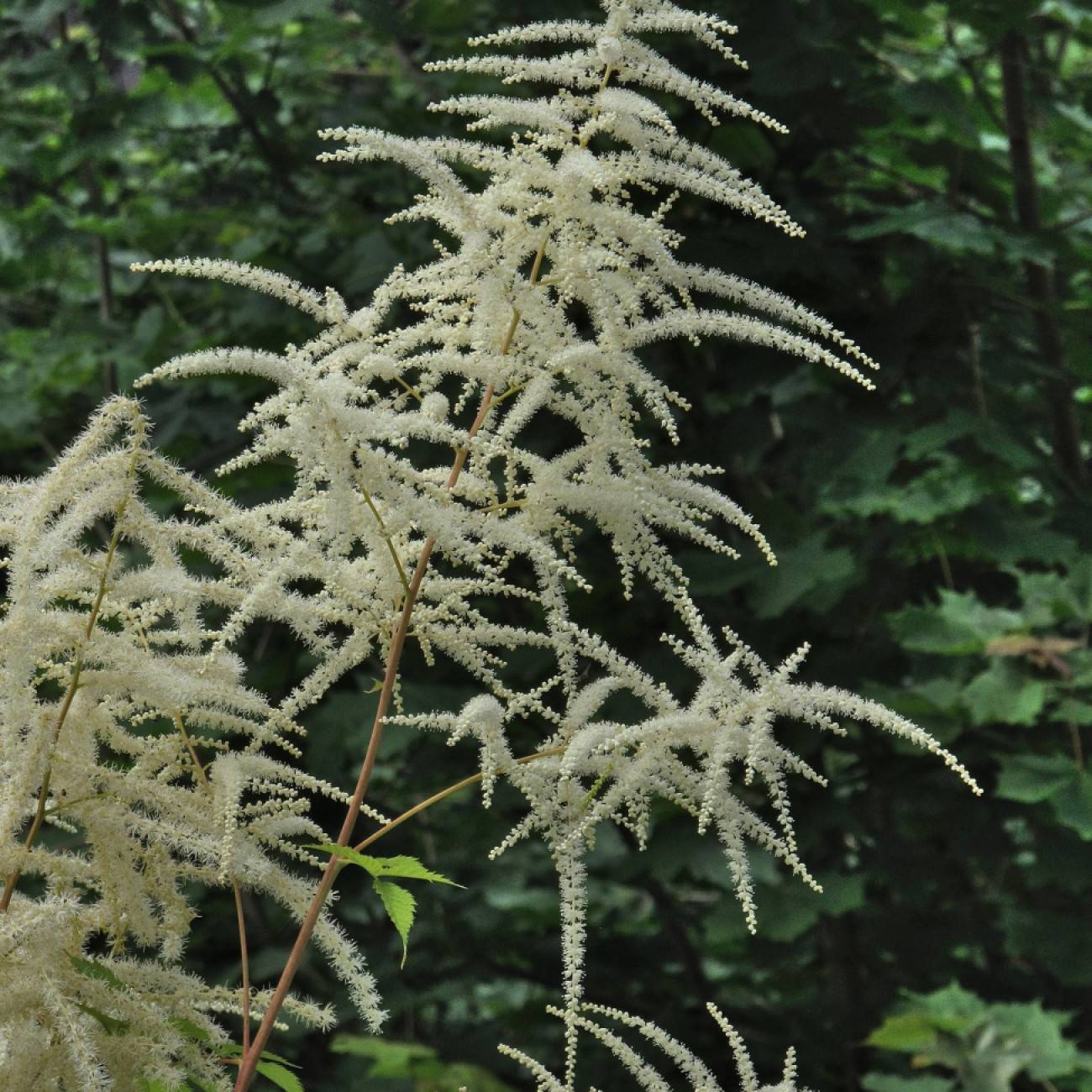
aruncus
Aruncus 'Horatio'
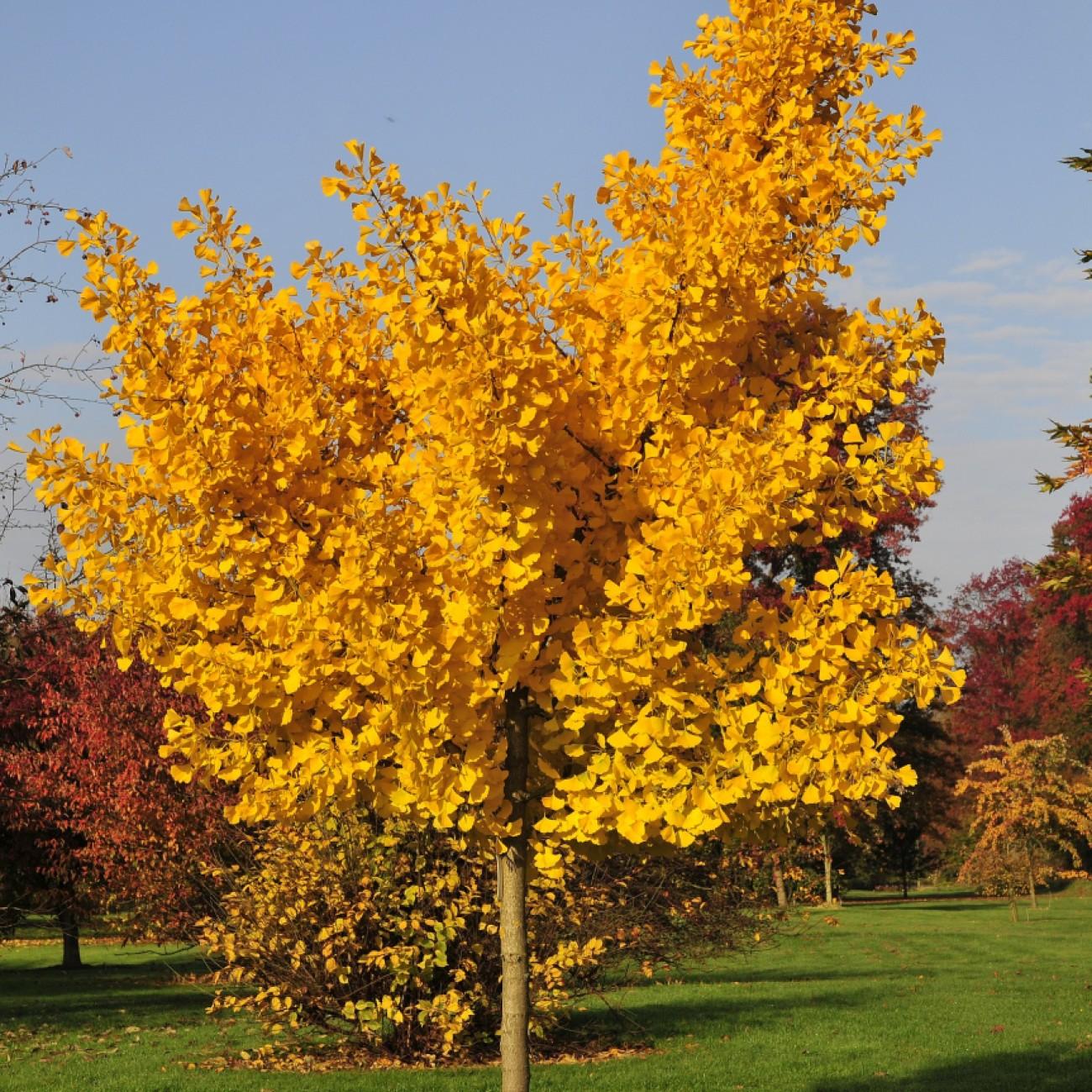
Autumn Gold Ginkgo
Ginkgo biloba 'Autumn Gold'
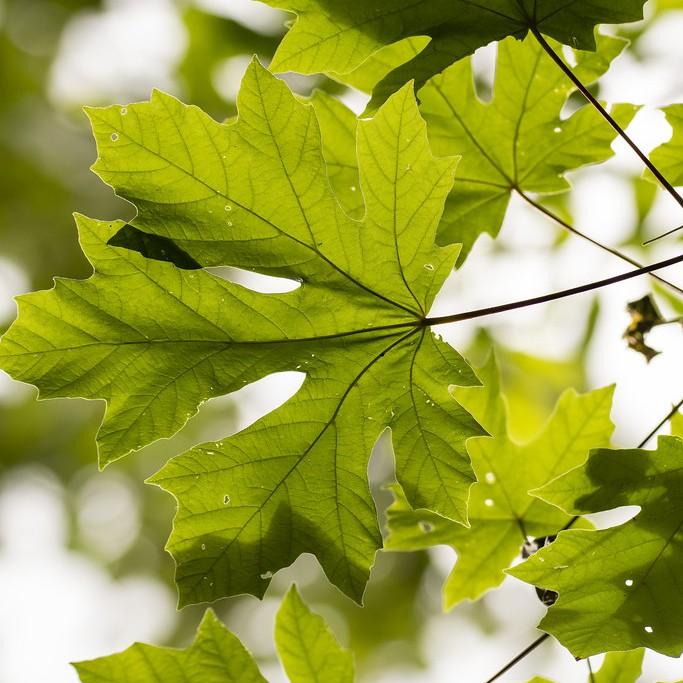
Big Leaf Maple
Acer macrophyllum
Black Gum
Nyssa sylvatica