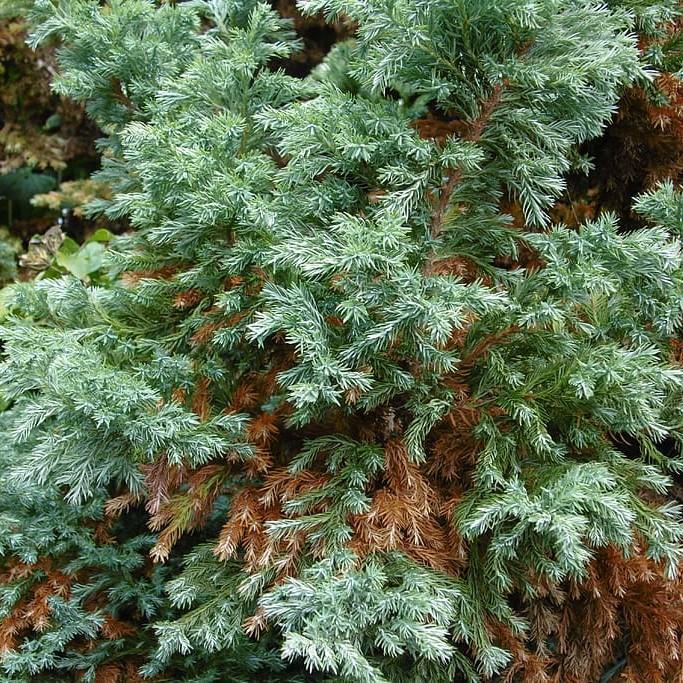
Japanese falsecypress
Chamaecyparis pisifera 'Curly Tops'
Overview
Japanese falsecypress (Chamaecyparis pisifera 'Curly Tops') is an evergreen tree that is native to Japan and its neighbouring regions. It is easy to recognise with its tight, rounded, soft, curly foliage that stays bright and green all year around. Furthermore, its bright golden new growth in the spring adds a vivid pop of colour to the garden. This species is very popular in the gardening industry due to its low maintenance and its ability to survive in various climates and soil conditions. Suitable for both part sun and full sun and uv light, it can easily be spotted in landscapes. With its stunning colour and low maintenance, Japanese falsecypress (Chamaecyparis pisifera 'Curly Tops') makes an amazing option for creating a year round statement in your garden.
Care Guide
Watering
Japanese falsecypress should be watered once a week, and only to the point where the soil is lightly damp - not more than 1 inch below the surface of the soil. The water should soak through the full depth of the soil, but it should not become soggy. Make sure not to overwater the plant as this can lead to root rot and other problems. If the plant is container-grown, you should water until it begins to drip out of the drainage holes.
Light
Japanese falsecypress (Chamaecyparis pisifera 'Curly Tops') grows best in full sun to partial shade. The plant prefers 4-6 hours of direct sunlight each day, with morning sun being best. Too much direct sunlight can burn the foliage, so it's important to provide adequate protection from the hottest hours of the day. It's best to plant this shrub in an area that gets some shade in the afternoon. Planting it in light shade is also an option, but the foliage may become less vibrant.
Temperature
Hardiness zone 4–4.
Pruning
Japanese falsecypress (Chamaecyparis pisifera 'Curly Tops') should be pruned in the early spring, around March or April. Generally, yearly pruning is sufficient, however if the plant has become overgrown, a heavier pruning may be necessary. Pruning should be done gradually over a period of a few years to achieve the desired shape and size. Remove overlong branches and trim to the desired form, then remove small, dying branches and deadwood to bring out desired colour effects and improve air circulation. When trimming, always make clean, angled cuts to help promote healthy regrowth.
Propagation
Cutting, Grafting Propagation, Layering Propagation, Division, Seed Propagation
Diseases & Pests
Common pests: Pest resistant, Disease resistant.
Related plants
Other plants you might like if you grow Japanese falsecypress.
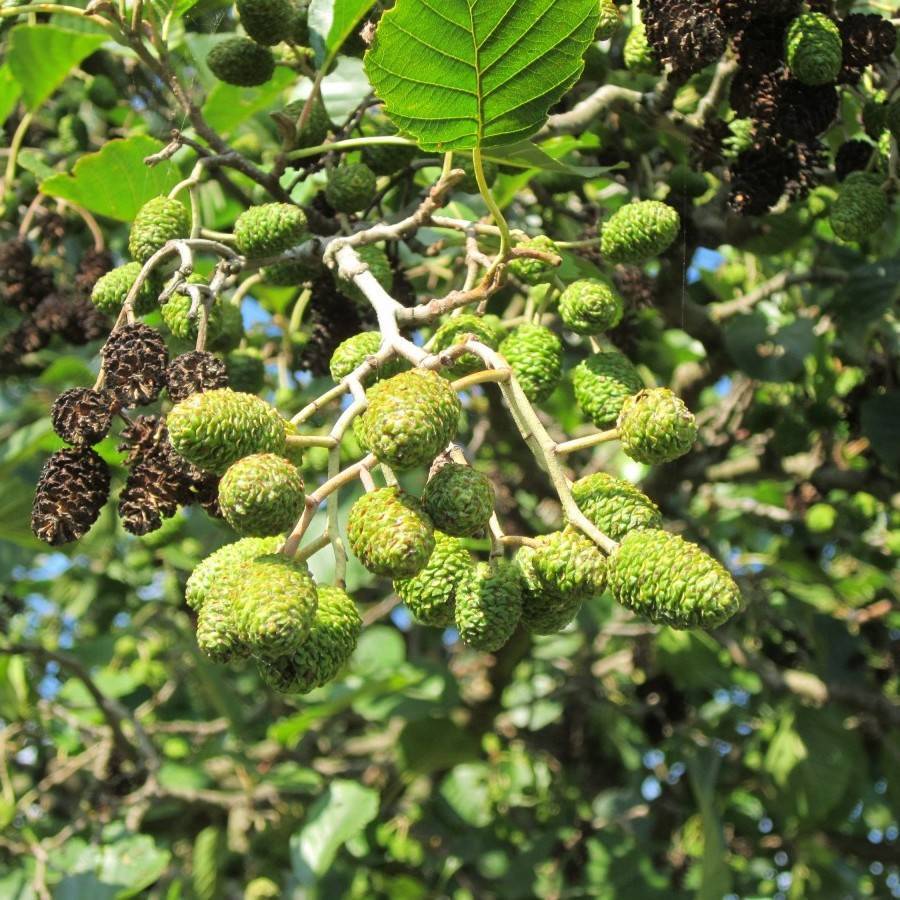
alder
Alnus mayrii
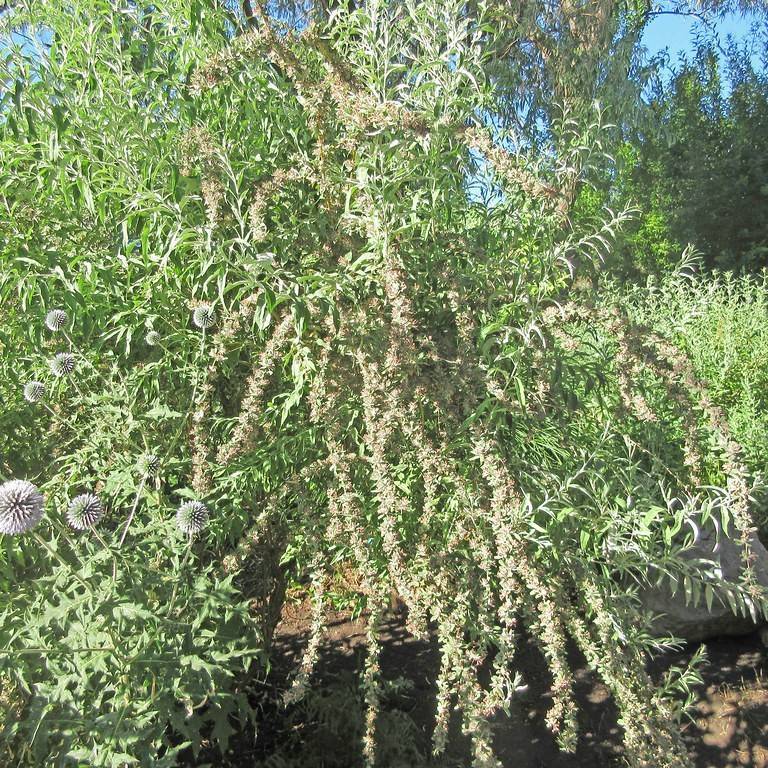
alternate-leaved butterfly bush
Buddleja alternifolia
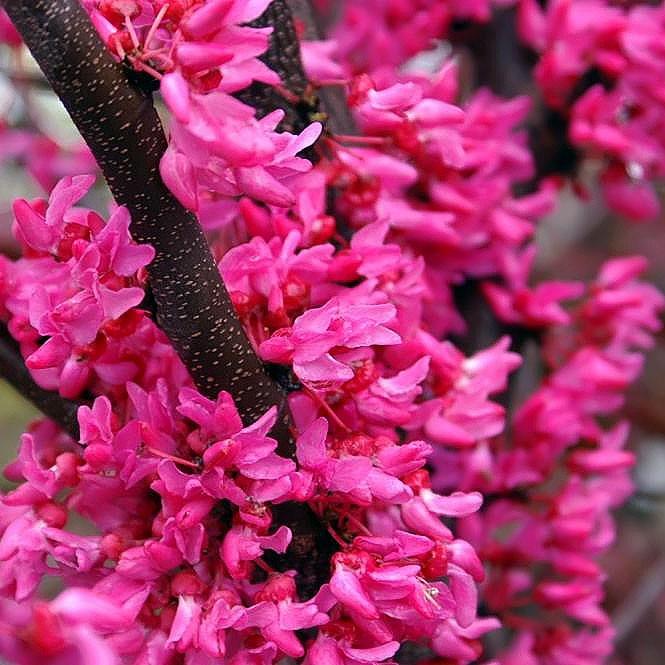
Appalachian Red Redbud
Cercis canadensis 'Appalachian Red'
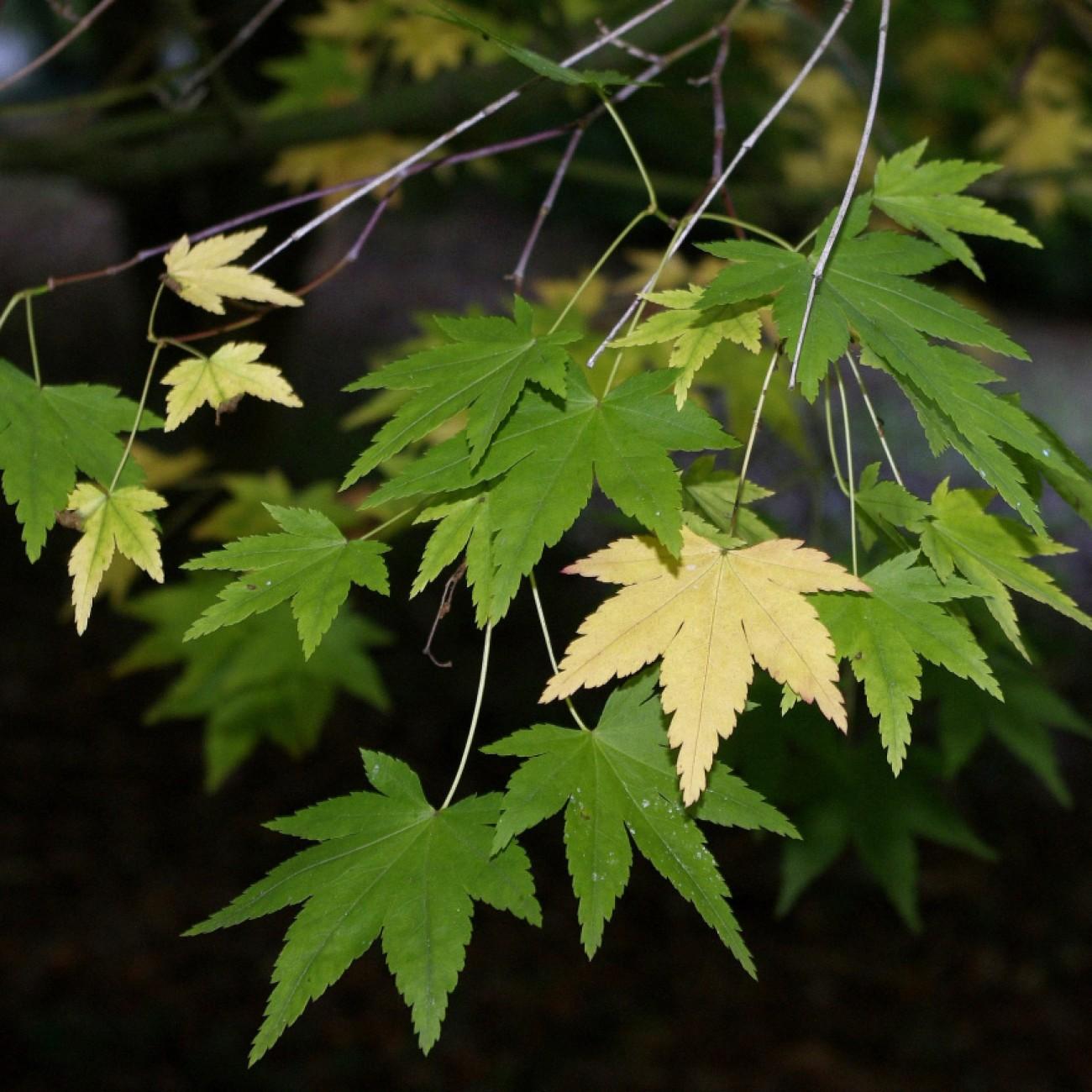
Arakawa Cork Bark Japanese Maple
Acer palmatum 'Arakawa'
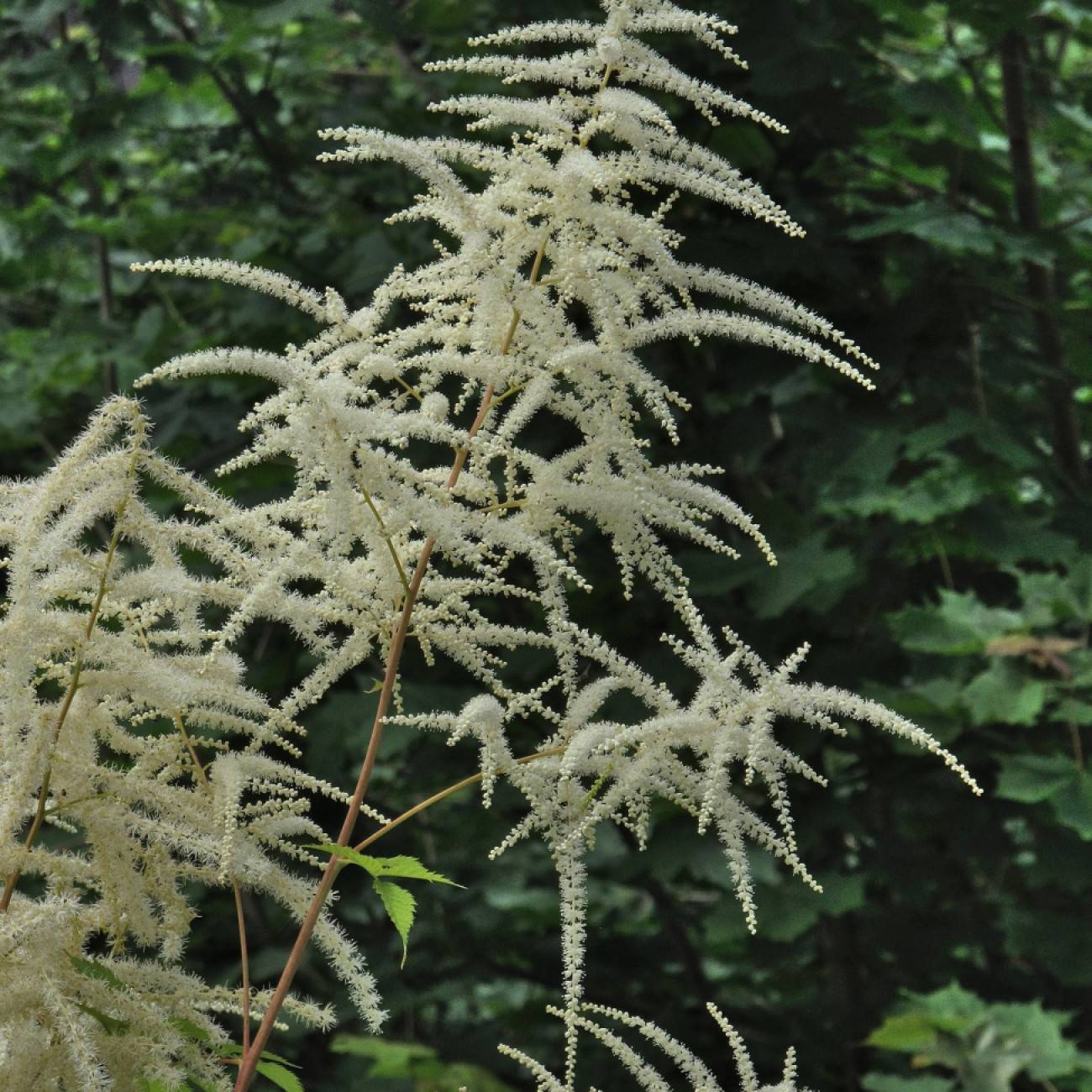
aruncus
Aruncus 'Horatio'
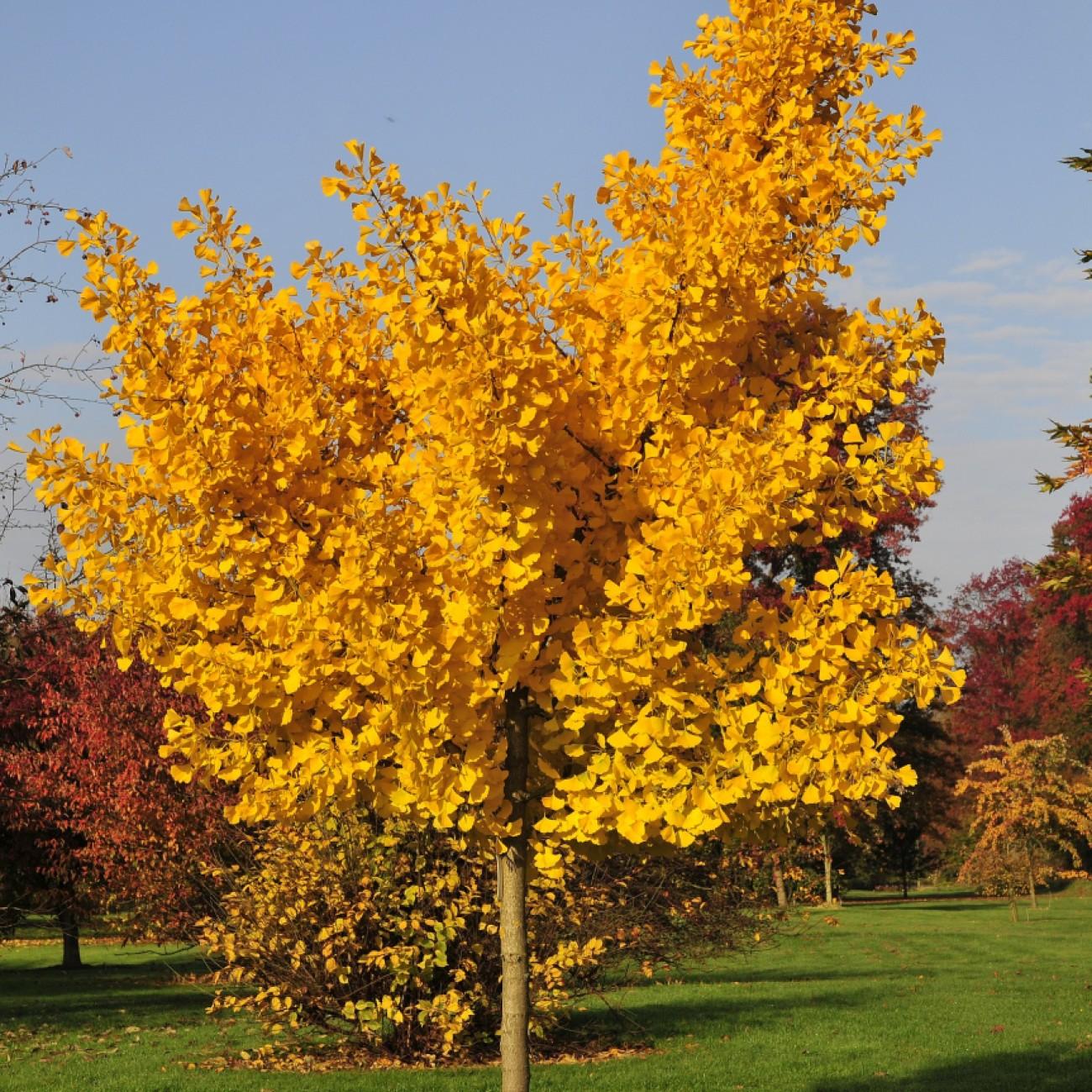
Autumn Gold Ginkgo
Ginkgo biloba 'Autumn Gold'
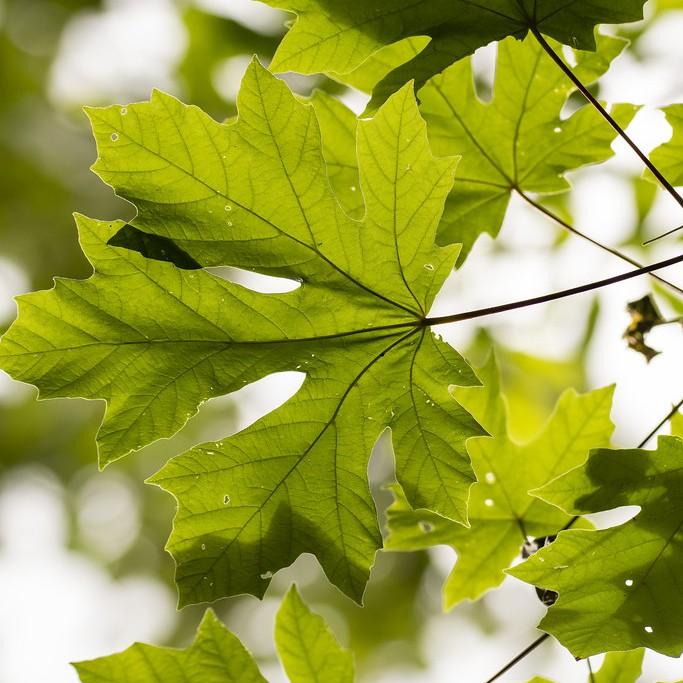
Big Leaf Maple
Acer macrophyllum
Black Gum
Nyssa sylvatica