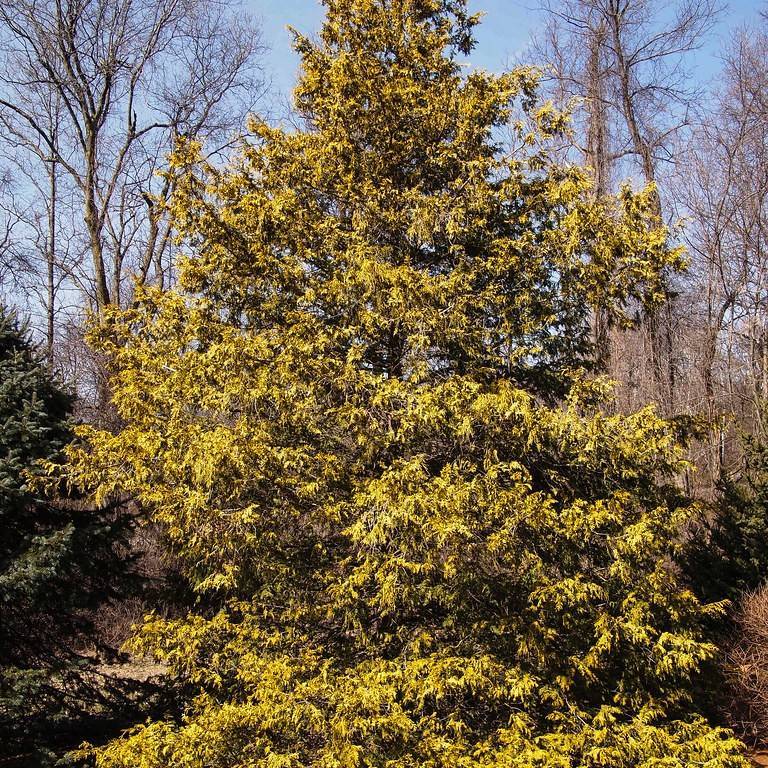
Japanese falsecypress
Chamaecyparis pisifera 'Gold Spangle'
Overview
The Japanese falsecypress (Chamaecyparis pisifera 'Gold Spangle') is an amazing plant species! Its bright yellow, flat sprays of foliage provide a stunning contrast against its dark green needles. It is able to withstand both intense winds and scorching sun; a welcome addition to any landscape! In addition to its ornamental appeal, it is extremely low maintenance and makes for a perfect hedge or focal point in your garden. It's also resilient enough to be grown in both pots and in garden beds, so it's a versatile choice for everyone. With its gorgeous colors and easy maintenance, the Japanese falsecypress (Chamaecyparis pisifera 'Gold Spangle') is the perfect choice for any garden!
Care Guide
Watering
The Japanese falsecypress (Chamaecyparis pisifera "Gold Spangle") requires moderately moist soil and should be watered when the top 1-2 inches of the soil is dry to the touch. It is important to avoid over-watering, as this could lead to root rot. Water every few days or once a week, depending on the season and amount of sun the plant receives. During the hottest months, the plant may need to be watered more often. During cooler temperatures, it may need watering only every 2 weeks or less. It is important to monitor the plant's moisture levels to ensure it is not receiving too much or too little water.
Light
Japanese falsecypress (Chamaecyparis pisifera 'Gold Spangle') is a species of evergreen conifer that prefers full to partial sun. When planting this species, care should be taken to ensure that it is exposed to at least 4 hours of sunlight a day. If planted in a too shady of an environment, the plant may become leggy, and fall prey to various diseases. Morning sun is best for this species, as too much direct afternoon sun can cause foliage burn and other negative consequences. In colder climates, more shade may be necessary.
Temperature
Hardiness zone 4–4.
Pruning
Japanese falsecypress (Chamaecyparis pisifera 'Gold Spangle') should be pruned in the spring, before the new growth appears. The pruning should be light, removing only dead, damaged or weak growth. Pruning should be limited to a maximum of 1/4 of the total growth in a year. Heavy pruning should only be done to shape or rejuvenate the shrub, and should be done in early spring or late fall. For plant health, avoid pruning in summer as this can interfere with photosynthesis.
Propagation
Cutting, Grafting Propagation, Layering Propagation, Division, Seed Propagation
Diseases & Pests
Common pests: Pest resistant, Disease resistant.
Related plants
Other plants you might like if you grow Japanese falsecypress.
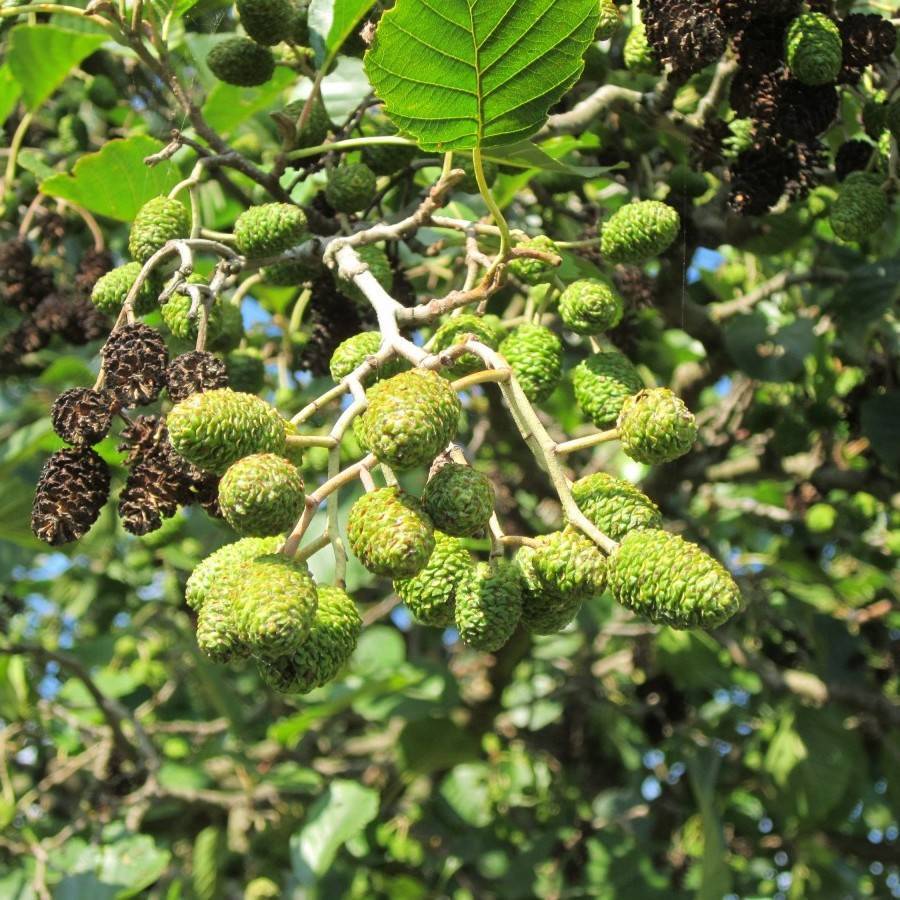
alder
Alnus mayrii
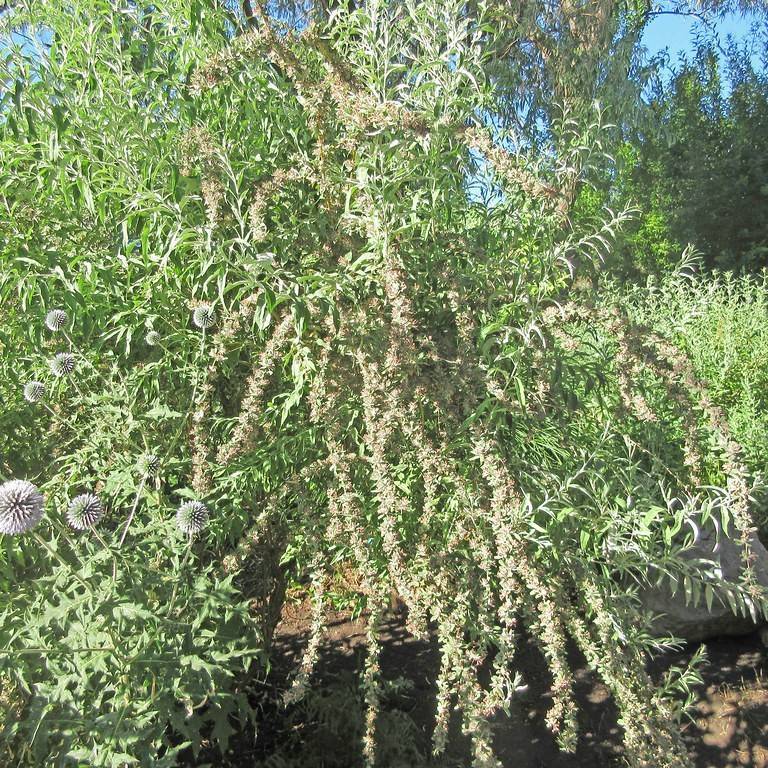
alternate-leaved butterfly bush
Buddleja alternifolia
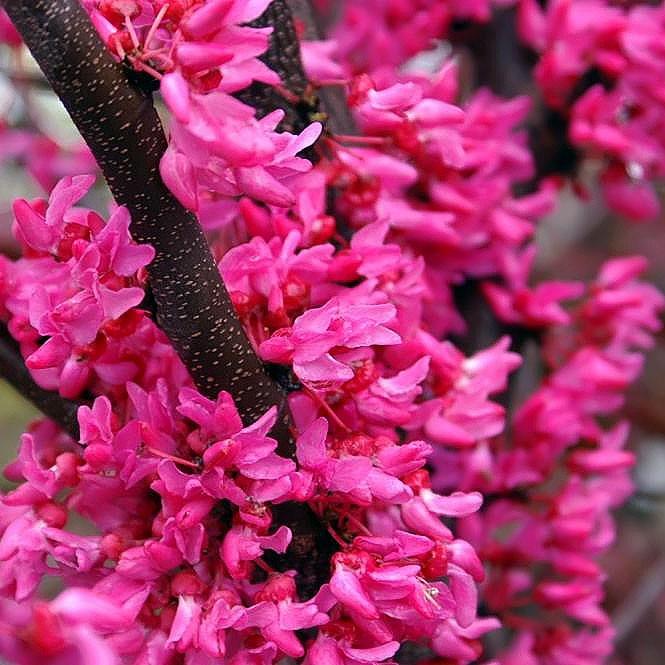
Appalachian Red Redbud
Cercis canadensis 'Appalachian Red'
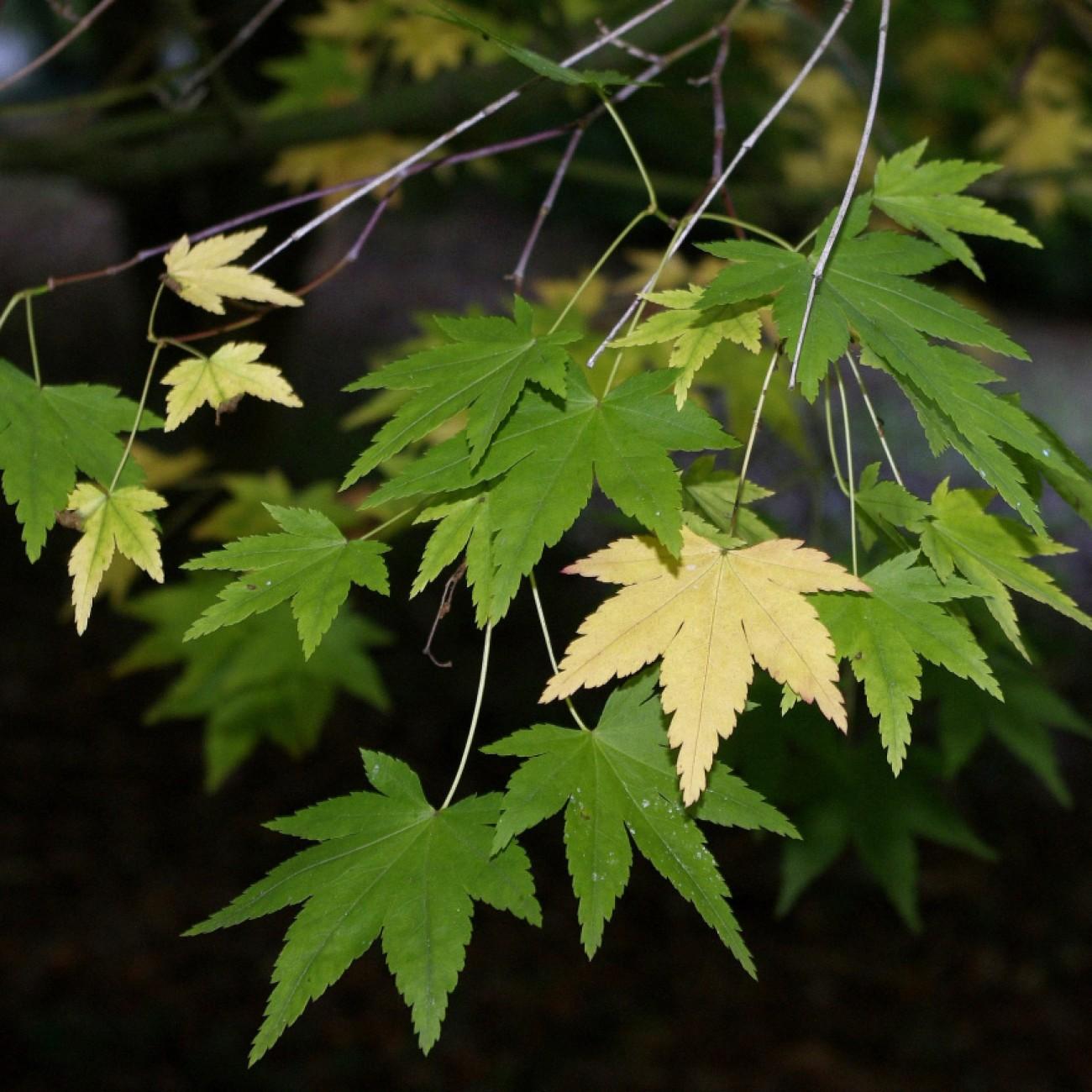
Arakawa Cork Bark Japanese Maple
Acer palmatum 'Arakawa'
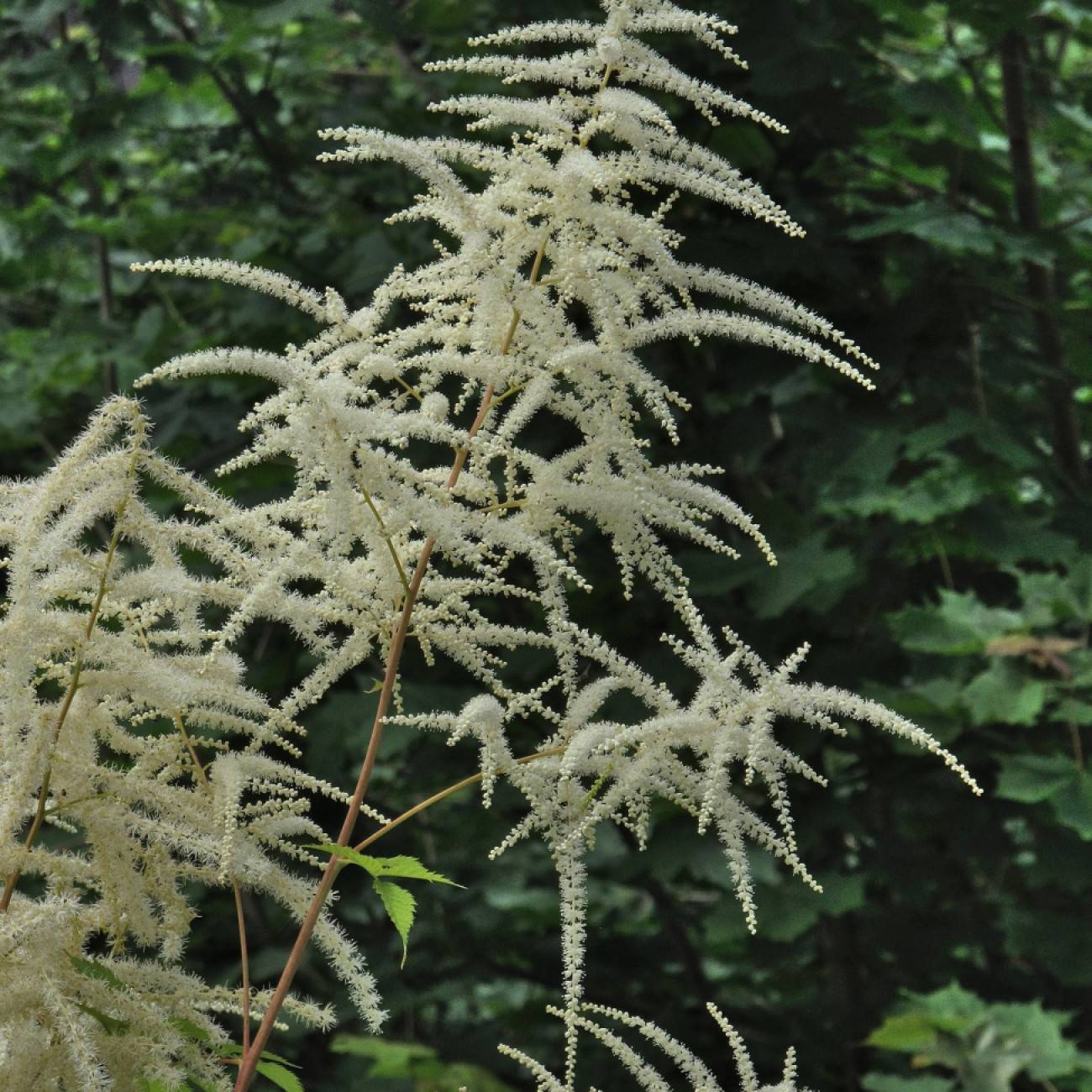
aruncus
Aruncus 'Horatio'
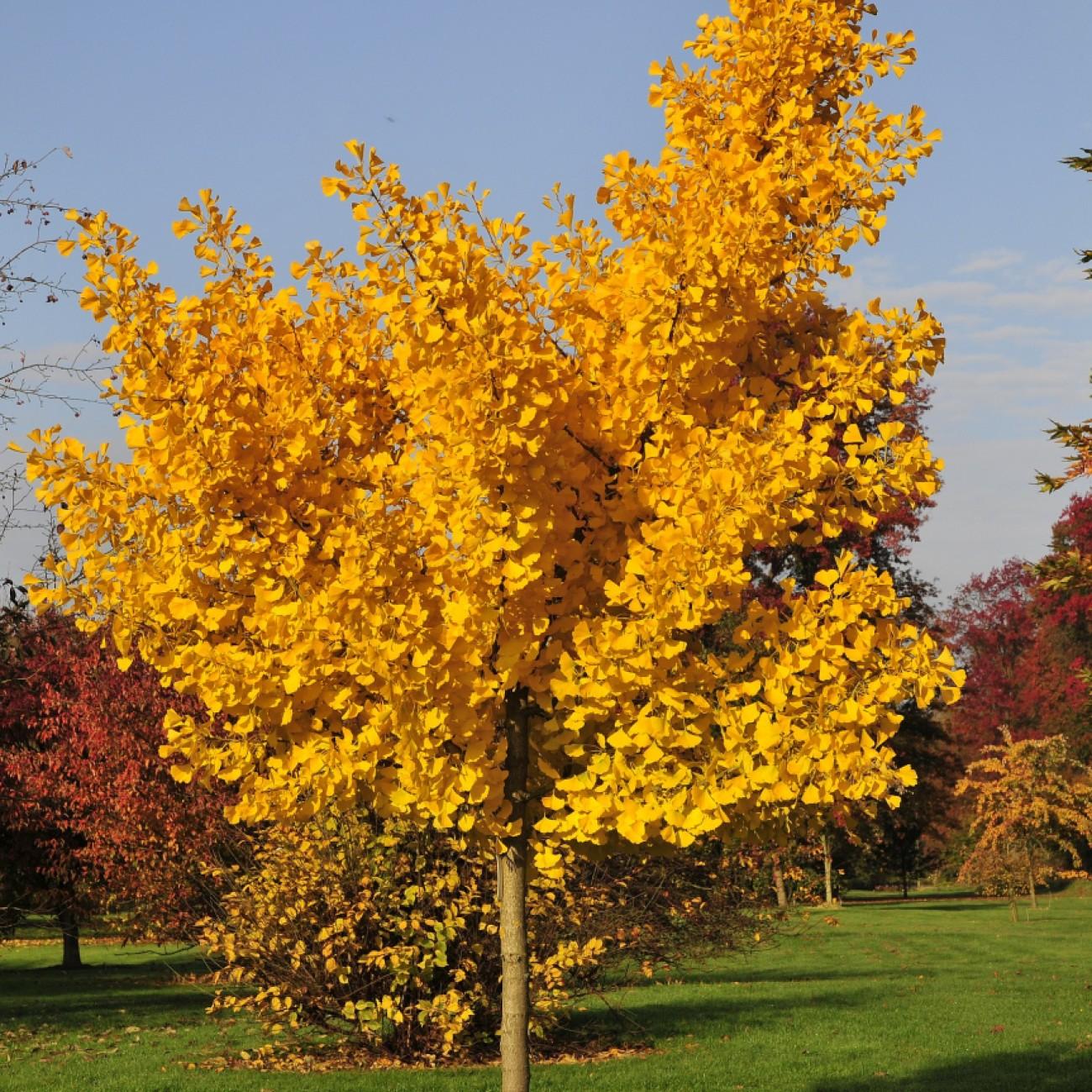
Autumn Gold Ginkgo
Ginkgo biloba 'Autumn Gold'
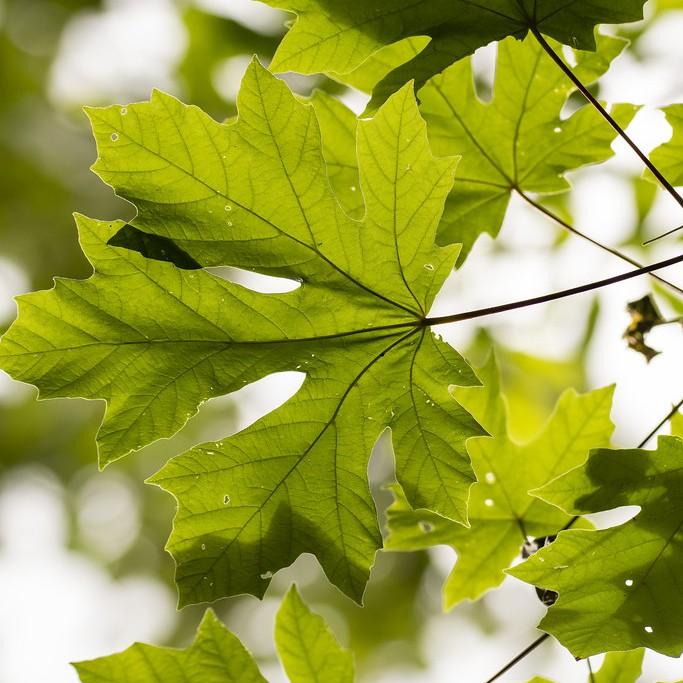
Big Leaf Maple
Acer macrophyllum
Black Gum
Nyssa sylvatica