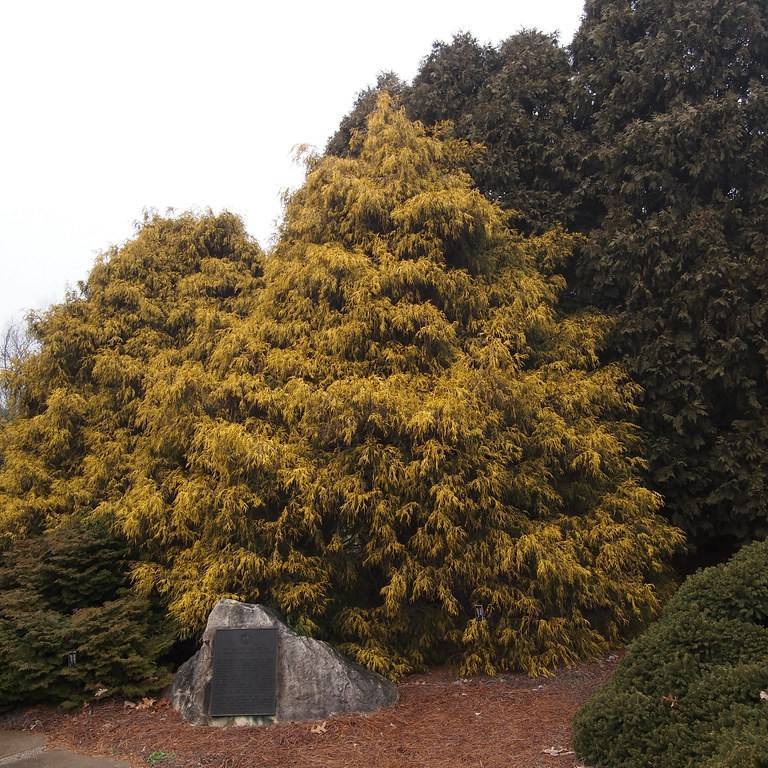
Japanese falsecypress
Chamaecyparis pisifera 'Golden Pincushion'
Overview
Japanese falsecypress (Chamaecyparis pisifera 'Golden Pincushion') is an amazing ornamental conifer prized for its striking yellow foliage. This low-maintenance perennial is an excellent choice for someone wanting to add a splash of bright yellow to their landscape. Its semi-dwarf, mounded form is perfect for use in small gardens, foundation plantings, and borders. It's easy to grow and requires little to no pruning, making it a great choice for landscaping. In addition to its vibrant foliage, it produces fascinating, 'candy cane' like cones in the winter months. This dwarf conifer is sure to provide a unique and eye-catching addition to any outdoor space.
Care Guide
Watering
The Japanese falsecypress requires a moderate amount of watering. It is best to allow the soil to warm before watering and the plant should always be completely saturated. Try to water it once or twice a week, making sure that the soil never goes completely dry in between. In times of extreme heat it may need extra watering. Always avoid over-watering and make sure no water sits in the saucer or root area for long periods of time.
Light
Japanese falsecypress plants prefer full sun exposure, meaning that the area where it’s planted should get direct sunlight for at least 6 hours a day. In hotter climates, the best time to place Japanese falsecypress in a sunny spot is early morning when the sun is just beginning to rise and the temperatures are cooler. Conversely, in cooler climates, late afternoon is the best time to place in the sun. During the midday hours when the sun is at its brightest and hottest, the plant should be placed in a shaded area with indirect sunlight.
Temperature
Hardiness zone 4–4.
Pruning
Pruning the Japanese falsecypress (Chamaecyparis pisifera 'Golden Pincushion') should take place twice a year, once in early spring before new growth begins and again in midsummer after it has finished flowering. During the pruning process, you should remove any broken, dead, or diseased branches and thin out any excess foliage that is competing for resources. Pruning should be done as much as necessary to maintain the size and shape of the tree without compromising its natural shape or health. Generally, this species should not be pruned too severely, as it tends to be a fairly slow-growing variety.
Propagation
Cutting, Grafting Propagation, Layering Propagation, Division, Seed Propagation
Diseases & Pests
Common pests: Pest resistant, Disease resistant.
Related plants
Other plants you might like if you grow Japanese falsecypress.
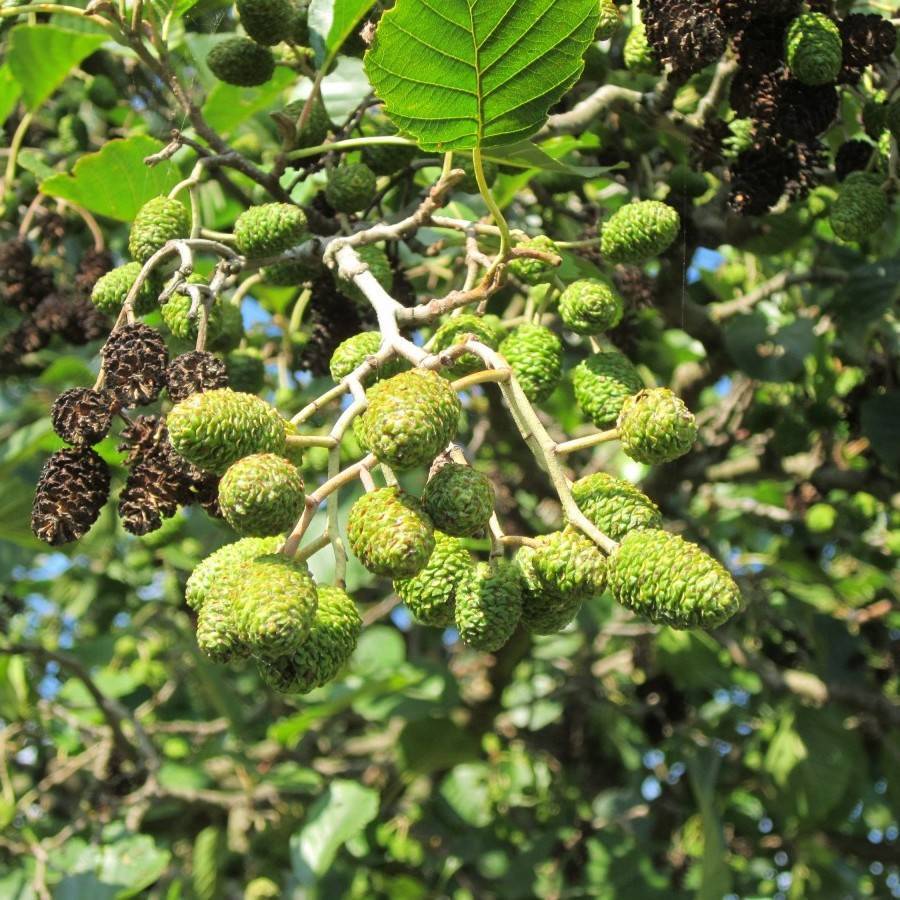
alder
Alnus mayrii
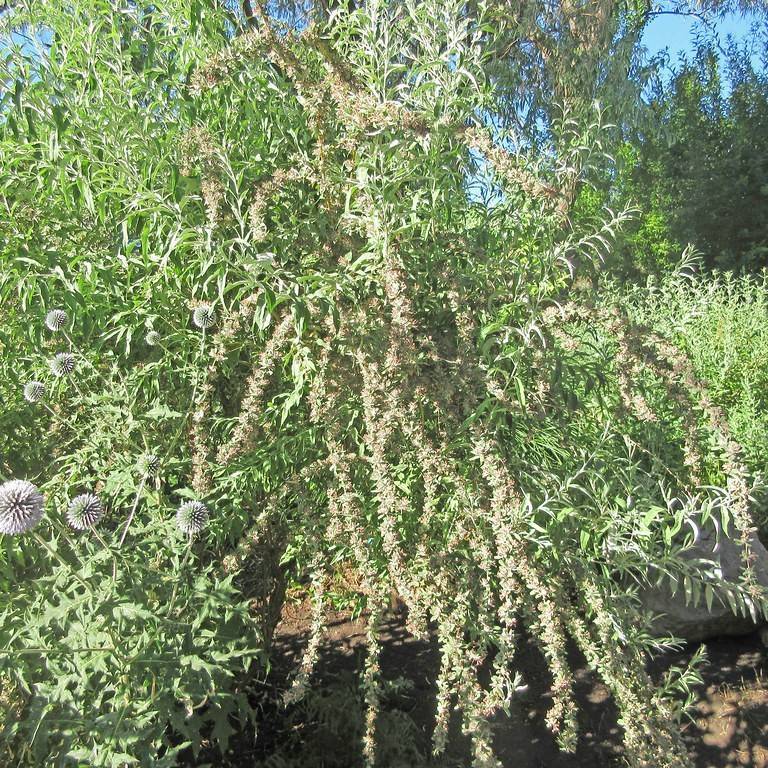
alternate-leaved butterfly bush
Buddleja alternifolia
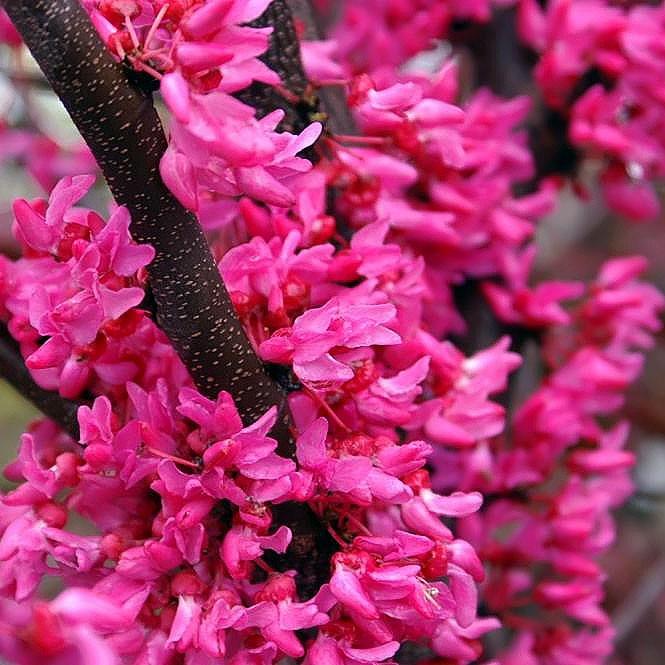
Appalachian Red Redbud
Cercis canadensis 'Appalachian Red'
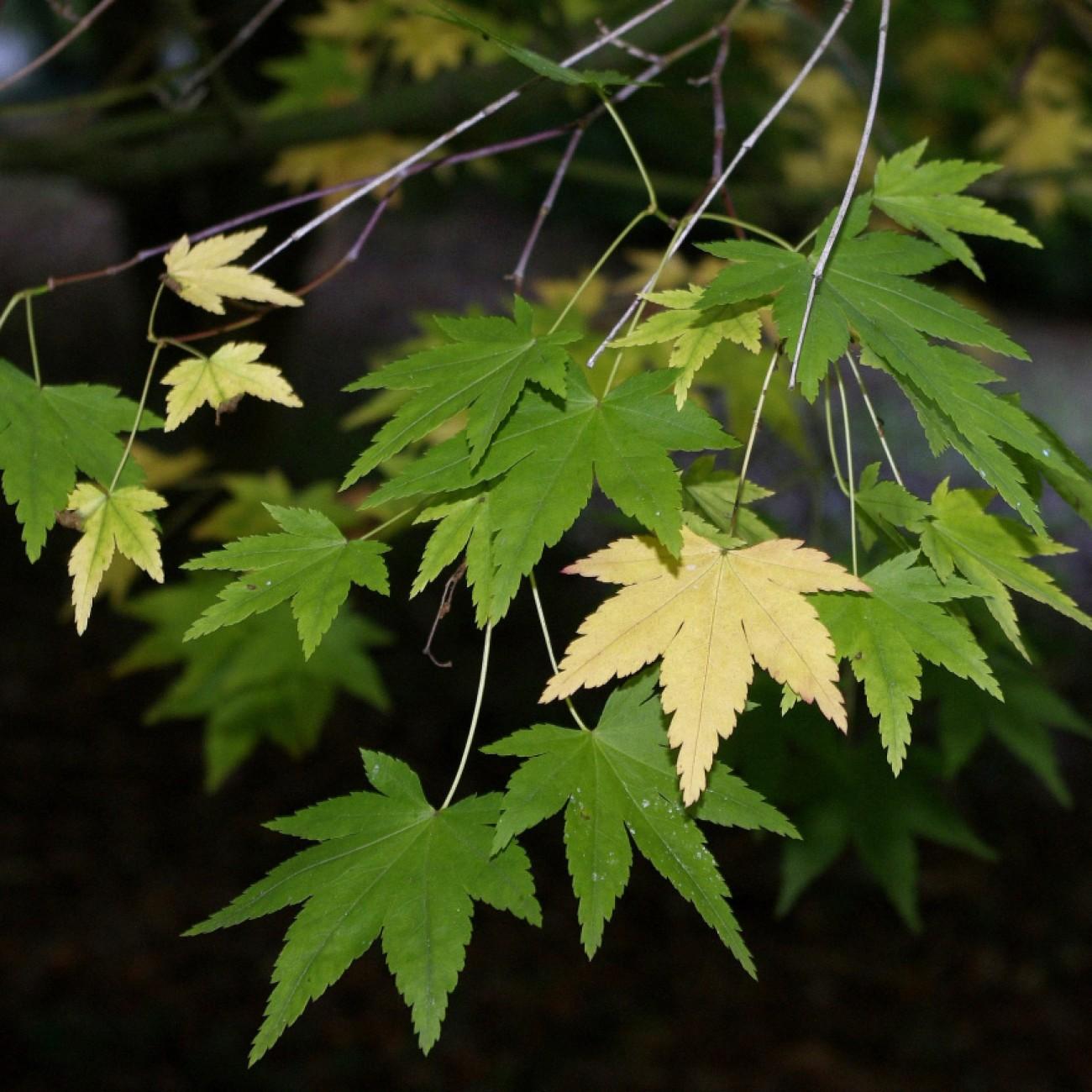
Arakawa Cork Bark Japanese Maple
Acer palmatum 'Arakawa'
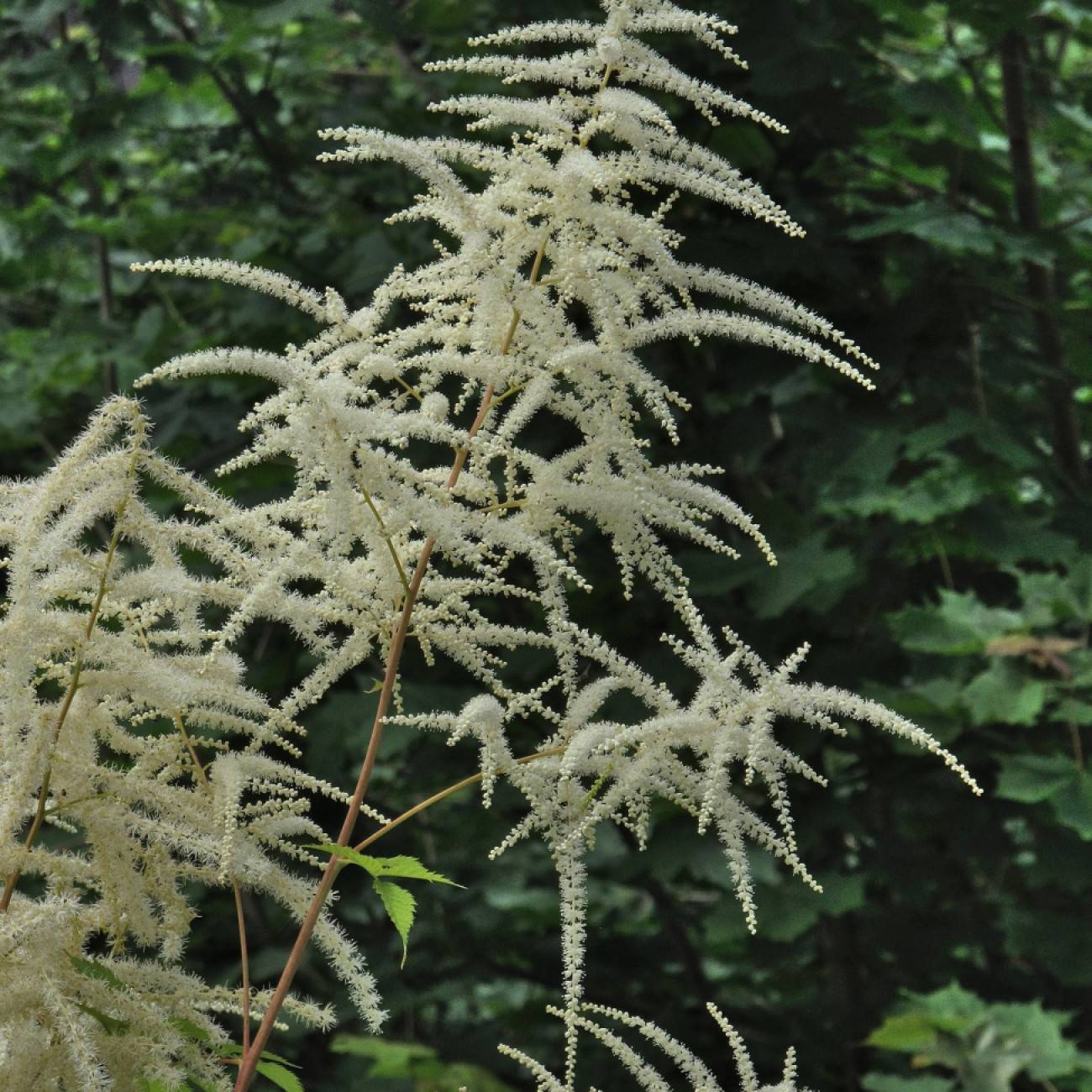
aruncus
Aruncus 'Horatio'
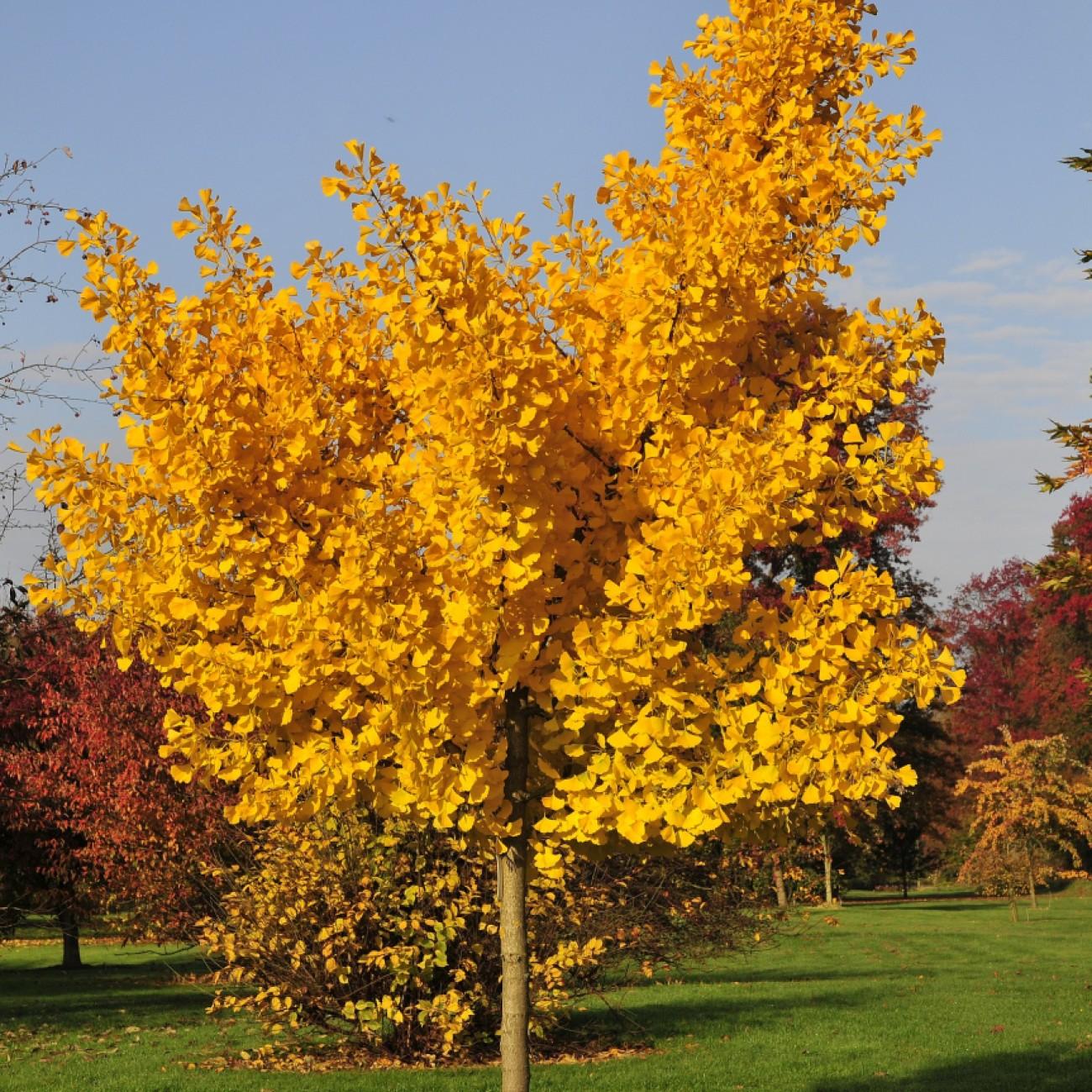
Autumn Gold Ginkgo
Ginkgo biloba 'Autumn Gold'
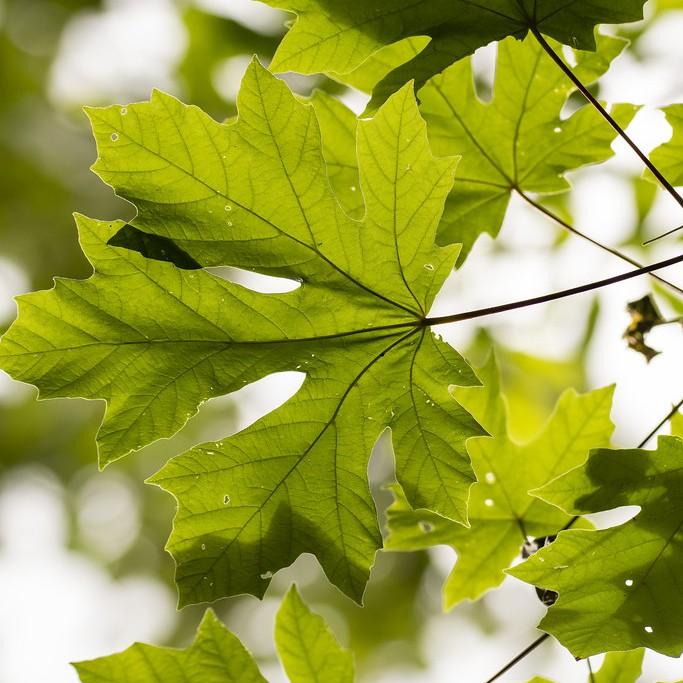
Big Leaf Maple
Acer macrophyllum
Black Gum
Nyssa sylvatica