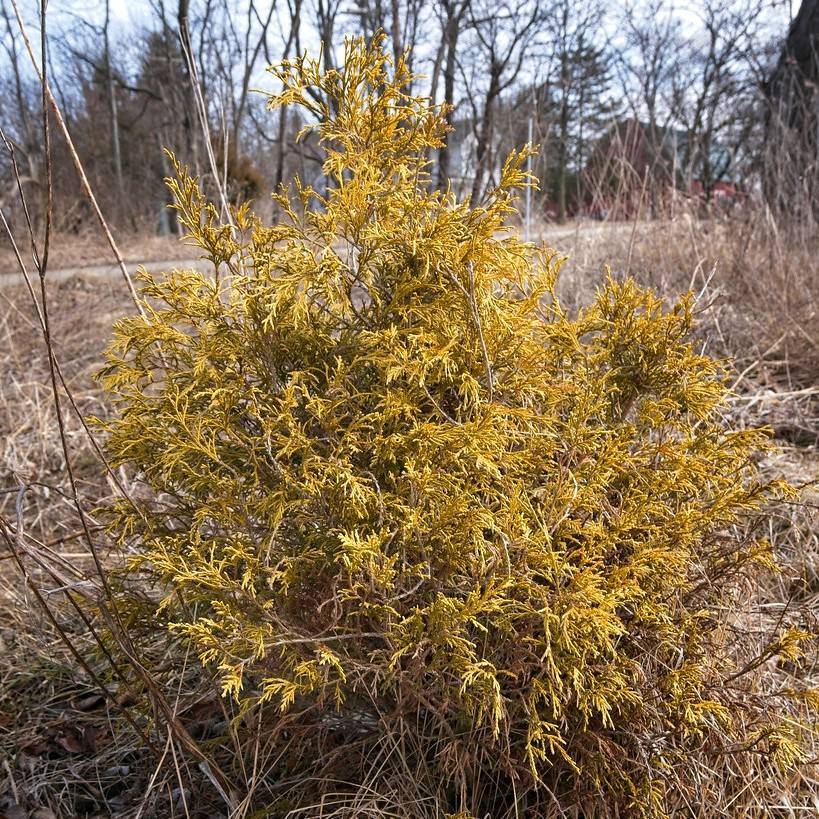
Japanese falsecypress
Chamaecyparis pisifera 'Lemon Thread'
Overview
Japanese falsecypress (Chamaecyparis pisifera 'Lemon Thread') is an amazing addition to any outdoor space. Its lacy branches are covered in year-round bright chartreuse-yellow foliage which adds a unique pop of color to your landscape. Very low-maintenance, it grows slowly and is drought tolerant, making it great for areas with hot summers and cold winters. With its pleasing pyramidal shape, this conifer is often used to provide an elegant focal point in a garden. It is deer and rabbit resistant and can even grow in dense shade or deep shade. Overall, Japanese falsecypress is a beautiful, easy-to-maintain plant that brings color and texture to any space.
Care Guide
Watering
The Japanese falsecypress (Chamaecyparis pisifera 'Lemon Thread') should be watered regularly, approximately twice a week, during its active growing season. In hot and dry weather, the plant may require more frequent watering, especially if the soil begins to dry out. During the winter months when the plant is inactive, watering should be reduced to once a week. During both the summer and winter, it is important to check the soil moisture weekly to ensure the plant has enough water. When watering, the plant should be given enough water to thoroughly moisten the soil but not to the point of water-logging.
Light
The Japanese falsecypress (Chamaecyparis pisifera 'Lemon Thread') thrives in bright, indirect sunlight. Depending on the time of year, the plant should receive at least 4-6 hours of sunlight per day. During the spring and summer months, it can sustain up to 8 hours of sunlight. However, during the fall and winter months it should be kept out of direct sunlight as this could cause the leaves to burn and damage the plant.
Temperature
Hardiness zone 4–4.
Pruning
The Japanese falsecypress (Chamaecyparis pisifera 'Lemon Thread') should be pruned during the late spring and early summer months when new growth is present. Pruning should involve removing any dead, weak, damaged, or diseased branches, as well as thinning out the interior of the shrub. Be sure to leave some of the new growth on the tips of the branches for a more attractive look. When pruning, always cut back to just above an outward-facing bud. With Japanese falsecypress, some shaping or sculpting of the branches can also be done. With careful pruning, the falsecypress can be shaped into small clipped trees, formal hedges, and many other shapes.
Propagation
Cutting, Grafting Propagation, Layering Propagation, Division
Diseases & Pests
Common pests: Pest resistant, Disease resistant.
Related plants
Other plants you might like if you grow Japanese falsecypress.
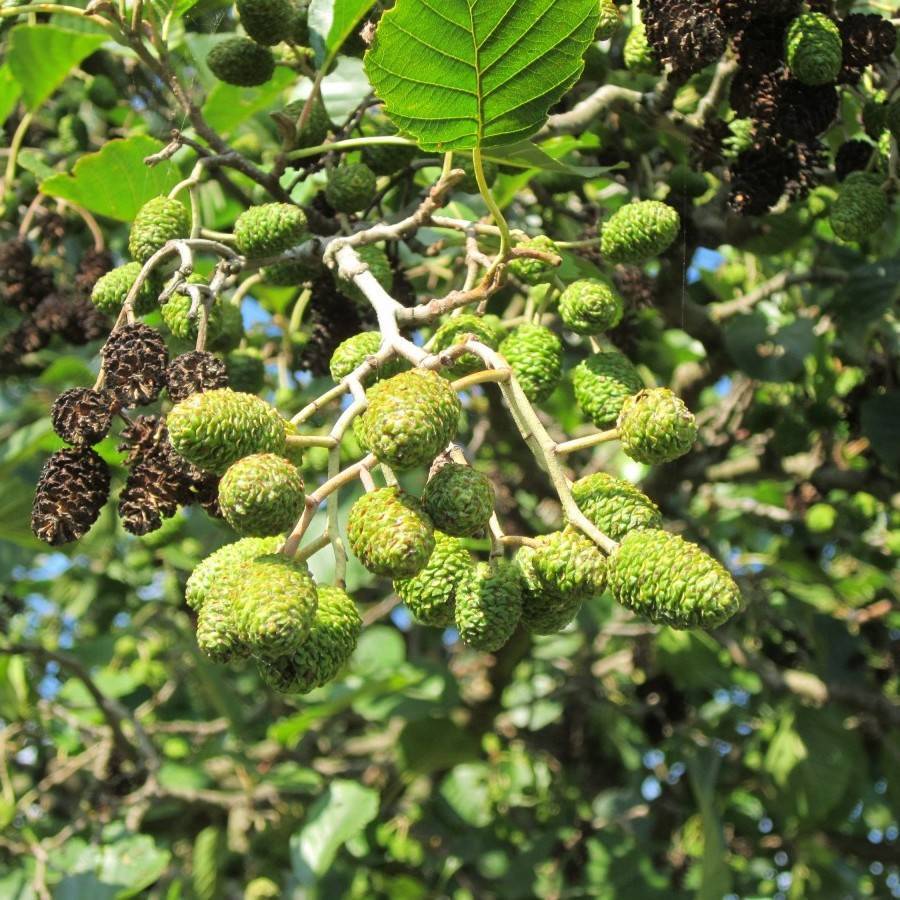
alder
Alnus mayrii
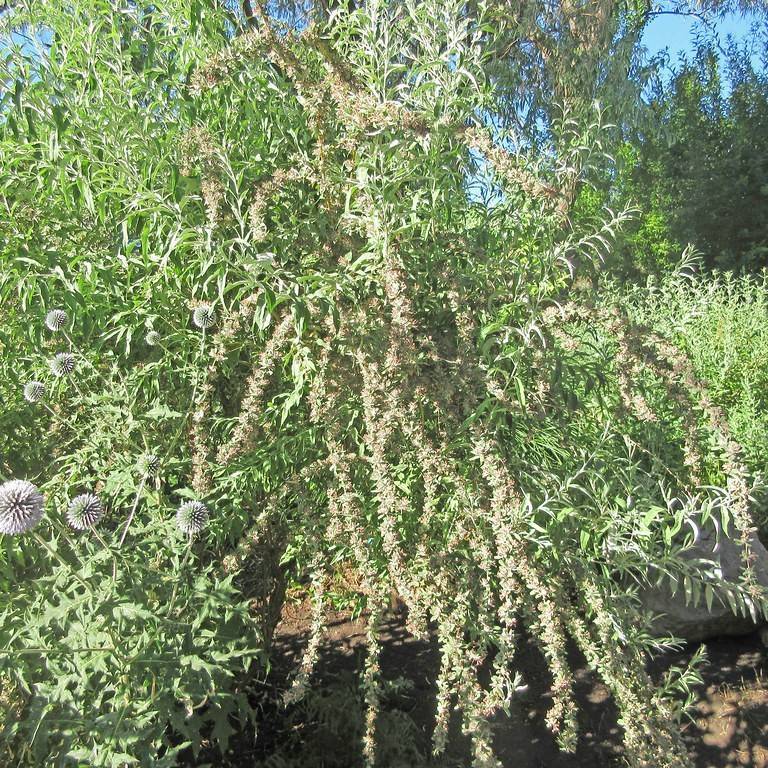
alternate-leaved butterfly bush
Buddleja alternifolia
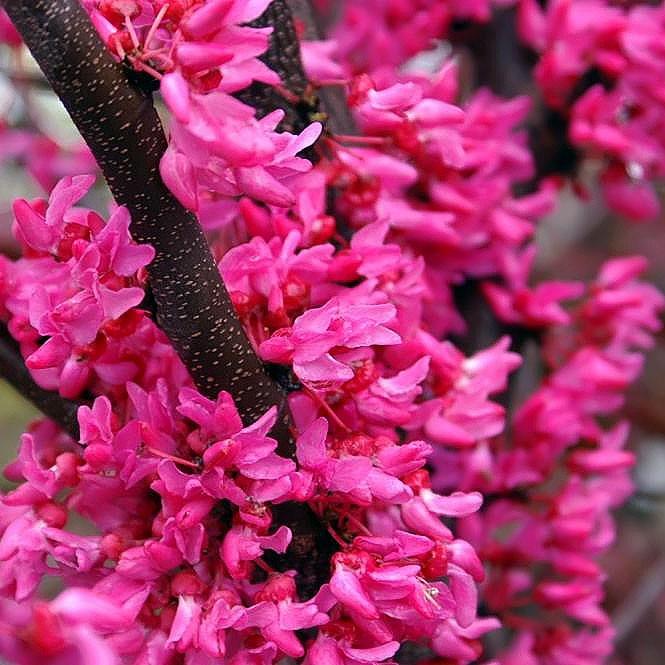
Appalachian Red Redbud
Cercis canadensis 'Appalachian Red'
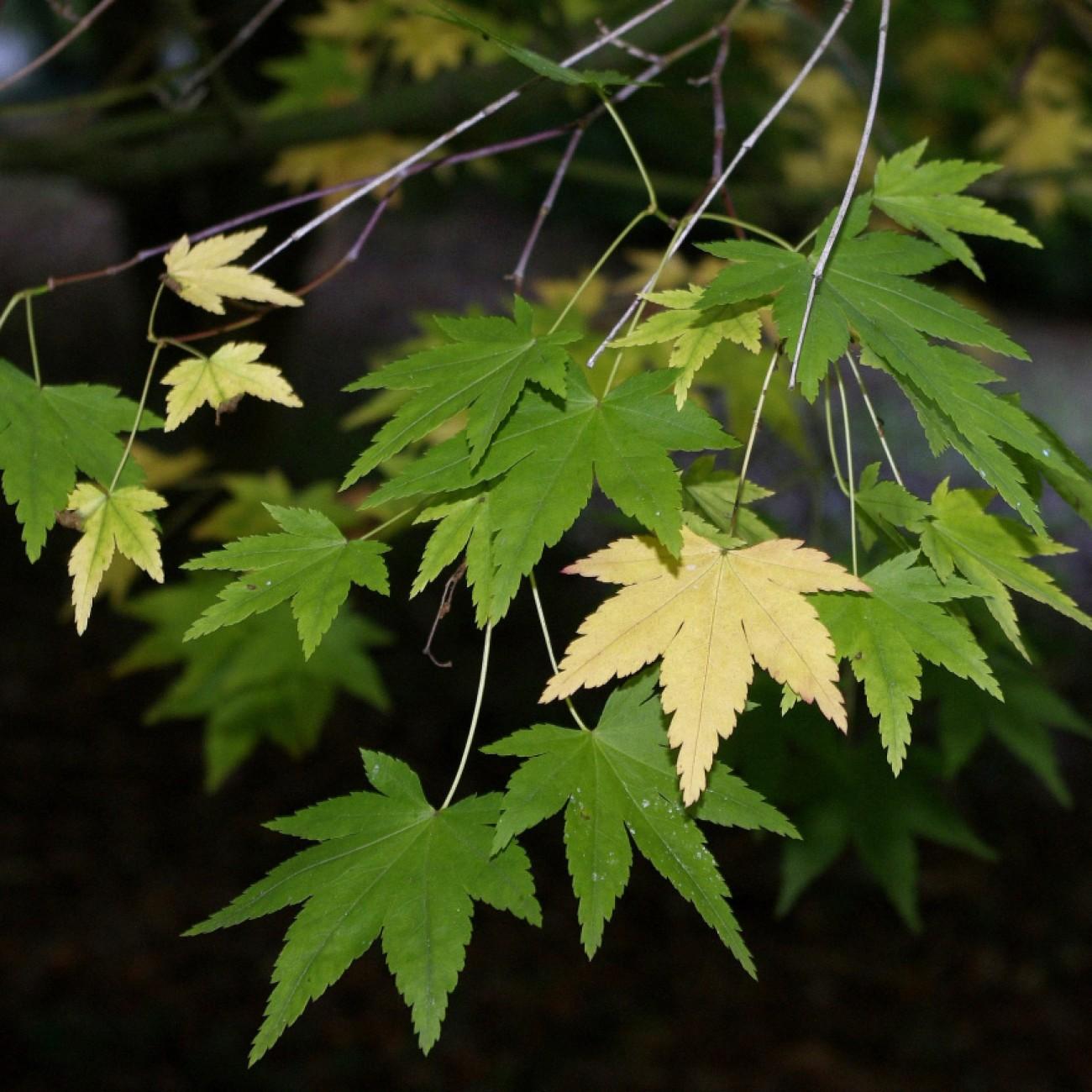
Arakawa Cork Bark Japanese Maple
Acer palmatum 'Arakawa'
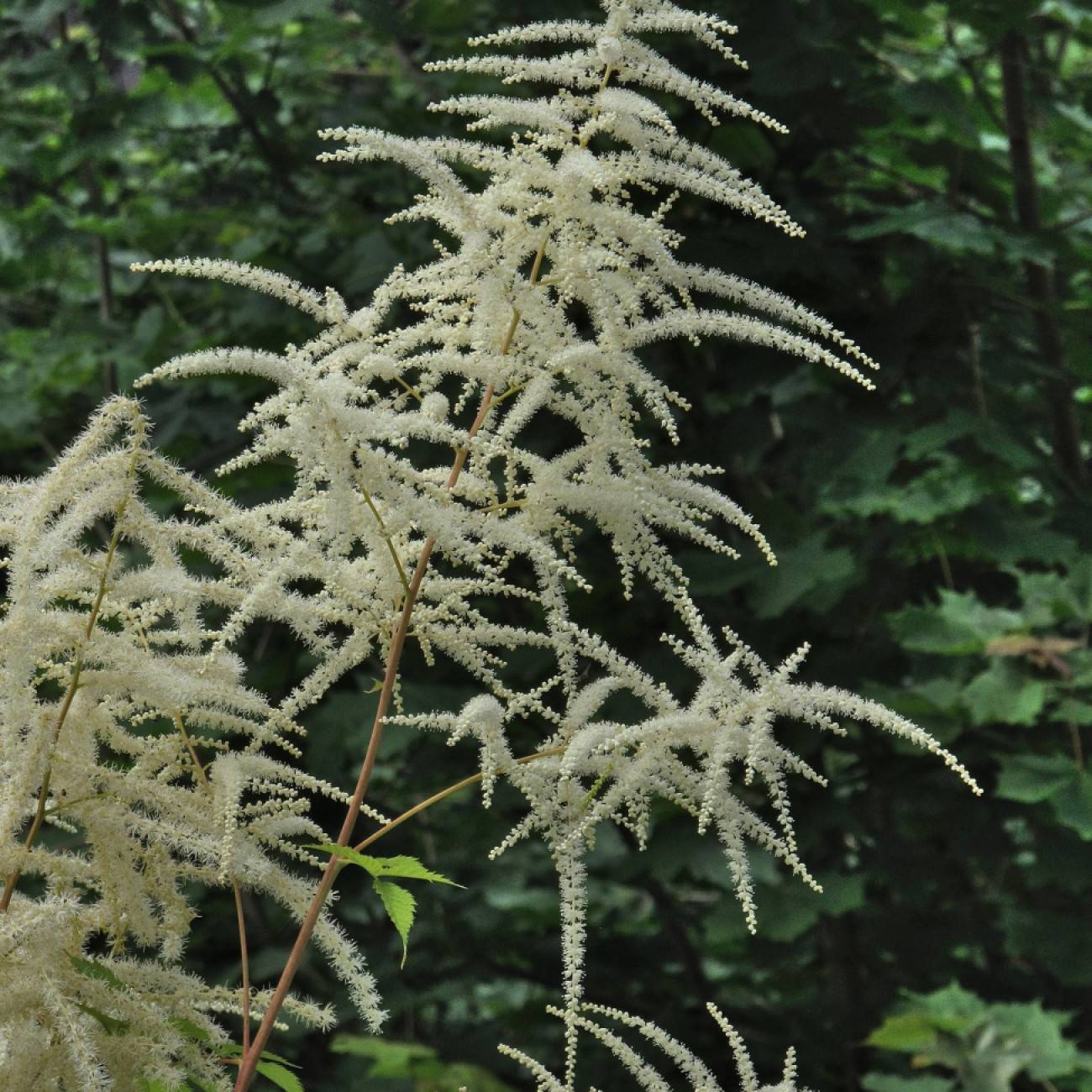
aruncus
Aruncus 'Horatio'
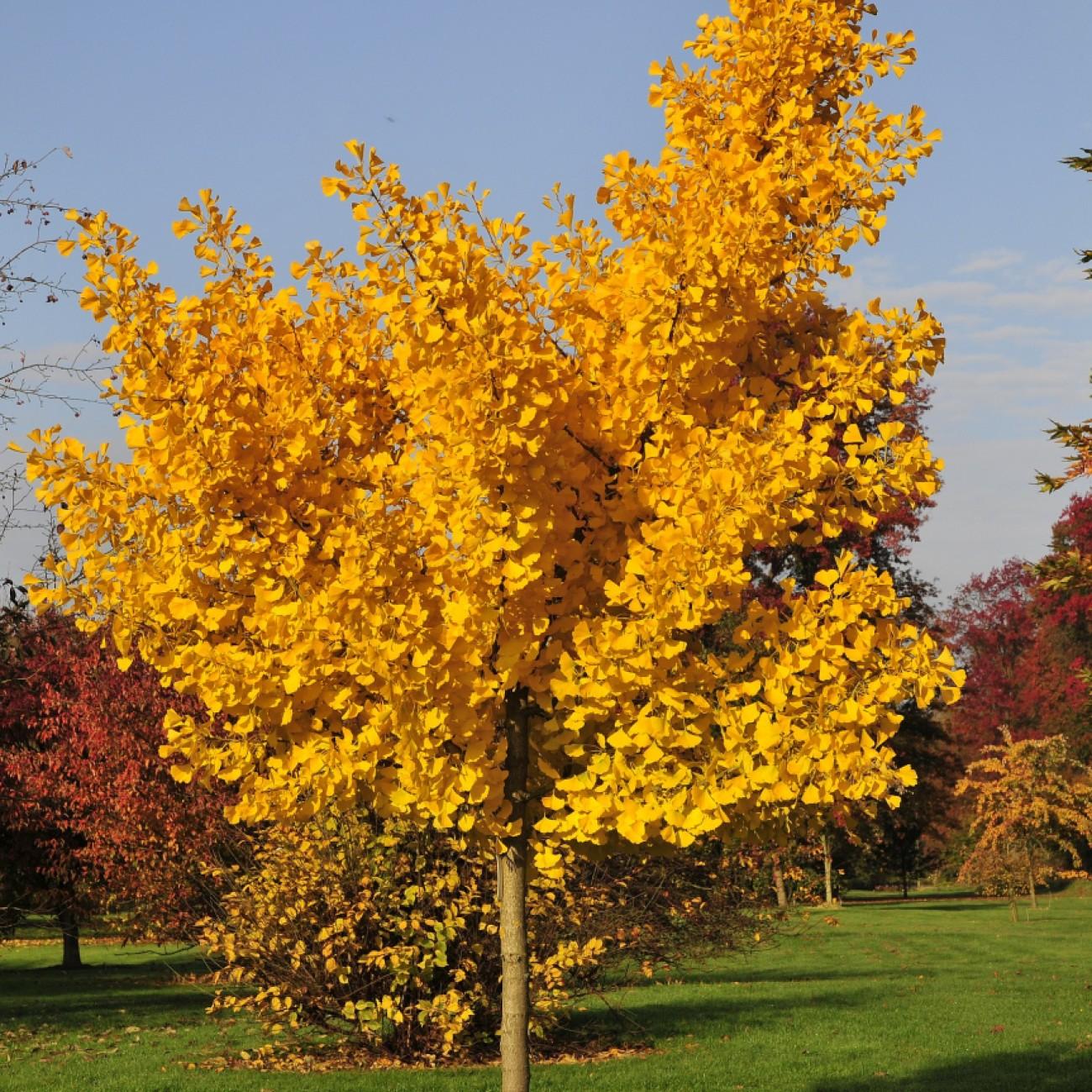
Autumn Gold Ginkgo
Ginkgo biloba 'Autumn Gold'
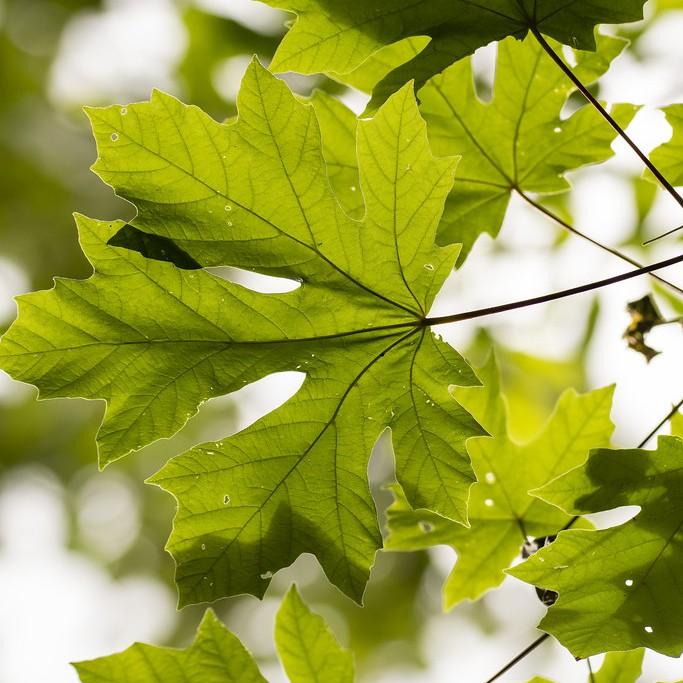
Big Leaf Maple
Acer macrophyllum
Black Gum
Nyssa sylvatica