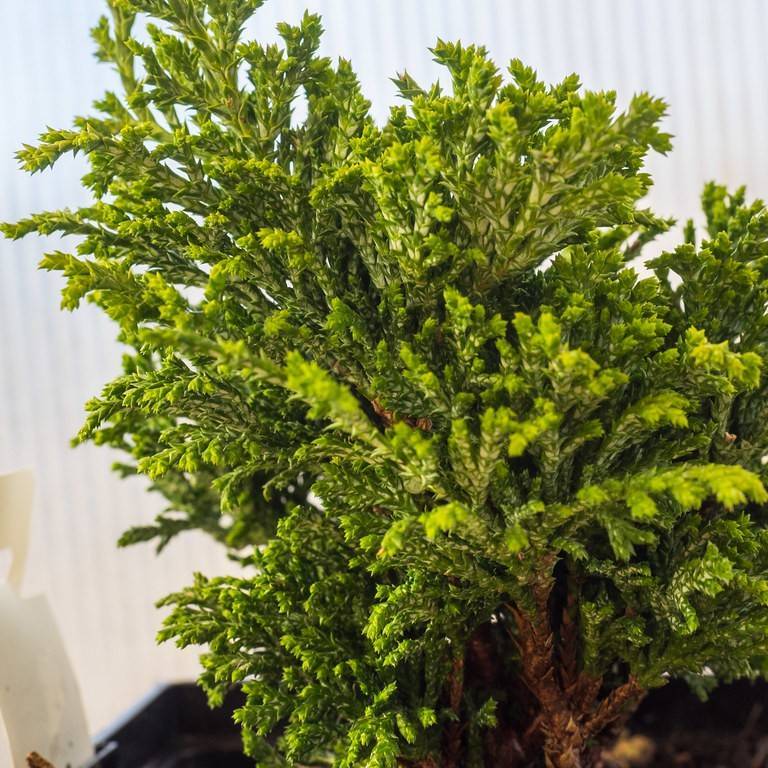
Japanese falsecypress
Chamaecyparis pisifera 'Tsukumo'
Overview
Japanese falsecypress (Chamaecyparis pisifera 'Tsukumo') is a stunning conifer shrub that is sure to add beauty and interest to any yard. Its lacy sprays of foliage have a delicate, graceful form that will light up a shade garden or brighten up a landscape with year-round beauty. It can reach 8-10 feet tall and wide and holds its shape easily. Its foliage fades from yellowy-green in spring to silvery-blue in winter, giving it an eye-catching two-tone beauty. Plus, it's low-maintenance and doesn't need pruning or shaping. With its unique looks and easy-care nature, Japanese falsecypress is an amazing choice for any garden.
Care Guide
Watering
Japanese falsecypress (Chamaecyparis pisifera 'Tsukumo') should be watered when the top of the soil feels dry to the touch. The amount of water needed depends on the size of the pot and how much airflow the falsecypress is receiving. Generally, it should be watered deeply once or twice a week in the summer and once every 2 weeks in the winter. Water should be applied evenly, and allowed to run out of the drainage holes to ensure that the soil is evenly moist. It is important not to over-water as this can lead to root rot or other issues.
Light
Japanese falsecypress (Chamaecyparis pisifera 'Tsukumo') require partial to full sun. This means it needs about 4 to 6 hours of direct sunlight in order to thrive. Too much direct sunlight can cause dehydration or scorch the foliage. It is best to plant in an area that gets bright, indirect light throughout the day. The best time of day for this plant to get its sunlight is around midday when the sun’s rays are strongest. During the hot summer months, avoid full sun during the hottest hours of the day in order to protect the plants from wilting and burning.
Temperature
Hardiness zone 4–4.
Pruning
Japanese falsecypress (Chamaecyparis pisifera 'Tsukumo') should be pruned in the early spring, usually in March or April. The amount of pruning depends on the desired shape and size of the tree. Generally, Japanese falsecypress should be lightly pruned, removing only branches that are overly long or crossing 1 another. Prune up to 1-third of the longest branches, and also remove dead and damaged branches. Pruning should not be too aggressive, as the tree may become misshapen or stressed.
Propagation
Cutting, Grafting Propagation, Layering Propagation, Air Layering Propagation, Division
Diseases & Pests
Common pests: Pest resistant, Disease resistant.
Related plants
Other plants you might like if you grow Japanese falsecypress.
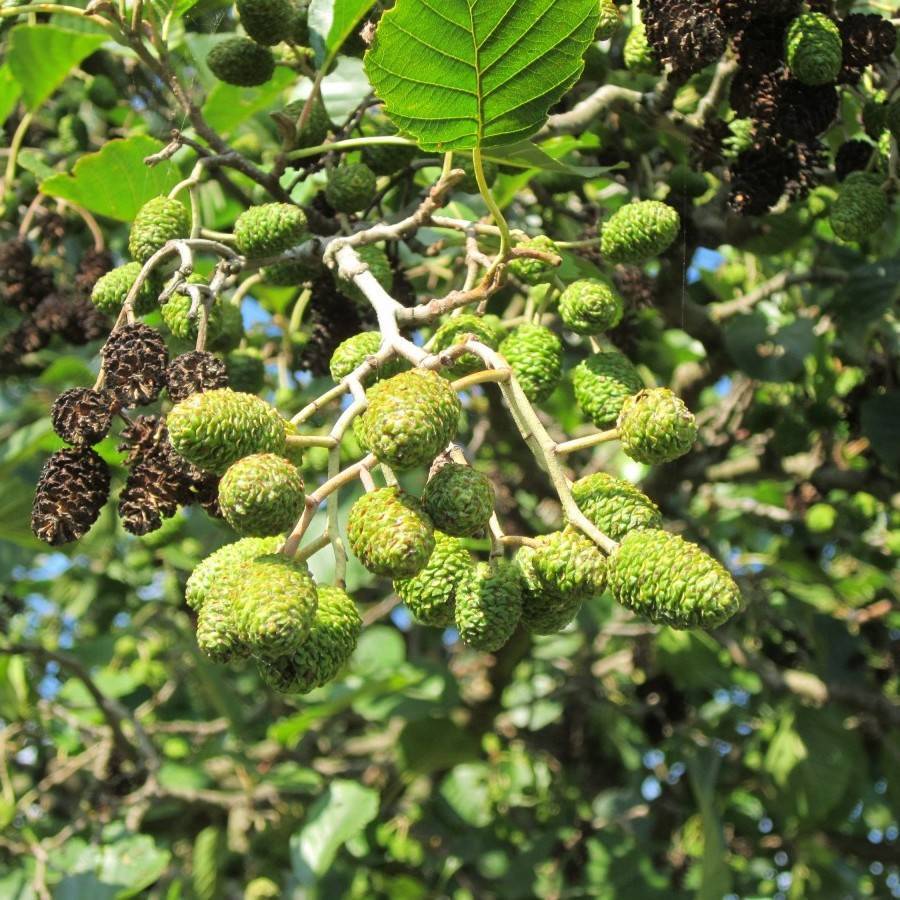
alder
Alnus mayrii
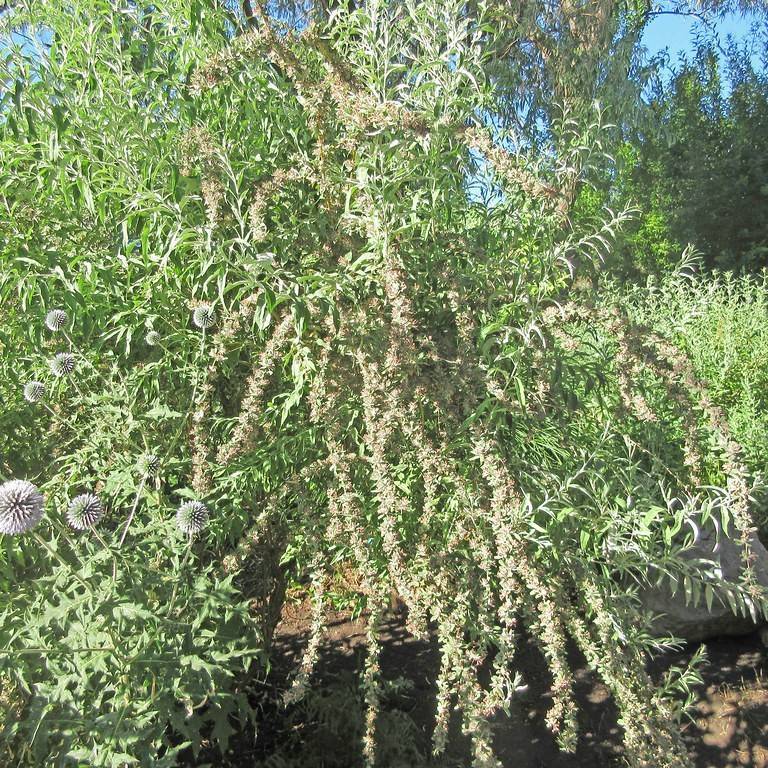
alternate-leaved butterfly bush
Buddleja alternifolia
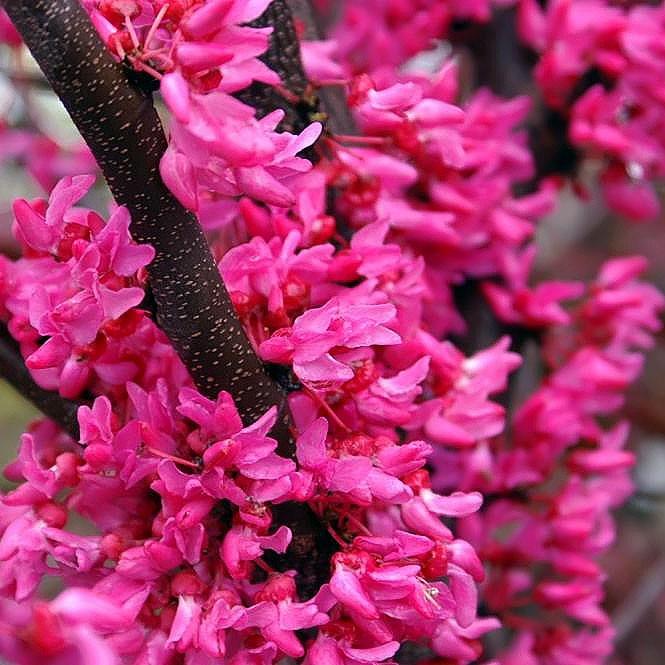
Appalachian Red Redbud
Cercis canadensis 'Appalachian Red'
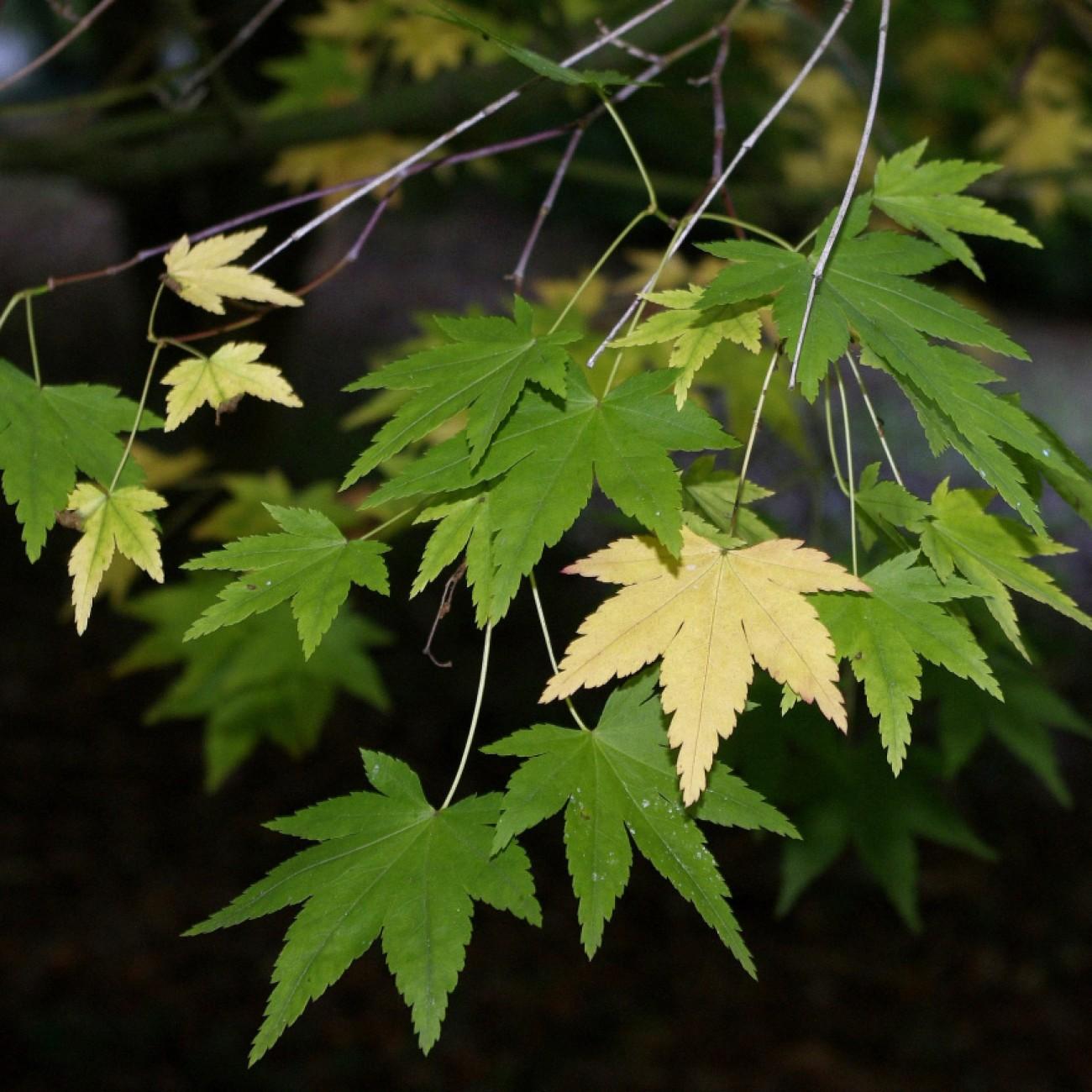
Arakawa Cork Bark Japanese Maple
Acer palmatum 'Arakawa'
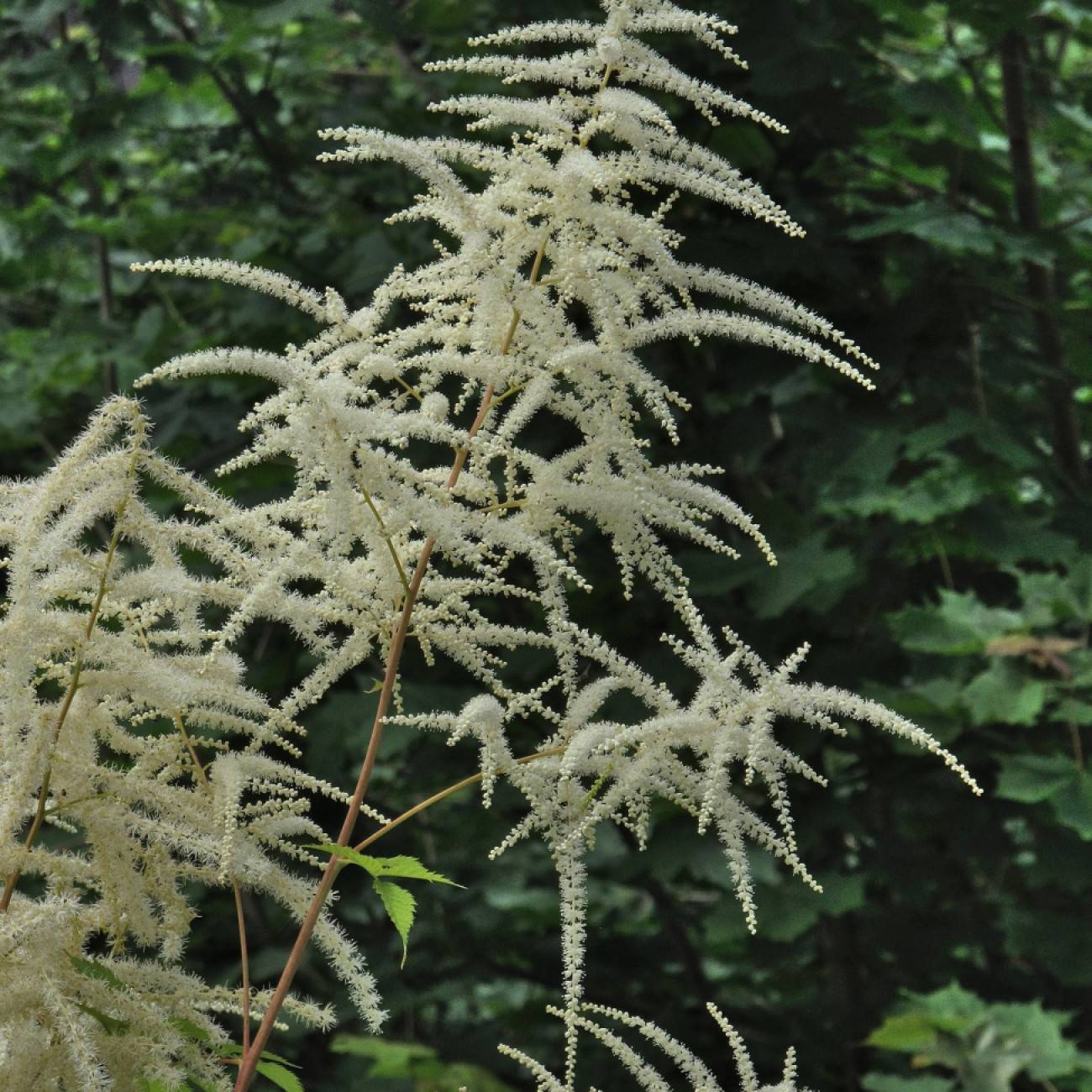
aruncus
Aruncus 'Horatio'
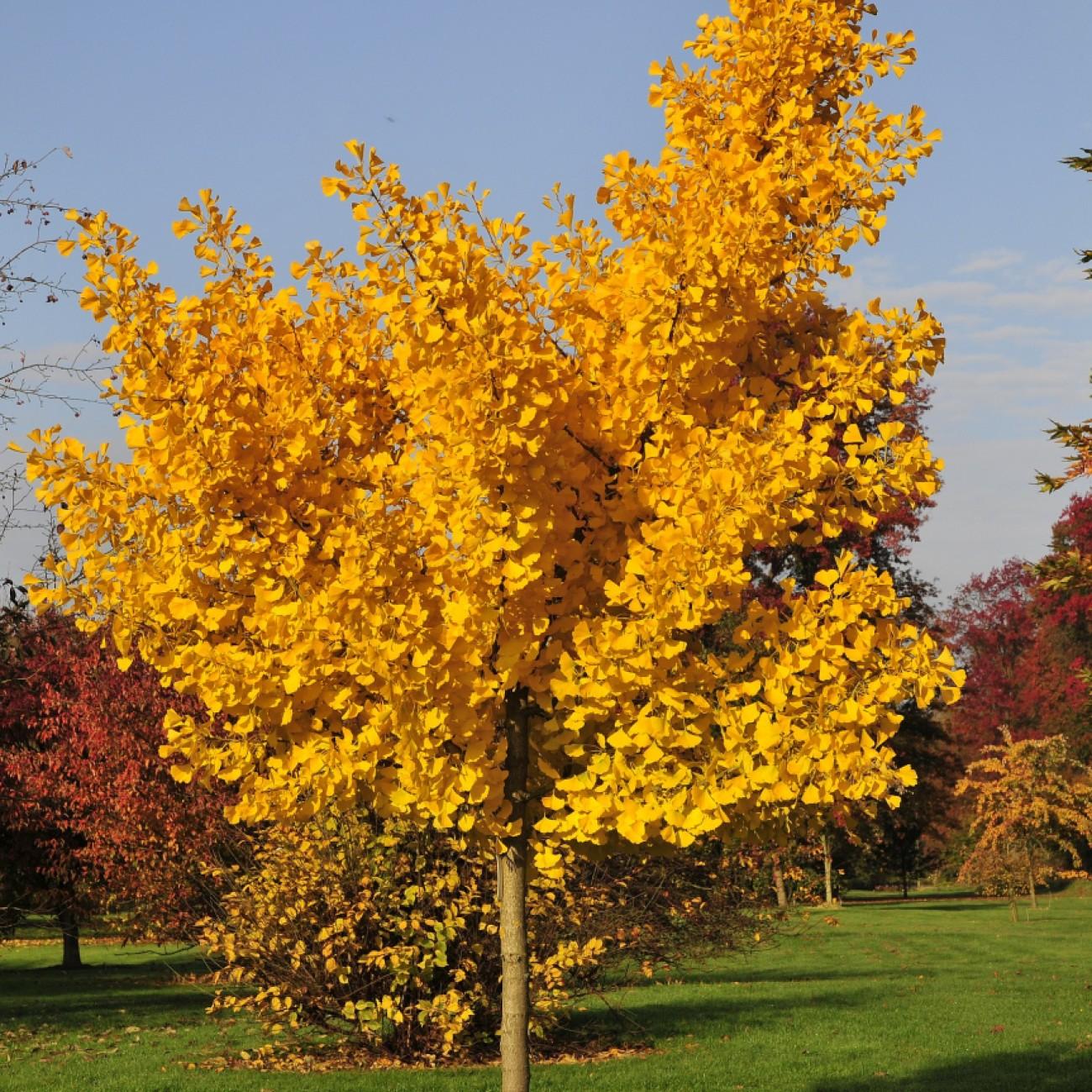
Autumn Gold Ginkgo
Ginkgo biloba 'Autumn Gold'
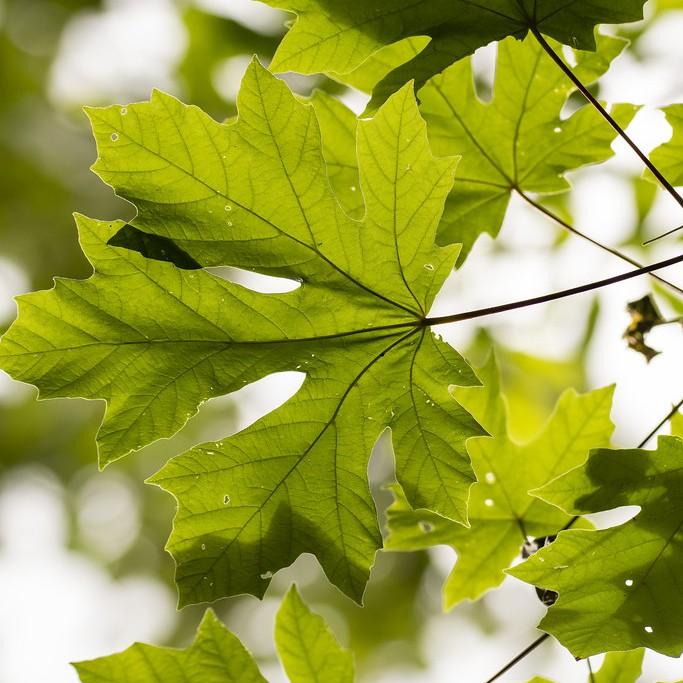
Big Leaf Maple
Acer macrophyllum
Black Gum
Nyssa sylvatica