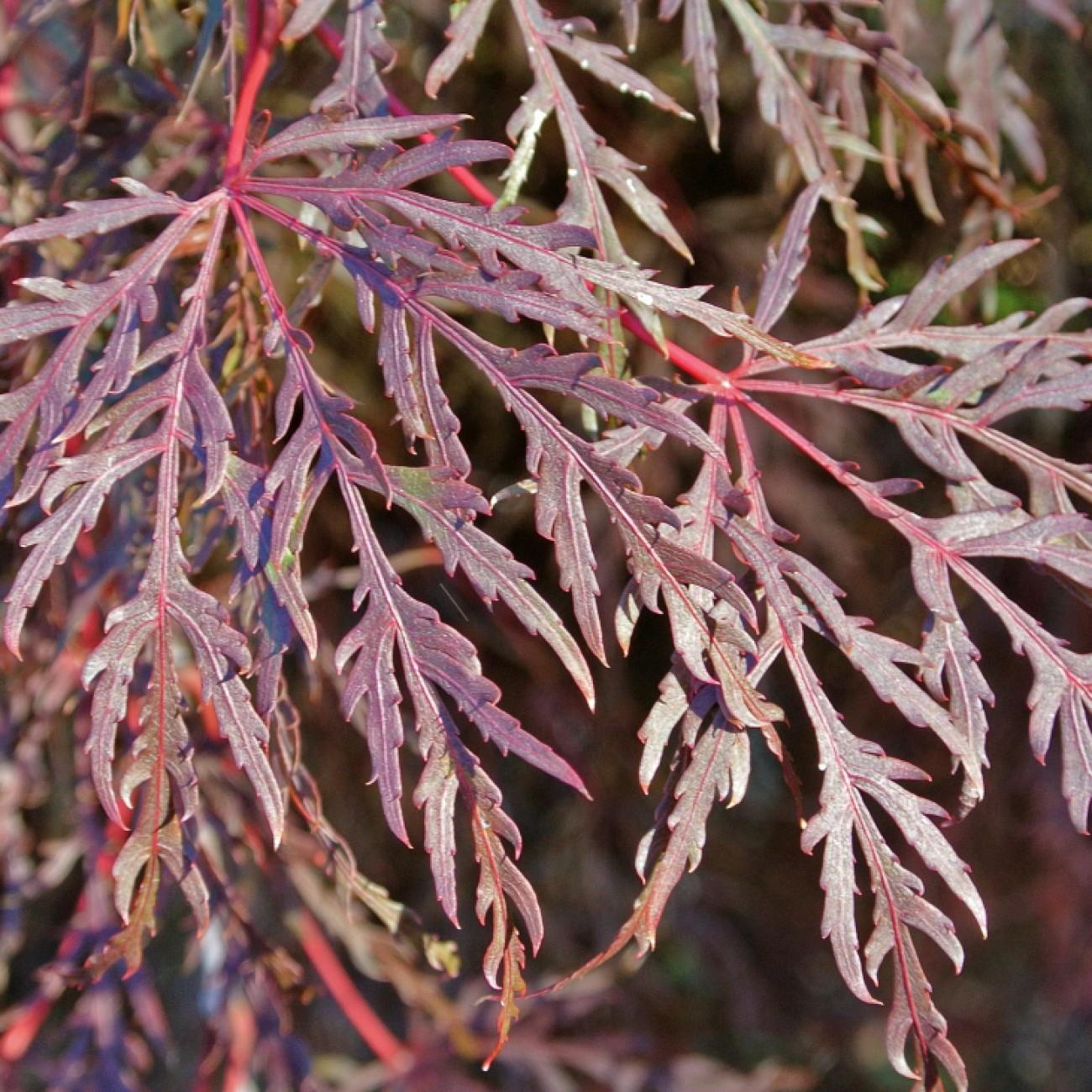
Japanese maple
Acer palmatum var. dissectum 'Inaba-shidare'
Overview
The Japanese maple (Acer palmatum var. dissectum 'Inaba-shidare') is an amazing plant species due to its captivating foliage, which has dark green, deeply divided leaves that turn vibrant yellow, orange and finally a stunning red in the autumn. Its branches also have an attractive weeping habit, creating a graceful and beautiful sight when lit up by the sun. It can tolerate wind and some cold temperatures and can be easily grown in a range of soils, requiring only minimal care. Inaba - shidare will make a stunning focal point in any space and is an excellent choice for any garden.
Care Guide
Watering
Japanese maple should be watered thoroughly and deeply on a regular basis for optimal growth. Depending on the soil conditions, amount of sun/shade, and the size of the plants, they should be watered once every 5 to 10 days in the summer. During the hotter parts of the day, it can be beneficial to mist or sprinkle the plants to provide extra water, especially during long periods of drought. In the winter, the plant should only be watered when the soil is completely dry.
Light
Japanese maple trees should be given approximately 4-6 hours of direct sunlight a day. This is most prominently available during the early morning and late afternoon hours. During the hottest and sunniest period of the day, between 10am and 2pm, the Japanese maple should be given protection from the intense sun to prevent scorching and drying of the leaves. During the winter months, it is best to provide the Japanese maple with just a few hours of light in the form of morning sun as the sun is less intense during this period.
Temperature
Hardiness zone 5–9.
Pruning
Pruning Japanese maples is important to maintain a healthy tree and encourage new growth. Pruning should be done in late winter or early spring (February or March) before the tree begins to leaf out. It is best to remove no more than 1/3 of the total branches in a year and no more than 1/2 of the smaller branches. Pruning cuts should be kept to a minimum and should be made just above a bud to preserve the aesthetically pleasing shape of the tree. Avoid removing large branches close to the trunk, which can ruin the shape and form of the tree. Japanese maples should be pruned lightly each year, rather than heavily pruning annually.
Propagation
Grafting Propagation, Layering Propagation, Cutting, Air Layering Propagation, Division, Root Cutting
Guides that mention Japanese maple
Bloodgood Japanese Maple Care: Growth Rate, Growing Tips, and Maintenance Basics
Learn how to care for your Bloodgood Japanese Maple, plus how fast this popular ornamental tree grows to help you plan your garden layout.
Acer Rubrum Red Sunset Maple: Care, Cultivar Comparison, and Planting Guide
Learn how to grow, care for, and choose between Acer Rubrum Red Sunset maple and popular red maple cultivars for your outdoor landscape.
Related plants
Other plants you might like if you grow Japanese maple.
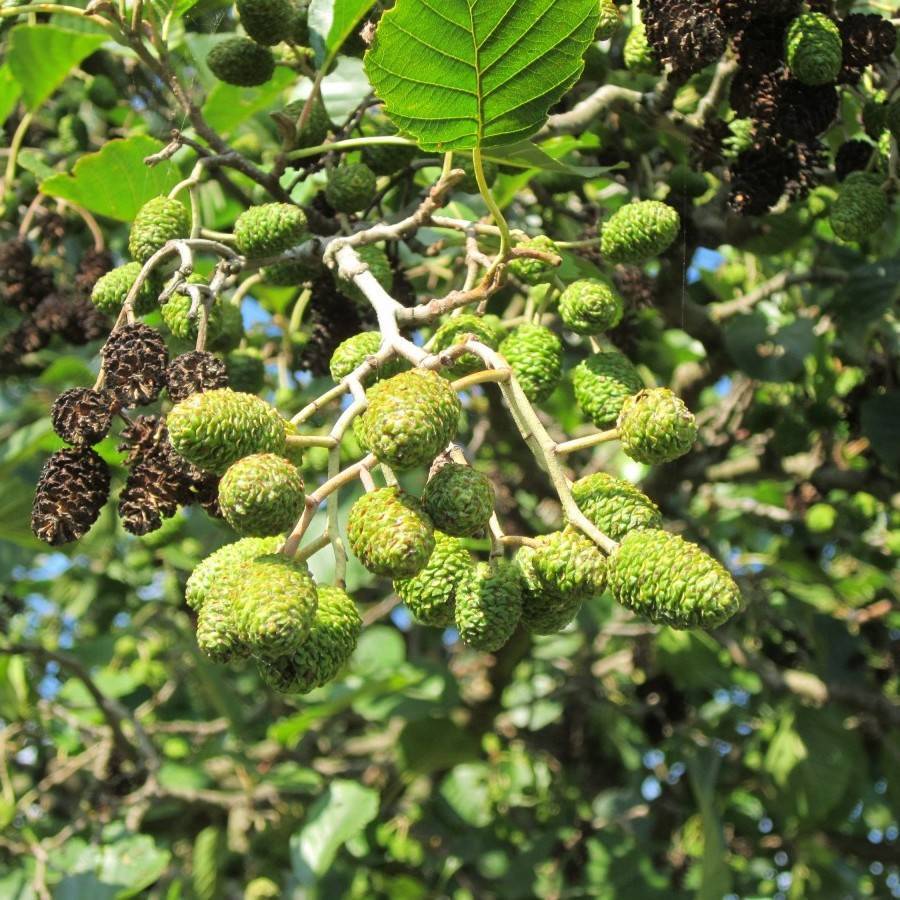
alder
Alnus mayrii
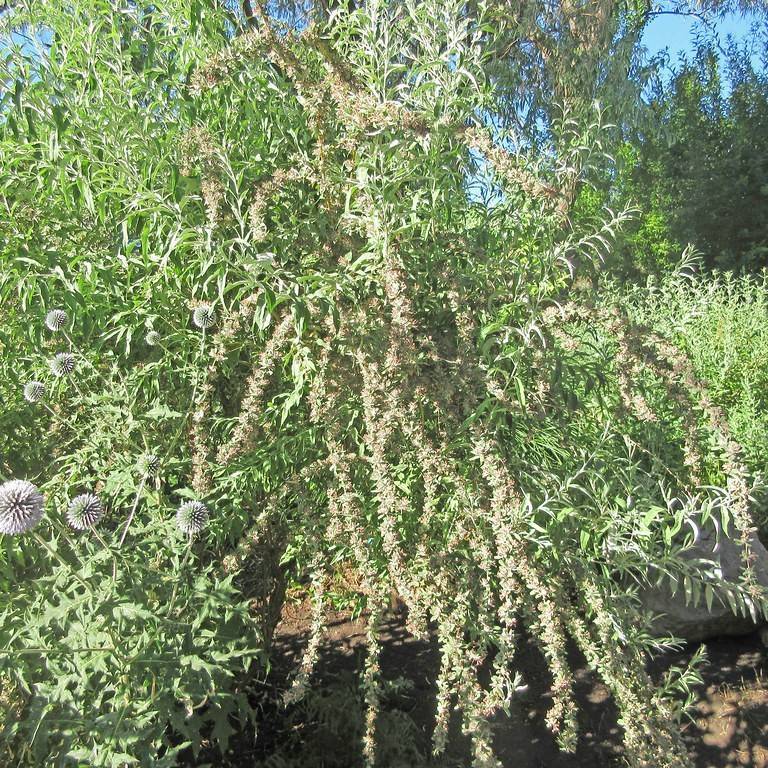
alternate-leaved butterfly bush
Buddleja alternifolia
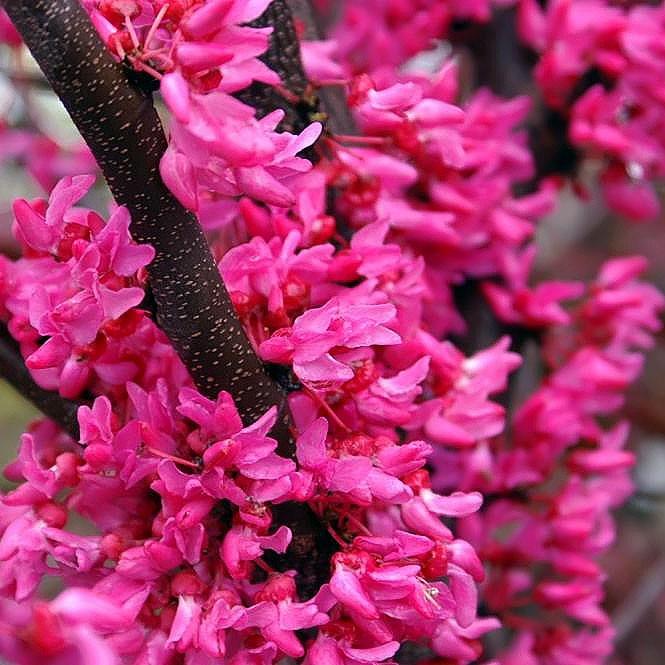
Appalachian Red Redbud
Cercis canadensis 'Appalachian Red'
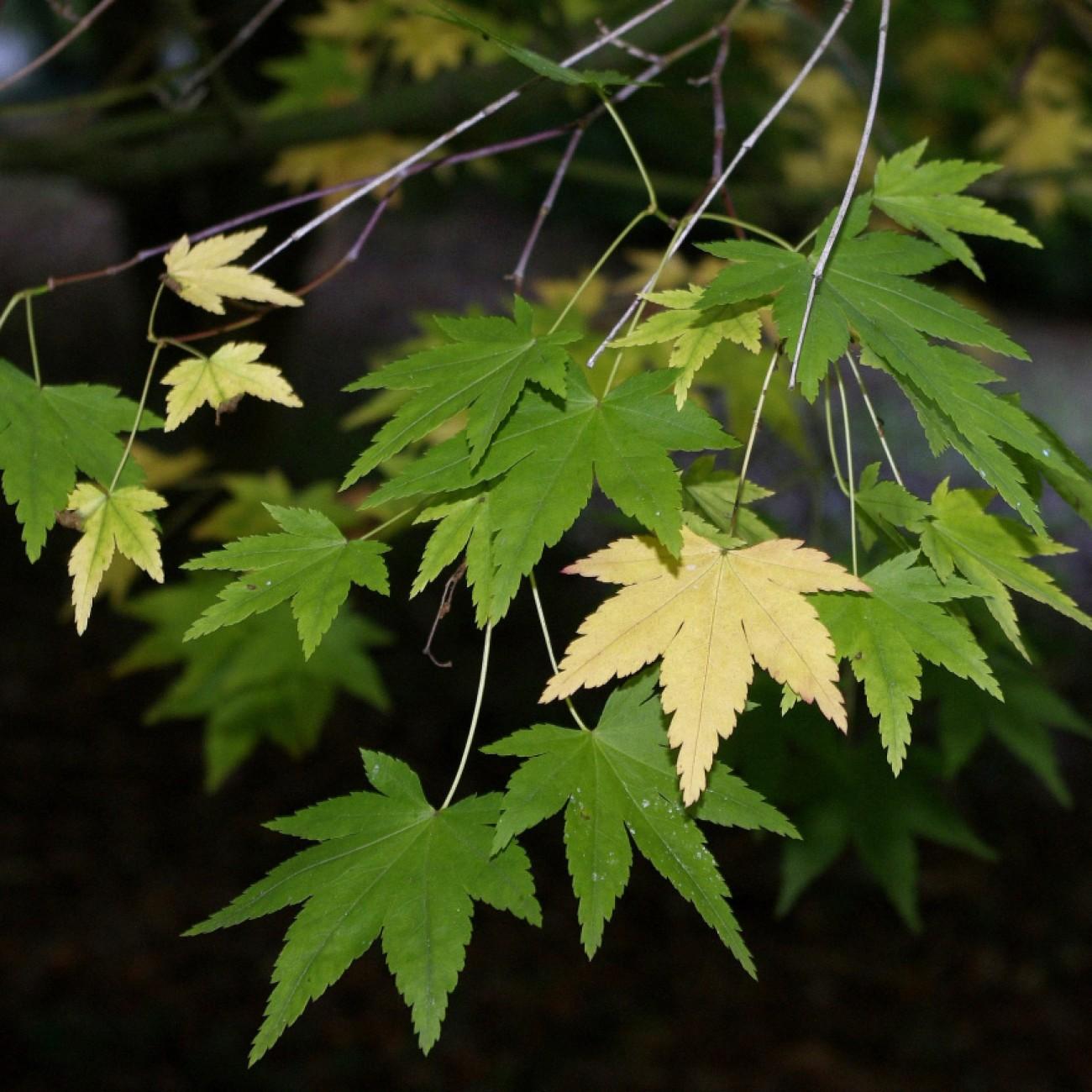
Arakawa Cork Bark Japanese Maple
Acer palmatum 'Arakawa'
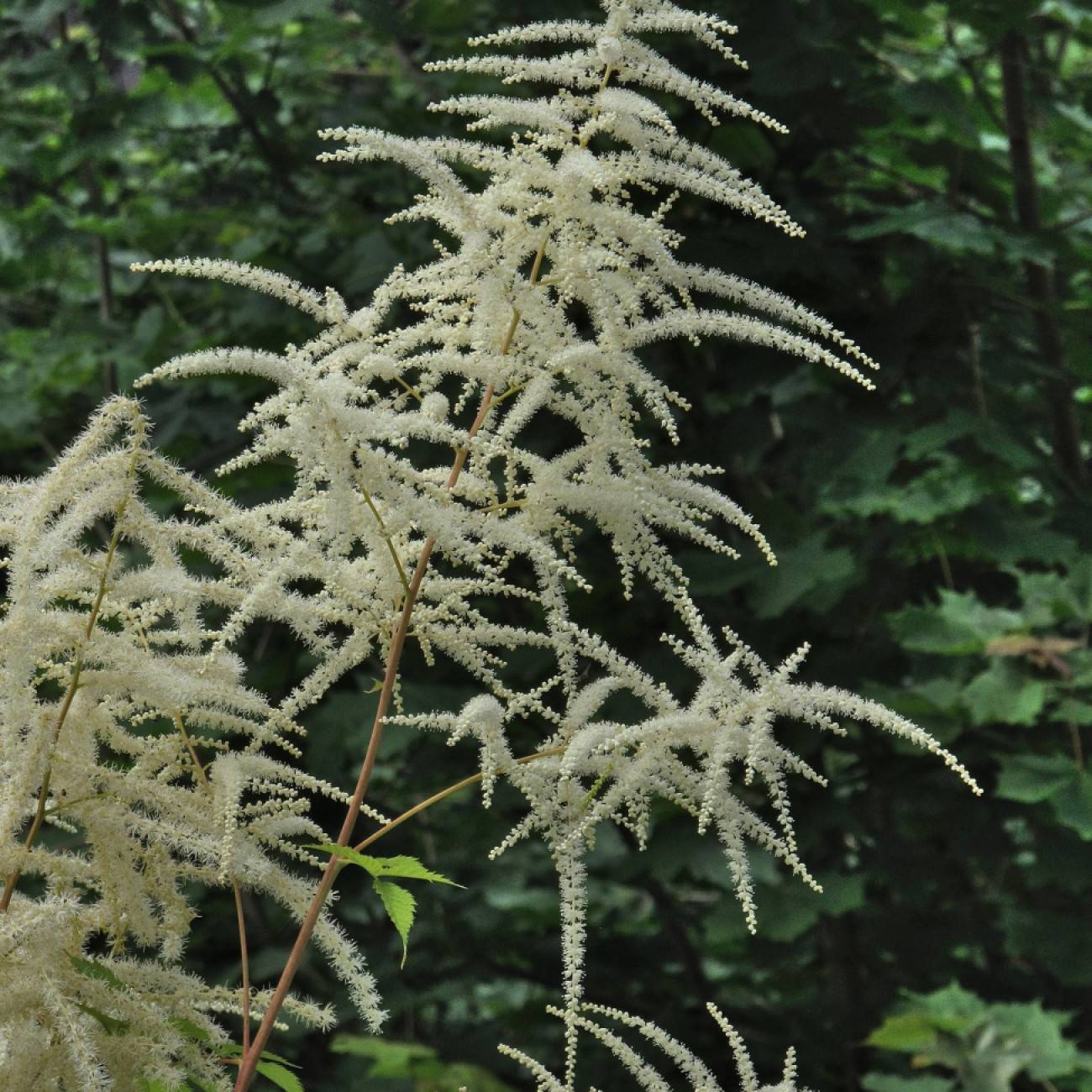
aruncus
Aruncus 'Horatio'
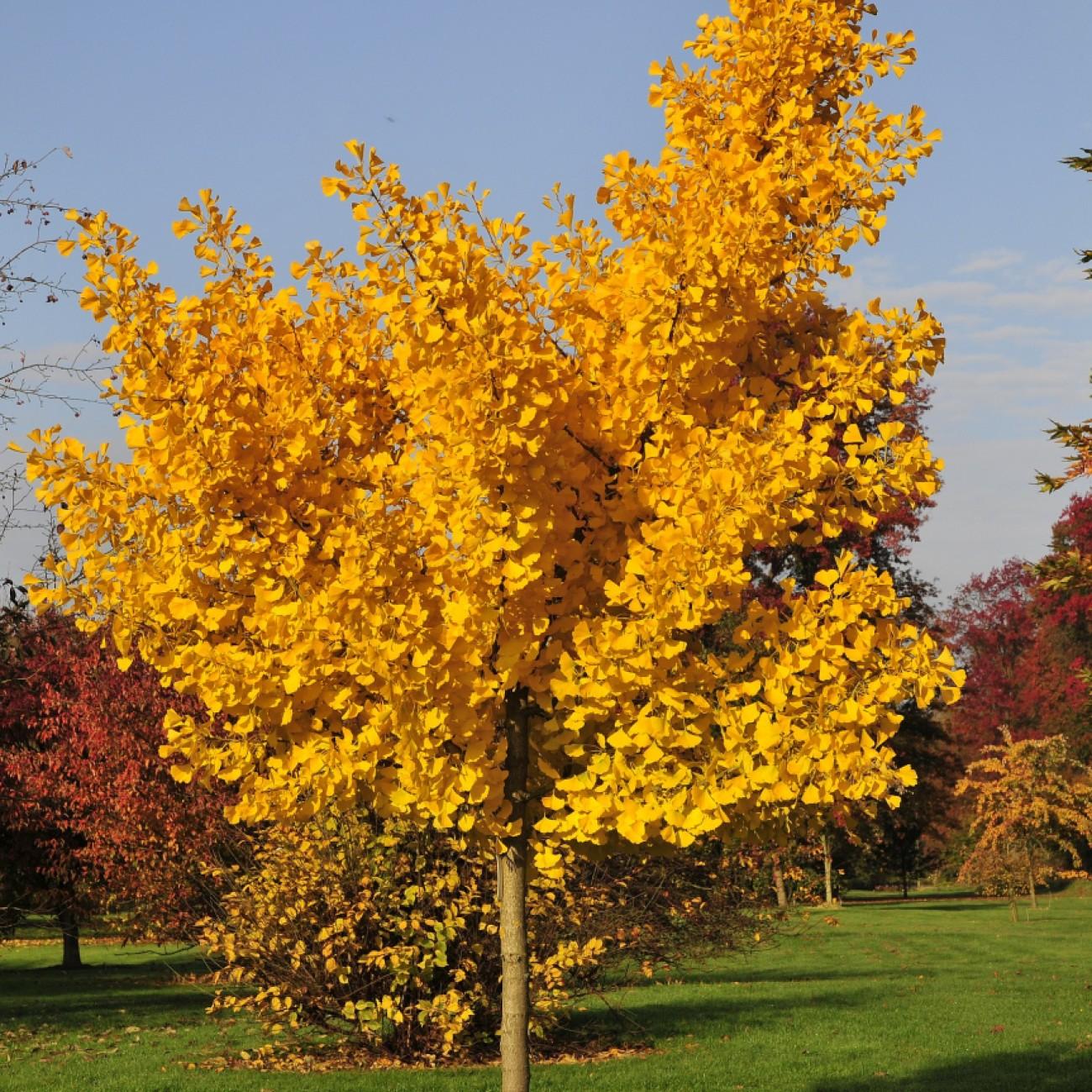
Autumn Gold Ginkgo
Ginkgo biloba 'Autumn Gold'
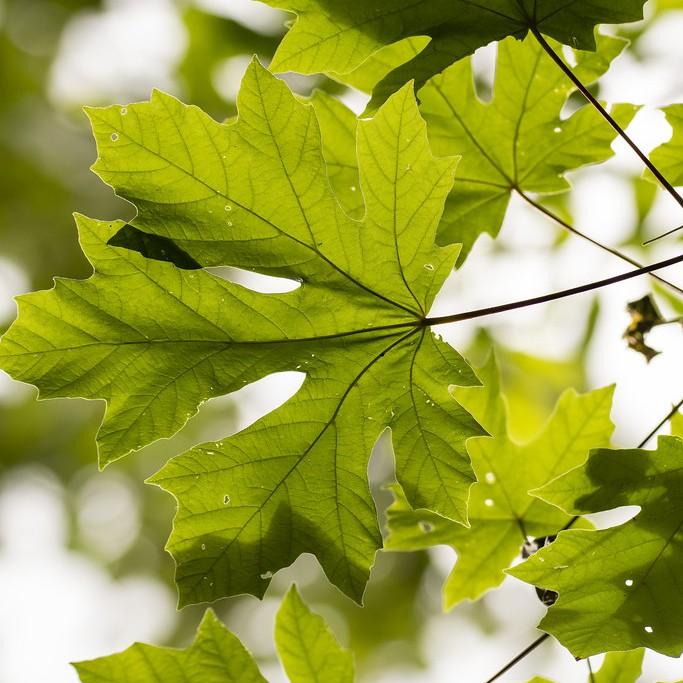
Big Leaf Maple
Acer macrophyllum
Black Gum
Nyssa sylvatica