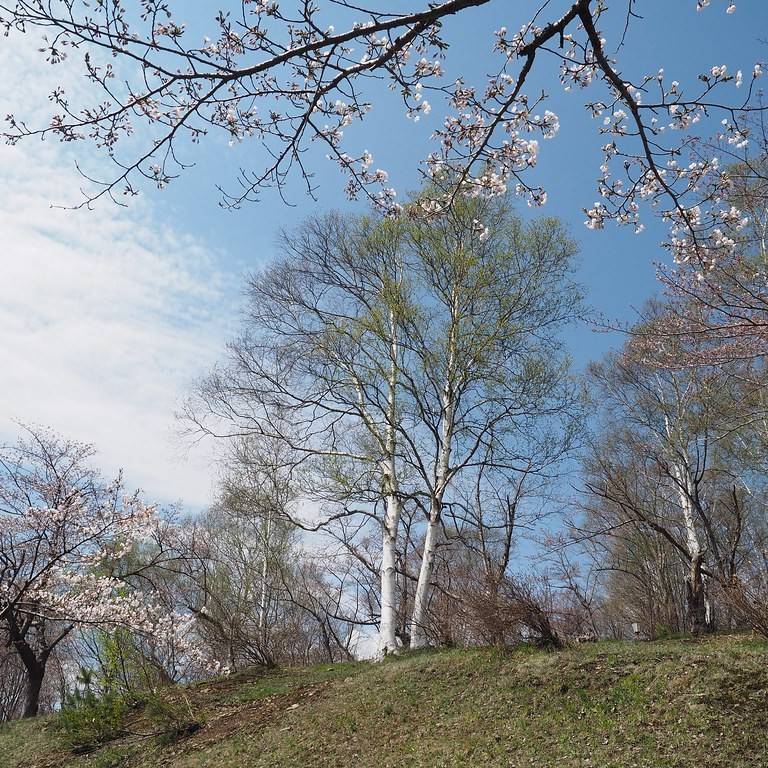
Japanese white birch
Betula platyphylla 'Fargo' DAKOTA PINNACLE
Overview
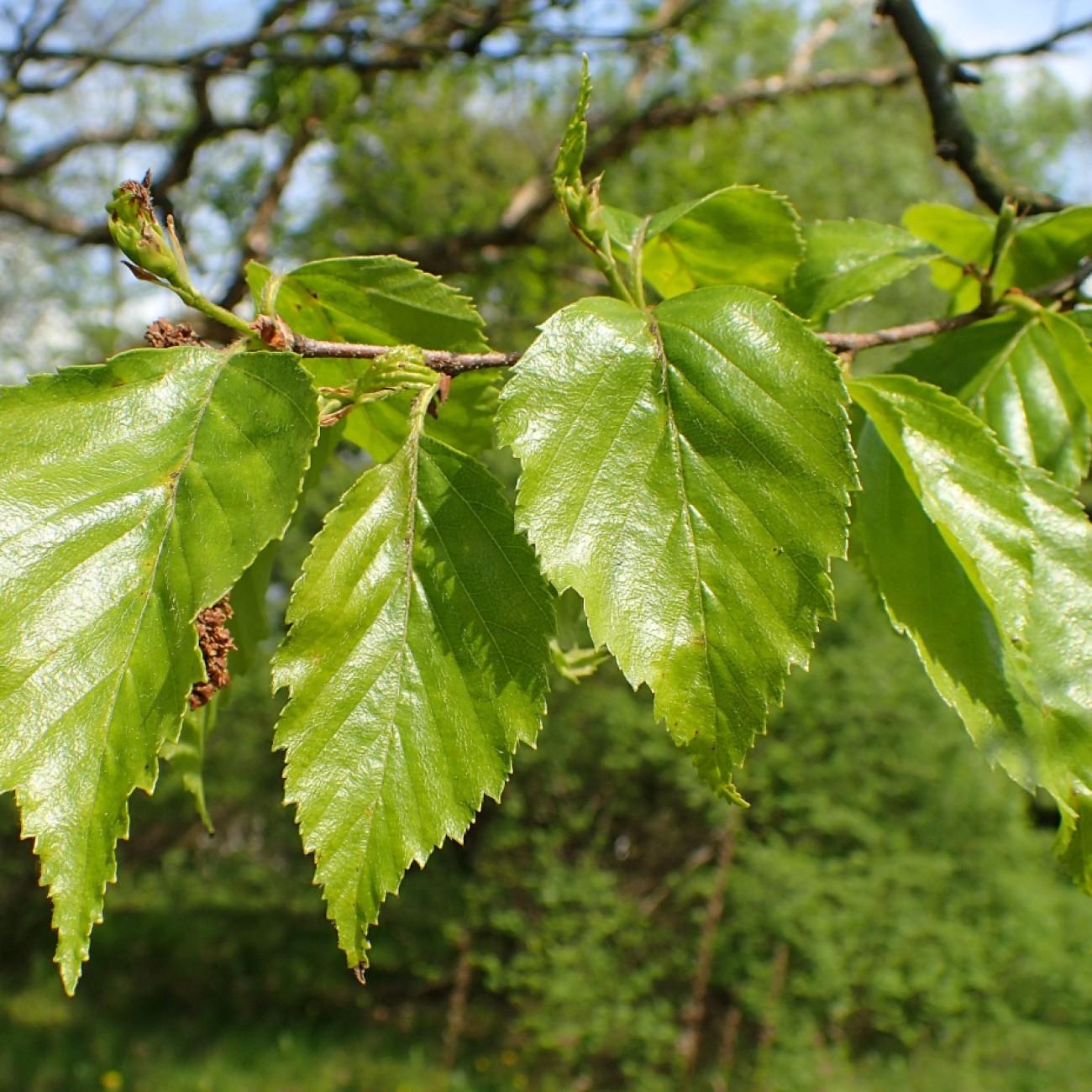
Japanese White Birch (Betula Platyphylla 'Fargo' Dakota Pinnacle) is a stunning tree species with a unique beauty that makes it stand out in any landscape design. Its white bark and bright green foliage contrast brilliantly against any background and can be a great focal point in a garden or outdoor area. It's low maintenance with a fast growth rate and its adaptability to various soil types make it one of the best birch trees used in landscaping. This species also tolerates various weather conditions, making it a great choice for colder climates. Its remarkable structure creates a beautiful silhouette that can be enjoyed all year round. This versatile tree makes a great addition to any outdoor space.
Care Guide
Watering
Water Japanese white birches regularly with approximately 1 inch of water per week during the growing season and decrease the amount of water during the winter months. Water plants deeply, so that the moisture penetrates the soil, and allow the top inch of the soil to dry out before re-watering. Mulch soil around plants to help conserve water and maintain moisture in the soil.
Light
Japanese white birch (Betula platyphylla 'Fargo' DAKOTA PINNACLE) is a deciduous tree that prefers at least 6 hours of direct sunlight per day. It does best in full sun, but can tolerate some light shade. Ideally, the tree should receive sun from dawn until mid-afternoon when the sun is at its highest and brightest. In areas with hot summers, it is wise to provide some afternoon shade to protect it from the harsh afternoon sun.
Temperature
Hardiness zone 3–7.
Pruning
Japanese white birch should be pruned in late winter or early spring, before the new growth begins. The tree should be pruned to shape and remove dead, diseased, or damaged branches, and to remove any competing branches or overly dense foliage to ensure the tree has good air circulation and access to sunlight. New growth should be thinned out to create a pleasing shape, while older, larger branches should be trimmed lightly to ensure their health. This pruning should be done on an annual basis, once or twice a year.
Propagation
Cutting, Grafting Propagation, Layering Propagation, Air Layering Propagation, Division, Seed Propagation
Related plants
Other plants you might like if you grow Japanese white birch.