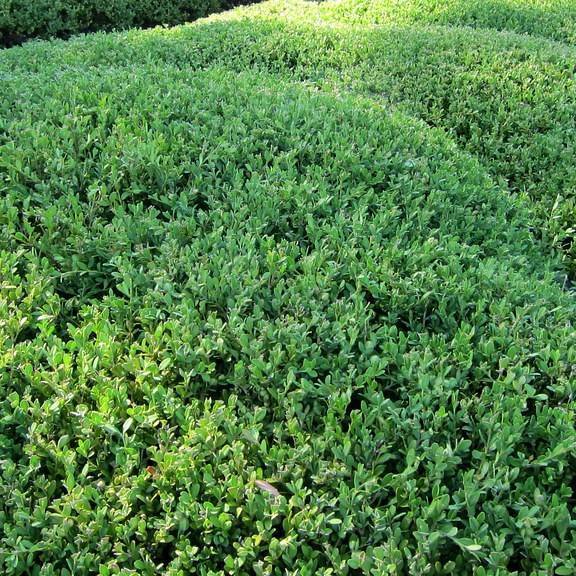
Korean boxwood
Buxus sinica var. insularis 'Wintergreen'
Overview
Korean boxwood (Buxus sinica var. insularis 'Wintergreen') is an amazing plant species for its unique, evergreen foliage and hardy nature. It's slow-growing and low-maintenance. Its dark green, leathery leaves make it ideal as hedge, topiary, or a foundation planting. During winter months, the leaves turn a deep, glossy, dark green that is almost burgundy-colored. Its low-to-medium moisture needs make it perfect for cooler climates, and it's quite tolerant of drought and clay soils. Korean boxwood is a great choice as a specimen, informal hedge, foundation planting, or in containers. Its versatility and vibrant colors make it a great addition to any garden year-round.
Care Guide
Watering
Korean boxwood (Buxus sinica var. insularis 'Wintergreen') should be watered deeply but not often. During the spring and summer months, water twice per week, allowing the soil to become slightly dry between each watering. In the fall and winter months, water only once a month. If the soil has become overly dry, an extra watering may be required. Avoid overwatering, as this can lead to root rot and other issues with the plant.
Light
Korean boxwood (Buxus sinica var. insularis 'Wintergreen') require bright, indirect sunlight — at least a few hours of direct light a day, along with 6-8 hours of indirect sunlight. Providing Korean boxwood with too much direct sunlight in summer can damage the leaves, and too little can slow growth. During the spring and summer months, it may benefit from being placed in full sunlight for a few hours each day. During the winter, it only needs as much light as available from a south- or southwest-facing window.
Temperature
Hardiness zone 4–9.
Pruning
Korean boxwood (Buxus sinica var. insularis 'Wintergreen') requires periodic pruning in order to maintain a neat, dense shape. The best time to prune these plants is in early spring, after the last frost has passed. Pruning should be done in small increments and only occasional light pruning should be done outside of this period. When pruning, remove only about 1/3 of the overall growth each time, and avoid pruning too much at once. It is okay to prune branches back to anywhere from 1/2 inch to 2 inches in length, but do not prune branches so that they become shorter than 1/2 inch. Doing so could leave gaps or thin out the foliage.
Propagation
Cutting, Layering Propagation, Grafting Propagation, Division
Related plants
Other plants you might like if you grow Korean boxwood.
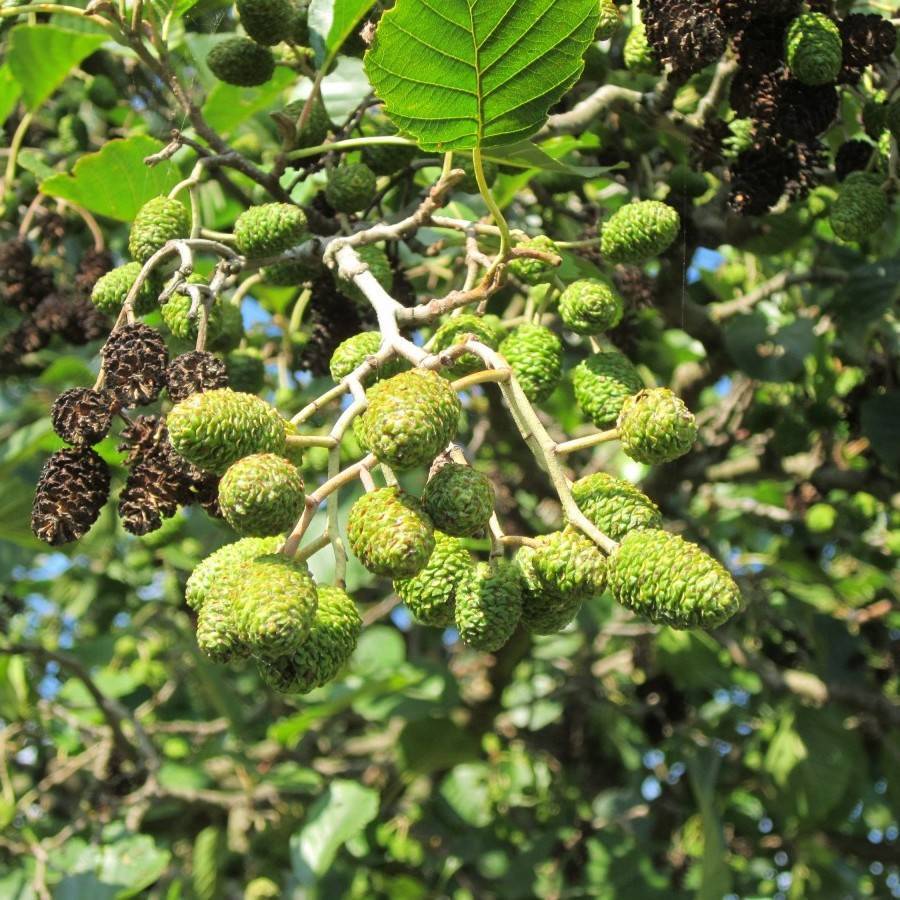
alder
Alnus mayrii
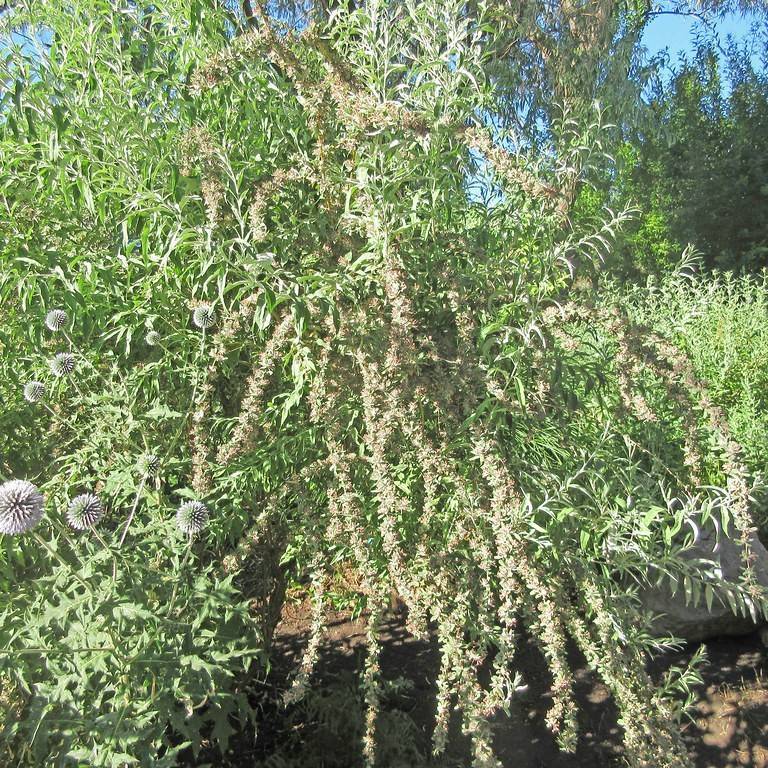
alternate-leaved butterfly bush
Buddleja alternifolia
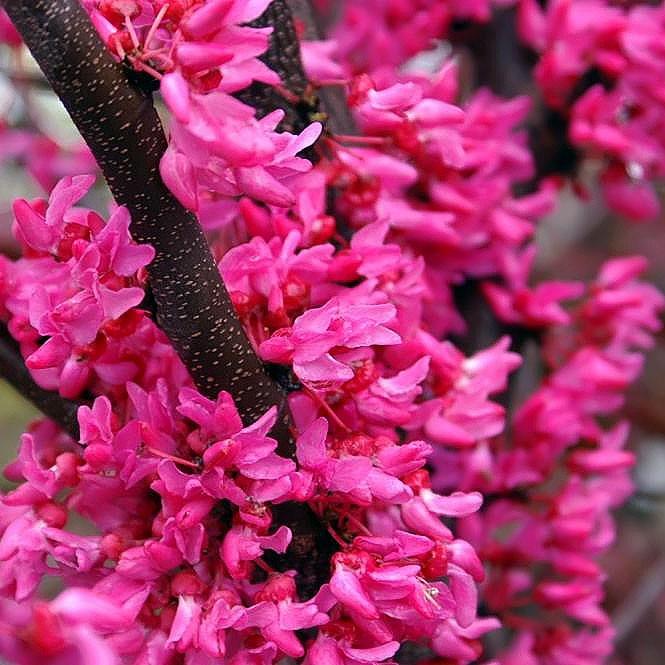
Appalachian Red Redbud
Cercis canadensis 'Appalachian Red'
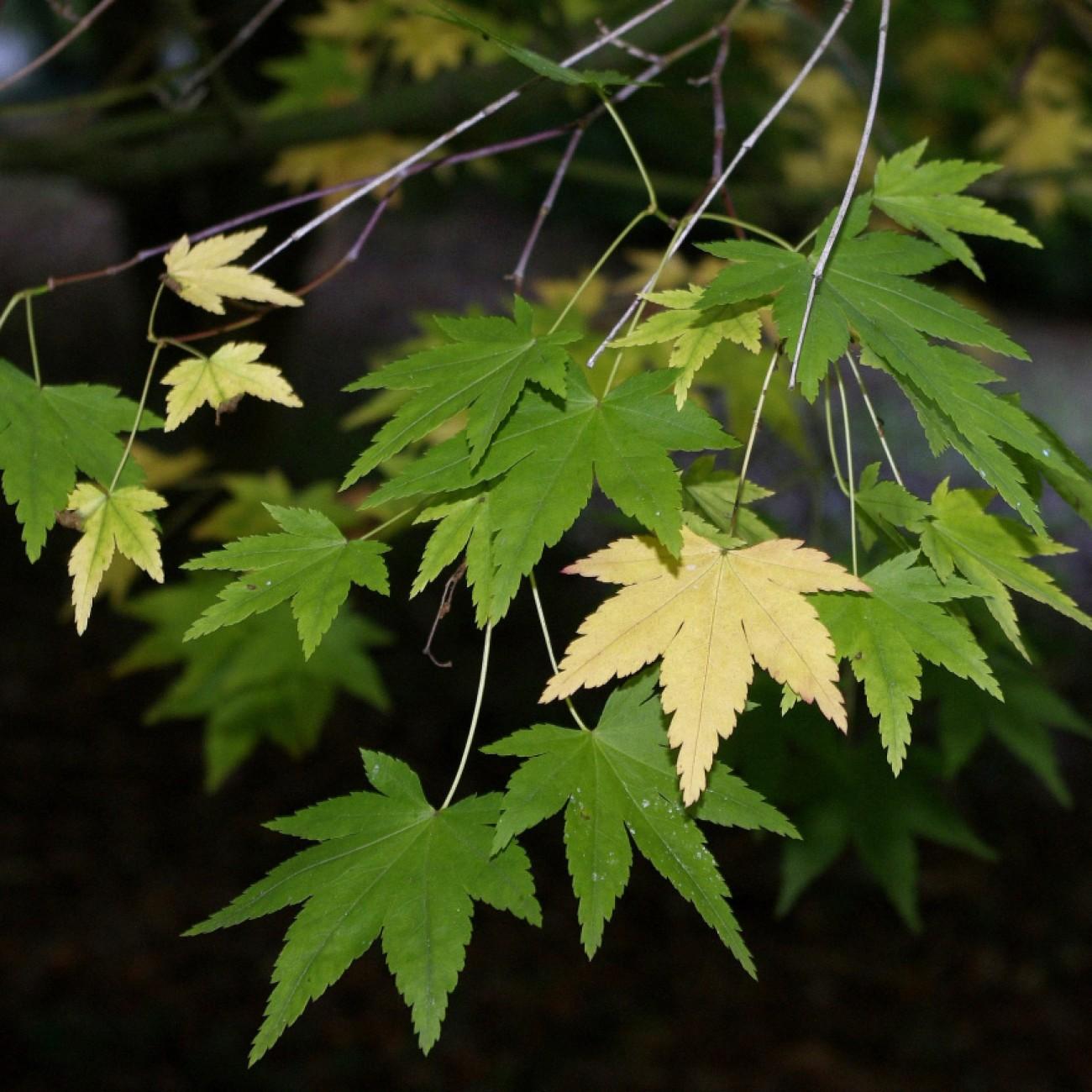
Arakawa Cork Bark Japanese Maple
Acer palmatum 'Arakawa'
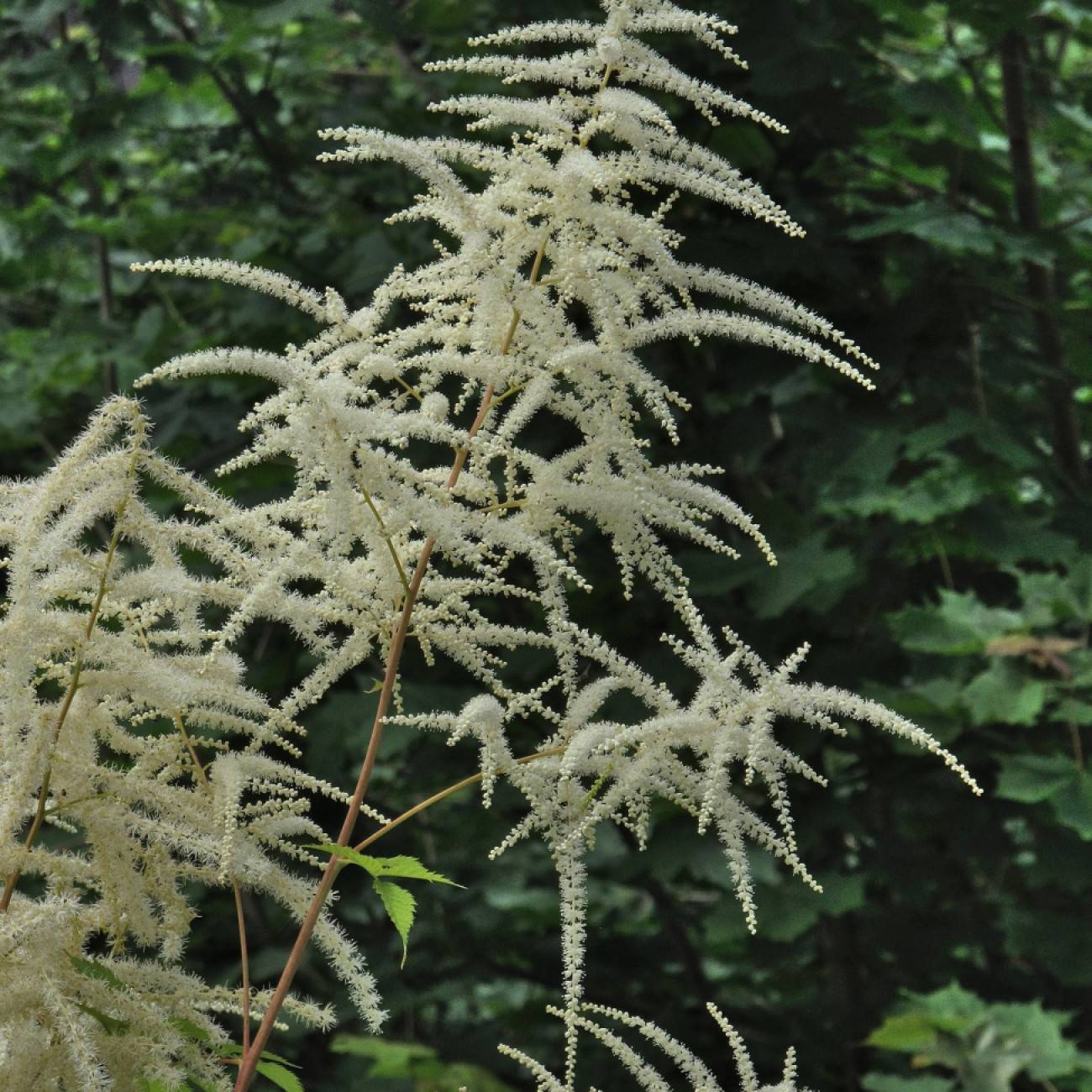
aruncus
Aruncus 'Horatio'
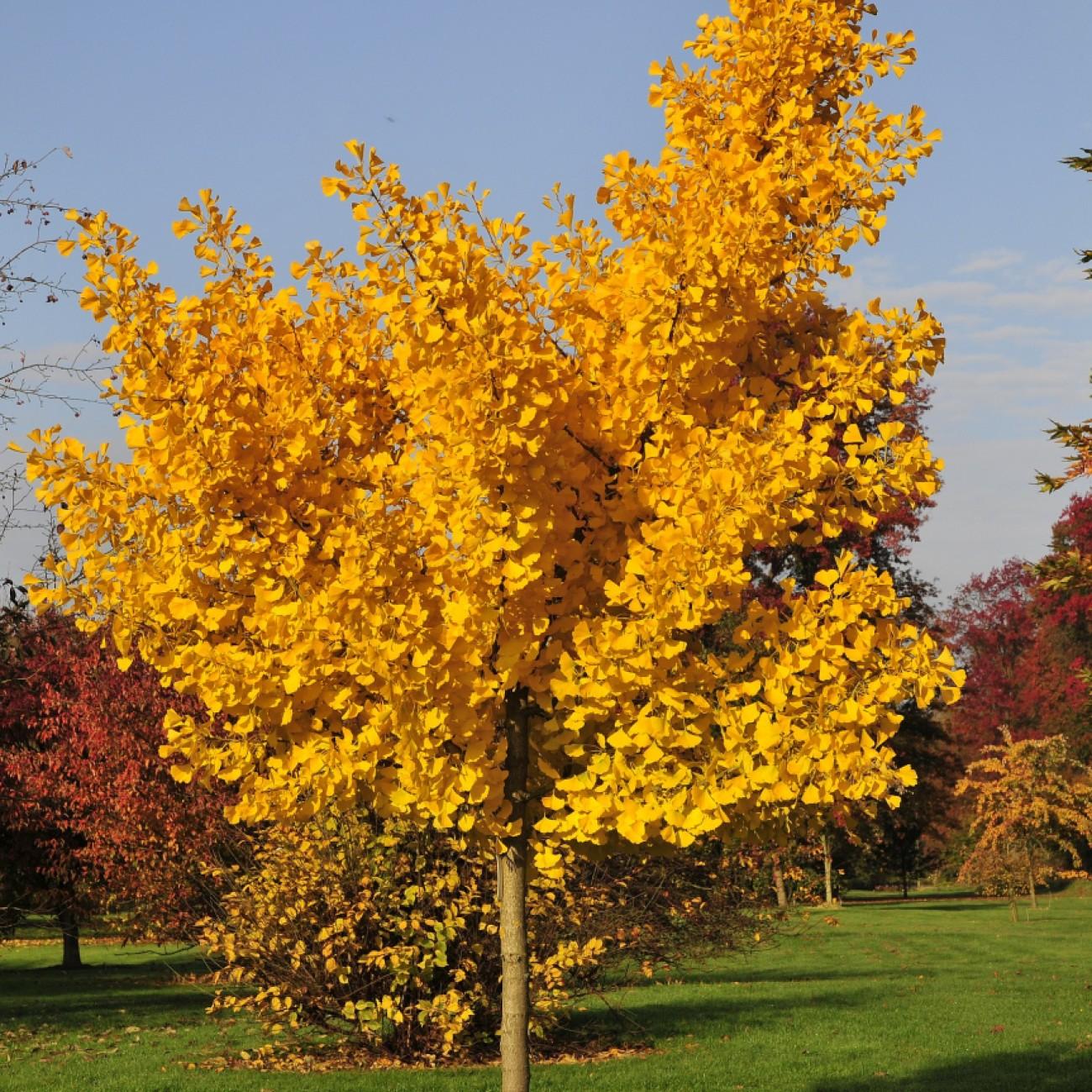
Autumn Gold Ginkgo
Ginkgo biloba 'Autumn Gold'
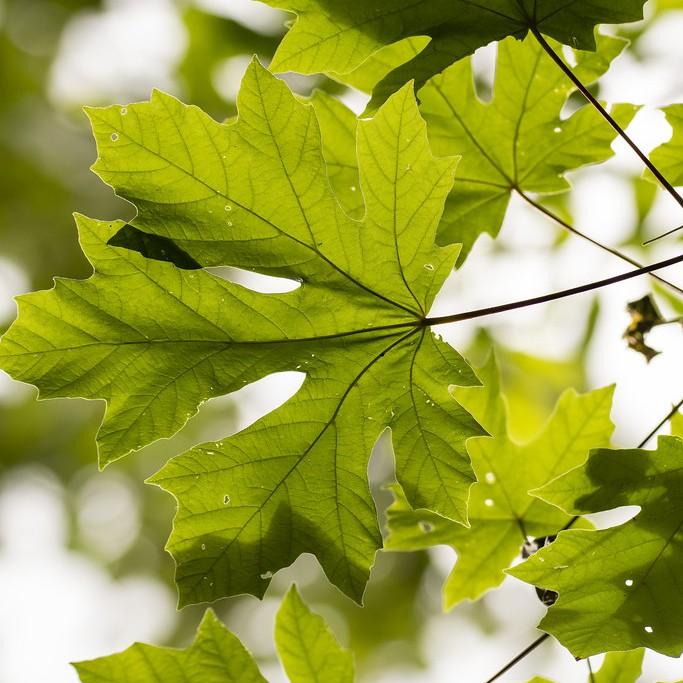
Big Leaf Maple
Acer macrophyllum
Black Gum
Nyssa sylvatica