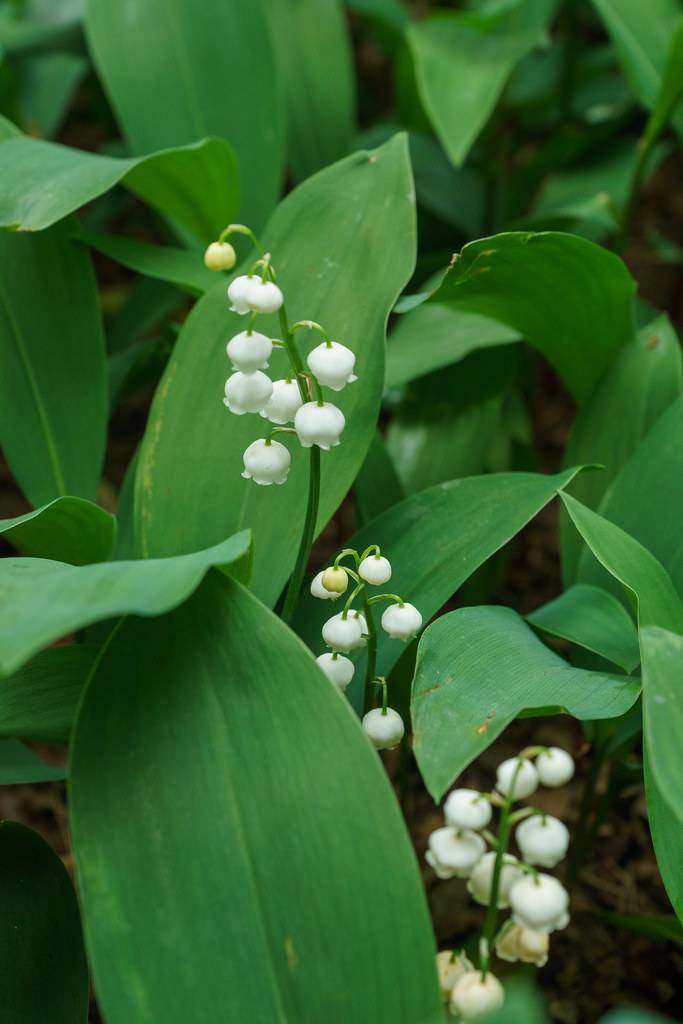
lily of the valley
Convallaria majalis var. rosea
Overview
The Lily of the Valley is an amazing species due to its delicate beauty combined with a pleasant scent. The plant is comprised of small, bell-shaped, white flowers that dangle beneath its small bright green leaves. It is native to Europe and Asia and is widely grown in gardens and flower beds. The Lily of the Valley can be repotted in small containers to bring it indoors, creating a stunning addition to any home. Its essence is used to make a delightful fragrance, and its petals can be made into an extract that is said to have medicinal benefits. In short, it is truly a showstopper both inside and outside, and a species that should not be overlooked!
Care Guide
Watering
Lily of the valley (Convallaria majalis var. rosea) are relatively easy to take care of. They should be watered every 2 to 3 days, about once a week. The soil should be kept slightly moist, but not waterlogged. Be careful not to pour too much water on the roots. During warmer, summer months, you may have to water more frequently, as the soil will dry out faster. In the winter, when the temperatures are cooler, you may only need to water every 10 days to 2 weeks. Be sure to water thoroughly, until water starts to trickle out of the drainage holes to ensure the soil is evenly moist.
Light
Lily of the valley (Convallaria majalis var. rosea) does best in full or partial shade and appreciates bright, indirect sunlight. Generally, 4 to 6 hours of bright, indirect sunlight is the ideal amount for this plant. Direct sunlight should be avoided, as it will cause the plant's foliage to sunburn or fade. Too much shade will also impact the health and growth of this plant, so the right balance is important. Additionally, lily of the valley does not need to be watered as frequently as other plants, as it has adapted to survive with little water.
Temperature
Hardiness zone 2–7.
Pruning
For the Lily of the Valley variety Convalaria majalis var. rosea, it is best to prune in late winter or early spring before new growth begins. Pruning should be done carefully and only selectively to ensure healthy growth and flowers. Cut off the old, spent flower stalks, as well as any yellowing, diseased, or otherwise damaged leaves. The stems themselves may be cut back to encourage bushier and fuller growth. Only minor pruning is necessary beyond that, taking out any overgrown stems as needed.
Propagation
Division, Layering Propagation, Seed Propagation, Cutting
Related plants
Other plants you might like if you grow lily of the valley.
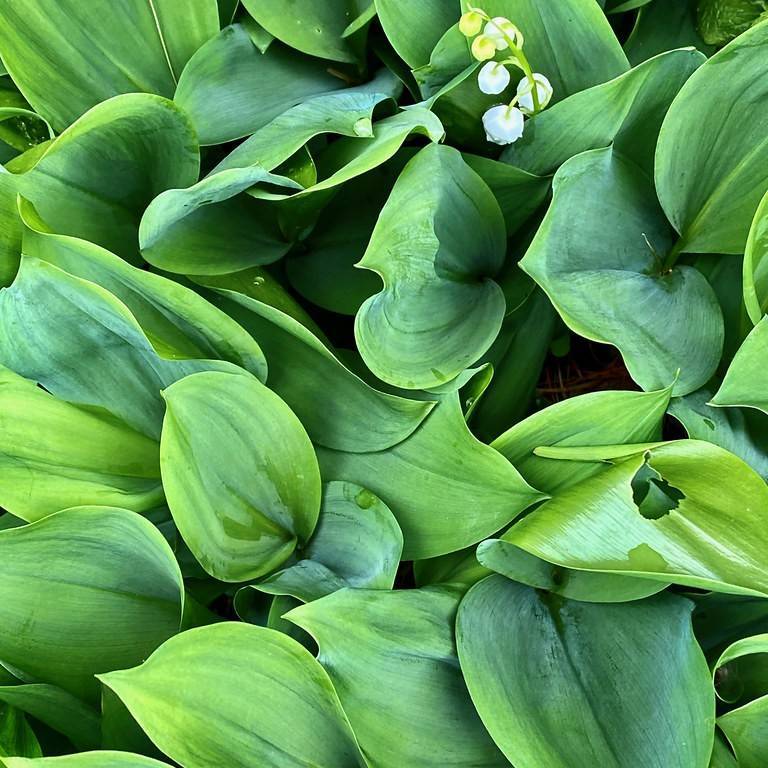
lily of the valley
Convallaria majalis
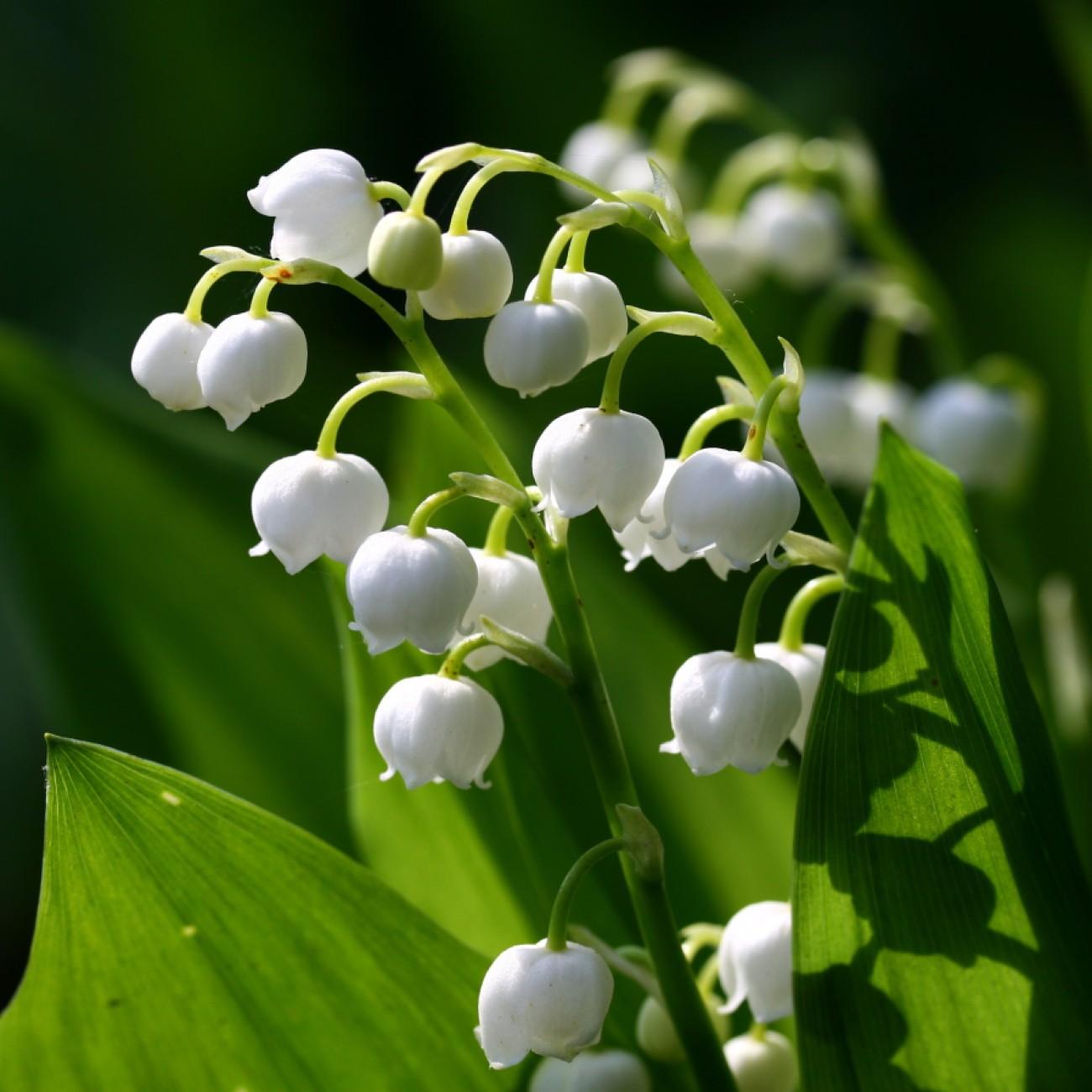
lily of the valley
Convallaria majalis 'Golden Slippers'
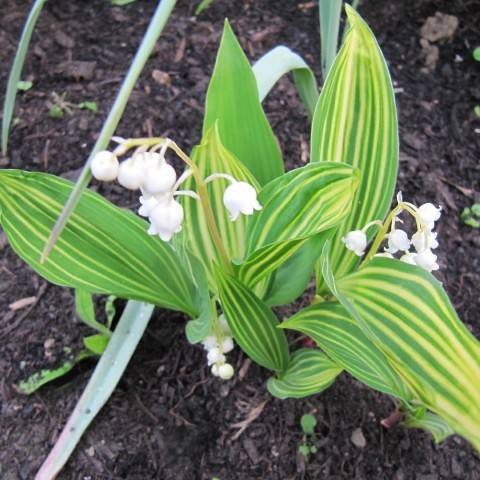
lily of the valley
Convallaria majalis 'Potsdam Stripe'
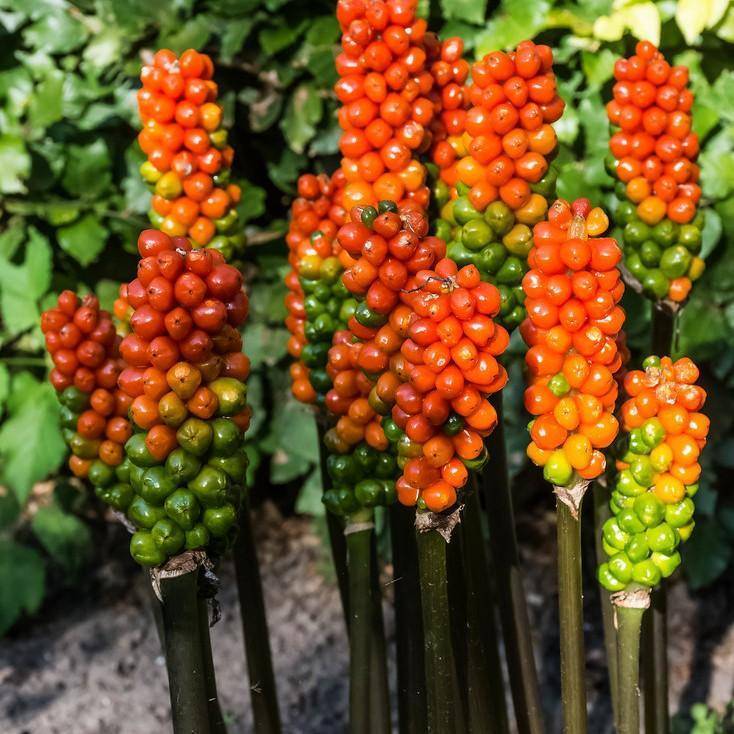
Italian arum
Arum italicum
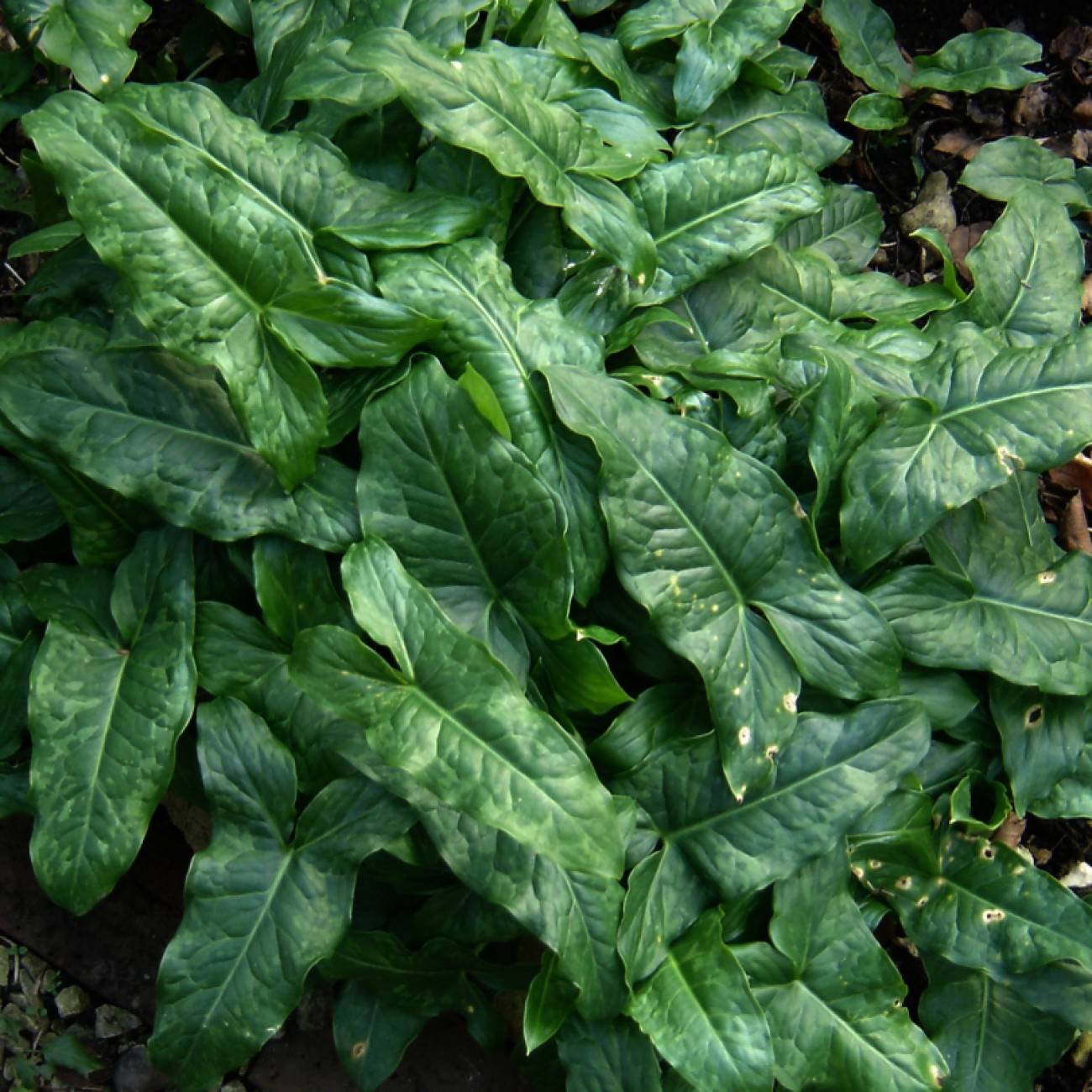
Italian arum
Arum italicum subsp. italicum 'Marmoratum'
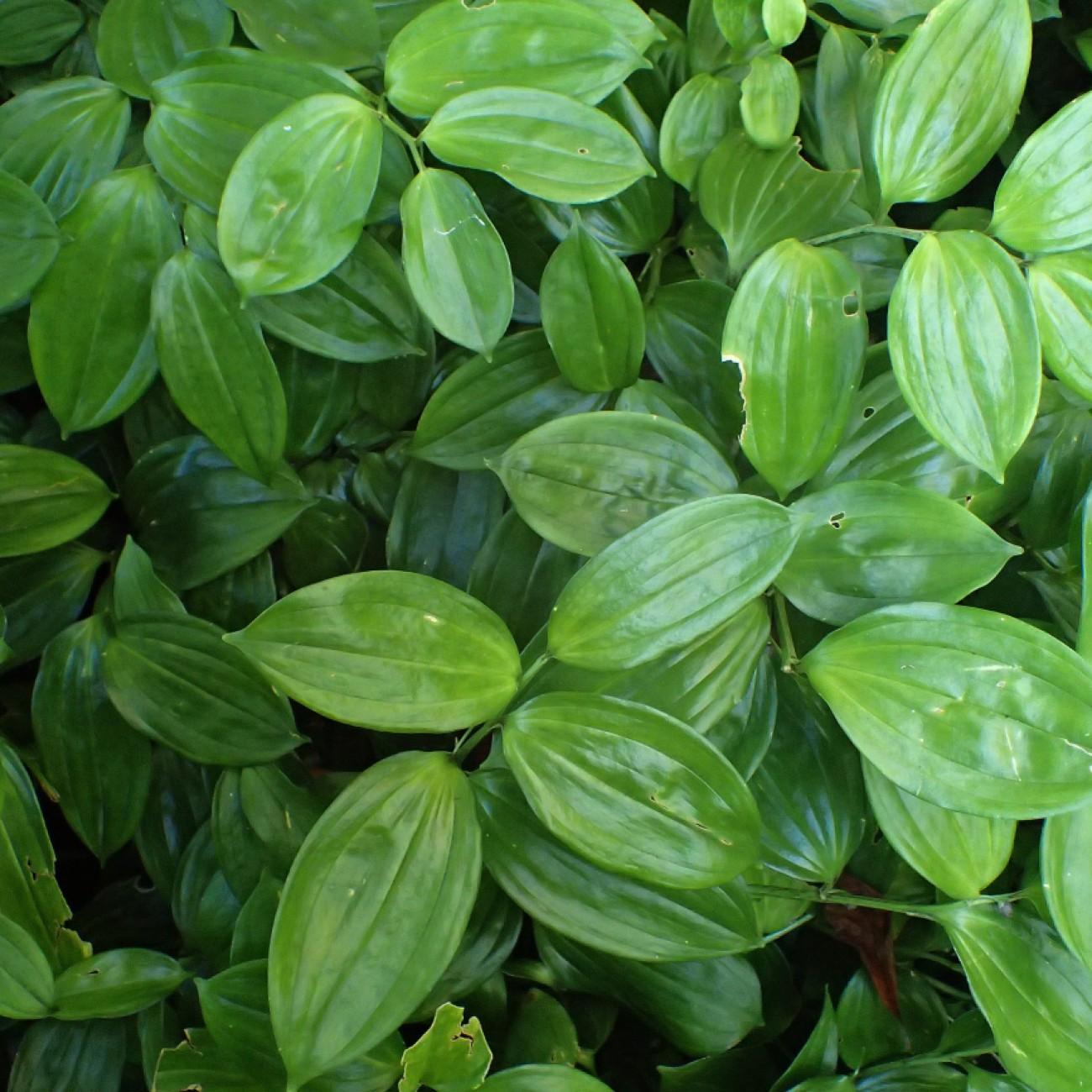
evergreen Solomon's seal
Disporopsis pernyi
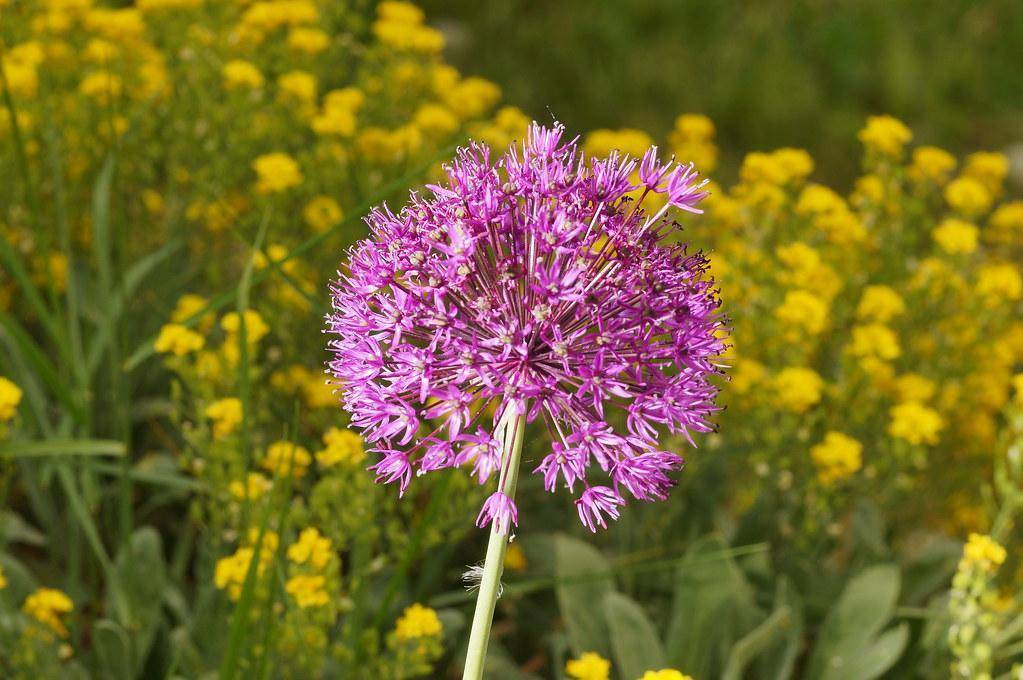
star of Persia
Allium cristophii
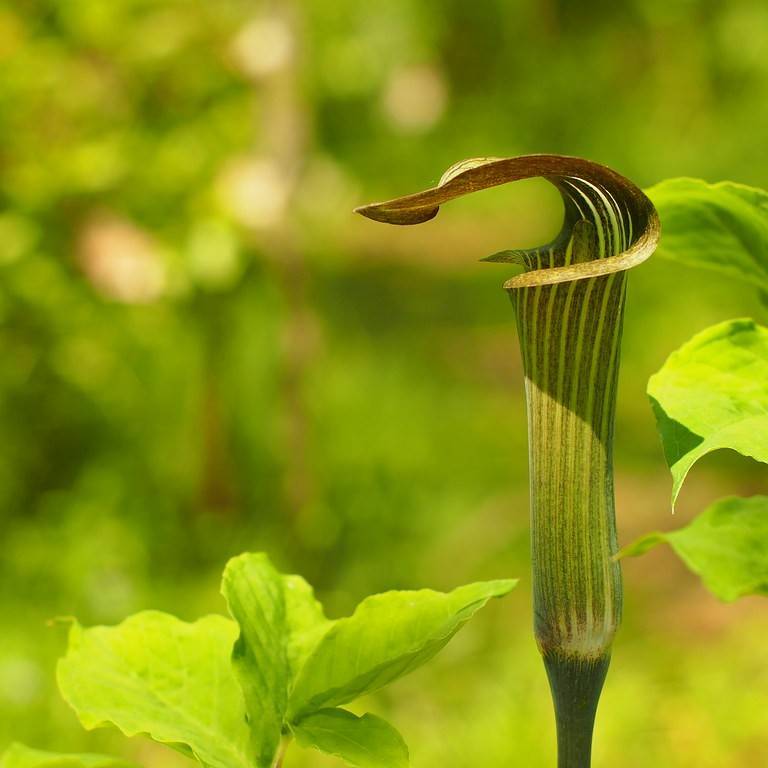
arisaema
Arisaema serratum