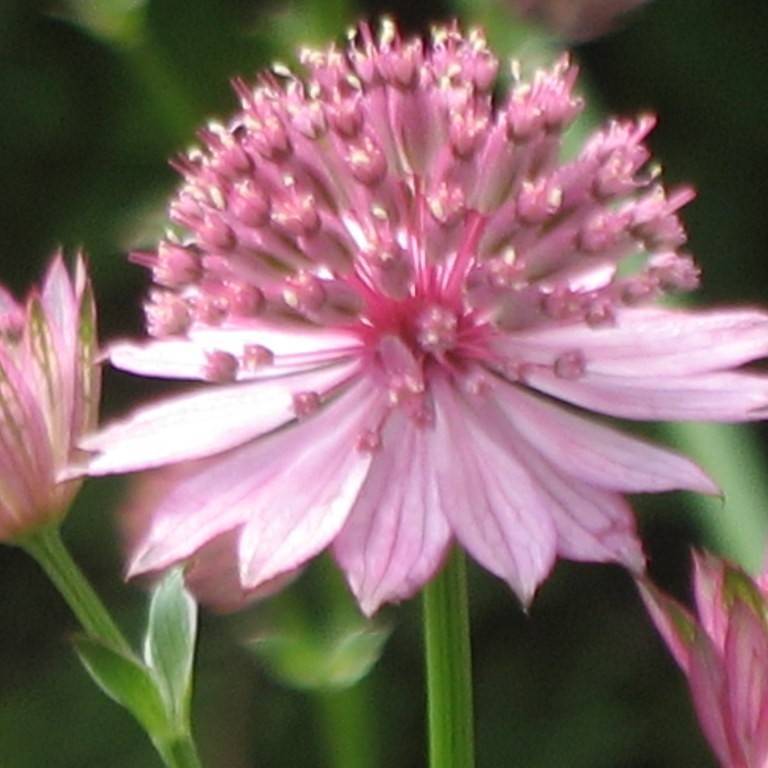
masterwort
Astrantia major 'Roma'
Overview
Astrantia major 'Roma' - commonly known as Masterwort - is an amazing plant species worthy of any garden. It grows in a clump of soft foliage, with upright stems and cup-shaped blooms that are a pleasure to look at up close. Its four-petal flowers come in shades of pink and white and are held atop elegant green bracts. It's an ideal choice for growing in mixed borders or in patio containers, as it is both drought and heat tolerant. Its foliage is also highly attractive in flower arrangements, making Masterwort a versatile plant for all kinds of garden designs.
Care Guide
Watering
Masterwort should be watered when the surface of the soil feels dry to the touch, usually once every 5-7 days. During hot weather, water every 5 days. During cooler weather, water every 7 days. Make sure the soil stays slightly damp, but not overly wet or soggy. Water the soil until you see the excess moisture start to drain from the bottom of the pot. Discard the excess water that comes out of the drainage holes. Make sure not to water the plant for too long or too often, as this can cause root rot.
Light
Masterwort (Astrantia major 'Roma') should be placed in an area where it will receive full sun for at least 4-5 hours a day. It should be kept in a spot that gets a morning or afternoon sun exposure as this will provide the best and most consistent light. Avoid exposure to direct sun for extended periods of time as this can cause the plant to become stressed. In general, masterwort does best in bright conditions but remember to not give it too much light at once!
Soil
Well-drained
Temperature
Hardiness zone 4–7.
Pruning
Masterwort (Astrantia major 'Roma') should be pruned in early spring, or late fall after bloom. Cut back any wilting, dead, or diseased stems during early spring and prune lightly to ensure vigorous growth. Some of the spent flower heads can be left on the plant, as they create attractive, seed-filled, papery bracts. Cut off any remaining seed heads after flowering is complete, and remove any branches that are too scattered or unruly. This is an easy-care plant and pruning is generally not necessary if you want it to remain full and bushy.
Propagation
Division
Diseases & Pests
Common pests: Mold, Slugs, snails.
Related plants
Other plants you might like if you grow masterwort.
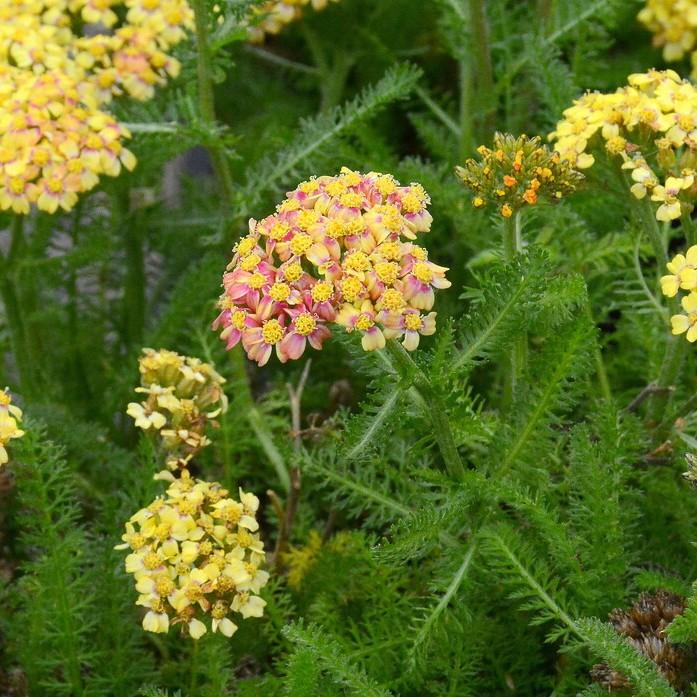
Alps yarrow
Achillea distans
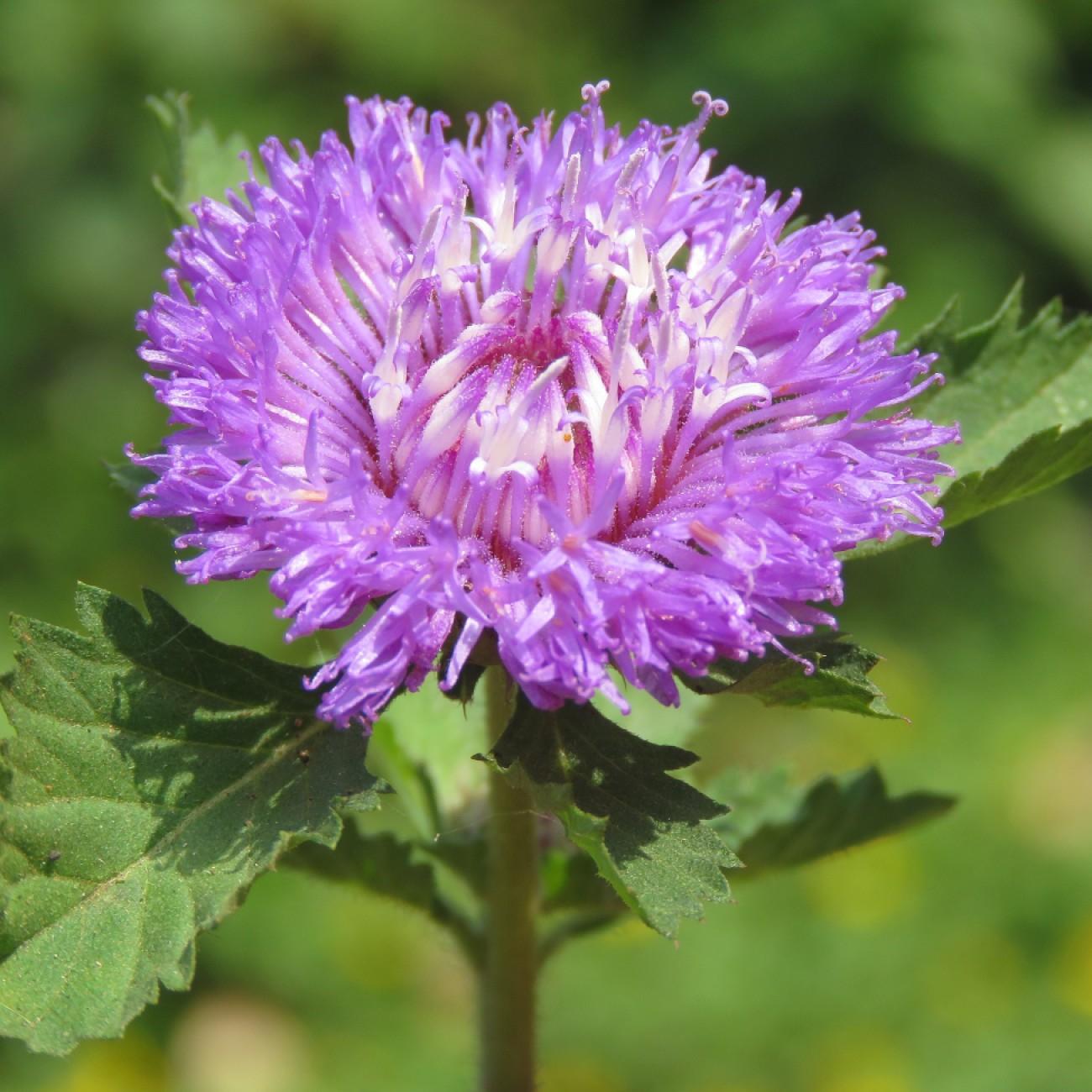
bachelor's button
Centratherum punctatum 'Button Beauty'
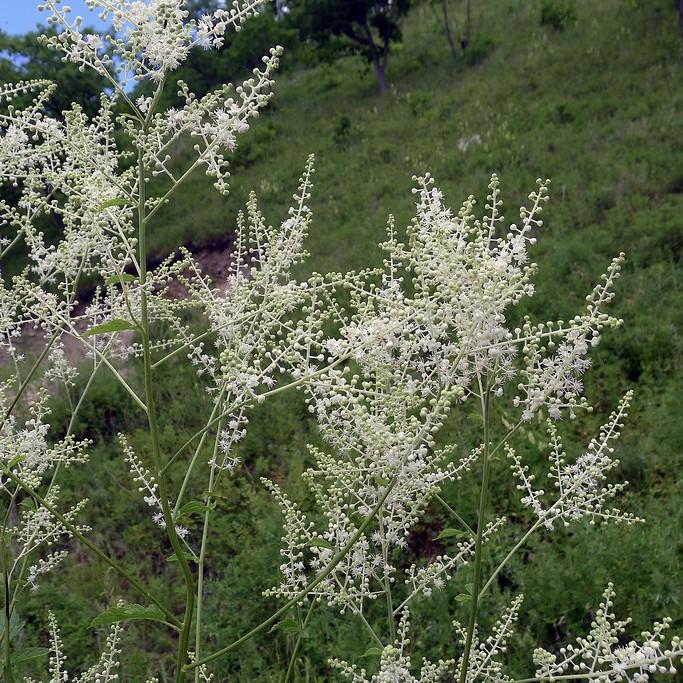
bugbane
Actaea dahurica
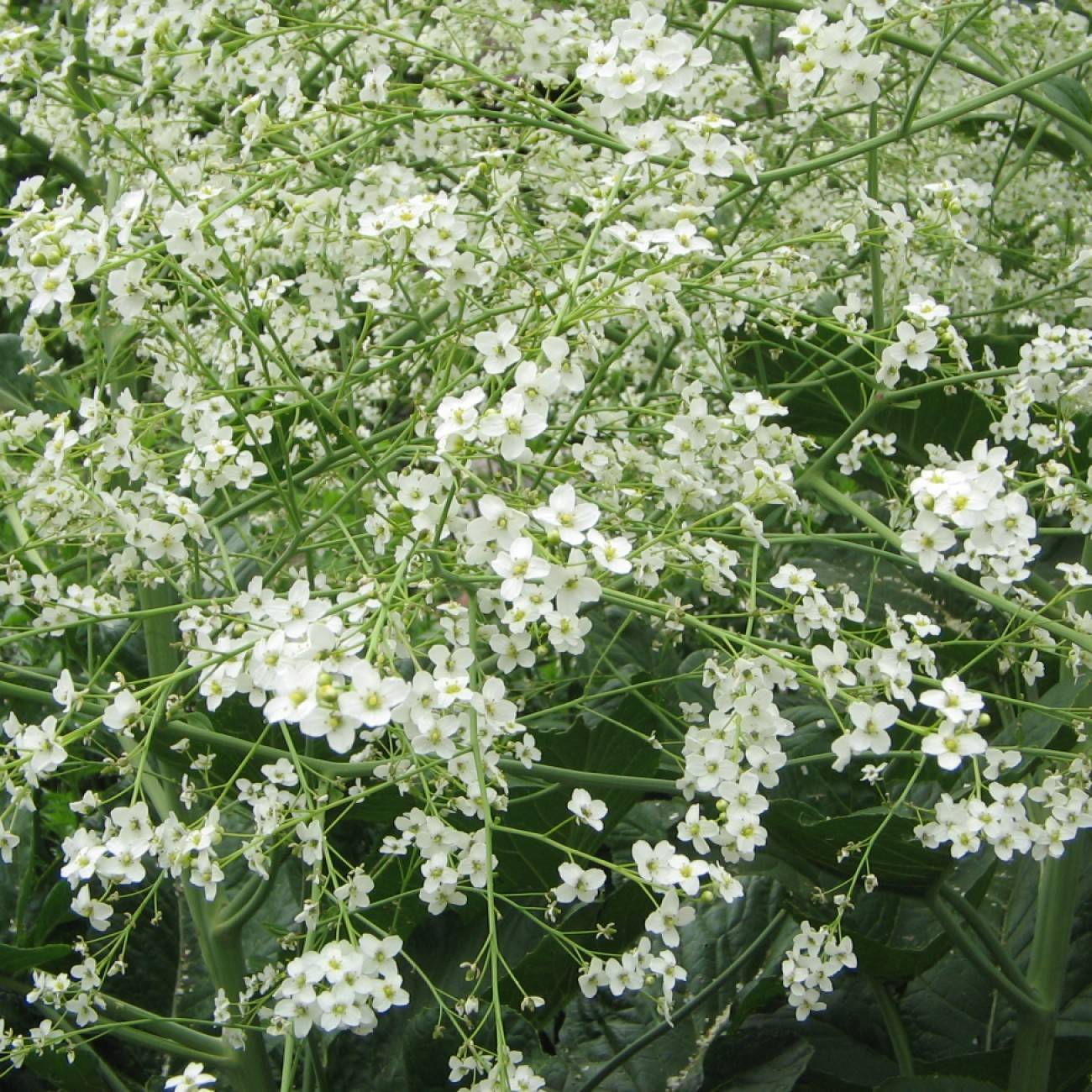
colewort
Crambe cordifolia
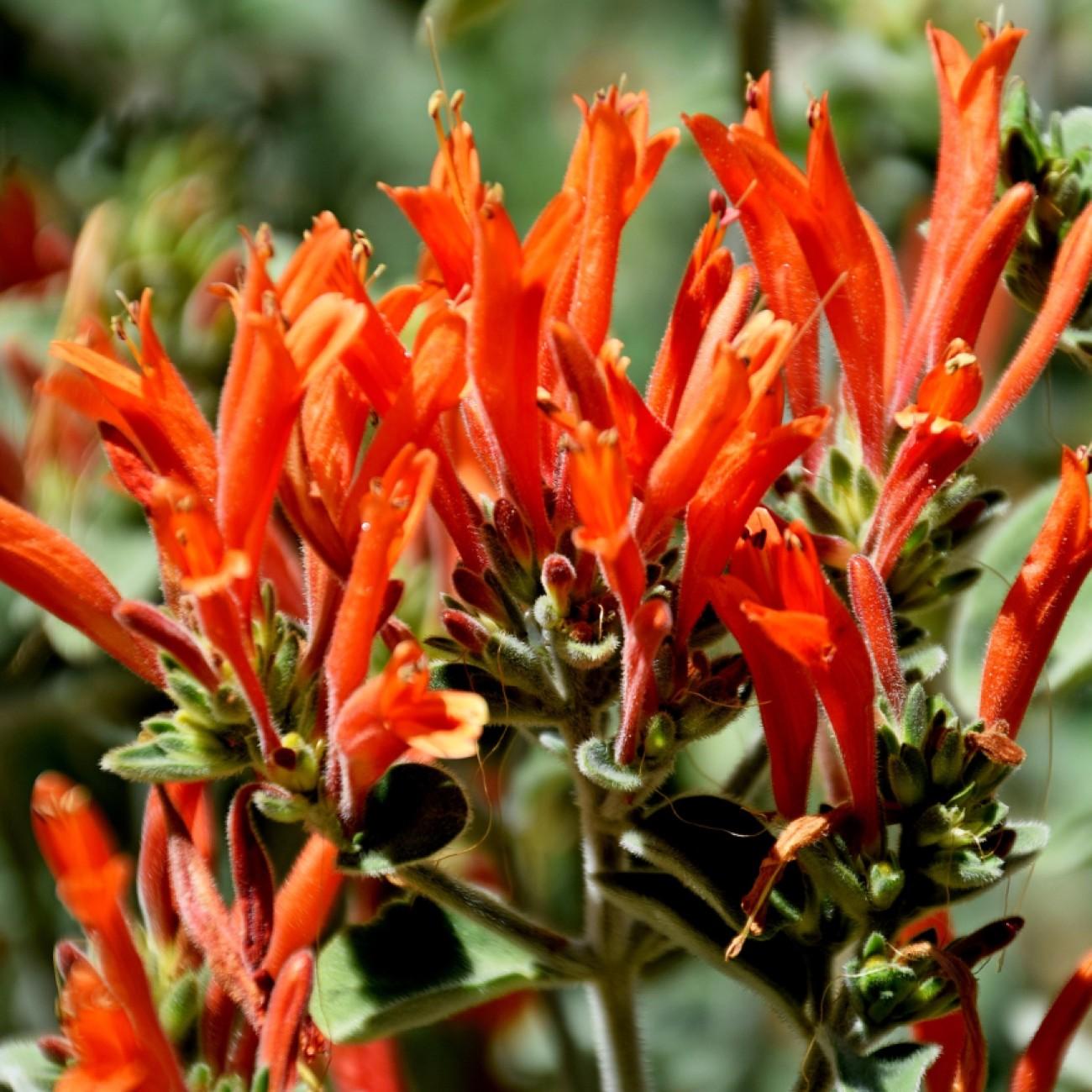
dicliptera
Dicliptera squarrosa
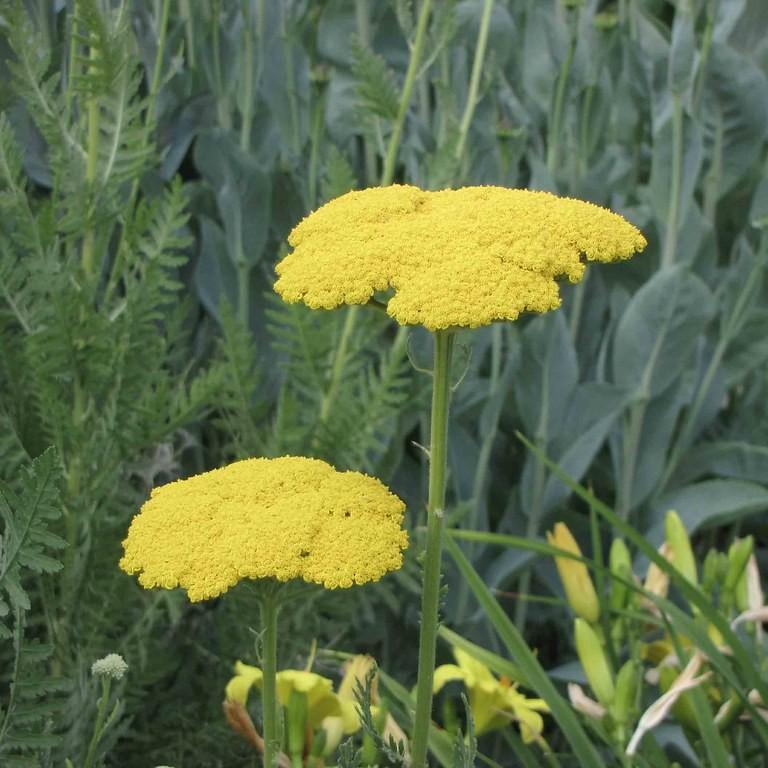
fern-leaf yarrow
Achillea filipendulina 'Gold Plate'
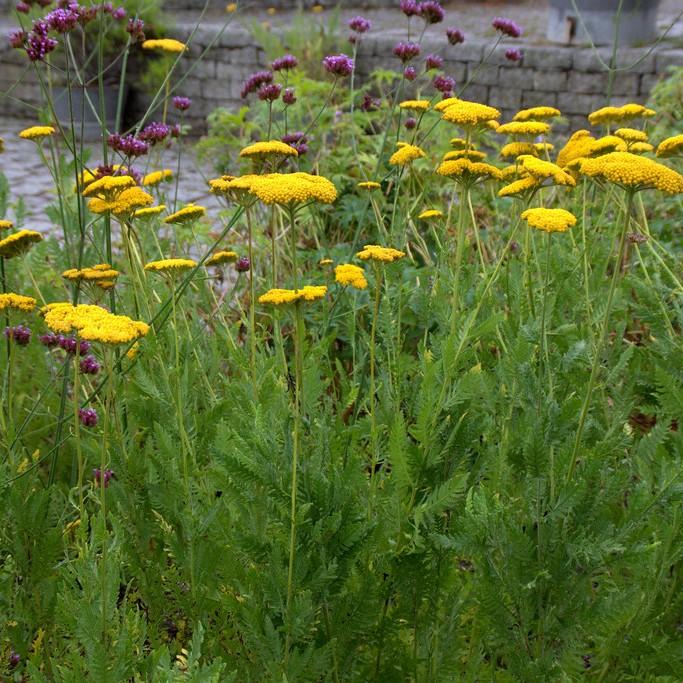
fern-leaf yarrow
Achillea filipendulina 'Parker's Variety'
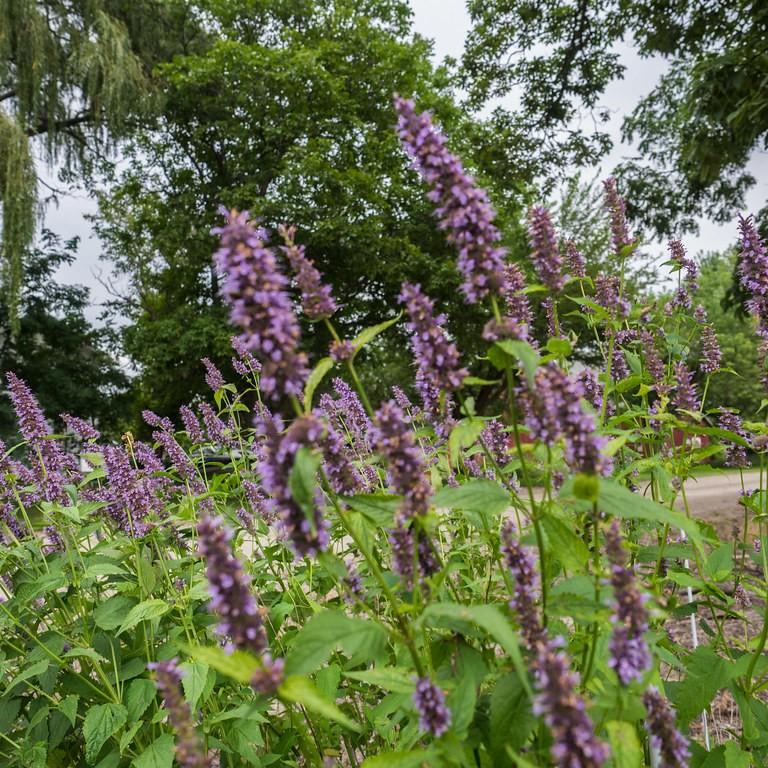
giant hyssop
Agastache 'Black Adder'