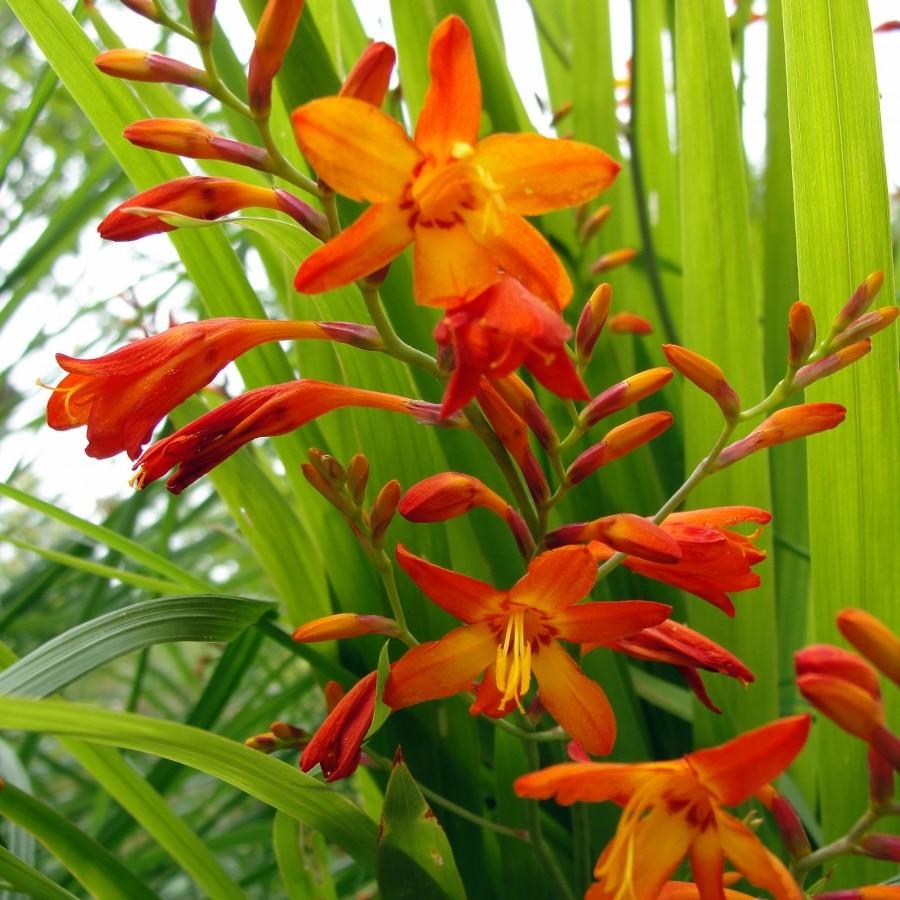
montbretia
Crocosmia crocosmiiflora 'His Majesty'
Overview
Montbretia is an amazing, eye-catching plant species that will be sure to brighten up any garden. It produces brightly colored blooms in shades of oranges, yellows, and reds up to 3 feet tall, making it quite the showstopper. It can thrive in both wet and dry conditions, allowing for easy maintenance. Additionally, it blooms from late summer all the way into fall, providing stunning color for a long period of time. Finally, its cultivar 'His Majesty' is one to be admired, raising the bar for all other montbretia varieties.
Care Guide
Watering
Water Montbretia regularly during the growing season to keep the soil moist. Water deeply once per week during the hot summer months when there is low rainfall, making sure the soil is thoroughly moistened to a depth of 6 to 12 inches. During cooler months with regular rainfall, reduce watering to once every 2 weeks. Make sure to check for soil moisture before each watering. If the soil feels dry to the touch, it is time to water.
Light
Montbretia, also known as Crocosmia crocosmiiflora 'His Majesty', grows best in full sun. This plant species is tolerant of some part shade, but it will perform best in an area with 6 or more hours of direct sunlight each day. It needs the sunlight for photosynthesis and to produce its beautiful blooms. Montbretia is considered an "excellent" performer in USDA planting zones 7-10.
Temperature
Hardiness zone 5–9.
Pruning
Montbretia should be pruned only lightly in late winter or early spring. Cut back any dead or diseased stems and remove any old flower spikes. You may also want to lightly prune the stems that were left from the previous season's bloom to allow for new growth. Be careful not to over-prune or you may damage the plant.
Propagation
Division, Seed Propagation, Cutting
Uses & Symbolism
Attracts: Hummingbirds, Butterflies.
Guides that mention montbretia
Related plants
Other plants you might like if you grow montbretia.
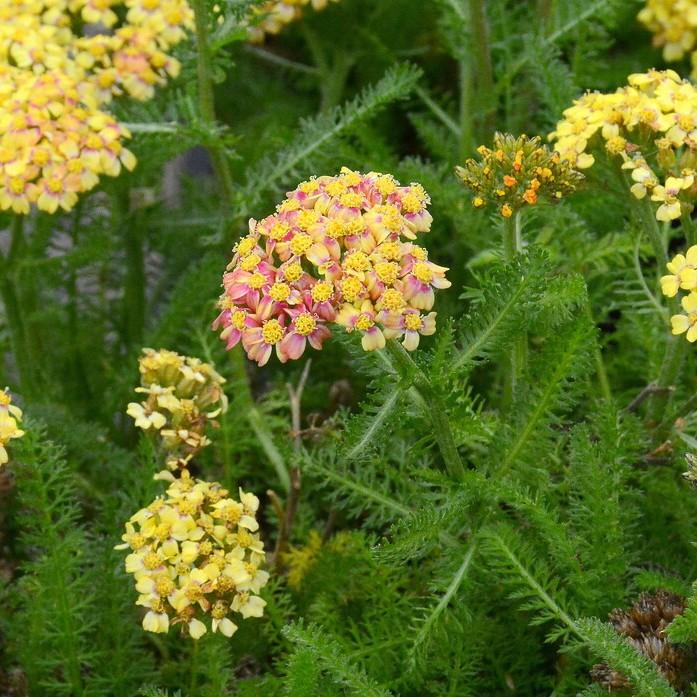
Alps yarrow
Achillea distans
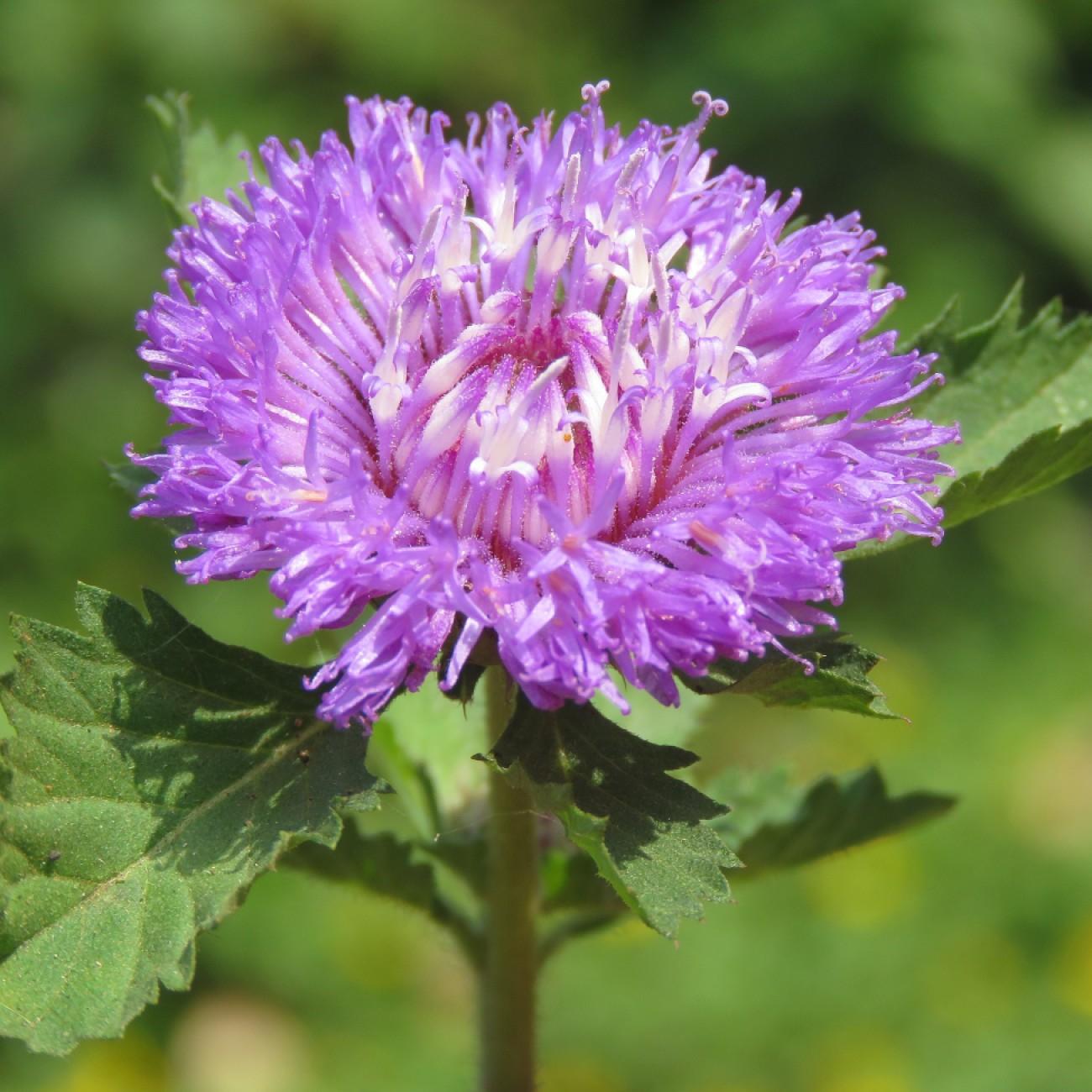
bachelor's button
Centratherum punctatum 'Button Beauty'
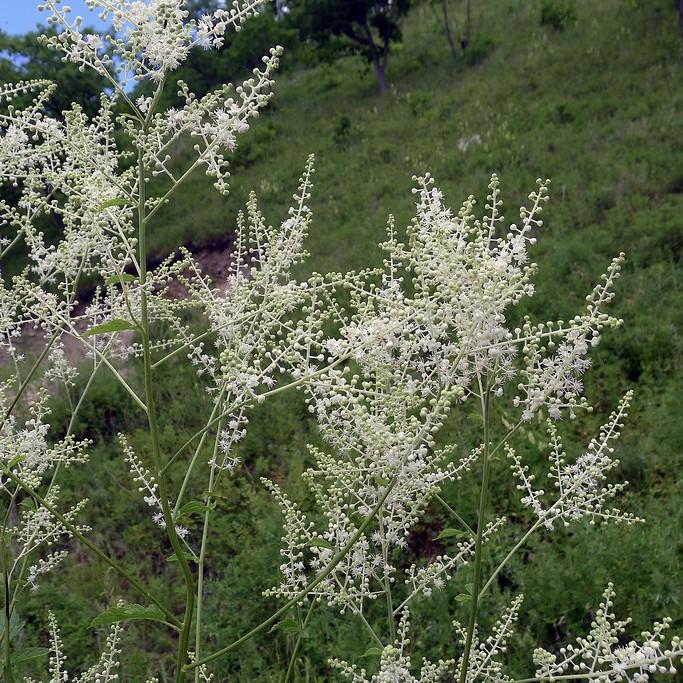
bugbane
Actaea dahurica
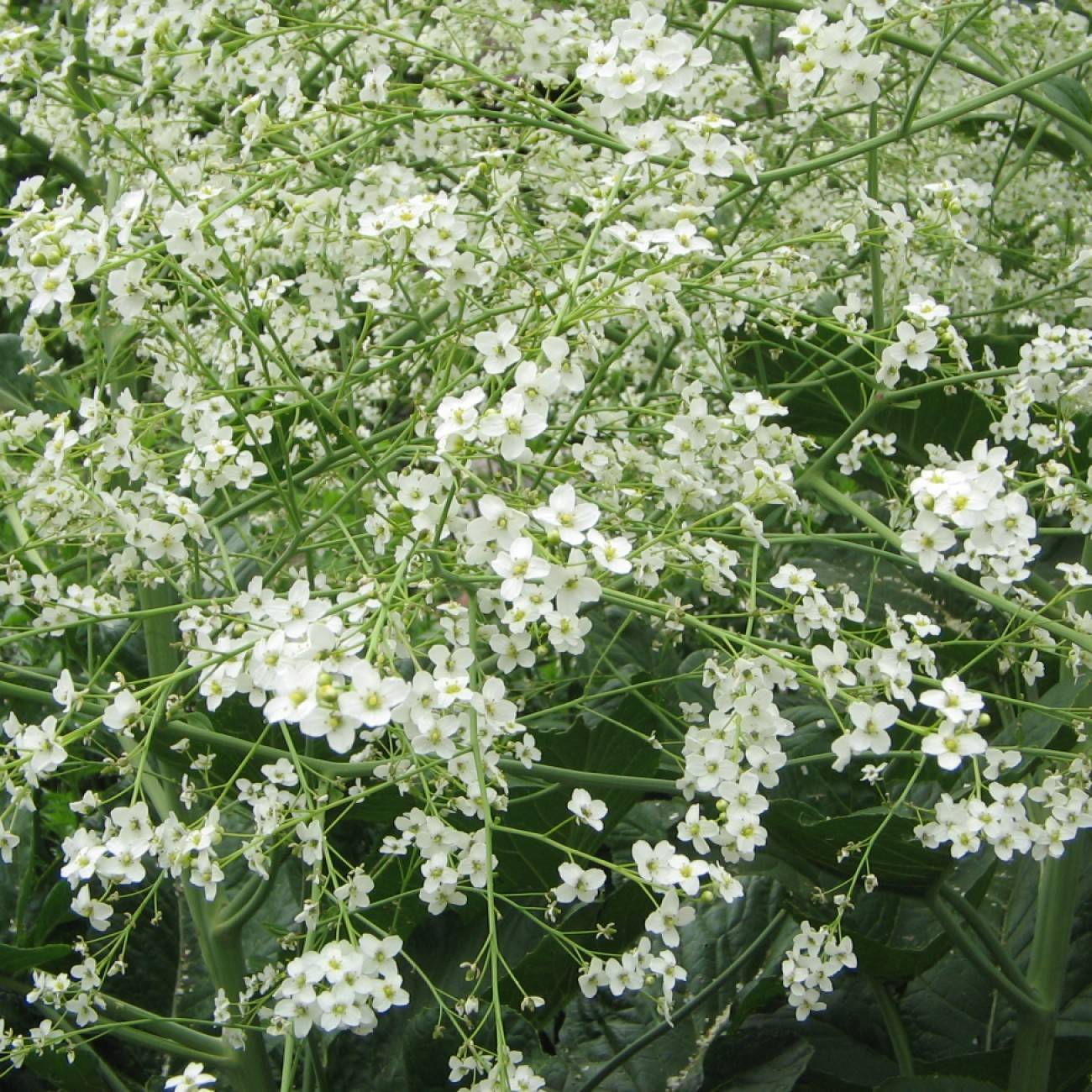
colewort
Crambe cordifolia
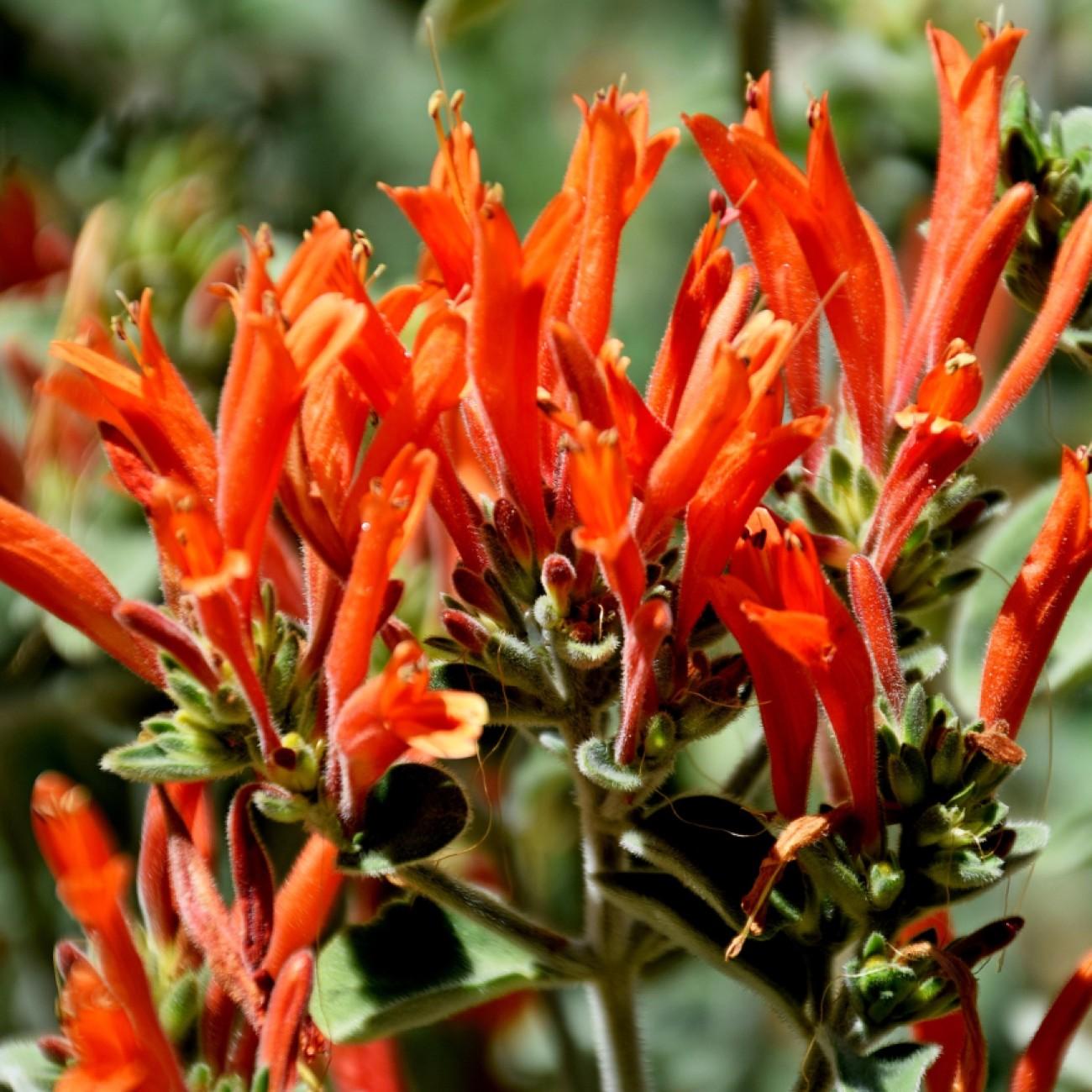
dicliptera
Dicliptera squarrosa
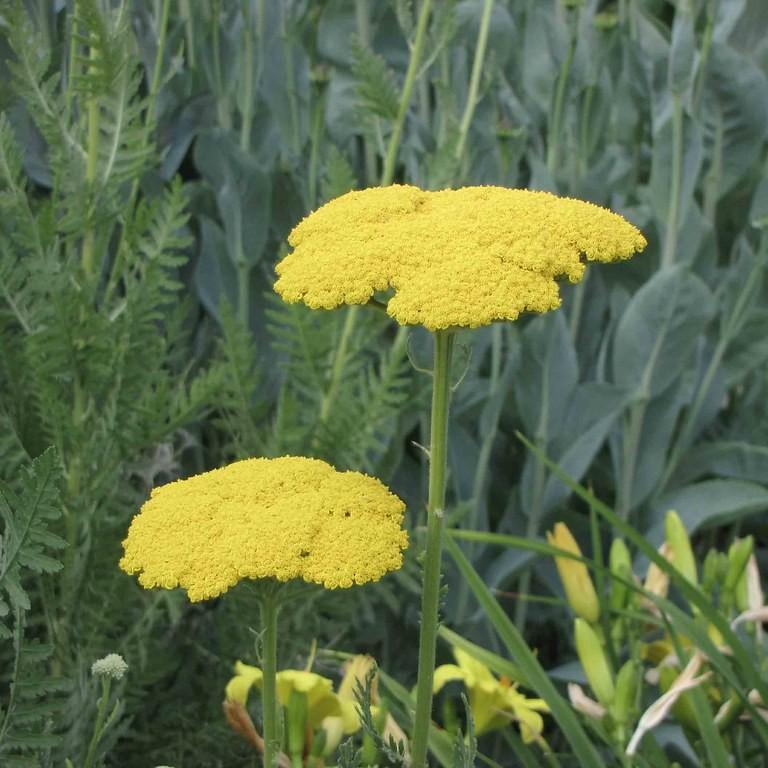
fern-leaf yarrow
Achillea filipendulina 'Gold Plate'
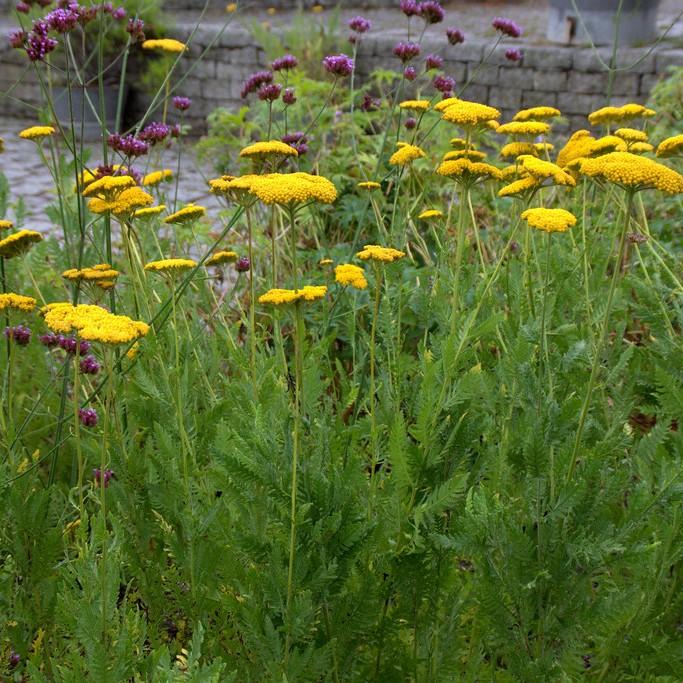
fern-leaf yarrow
Achillea filipendulina 'Parker's Variety'
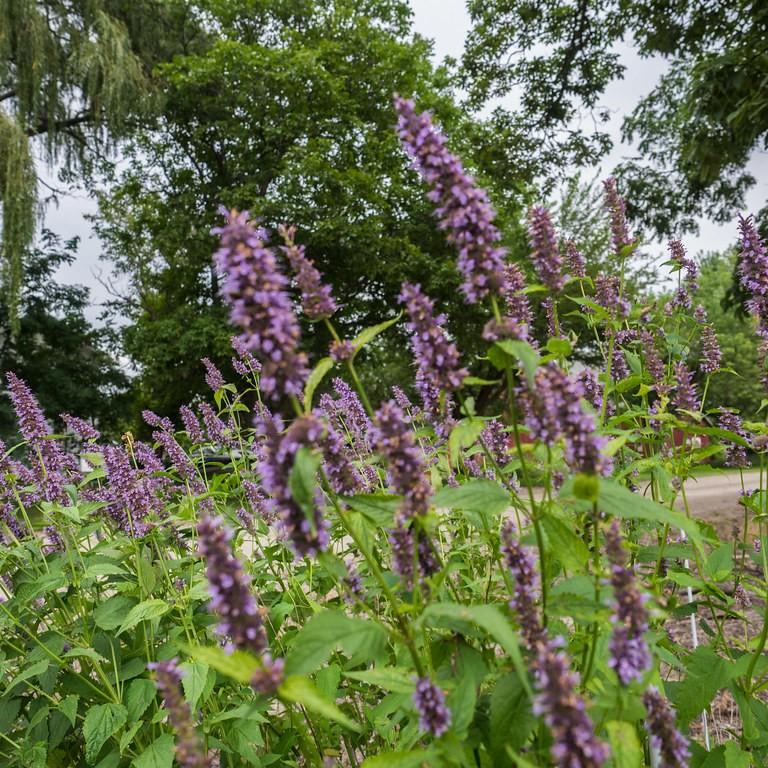
giant hyssop
Agastache 'Black Adder'