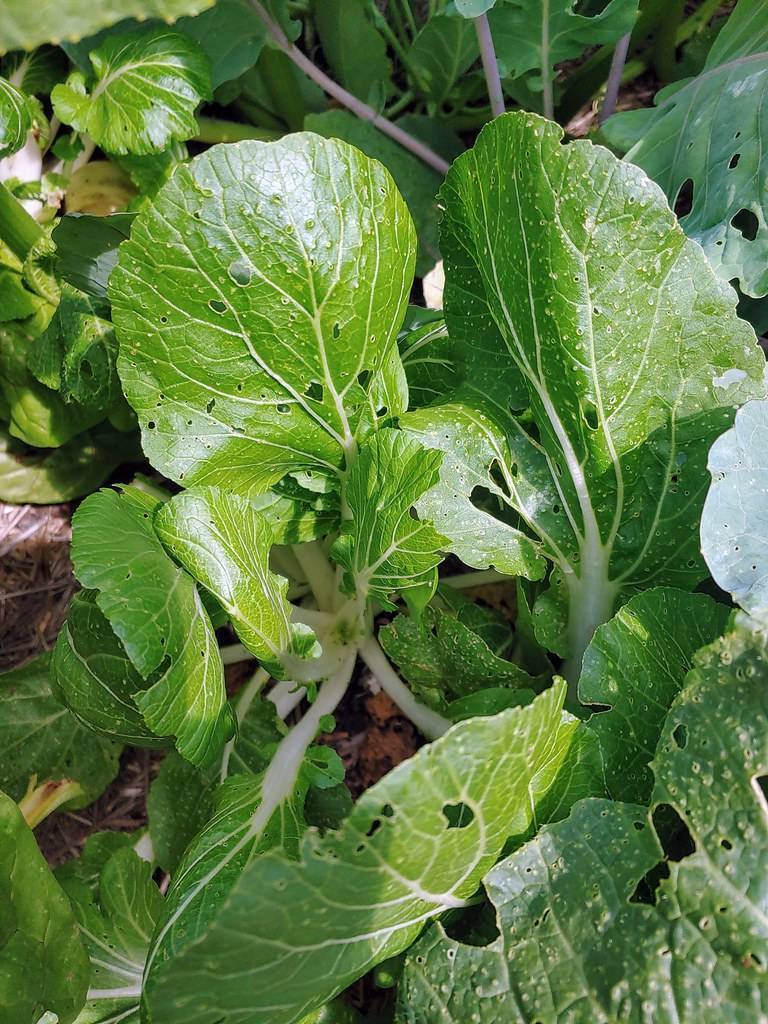
pak-choi
Brassica rapa (Chinensis Group) 'Violetta'
Overview
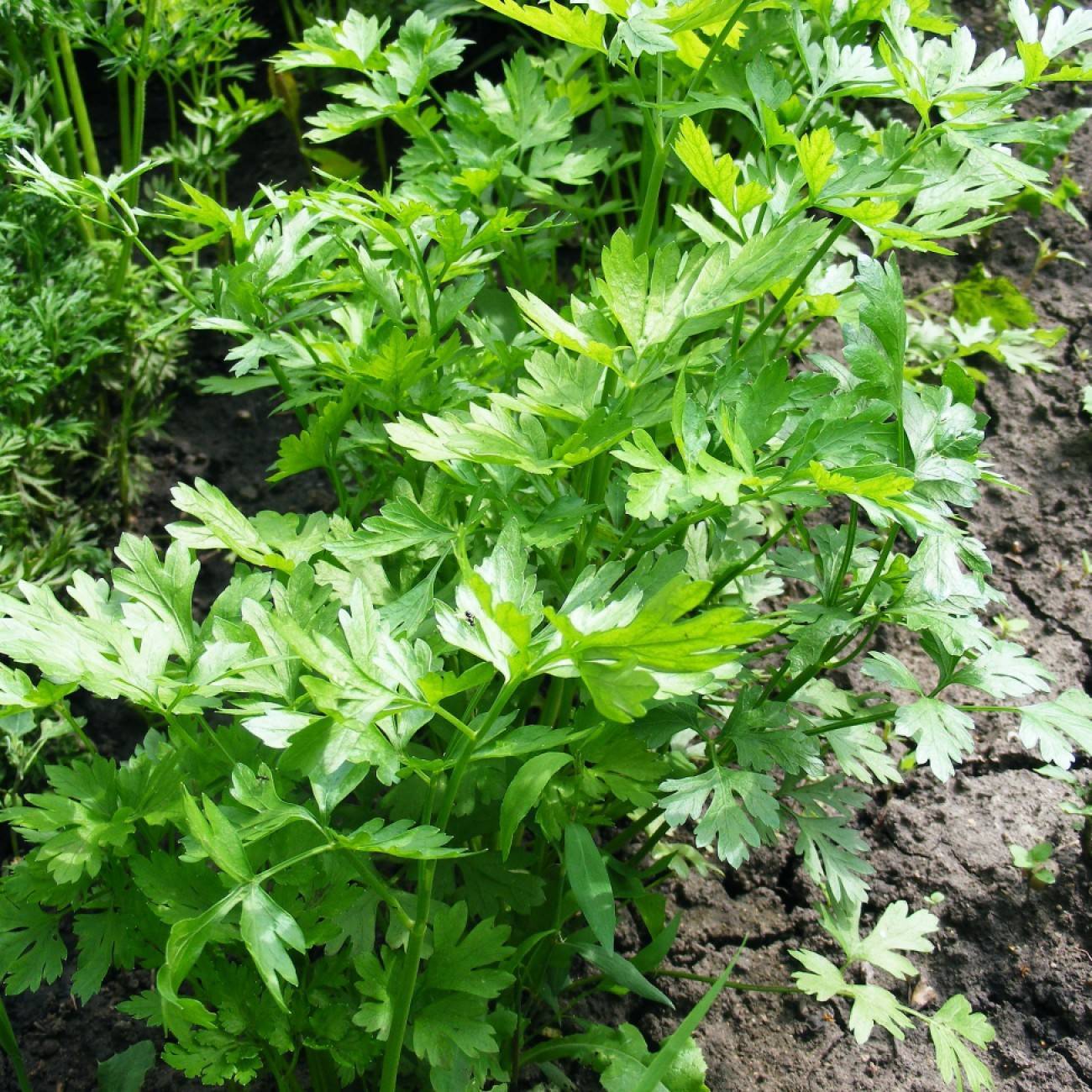
Pak-choi (Brassica rapa (Chinensis Group) 'Violetta') is an amazing plant species that offers multiple health benefits. This versatile vegetable is an excellent source of fibre, vitamins, and minerals, including calcium, iron, potassium, and magnesium. It has a delicate, sweet taste that pairs well with many different dishes. The leaves are also a beautiful purplish-green hue that adds a unique colour and texture to salads and stir-fries. Its fast-growing nature makes it ideal for home gardens as well as urban farms, and it's easy to maintain. Pak-choi is an excellent choice for those looking to add nutrition to their diets in a delicious and easy way.
Care Guide
Watering
Pak-choi should be watered regularly to maintain moisture but avoid excess watering. Generally it is best to water pak-choi deeply about once a week, allowing the soil to dry out slightly between waterings. Water around the base of the plants and avoid wetting the foliage to prevent problems with foliar diseases. In hot weather, you may need to water more frequently. Pak-choi also benefits from occasional misting to provide the higher humidity it prefers.
Light
Pak-choi (Brassica rapa (Chinensis Group) 'Violetta') requires a minimum of 6-8 hours of direct sunlight a day to grow and thrive. Sunlight is an important part of their care as it is necessary for photosynthesis to take place. They do well in full sun but can tolerate a bit of afternoon shade. During the growing season, when temperatures can be high in some areas, some afternoon shade can help your pak-choi keep from wilting and drying out.
Temperature
Hardiness zone 2–11.
Pruning
Pak-choi should be lightly pruned when the plants are about 8-10 inches tall and/or when the outer leaves begin to yellow. Pruning should be done no more than once every few weeks, as it is a very tender plant and regular pruning can damage it. Prune young leaves by about a 1/3 of their length, and remove any dead or damaged leaves. When pruning leaves, be sure to avoid taking too many of the lower leaves, as this will interrupt the production of new leaves and may cause flowering.
Propagation
Seed Propagation, Cutting, Division, Layering Propagation
Related plants
Other plants you might like if you grow pak-choi.
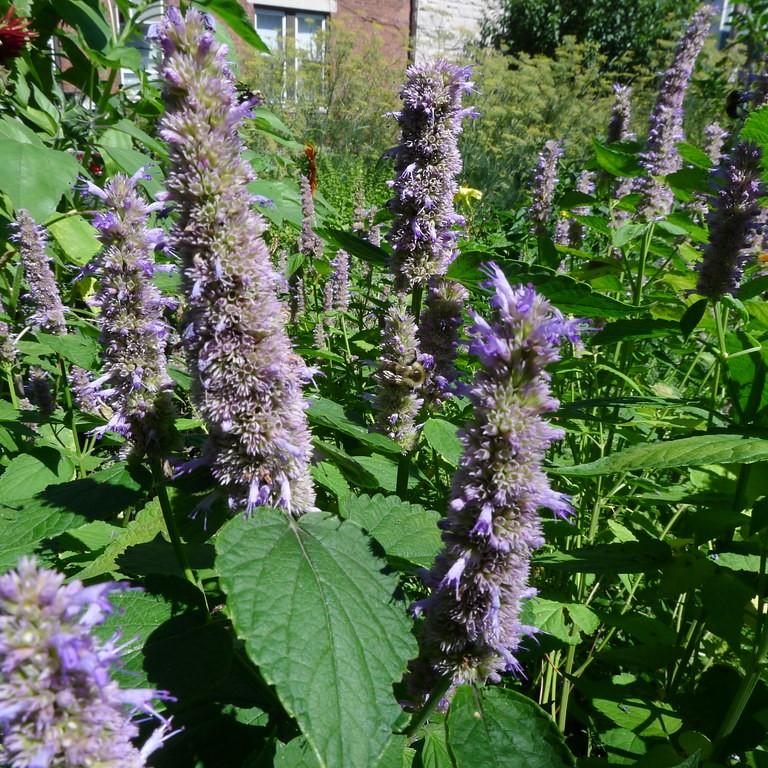
anise hyssop
Agastache foeniculum
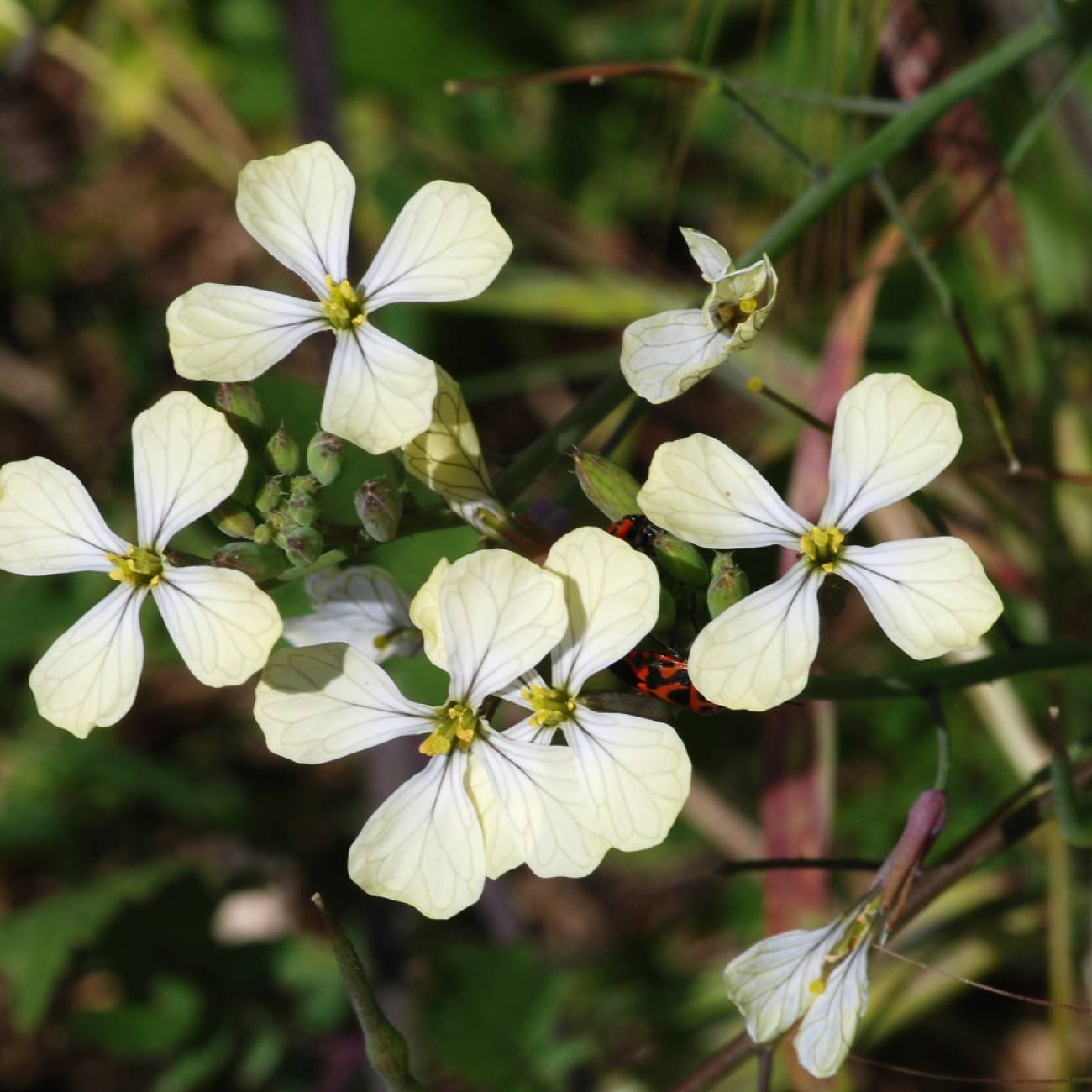
arugula
Eruca versicaria subsp. sativa
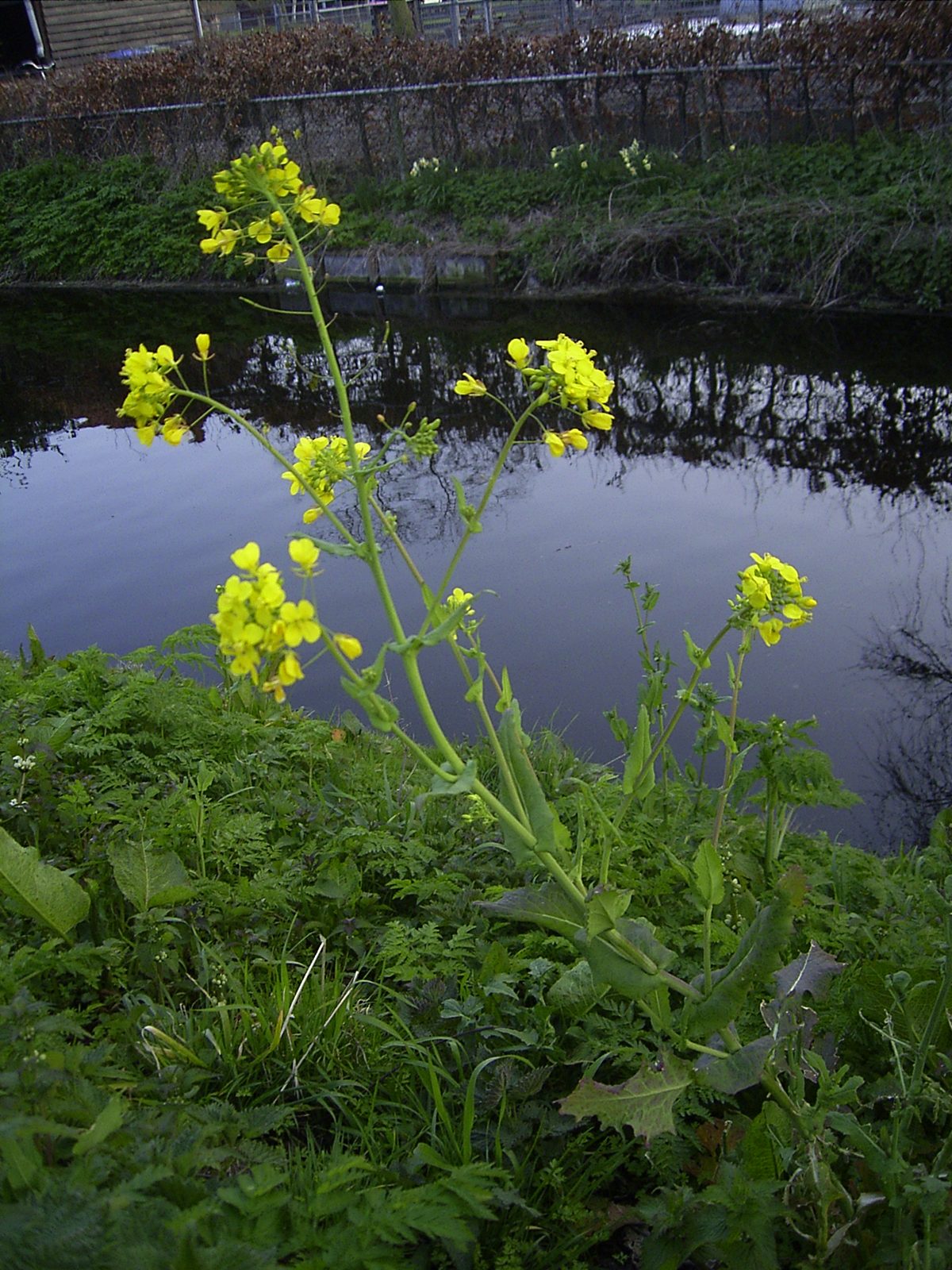
broccoli raab
Brassica rapa (Ruva Group)
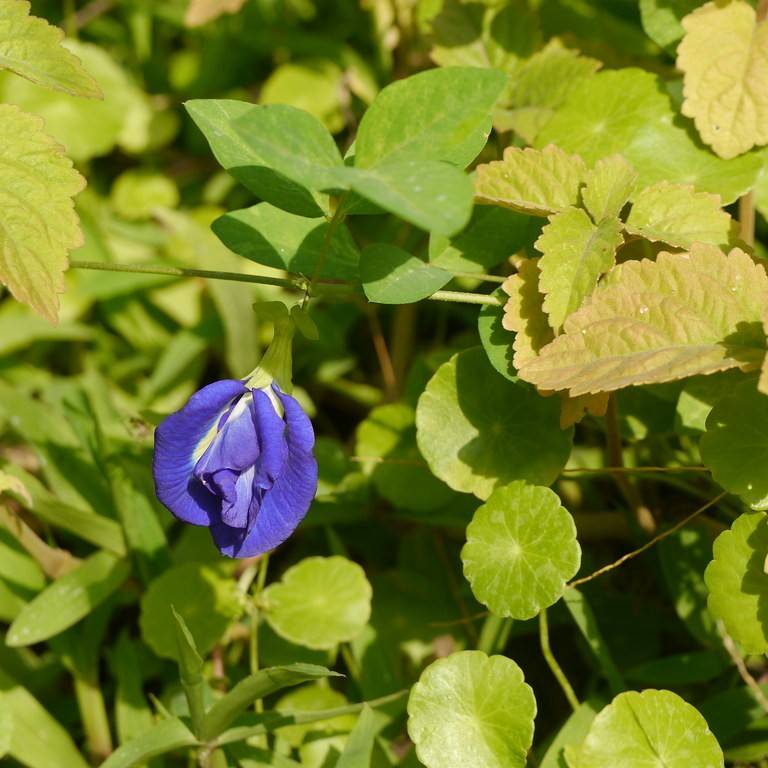
butterfly pea
Clitoria ternatea
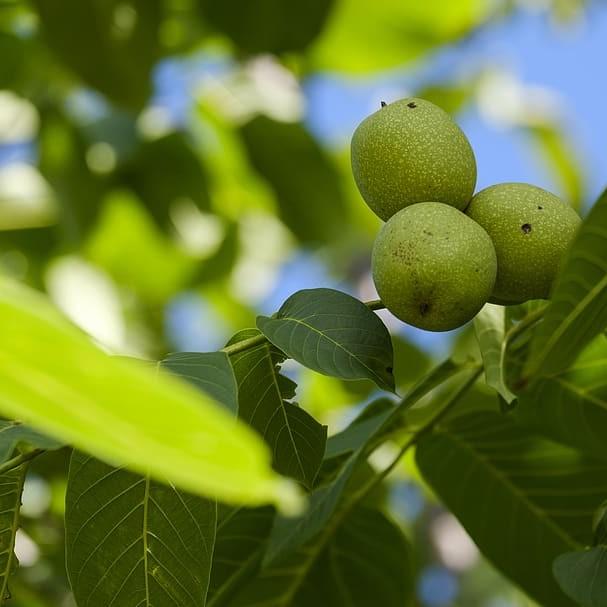
Carpathian English Walnut
Juglans regia 'Carpathian'
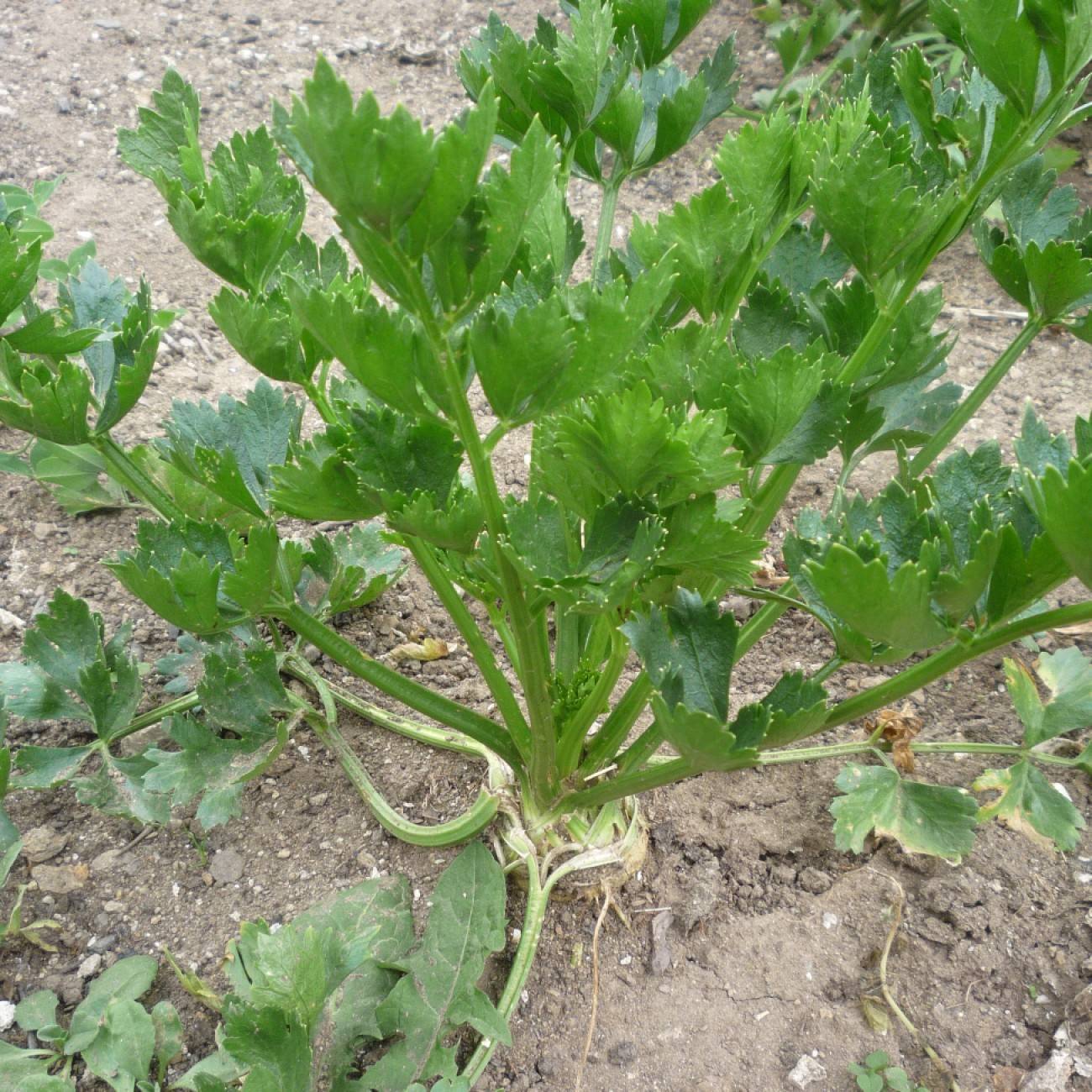
celeriac
Apium graveolens var. rapaceum
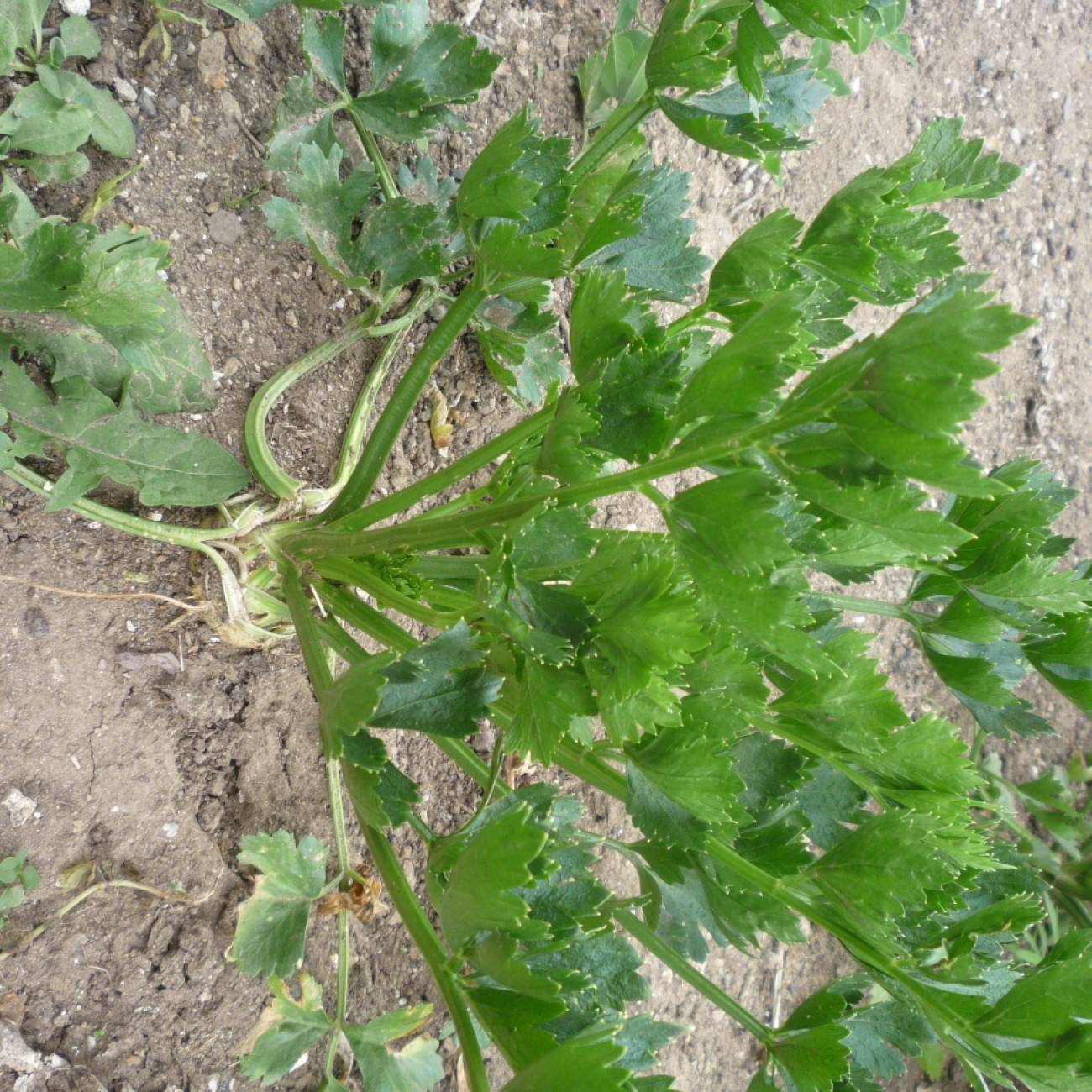
celeriac
Apium graveolens var. rapaceum 'Diamant'
celery
Apium graveolens var. dulce