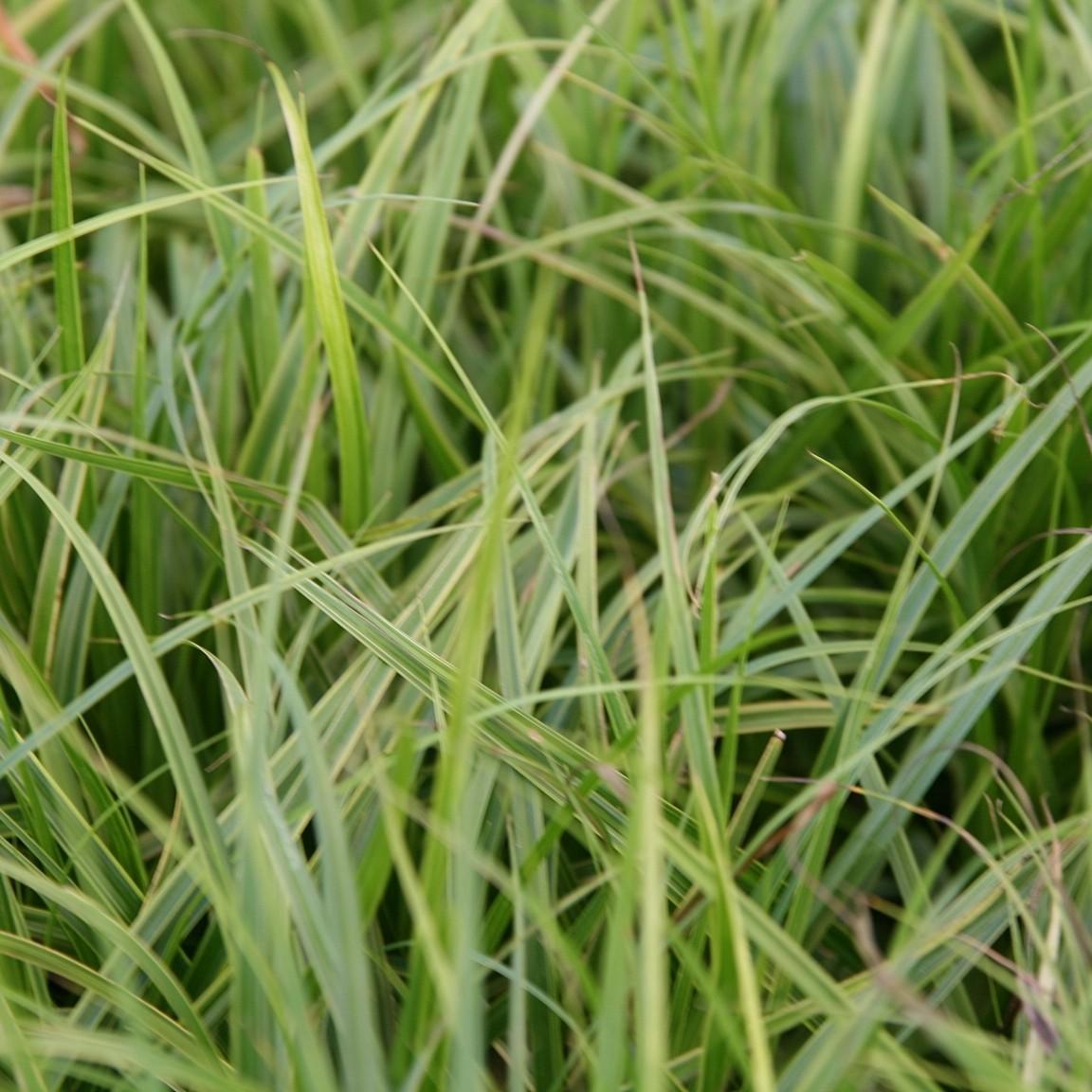
palm sedge
Carex muskingumensis 'Oehme'
Overview
Palm Sedge (Carex muskingumensis 'Oehme') is an amazing perennial plant that is perfect for adding a tropical feel to gardens. It grows to 1-2 feet tall and has lovely arching leaves that resemble those of a palm tree. As well as its attractive foliage, the compact, cluster-like growth habit of the palm sedge makes it perfect for adding both texture and structure to borders and beds. It thrives in moist soils and is heat tolerant, making it ideal for dry, sunny areas. Palm Sedge is also suitable for use as a ground cover thanks to its ability to form a dense mat. All in all, this stunning, exotic looking plant is a perfect addition to any garden.
Care Guide
Watering
Palm sedge should be watered once to twice a week and given 1 inch to 2 inches of water per session. It is best to use room temperature water and avoid over-watering, which can lead to root-rot. Water directly on the soil near the base of the plant, avoiding wetting the foliage to prevent potential disease. For maintenance, reduce watering during the winter months when the plant is in a dormant stage.
Light
Palm sedge (Carex muskingumensis 'Oehme') prefers partial sun to full sun, and should be planted in an area that receives several hours of sunlight daily. These plants will perform best when they are exposed to 3 to 6 hours of direct sunlight with some shade in the afternoon, preferably from 3pm onwards. In the warmest summer months, like July and August, this plant may need additional shade in order to avoid leaf scorch or sunburn. This species does not tolerate very cold temperatures, so during the winter it should be grown in an area with some protection from winter winds.
Temperature
Hardiness zone 4–9.
Pruning
Palm sedge (Carex muskingumensis 'Oehme') should be pruned once a year in the late winter or early spring to help keep the plant in the desired shape and size. Pruning should be done as the new growth is beginning to emerge. The clumps of foliage should be cut back to a uniform height of 6-7 inches. Remove any dead, brown, or dying foliage throughout the entire plant. This will help stimulate new growth and aid the plant in keeping its desired shape.
Propagation
Division, Cutting, Seed Propagation, Stolon, Rhizome Propagation
Related plants
Other plants you might like if you grow palm sedge.
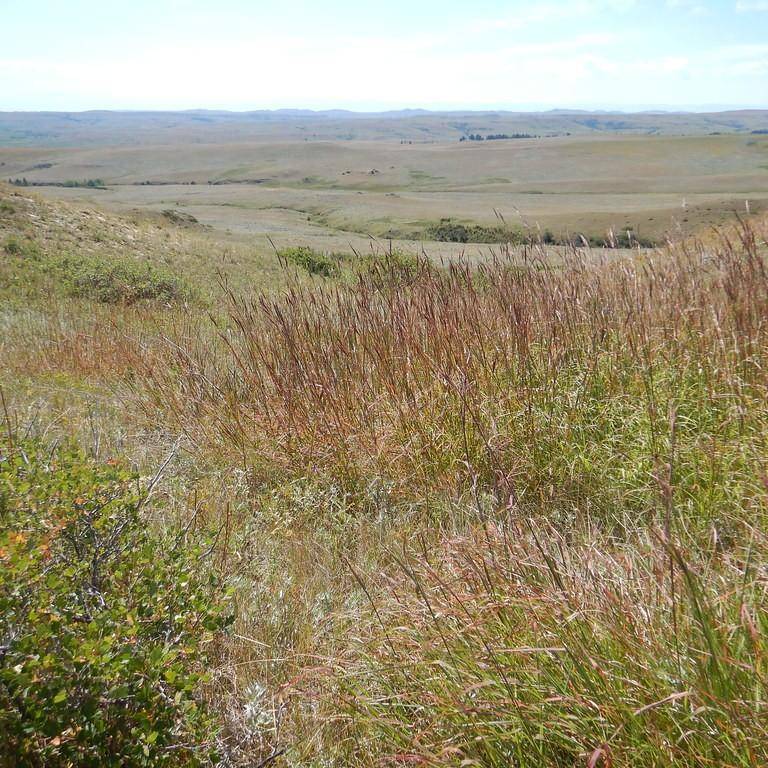
big blue stem
Andropogon gerardii
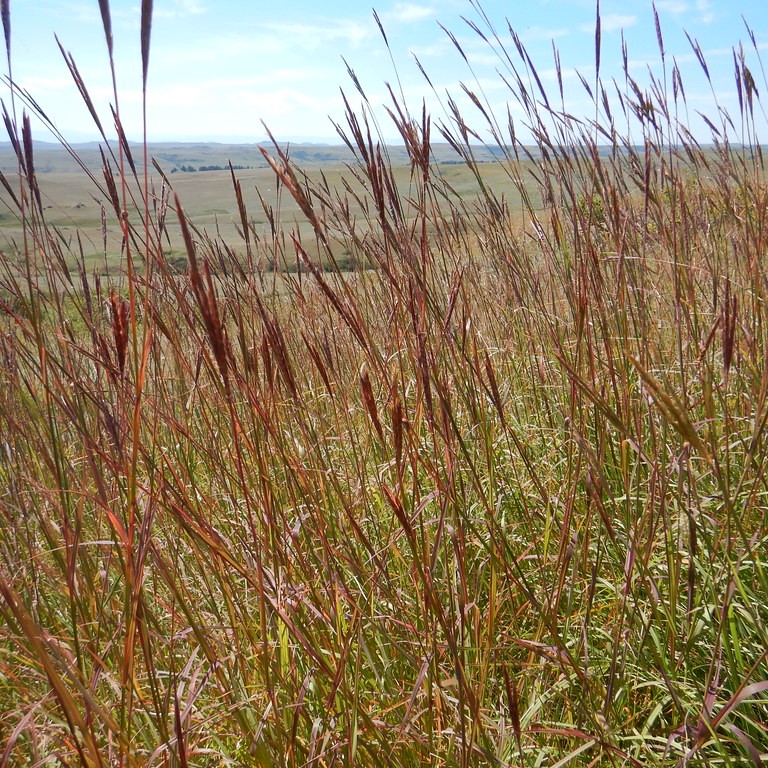
bluestem
Andropogon capillipes 'Valdosta Blue'
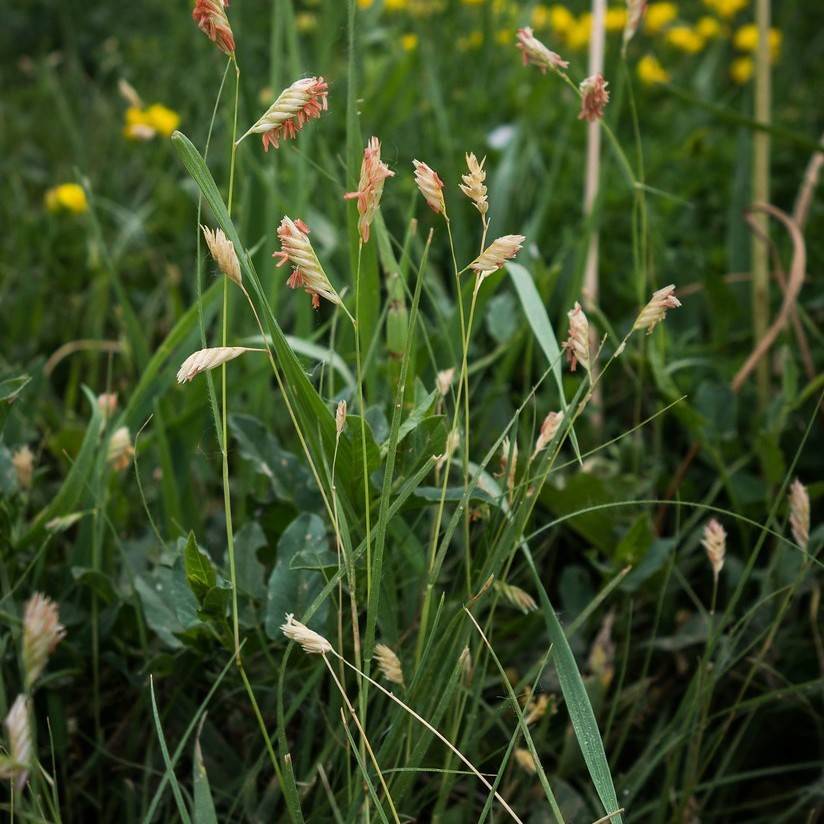
buffalo grass
Buchloe dactyloides 'Sharp's Improved'
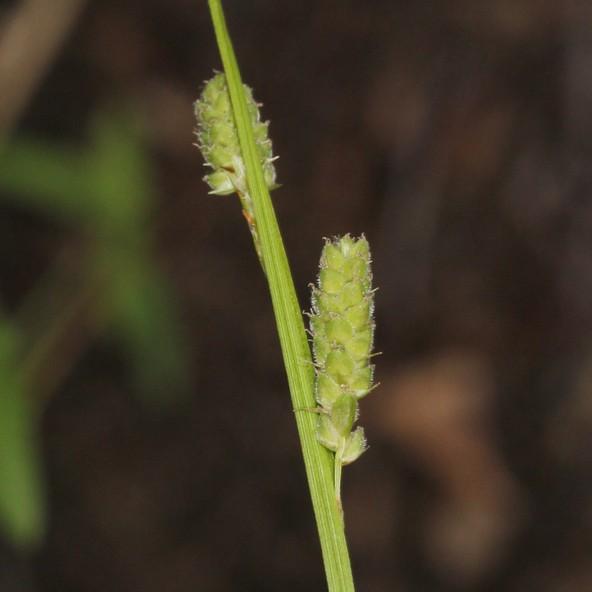
Bush's sedge
Carex bushii
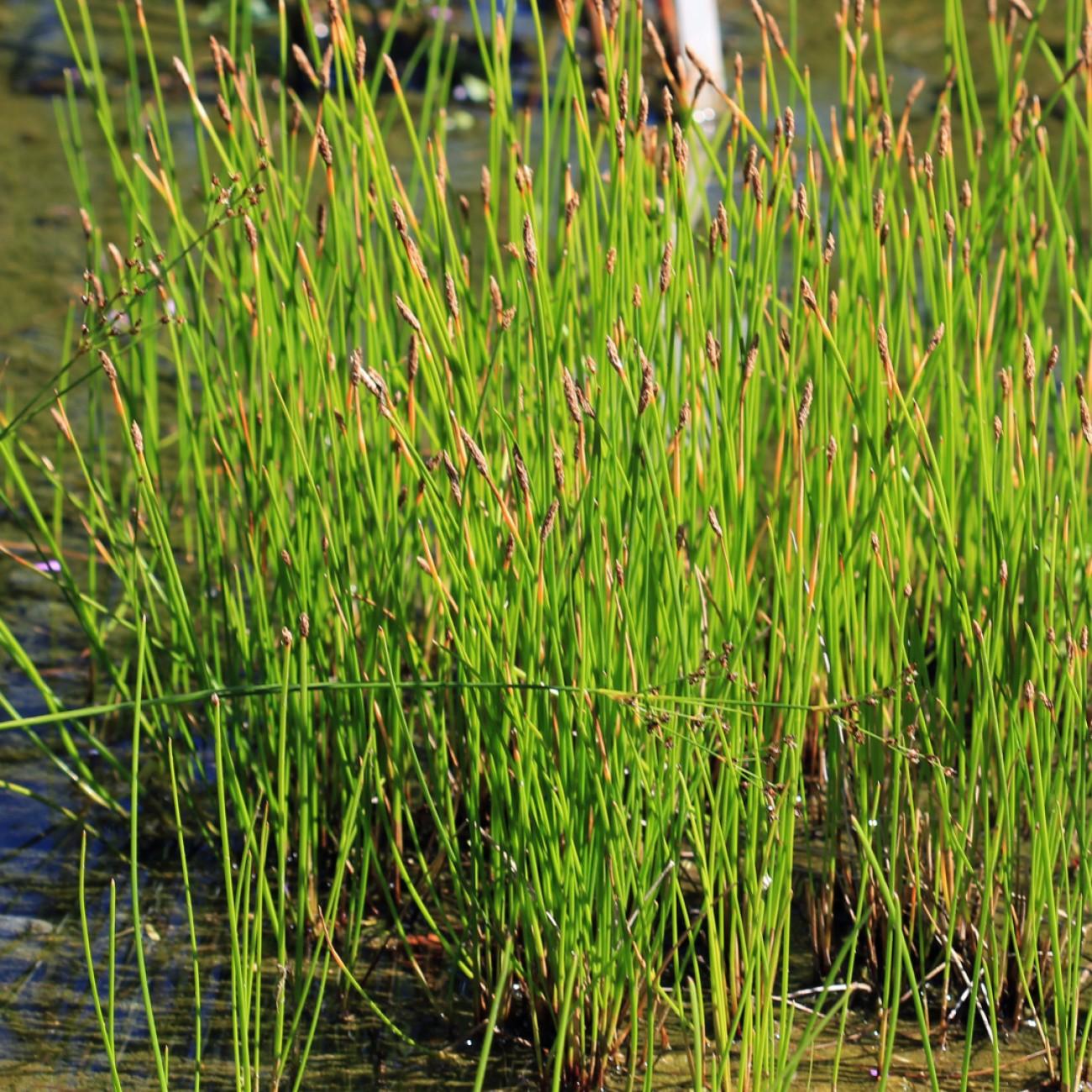
Chinese water chestnut
Eleocharis dulcis
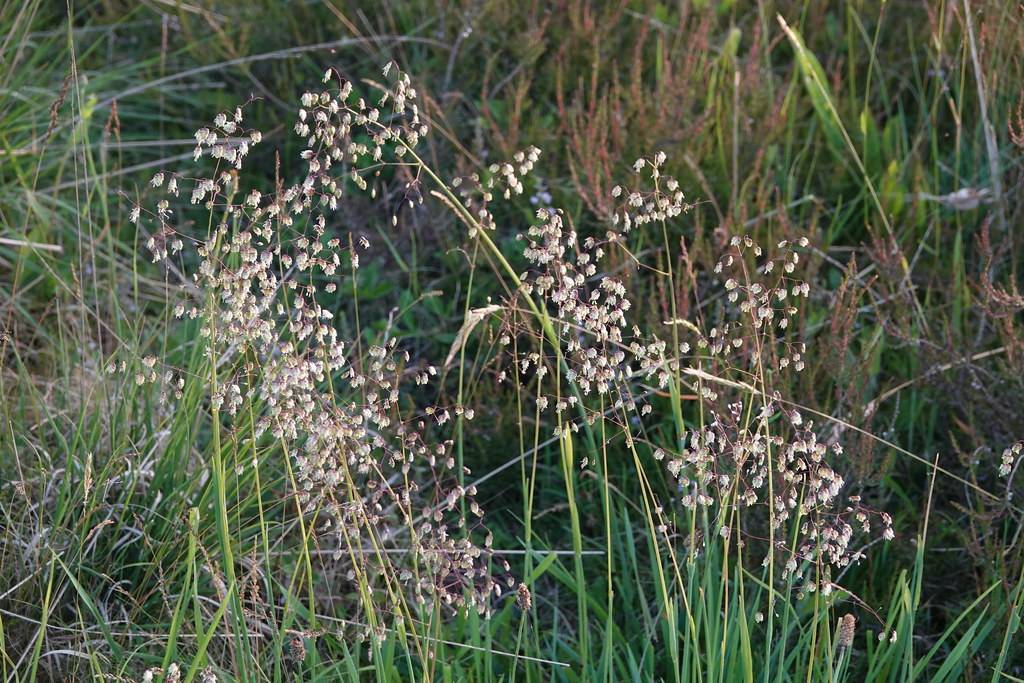
common quaking grass
Briza media
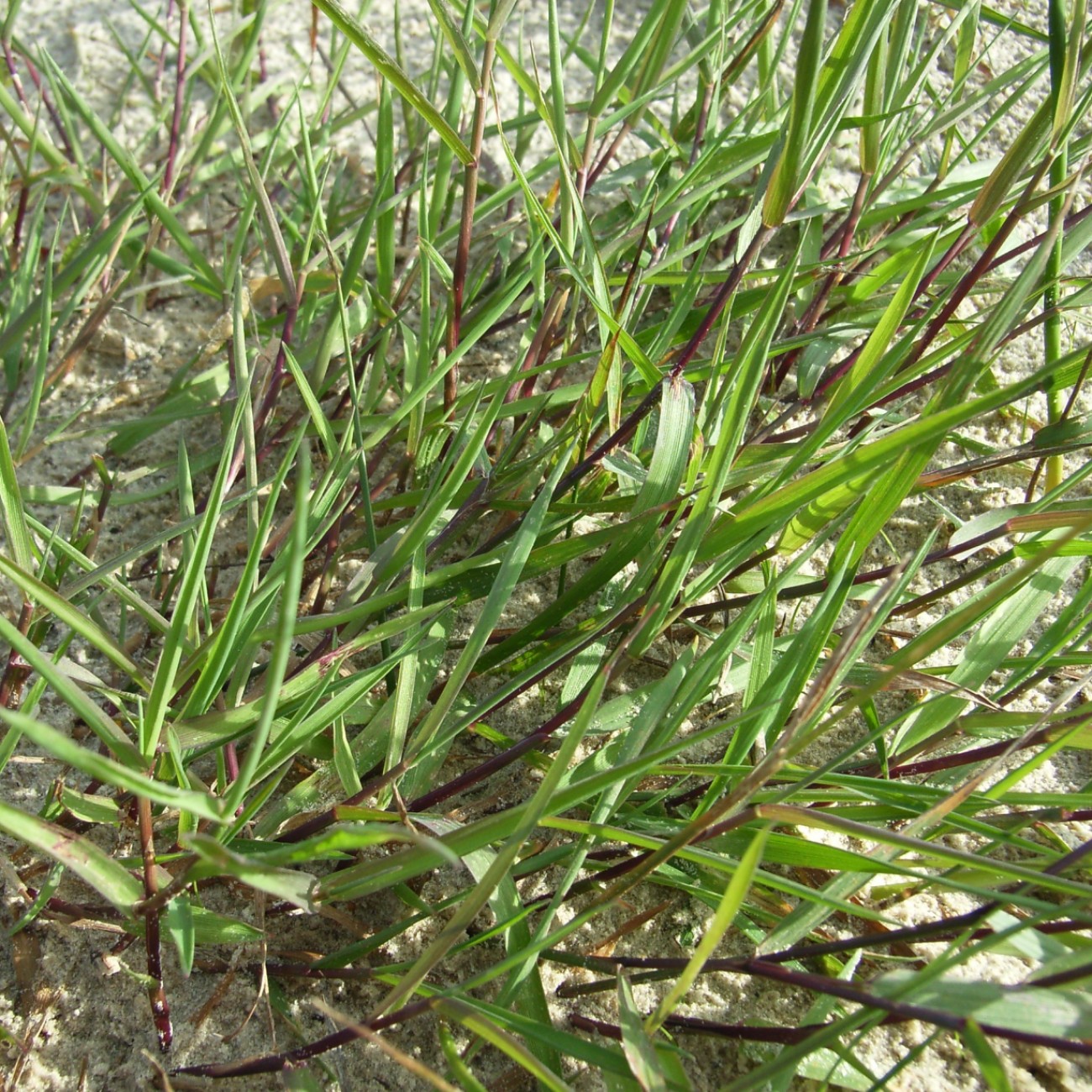
creeping bent grass
Agrostis palustris NO MOW
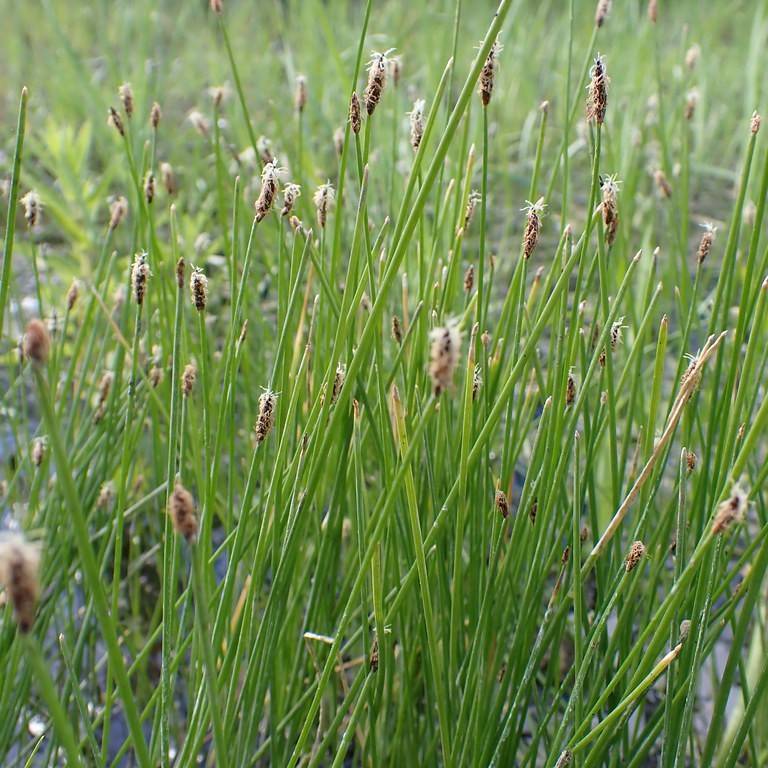
creeping spike rush
Eleocharis palustris