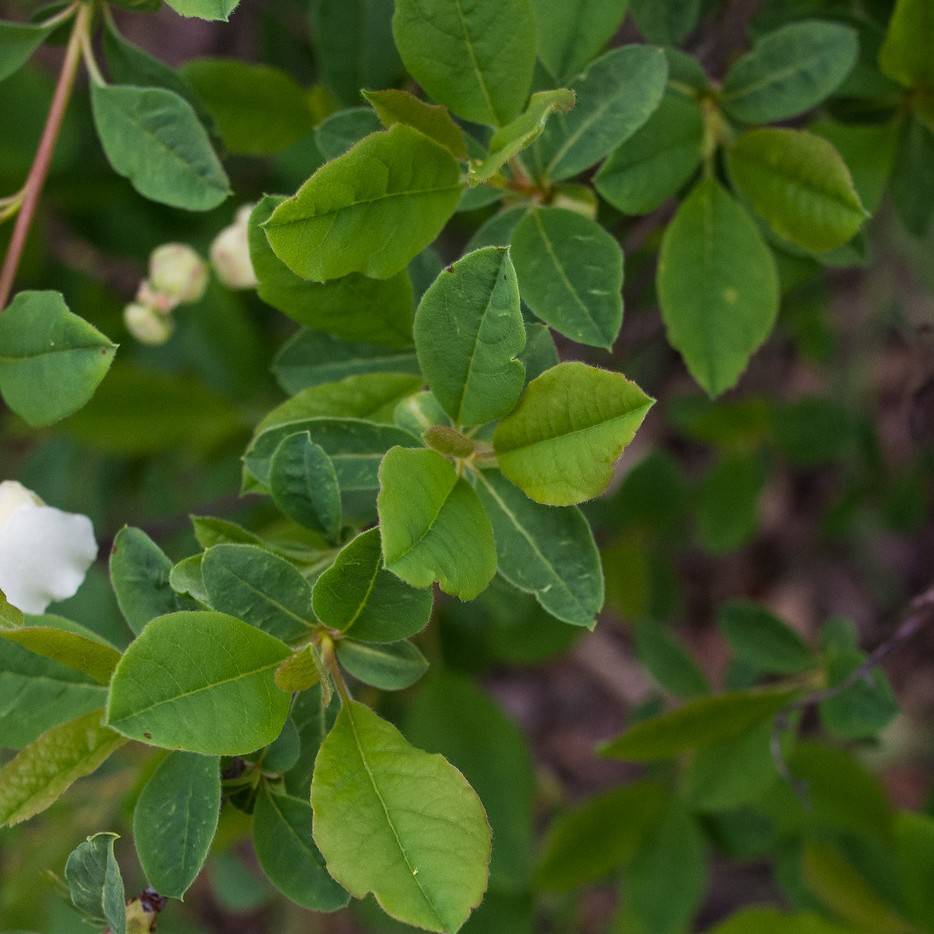
pearlbush
Exochorda serratifolia
Overview
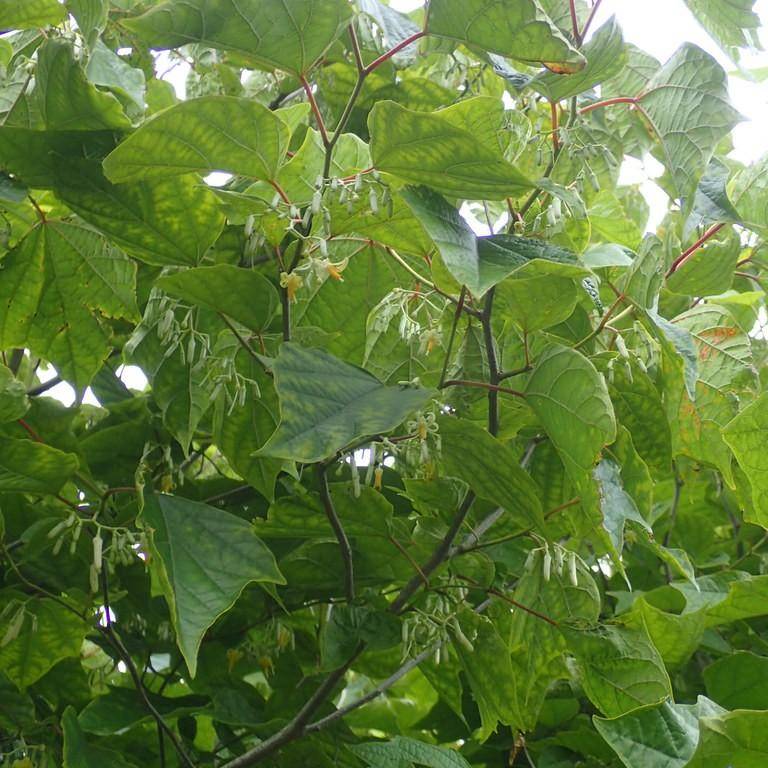
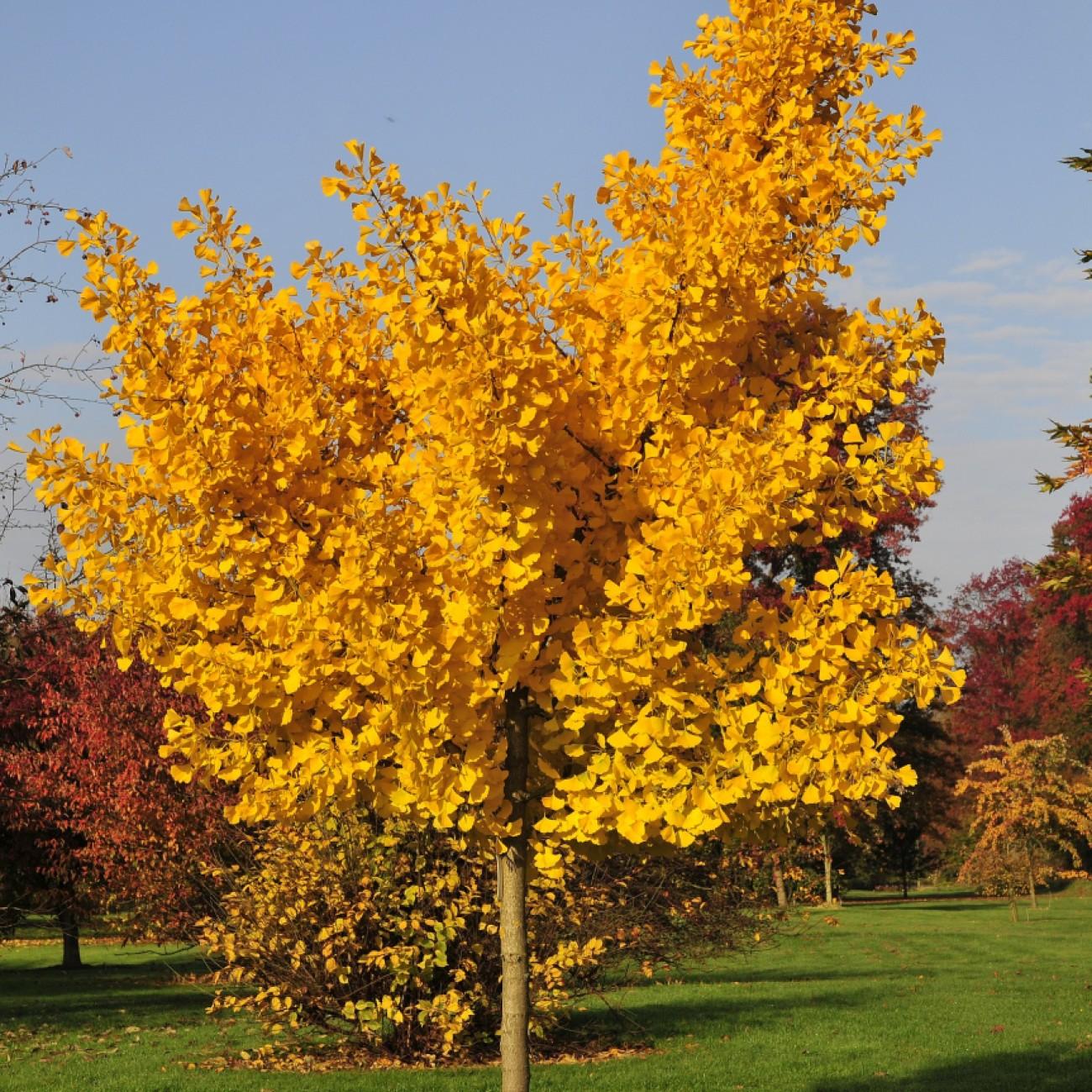
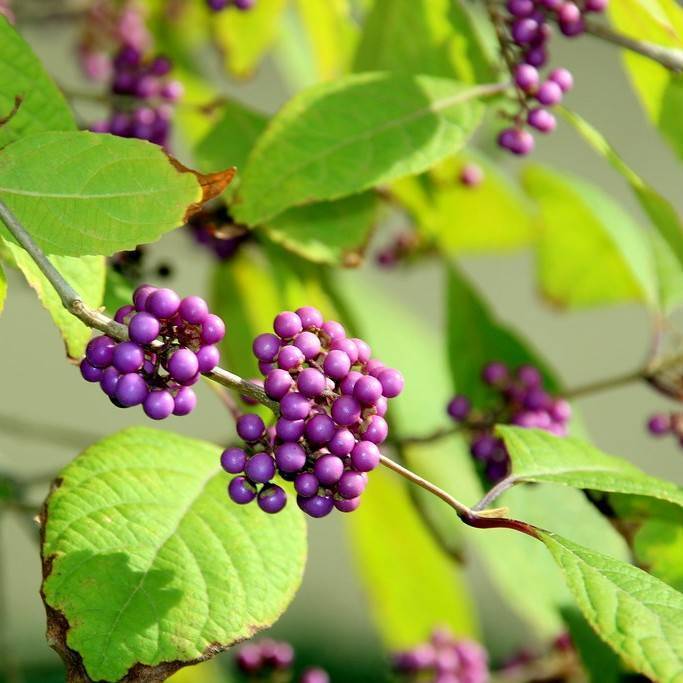
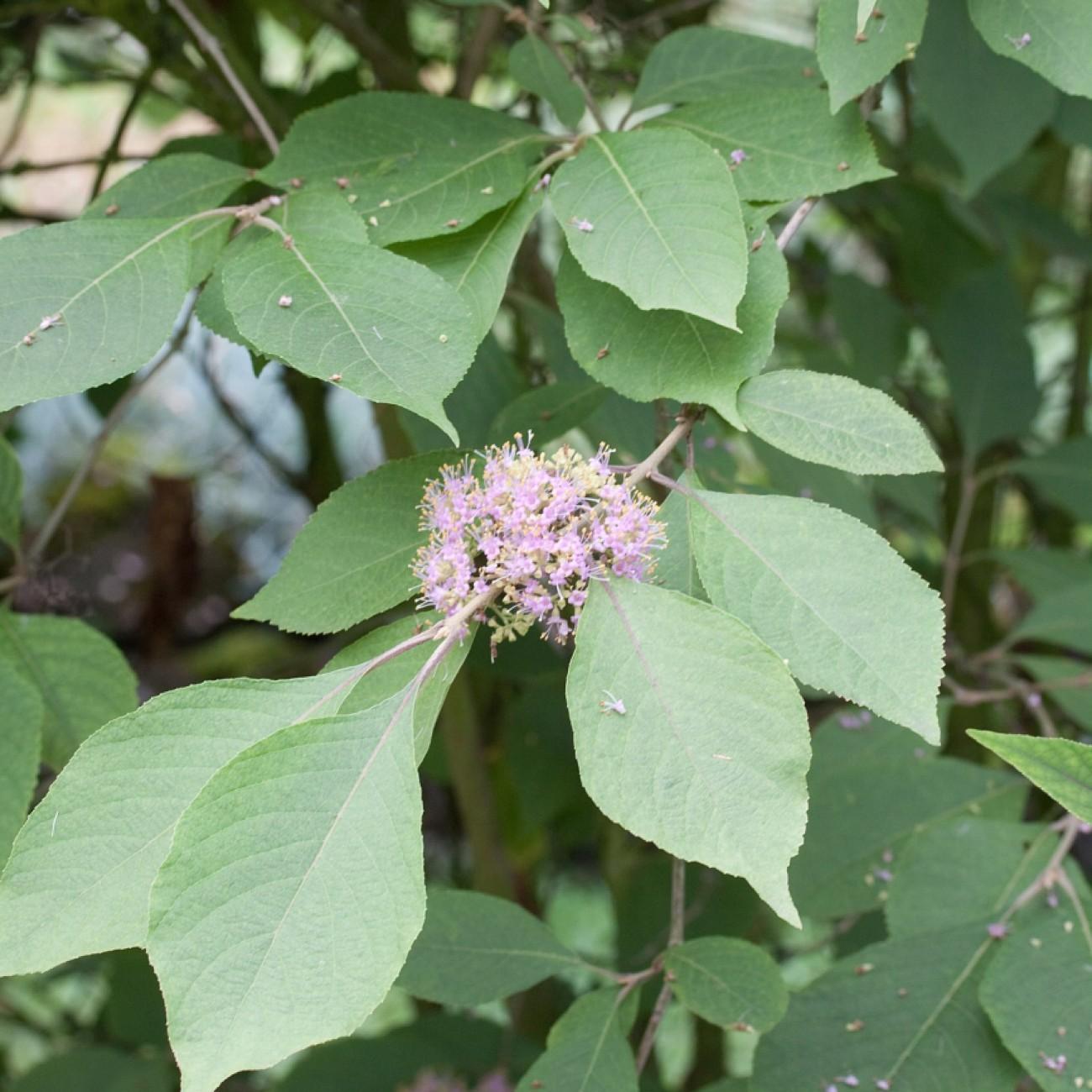
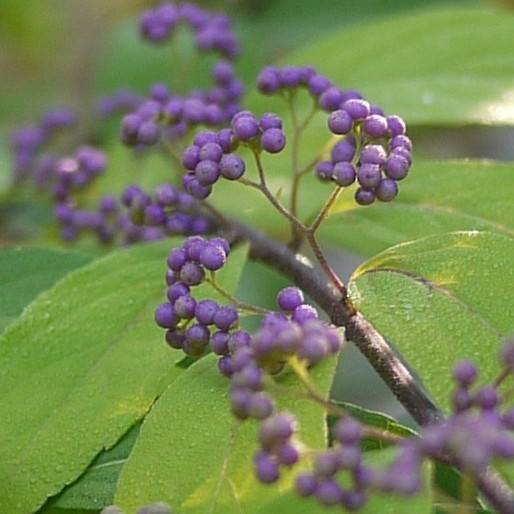
Pearlbush (Exochorda serratifolia) is an amazing plant species for any garden. A favorite among gardeners, this shrub is both beautiful and easy to care for. Its white, star-shaped flowers provide exquisite blooms from early spring to midsummer. In the fall, deep maroon fruit appear, providing an added bonus of color. Foliage is also attractive with blue-green leaves, dissected into delicate lobes. Compact and rounded, pearlbush requires minimal pruning, making it an excellent low-maintenance option for any garden. Thus, pearlbush is an ideal choice for anyone looking for a stunning addition to their garden with minimal upkeep.
Care Guide
Watering
Water pearlbush regularly during the growing season — from late spring to mid-fall — to keep soil evenly moist. Water deeply and slowly, saturating the soil as much as possible, but avoiding waterlogging. During dry spells, check soil moisture daily and increase the watering frequency. In general, provide 1 to 1.5 inches of water per week by either rainfall or irrigation. Water more frequently if the weather has been unusually hot and dry. Reduce or stop watering in the fall as the plant enters dormancy. Pearlbush should not be overwatered; in fact, it is rather drought-tolerant. Allow the top few inches of soil to dry out slightly before irrigating again. Avoid prolonged or excessive soil moisture, which can lead to root rot and plant death.
Light
Pearlbush (Exochorda serratifolia) should receive approximately 6-8 hours of direct sunlight for optimal growth. The best times to receive direct sunlight are between 10 a.m. - 2 p.m., when the sun is at its peak intensity. If possible, avoid planting in spots where it will receive afternoon sun, as this could cause leaf burn and discoloration. Pearlbush should always be planted in a site with some protection from strong winds, as this species is sensitive to wind damage.
Temperature
Hardiness zone 4–7.
Pruning
Pruning Pearlbush (Exochorda serratifolia) should be done shortly after the shrub has bloomed in early summer. You should prune the plant back roughly 1 third of its overall height. This will encourage future blooms and keep the foliage in check. It is important to take individual stems and thin them out in order to show off the natural columned shape of the shrub and to keep airflow moving within the branches. Once this has been accomplished, old wood within the shrub should be removed in order to produce more flowering branches.
Propagation
Cutting, Layering Propagation, Division, Seed Propagation
Related plants
Other plants you might like if you grow pearlbush.