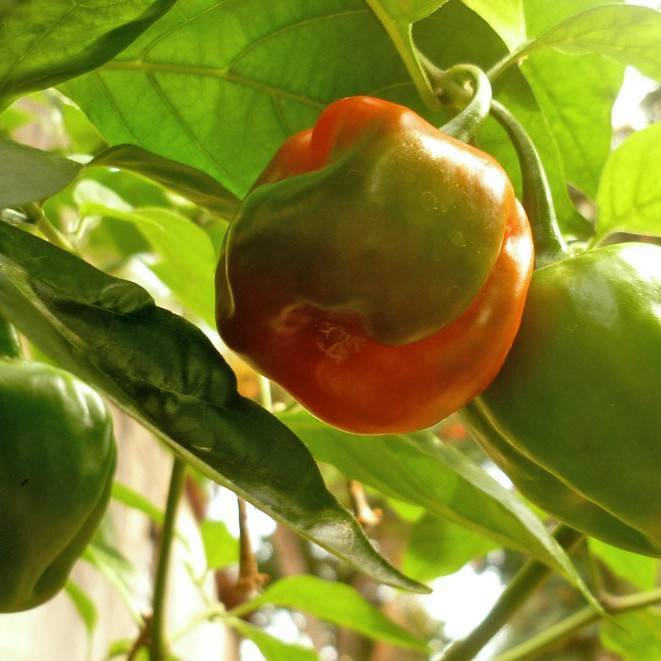
pepper
Capsicum chinense
Overview
Pepper (Capsicum chinense) is an amazing plant! It's native to South America and the Caribbean and commonly used in cuisine throughout the world. It's known to have quite spicy fruits, which comes in a variety of shapes, colors, and sizes. It's rich in nutrients, including Vitamin C, Vitamin B6, Vitamin E, and Potassium. It's also high in antioxidants and thought to have anti-inflammatory and anti-bacterial properties. Pepper is also believed to have many health benefits, such as increasing metabolism, reducing inflammatory illnesses, and managing cholesterol. This amazing plant is sure to spice up any dish and provide numerous health benefits.
Care Guide
Watering
Pepper (Capsicum chinense) plants should be watered regularly; however, how much and when will depend on various factors such as the time of year, the temperature, and the soil type. Generally, peppers prefer moist but well drained soil that is kept evenly moist but not soggy. During warmer weather, peppers should be watered more frequently, up to every 3-5 days. During cooler weather, the water will need to be reduced and the soil should be allowed to dry between waterings. Watering in the morning is best to help protect foliage from fungal diseases. Always check the soil before watering; if the soil is still moist, then the plants don’t need any more water yet.
Light
For pepper plants (Capsicum chinense) to thrive, they need 8-10 hours of sunlight per day on average. To avoid burning the pepper plants, watch the leaves for signs of too much sunlight, such as yellowing, light foliage, or sunburn spots, and adjust the amount of sunlight accordingly.
Temperature
Hardiness zone 10–12.
Pruning
Pruning of a Pepper plant is best done when the plant is in its early stages of growth. If the plant has grown to at least 8" in length, it is safe to prune it. To prune a pepper plant, remove any dead growth, as well as any branches that are crossing over each other or growing in an unnatural direction. Prune the tips of the branches that have grown beyond an appropriate length to encourage bushier growth. Prune off no more than a 1/3 of the total branches in a given pruning session. Pruning a pepper plant can help it produce more fruits and have a more aesthetically pleasing shape.
Propagation
Seed Propagation, Cutting, Layering Propagation, Grafting Propagation, Air Layering Propagation
Related plants
Other plants you might like if you grow pepper.
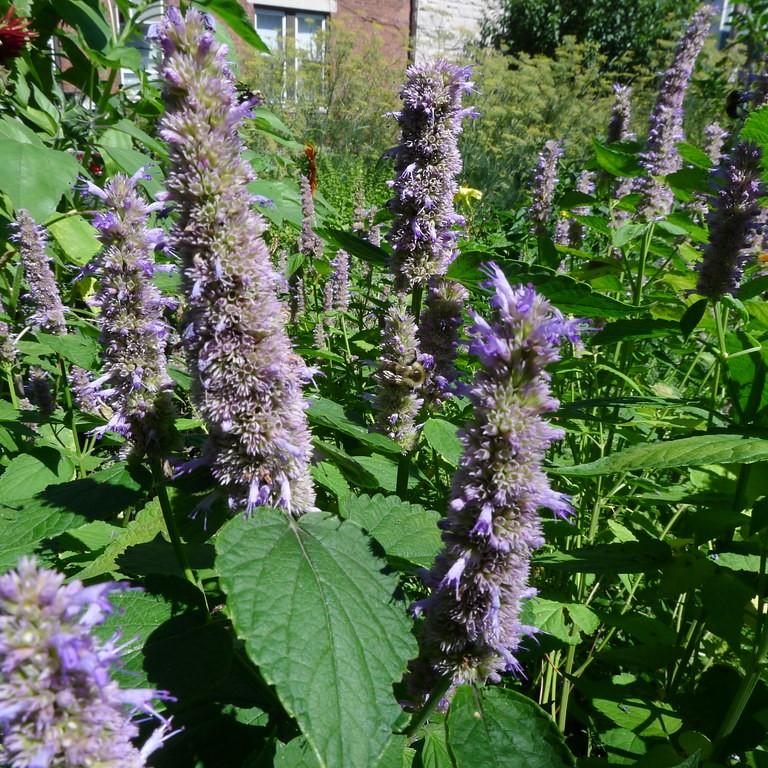
anise hyssop
Agastache foeniculum
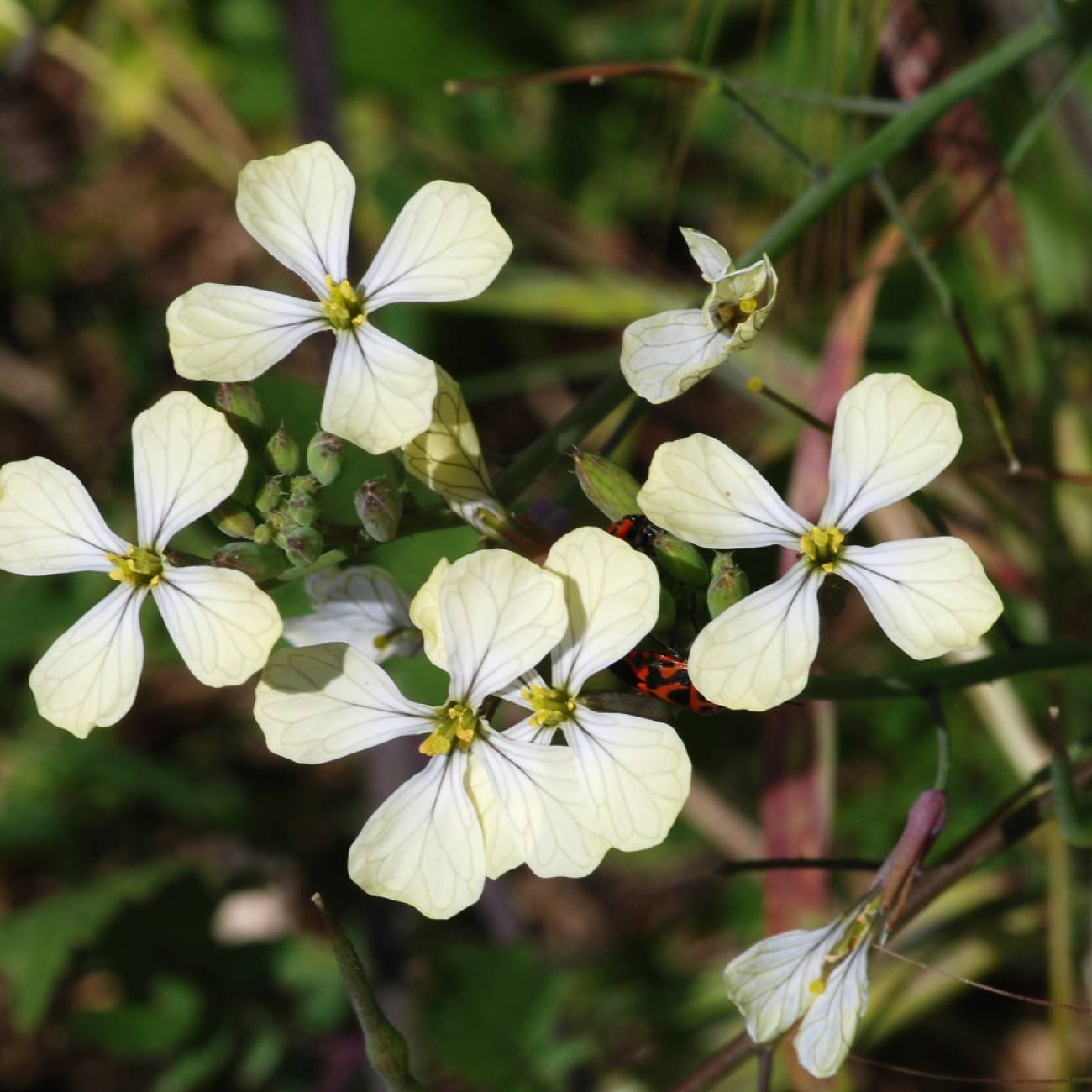
arugula
Eruca versicaria subsp. sativa
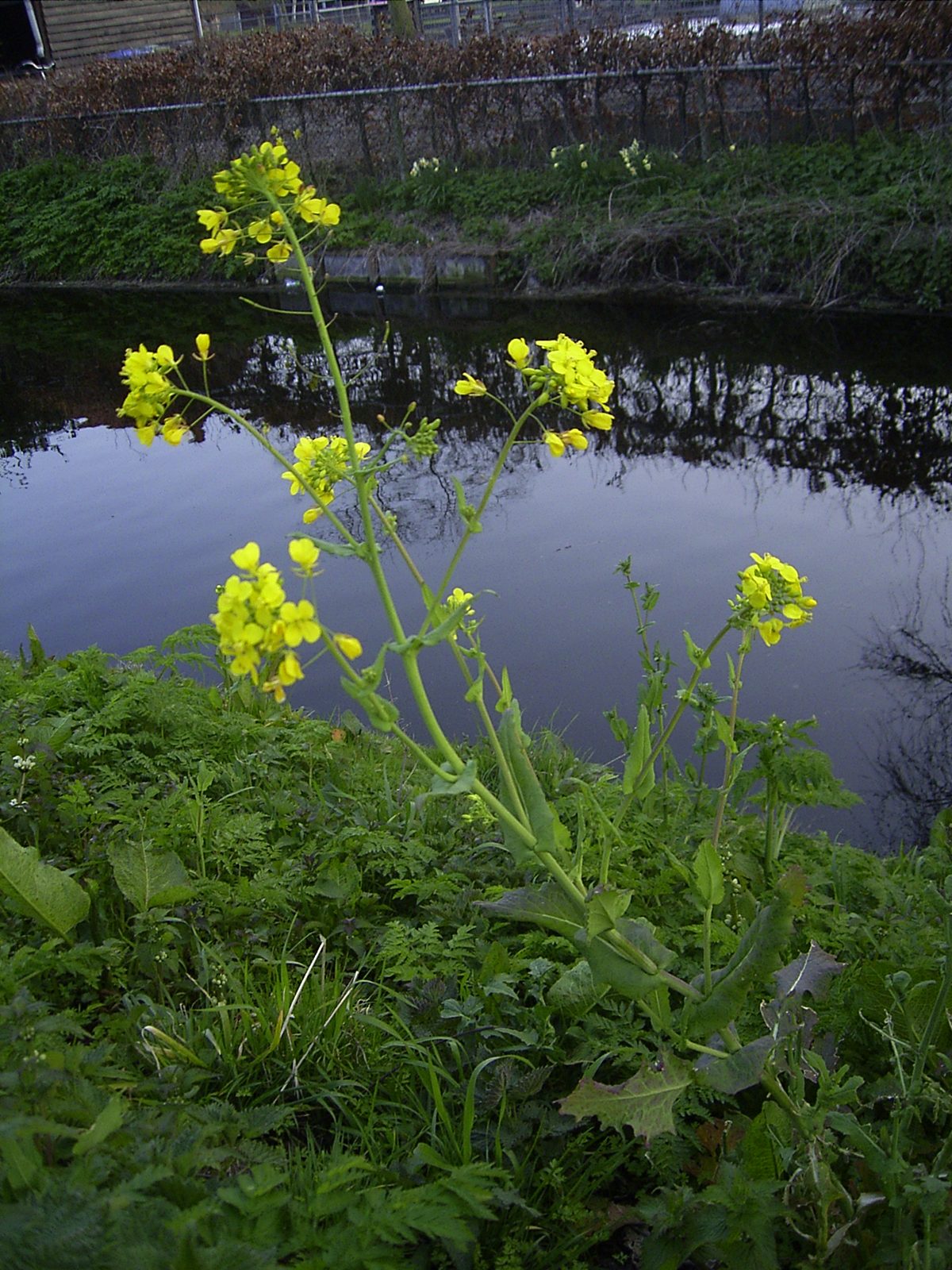
broccoli raab
Brassica rapa (Ruva Group)
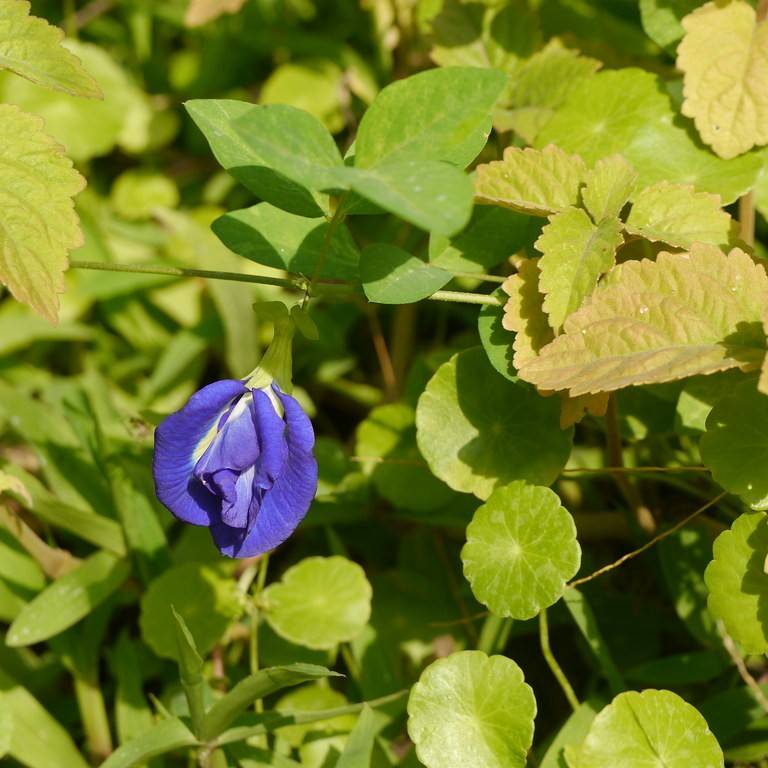
butterfly pea
Clitoria ternatea
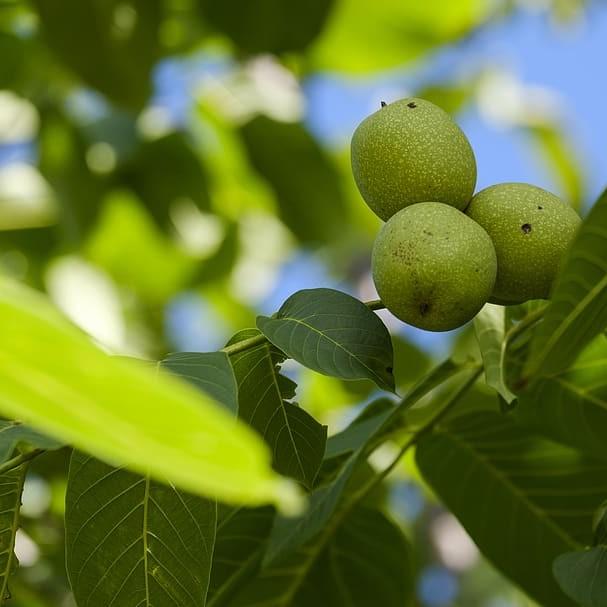
Carpathian English Walnut
Juglans regia 'Carpathian'
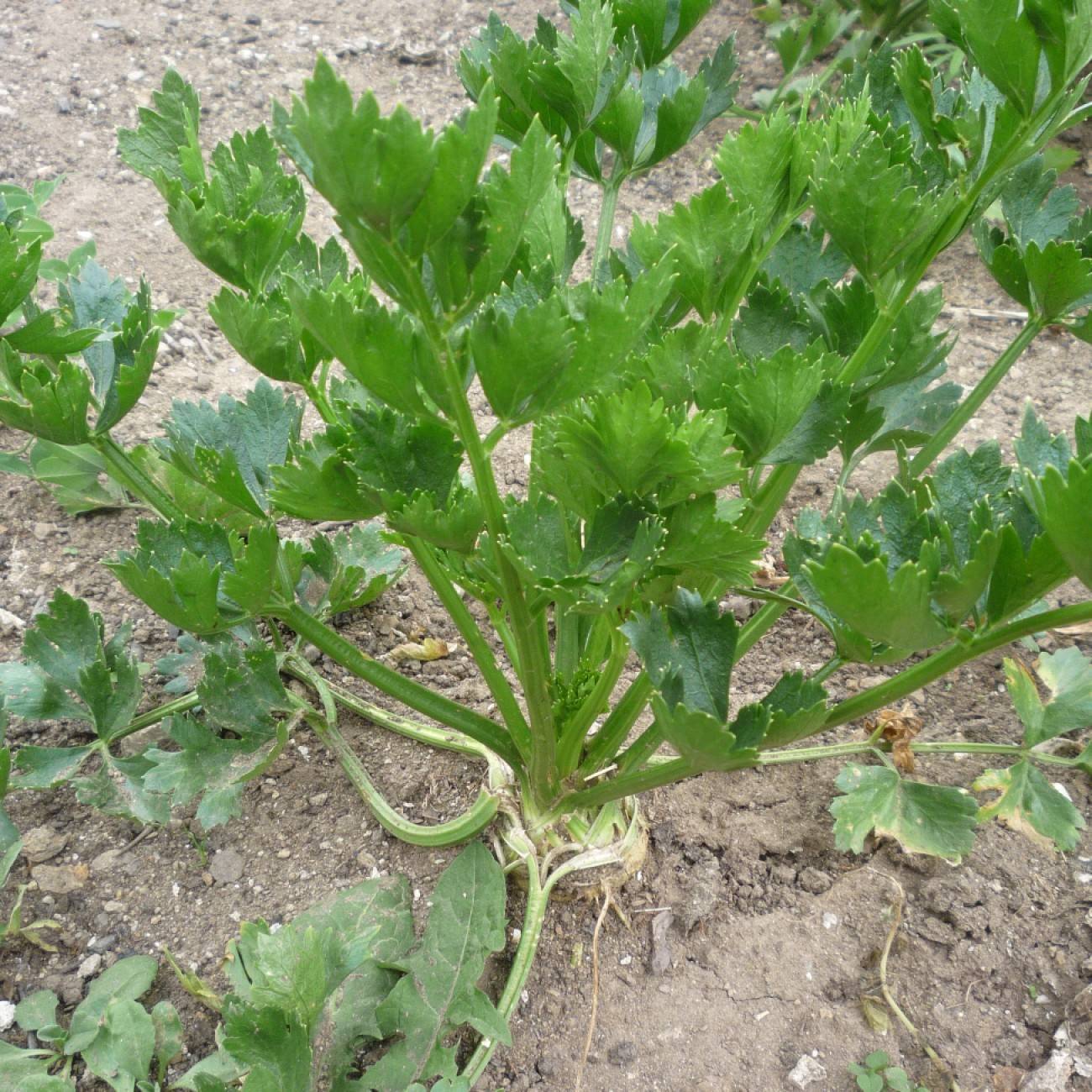
celeriac
Apium graveolens var. rapaceum
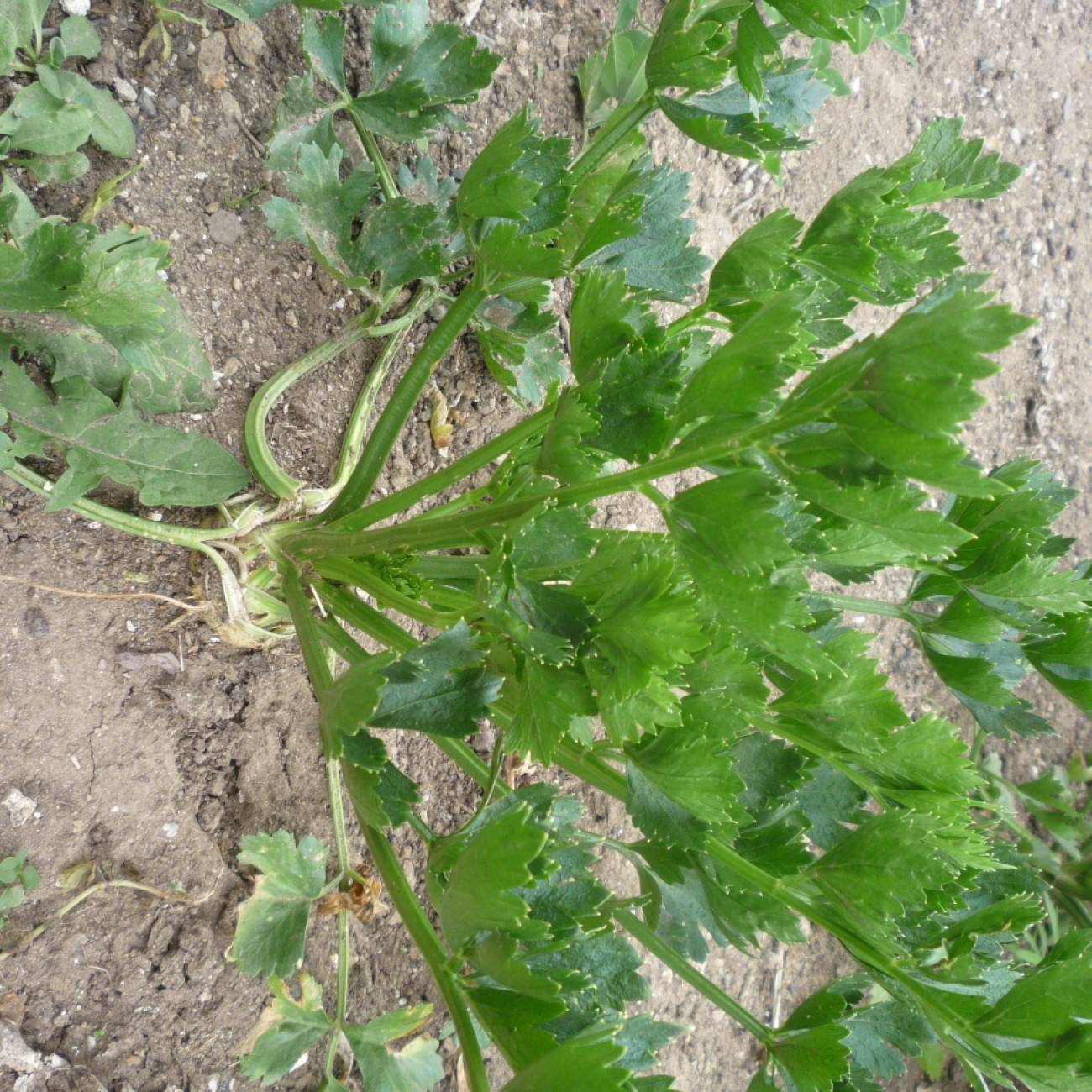
celeriac
Apium graveolens var. rapaceum 'Diamant'
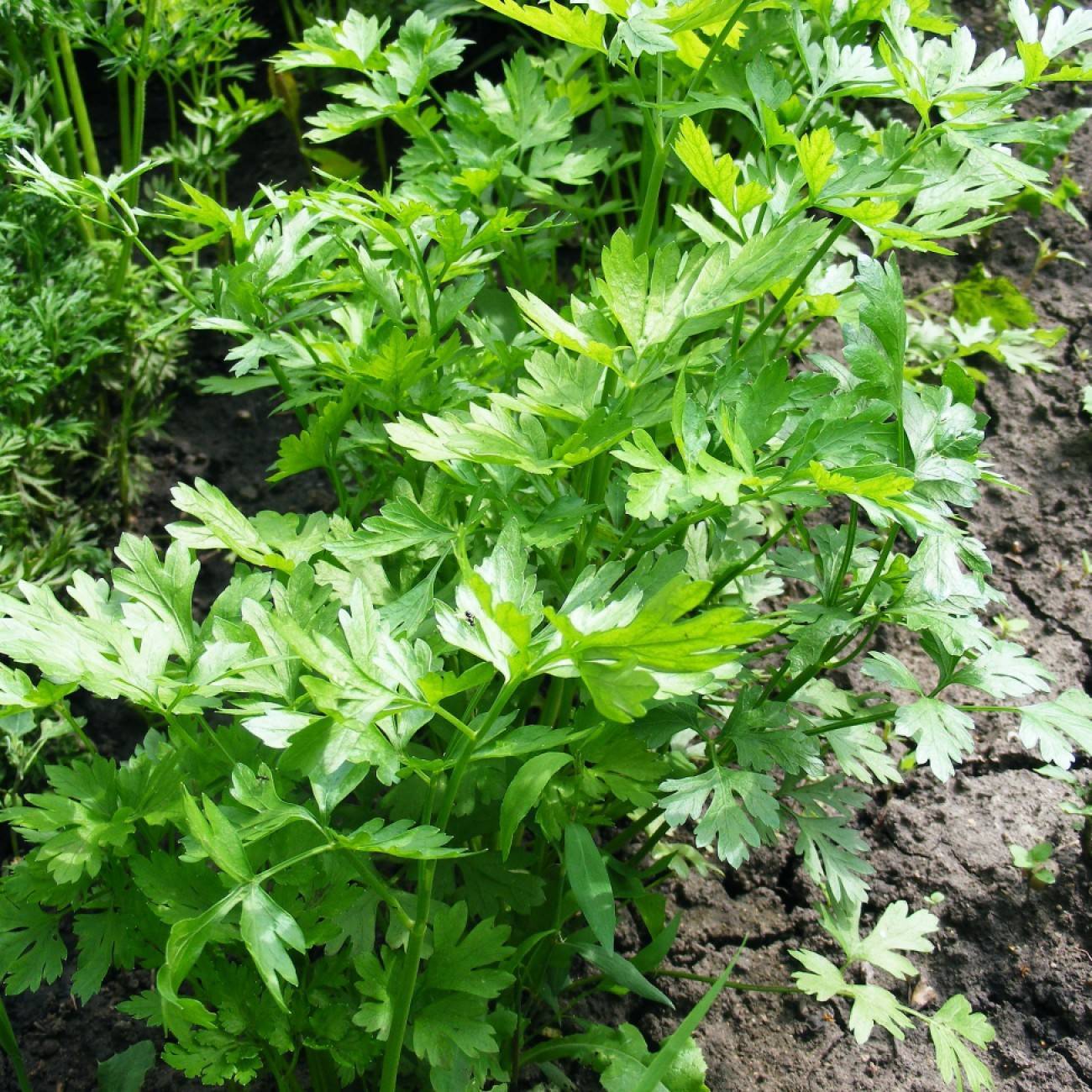
celery
Apium graveolens var. dulce