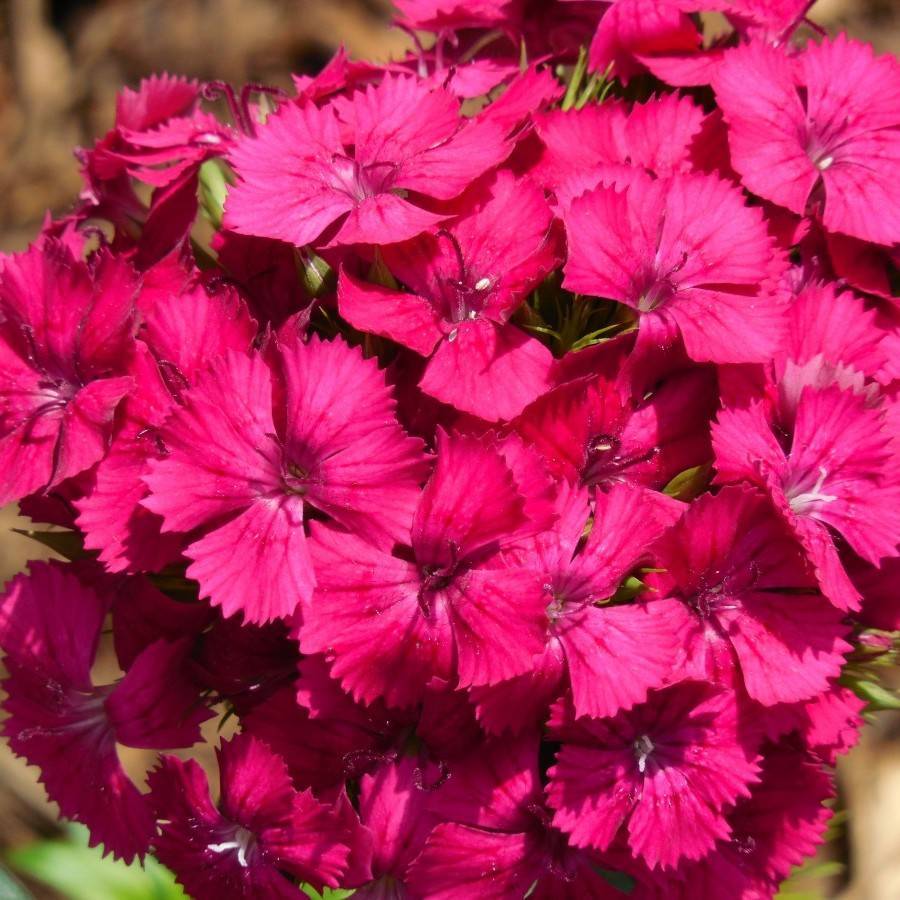
pink
Dianthus 'Painted Beauty'
Overview
Pink (Dianthus 'Painted Beauty') is an amazing plant species. It is able to thrive in various climate conditions, withstanding temperatures as low as -20 degrees Fahrenheit and as high as 90 degrees Fahrenheit. It grows to a height of about 6 inches and produces beautiful dark pink flowers with white and yellow centers. The bright colors of the blooms contrast nicely against the deep green foliage. Moreover, it is easily propagated and is incredibly resilient, able to withstand extreme weather conditions. The best feature of the Pink (Dianthus 'Painted Beauty') is its stunning beauty. It is one of the most attractive species of Dianthus and its display of color will surely give any garden a unique and vivid look.
Care Guide
Watering
Pink (Dianthus 'Painted Beauty') plants should be watered when the topsoil feels dry to the touch. A thorough soak once every 7-10 days is usually sufficient; be sure to water in the morning so that the moisture has time to evaporate before nightfall. Water at the base of the plant to avoid wetting the foliage. If planted in a container, feel the soil layer closest to the edge to gauge when to water; if it's dry, water the container until you notice water draining from the bottom.
Light
Pink (Dianthus 'Painted Beauty') plants require at least 6 hours of sun per day, and prefer 8 to 10 hours of direct sunlight. When selecting a spot for your pink Dianthus plant, make sure that the area receives bright, full sunlight for most of the day. Avoid planting the plant in any spot that receives more than 10 hours of sunlight as this can cause the leaves to develop sunburn. If the sun exposure is too intense, use a thin curtain to reduce the amount of light a bit. During the summer, the plant should also be sheltered from strong winds, which can cause the plant to dry out and become damaged.
Temperature
Hardiness zone 4–8.
Pruning
Pink Dianthus 'Painted Beauty' should be pruned after flowering in late spring or early summer. Pruning should be light, removing spent flowers to encourage more blooms over the season. Be sure to leave foliage to provide energy for the upcoming flowers. Extra tips for pruning include removing the stems and foliage from the ground to promote new growth for the following season. Make sure to only trim 1-quarter of the stems to ensure enough foliage remains. Finally, trim away any dead or damaged stems and foliage if needed.
Propagation
Division, Cutting, Layering Propagation, Seed Propagation
Related plants
Other plants you might like if you grow pink.
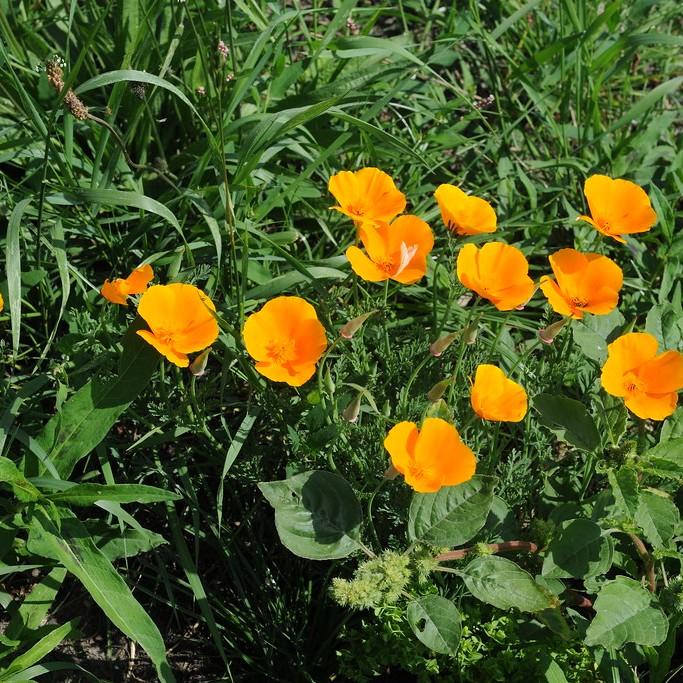
California poppy
Eschscholzia californica
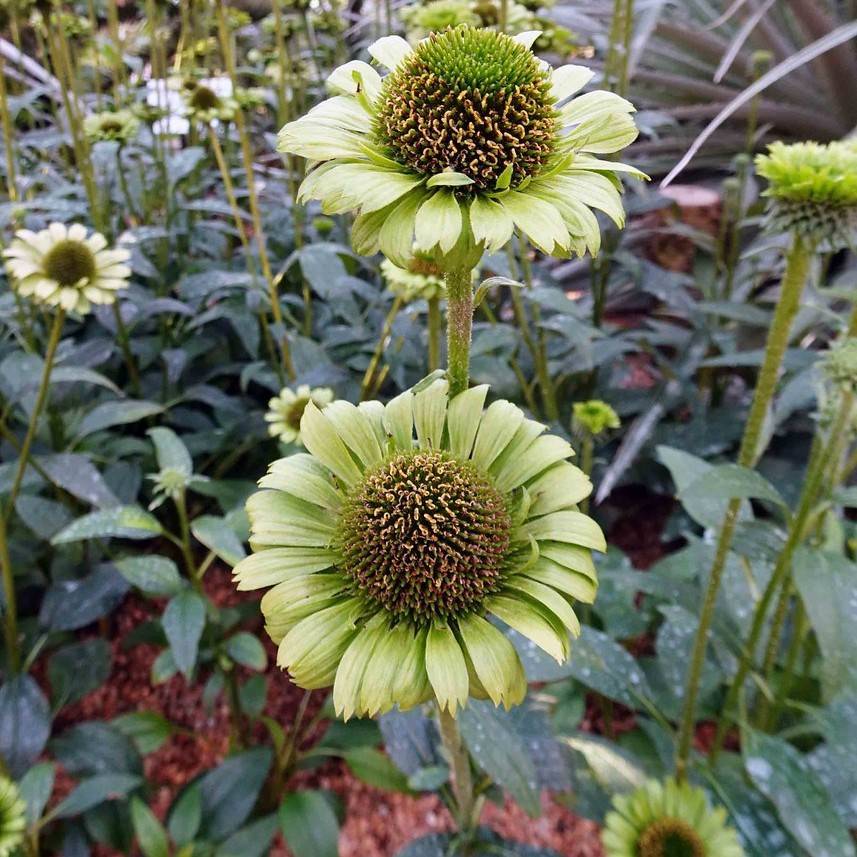
coneflower
Echinacea purpurea 'Green Jewel'
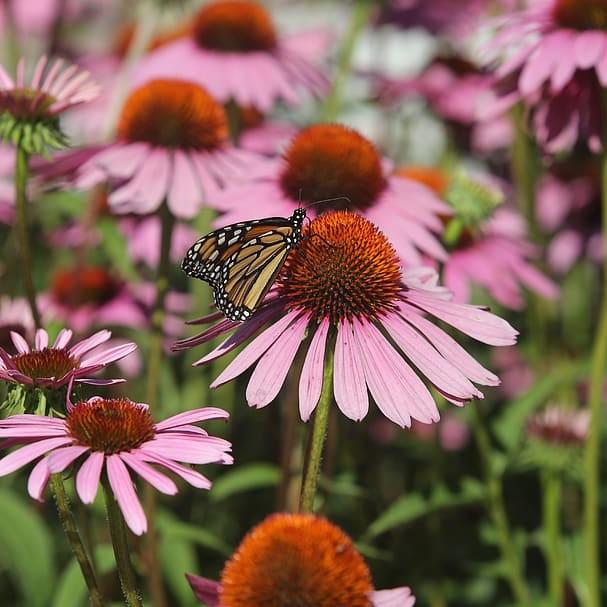
purple coneflower
Echinacea purpurea 'Ovation'
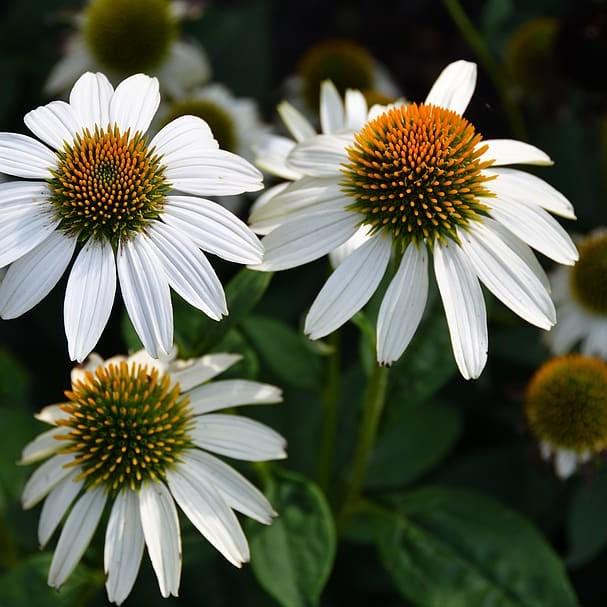
purple coneflower
Echinacea purpurea 'PowWow White'
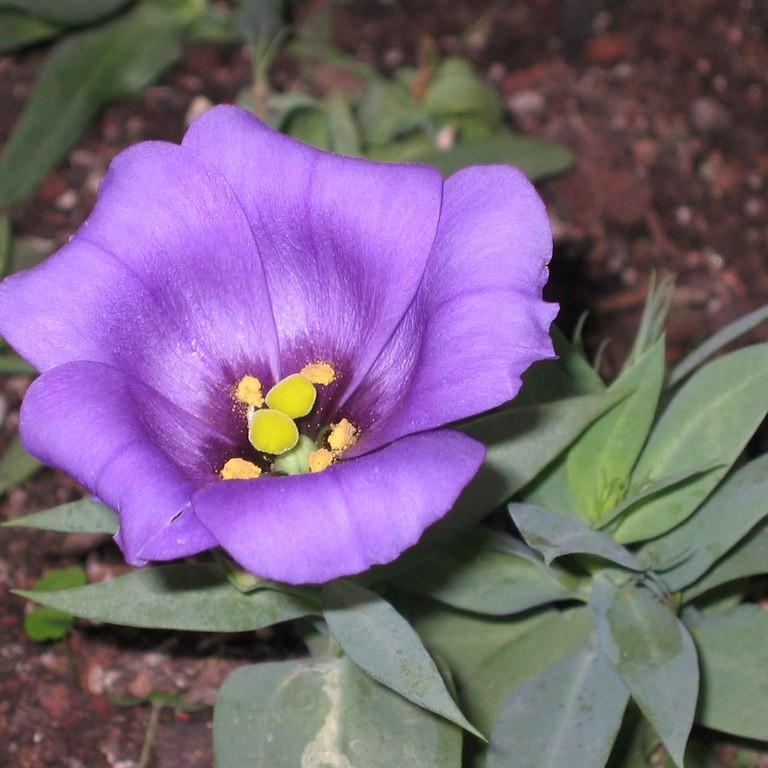
lisianthus
Eustoma grandiflorum
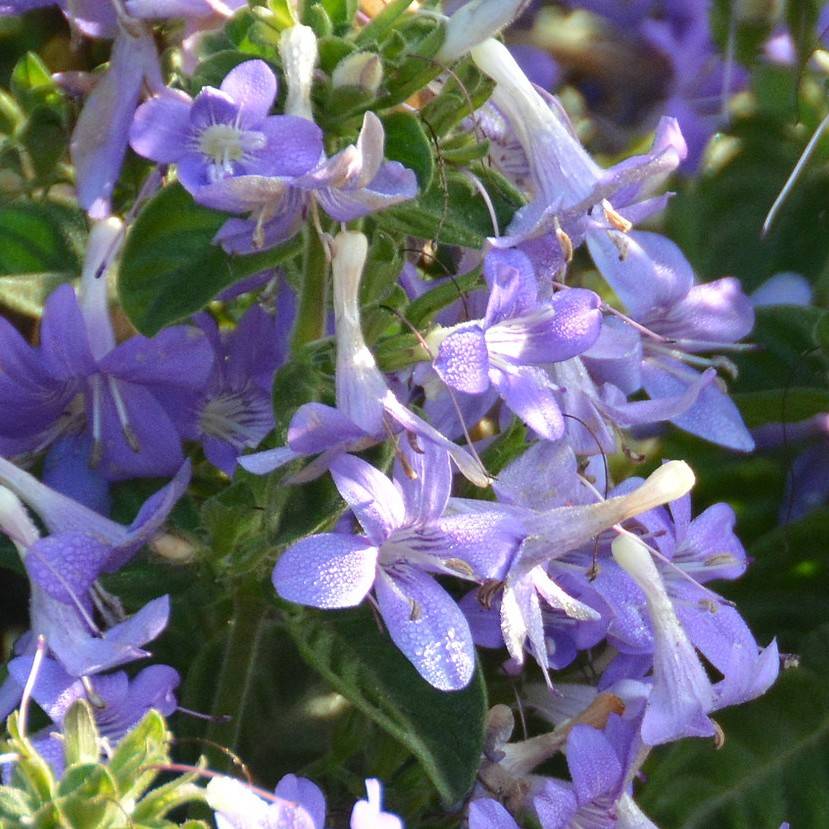
Adriatic bellflower
Campanula garganica 'Dickson's Gold'
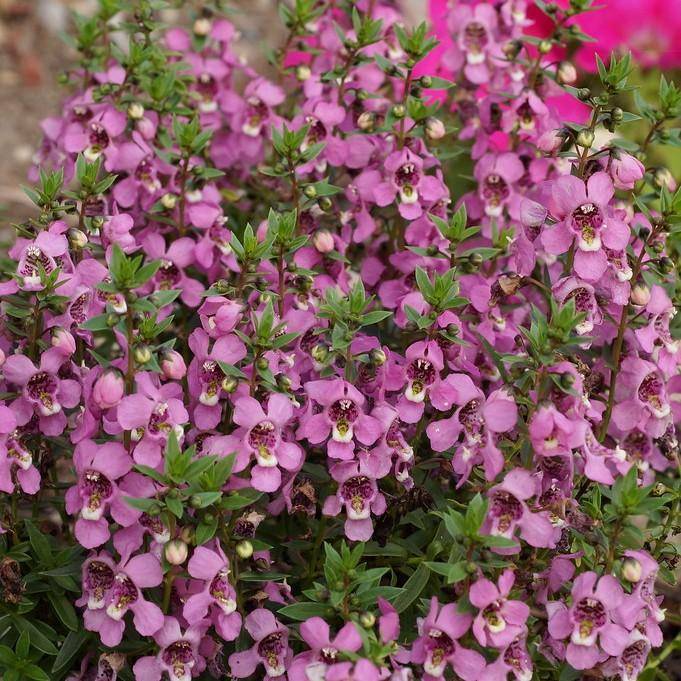
angelonia
Angelonia angustifolia
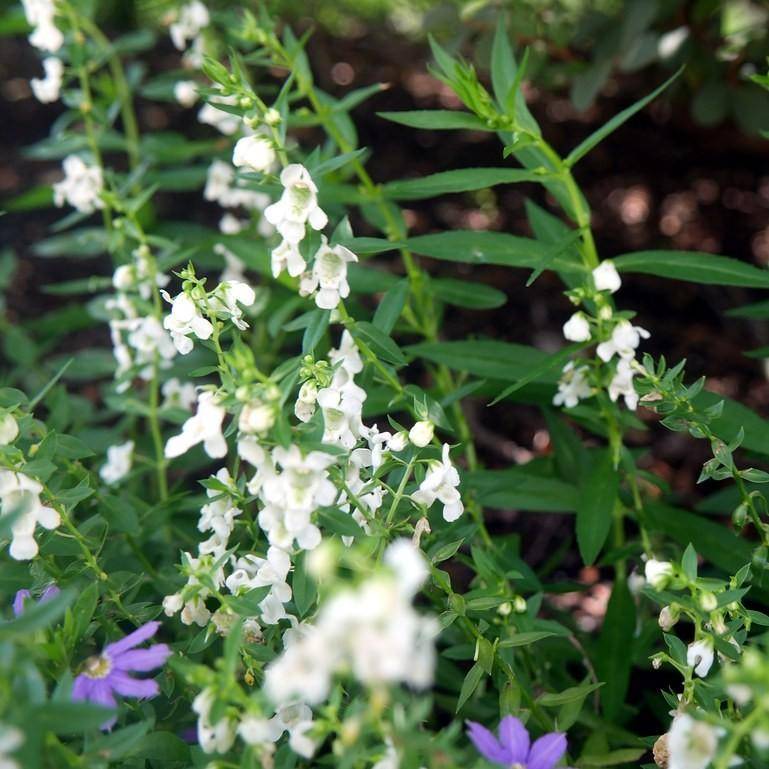
angelonia
Angelonia angustifolia SERENA MIXTURE