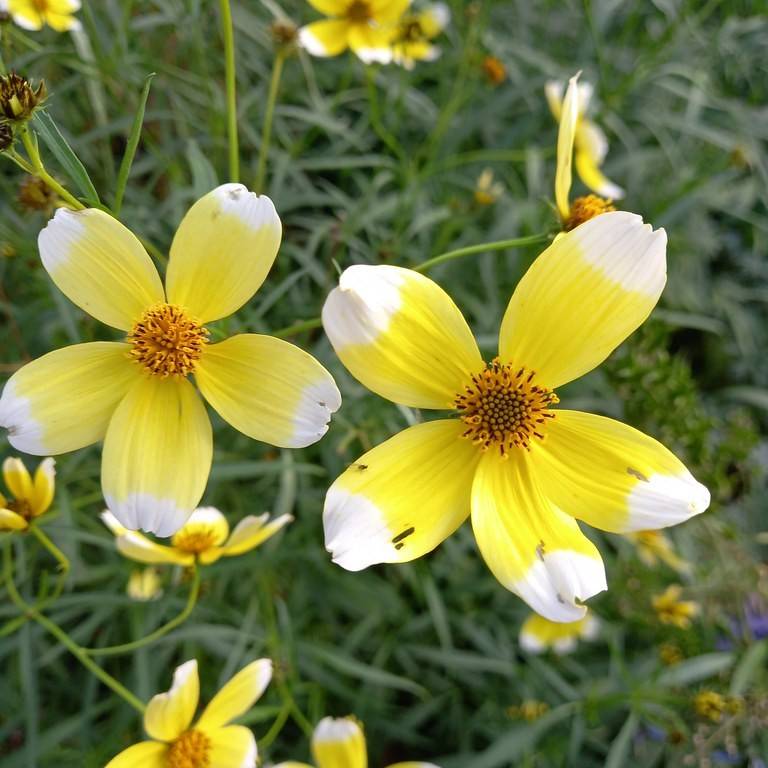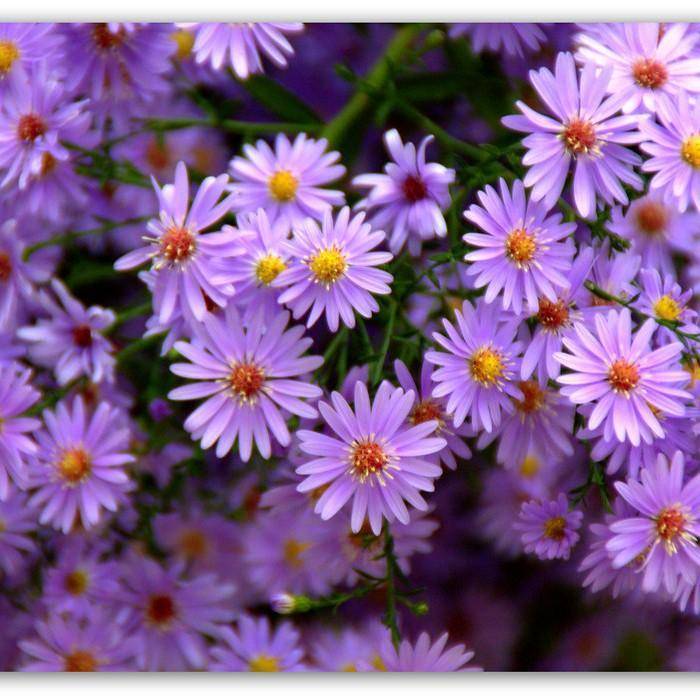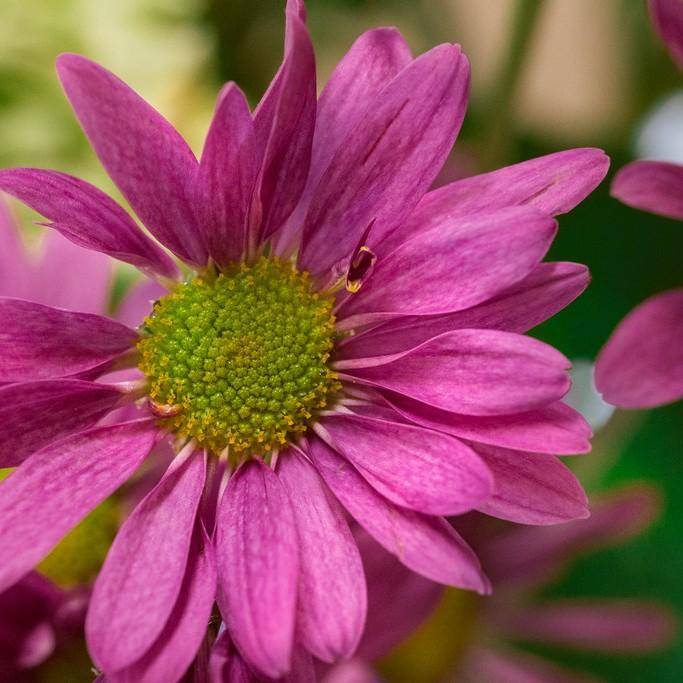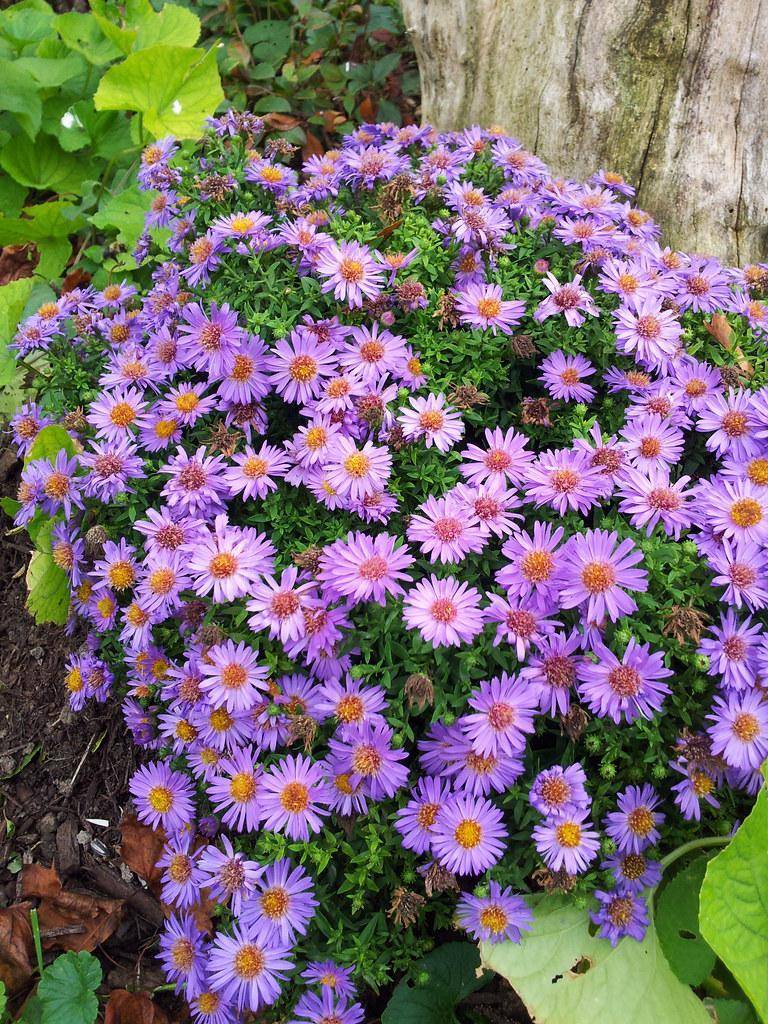
pink
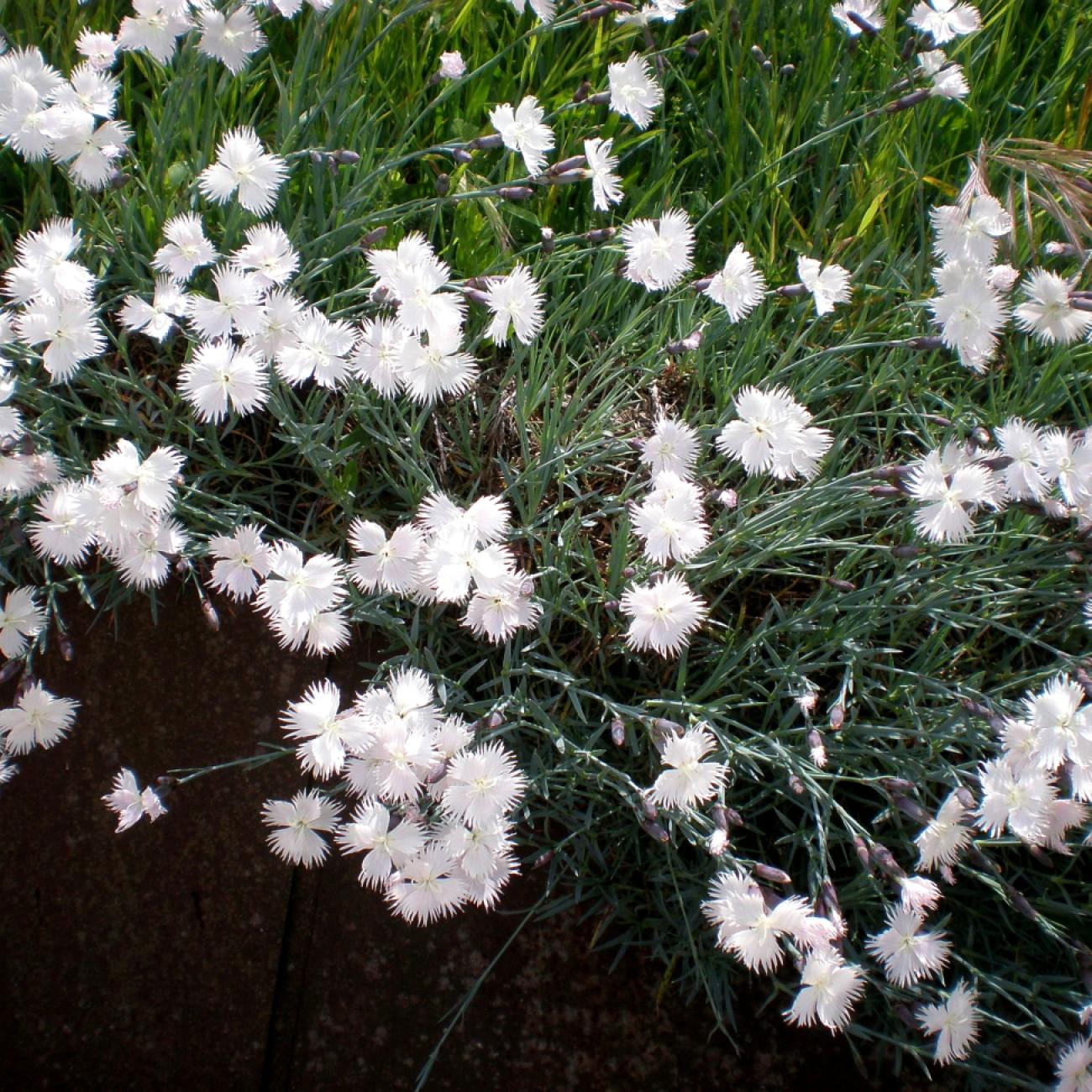
Dianthus plumarius 'Itsaul White'
Overview
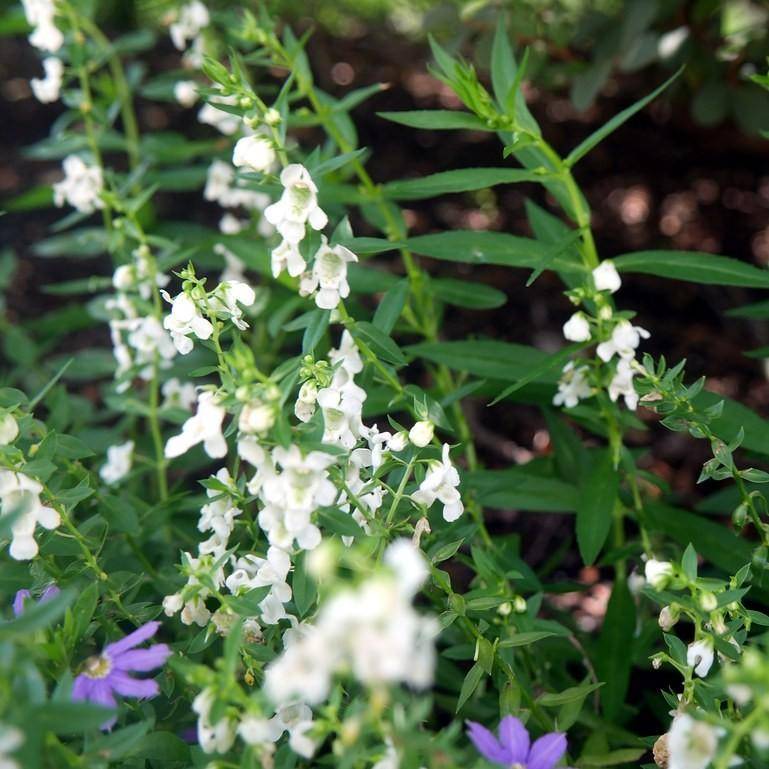
The Dianthus plumarius 'Itsaul White' is an amazing plant species with unique characteristics that make it a standout in any garden. It has large clusters of large, pure white flowers that standout against its bright pink foliage. It has a lovely, delicate scent and is incredibly easy to care for. The plant spreading habit is also a plus, as it is great for filling bare spots. It blooms throughout spring and summer, providing weeks of beautiful, eye-catching blooms. And, thanks to its hardiness, it’s sure to be a favorite for years to come in your outdoor space.
Care Guide
Watering
Pink (Dianthus plumarius 'Itsaul White') should be watered once every 7-10 days, depending on the weather, and should receive roughly 1 inch of water each time. When watering your Pink, make sure to water the soil around the plant to a depth of at least 6 inches. Avoid wetting the leaves and flowers, which can lead to fungal issues. During hot summer months, you may need to increase watering frequency slightly. In periods of excessive heat, misting the leaves can be beneficial.
Light
Pink (Dianthus plumarius 'Itsaul White') plants require full sun exposure for a minimum of 6 to 9 hours per day. This direct sunlight helps them to grow to their fullest potential and creates the most beautiful flower displays. They can also tolerate a bit of light shade for the remaining part of the day but they may not produce as many or as vibrant blooms. Pink plants also prefer cooler climates and should not be placed in direct, hot sun during the highest heat of the day. For the best growth results, pick a spot that gets plenty of morning sun and light afternoon shade.
Temperature
Hardiness zone 3–9.
Pruning
For proper growth and flowering of Dianthus plumarius 'Itsaul White', pruning should be done at least once a year. This should take place in mid to late spring as the temperatures increase and the risk of frost diminishes. When pruning, it is important to remove any dead and diseased stems, as well as any old flowers. This will help promote new growth and flowering, as well as improve air circulation and reduce the chances of disease invading the plant. Additionally, all parts of the plant should be trimmed back to a minimum of 5 cm, in order to keep the shape of the plant. It is also important to prune any young stems that are competing with older ones, as this will help ensure the healthiest possible growth.
Propagation
Division, Cutting, Layering Propagation, Seed Propagation, Grafting Propagation
Related plants
Other plants you might like if you grow pink.