pink
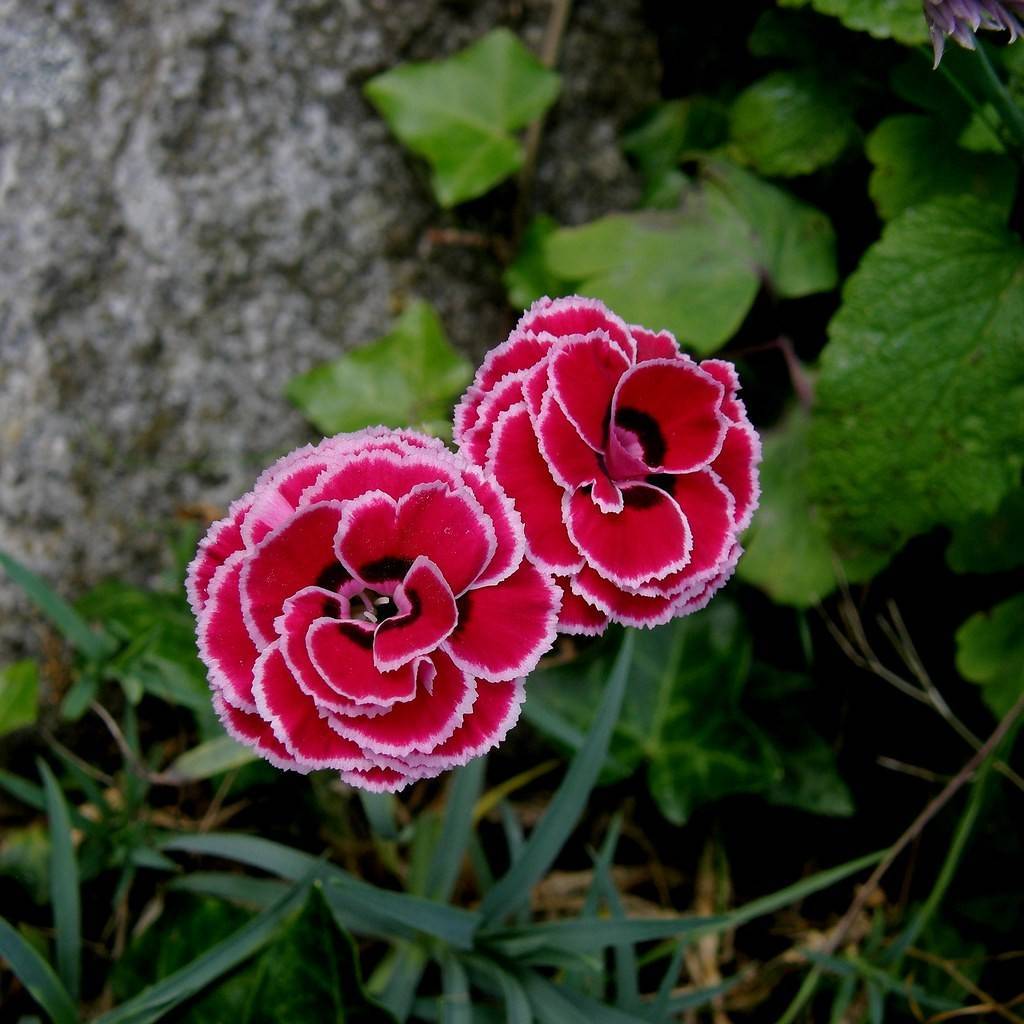
Dianthus 'Rosish One'
Overview
The Dianthus 'Rosish One' (or pink) is amazing for many reasons. Its vibrant blooms provide a burst of color to any garden. The flowers are also quite fragrant, creating a pleasant and inviting atmosphere. The deer-resistant stems of the Dianthus are strong and upright, making this flower a perfect choice for borders and beds. It is also incredibly easy to care for and will bloom happily from early summer into the fall. The discreet evergreen foliage is a delight all year round, adding to its beauty and endurance. The reliable and resilient qualities of the Dianthus 'Rosish One' make it a brilliant addition to any garden.
Care Guide
Watering
Pink Dianthus 'Rosish One' plants need regular watering to promote growth of healthy foliage and blooms. In general, the plant should get approximately 1 inch of water per week, provided by either rainfall or by hand-watering. The water should be applied evenly and consistently to the soil and aimed at the soil rather than at the plant itself. During the summer months, water your pink Dianthus 'Rosish One' plants on a regular basis, making sure that the soil does not dry out completely. In the winter you may need to water less due to cooler temperatures and less sun, but make sure to pay attention to the soil moisture and water as needed.
Light
Pink (Dianthus 'Rosish One') plants should be grown in a bright location with at least 6-8 hours of direct sunlight each day. If kept indoors, the plant should be placed in a sunny window or near a strong artificial light source. During warmer months, the plants can be moved outside, but they should be sheltered from constant and direct exposure to afternoon sun and wind. During the winter months, pink Dianthus 'Rosish One' can benefit from some extra indirect light, such as from a skylight.
Temperature
Hardiness zone 4–8.
Pruning
Pink (Dianthus 'Rosish One') should be pruned in early to late spring, when the plant is still dormant. Pruning should be done conservatively, removing any dead or dying flowers or flower stalks and cutting back any weak or leggy stems. This will encourage a more bushy plant with a compact and neat shape. It is also recommended to lightly trim any stems that have grown out of proportion, to create a more uniform and balanced look. Pruning can also prevent the foliage from becoming sparse and leggy over time. If desired, feel free to trim the entire plant back by a third, to keep it looking well-groomed.
Propagation
Division, Cutting, Layering Propagation, Seed Propagation, Grafting Propagation
Related plants
Other plants you might like if you grow pink.