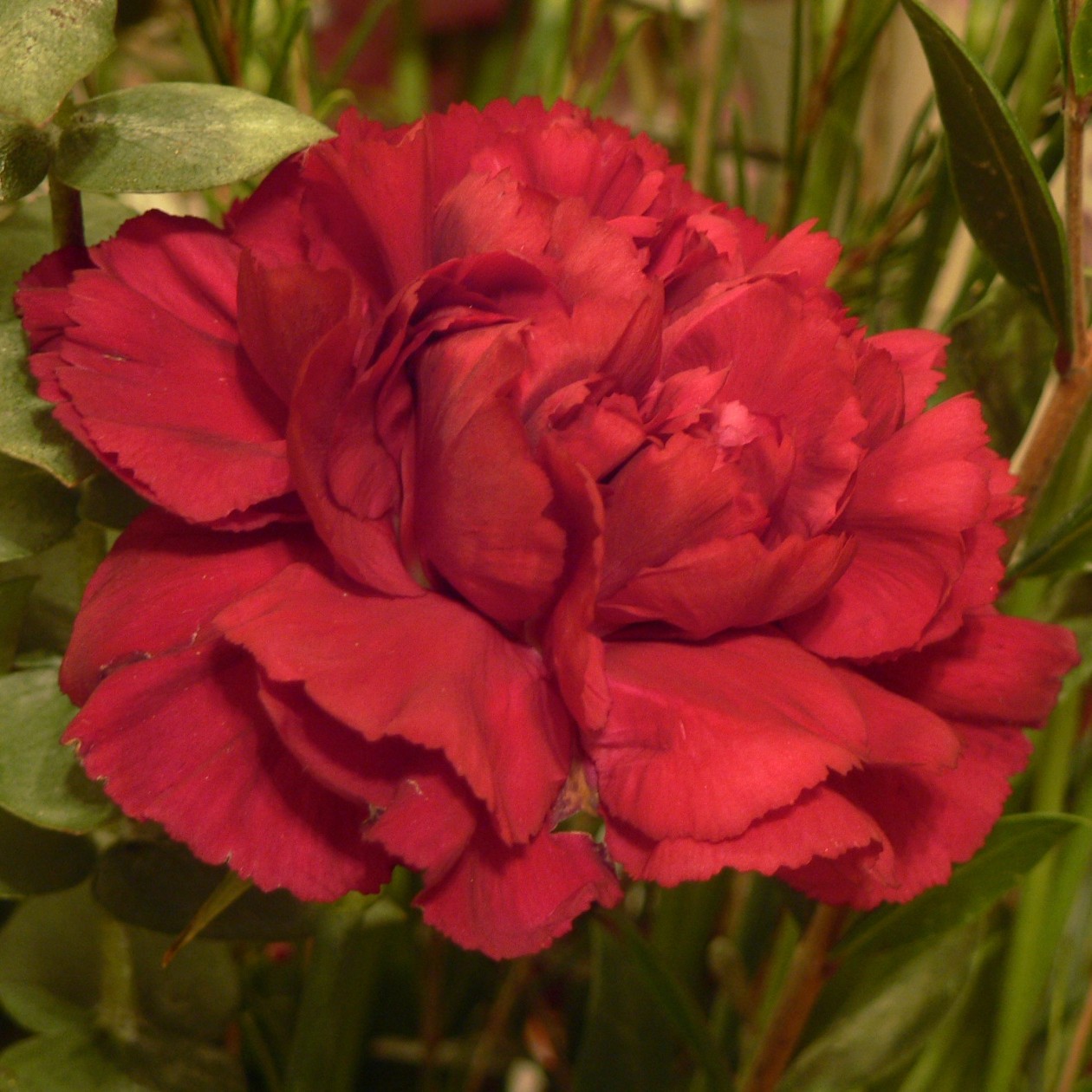
pink
Dianthus 'WP Passion'
Overview
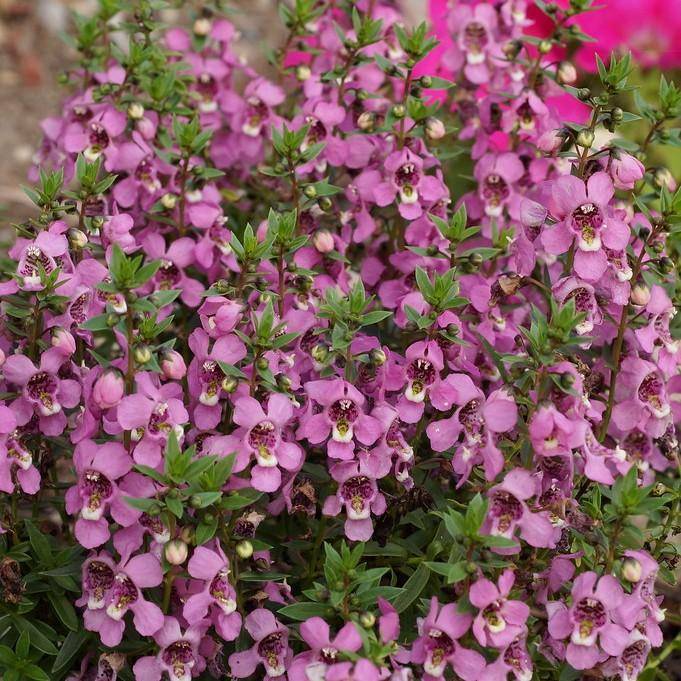
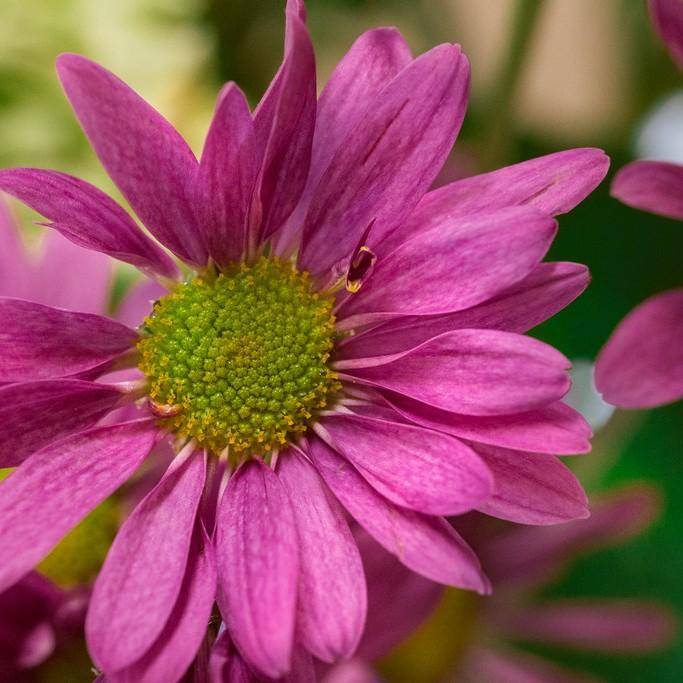
The Dianthus 'WP Passion' is an amazing plant species with numerous merits. Its blooms have an exquisite hue of pink and feature an intricate pattern of fringed petals, making them an eye-catching addition to any garden. Since the flowers bloom for an extended period of time, they offer months of visual enjoyment. Growing up to 12" in height, the plant is an excellent choice for border and edge gardens. Its foliage remains evergreen even in cold climates and can bring life to your winter landscape. The wasp-like flowers attract butterflies and can be harvested for months of fragrant indoor arrangements. Overall, the splendid Dianthus 'WP Passion' is a wonderful specimen.
Care Guide
Watering
Pink Dianthus 'WP Passion' should be watered when the top 2-3 inches of soil is dry-to-the-touch. Depending on the temperature and humidity of your specific environment, this might mean watering your plant every 5-7 days. Make sure to saturate the entire root zone with water, and avoid getting foliage wet in order to prevent fungal diseases. This species should not be left in standing water, as this can lead to root rot and other issues.
Light
Pink (Dianthus 'WP Passion') plants prefer a location that gets at least 6-8 hours of sunlight each day. Additional sun is tolerated, and the plant may actually bloom more in full sun locations. As a general rule, this plant should receive as much sunlight as possible while still being protected from the intense noonday sun in the hottest summer months. The plant should also be protected from heavy winds since this can cause some of the delicate petals to break.
Temperature
Hardiness zone 5–8.
Pruning
Pruning of Dianthus 'WP Passion' should be done in spring, when new growth has just started. Pruning should only be done lightly – remove dead stems and any faded flowers but don't cut too deeply into the plant. The stems should be cut back to a length of 2–4 inches (5–10 cm). Do not leave any stubs, as these invite disease. Pruning should be done every 1–2 years, as pink Dianthus thrive best when they are pruned regularly.
Propagation
Division, Cutting, Layering Propagation, Grafting Propagation
Uses & Symbolism
Attracts: Butterflies.
Related plants
Other plants you might like if you grow pink.