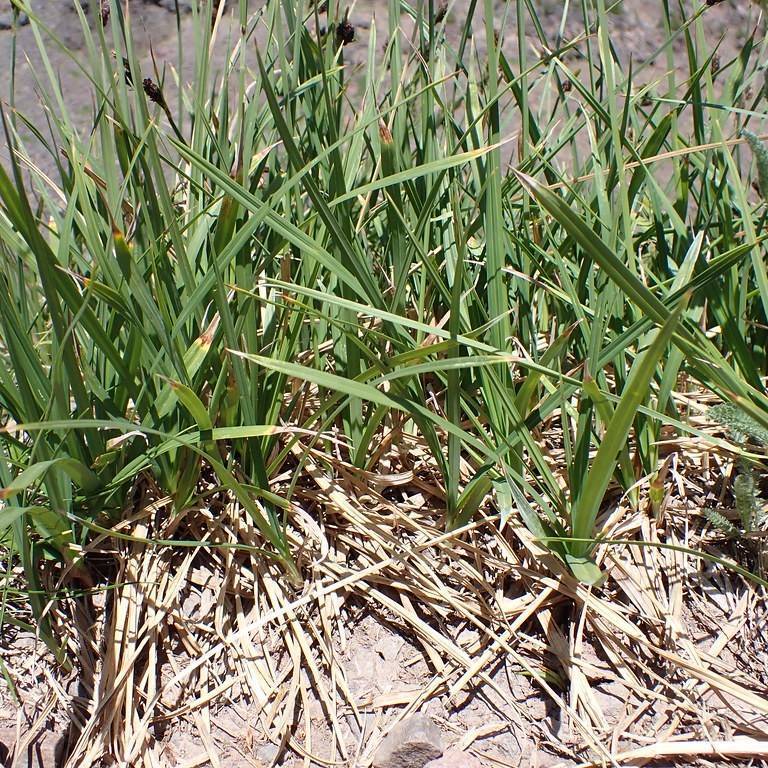
sedge
Carex laxiculmis 'Hobb' BUNNY BLUE
Overview
Sedge (Carex laxiculmis 'Hobb' BUNNY BLUE) is an amazing plant species that will bring a bright and cheerful atmosphere to your garden. Growing to only 50 cm tall by 50 cm wide, it forms a low, rounded mound of blue-grey foliage with delicate grassy flowers in summer. It's ideal for groundcover and as an edging to planting beds and containers. Deer-resistant and drought tolerant, it requires little maintenance and is tolerant of a wide range of soil conditions. Its attractive blue foliage will shine in container and rock gardens and its bright yellow flowers will bring vivid summer colour and attract bees. Sedge (Carex laxiculmis 'Hobb' BUNNY BLUE) is a great choice for any garden, perfect for providing year-round interest and colour.
Care Guide
Watering
Bunny Blue sedge (Carex laxiculmis 'Hobb') should be watered twice a week, targeting approximately 1 inch of water each time. Water deeply so that the entire root system is moistened. Allow the soil to dry out slightly between waterings. This will help to encourage vigorous root growth. In very hot weather, additional watering may be needed to keep the plant's soil from drying out completely.
Light
Sedge (Carex laxiculmis 'Hobb' BUNNY BLUE) requires full sun for optimal growth and thriving. If planted in partial shade, growth may be lower and the vigor of the plant may be reduced. The ideal growing period for this plant species is at least 8 hours daily of sunshine. If planted in an area which receives less amounts of sun - ideally 5-6 hours - the plant can still thrive, however it is likely to flower less profusely. When a plant is placed in an area of partial shade, it is important to check the soil moisture levels and adjust according to the plant’s needs. Finally, it is essential to remember to shield your sedge plant from strong wind where possible, as this can damage and even kill it.
Soil
Clay
Temperature
Hardiness zone 5–9.
Pruning
Sedge (Carex laxiculmis 'Hobb' BUNNY BLUE) needs regular pruning to maintain its shape and health. Pruning should be done in late winter to early spring, when the plant is still actively growing. Start by removing any dead, diseased, or damaged growth with a sharp pair of pruning shears. Then thin out the center of the clump, cutting at the base of the stem to reduce overcrowding and encourage better air flow. The plant may need to be cut down significantly in spring to reduce height and promote new growth. Finally, give the plant a final trim in early summer to encourage growth and limit potential seeding.
Propagation
Division, Cutting, Seed Propagation, Layering Propagation
Related plants
Other plants you might like if you grow sedge.
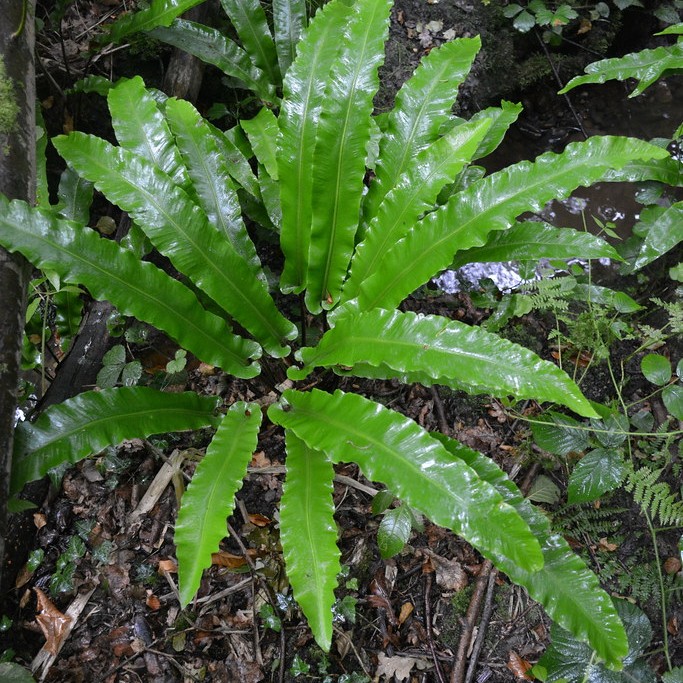
hart's tongue fern
Asplenium scolopendrium
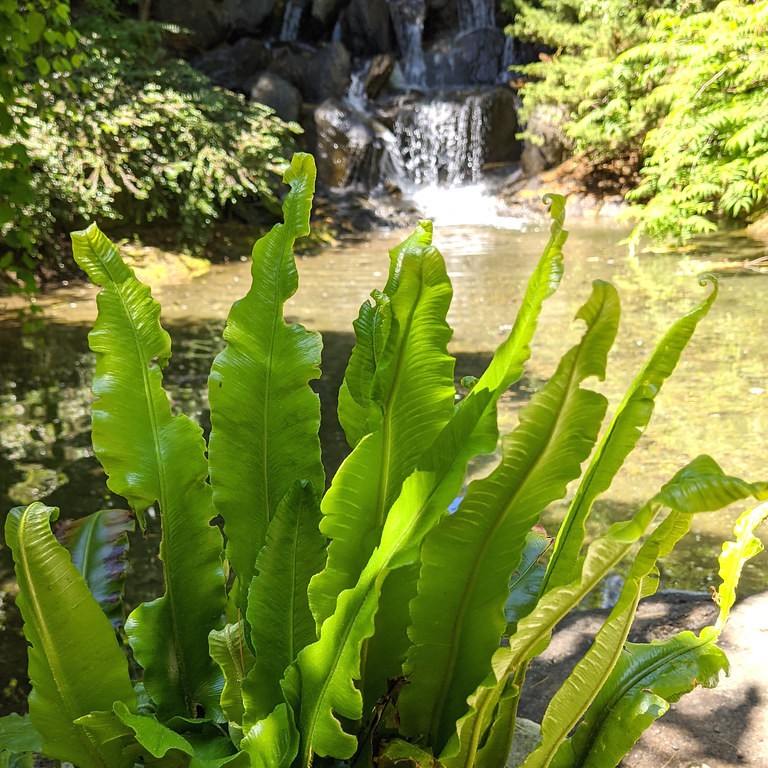
hart's tongue fern
Asplenium scolopendrium (Crispum Group)
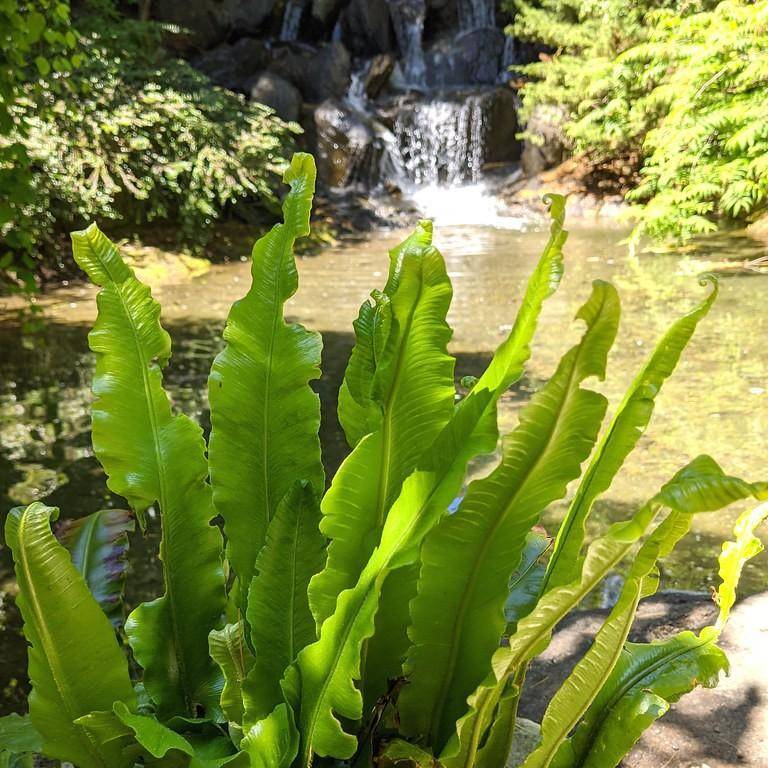
hart's tongue fern
Asplenium scolopendrium (Undulatum Group)
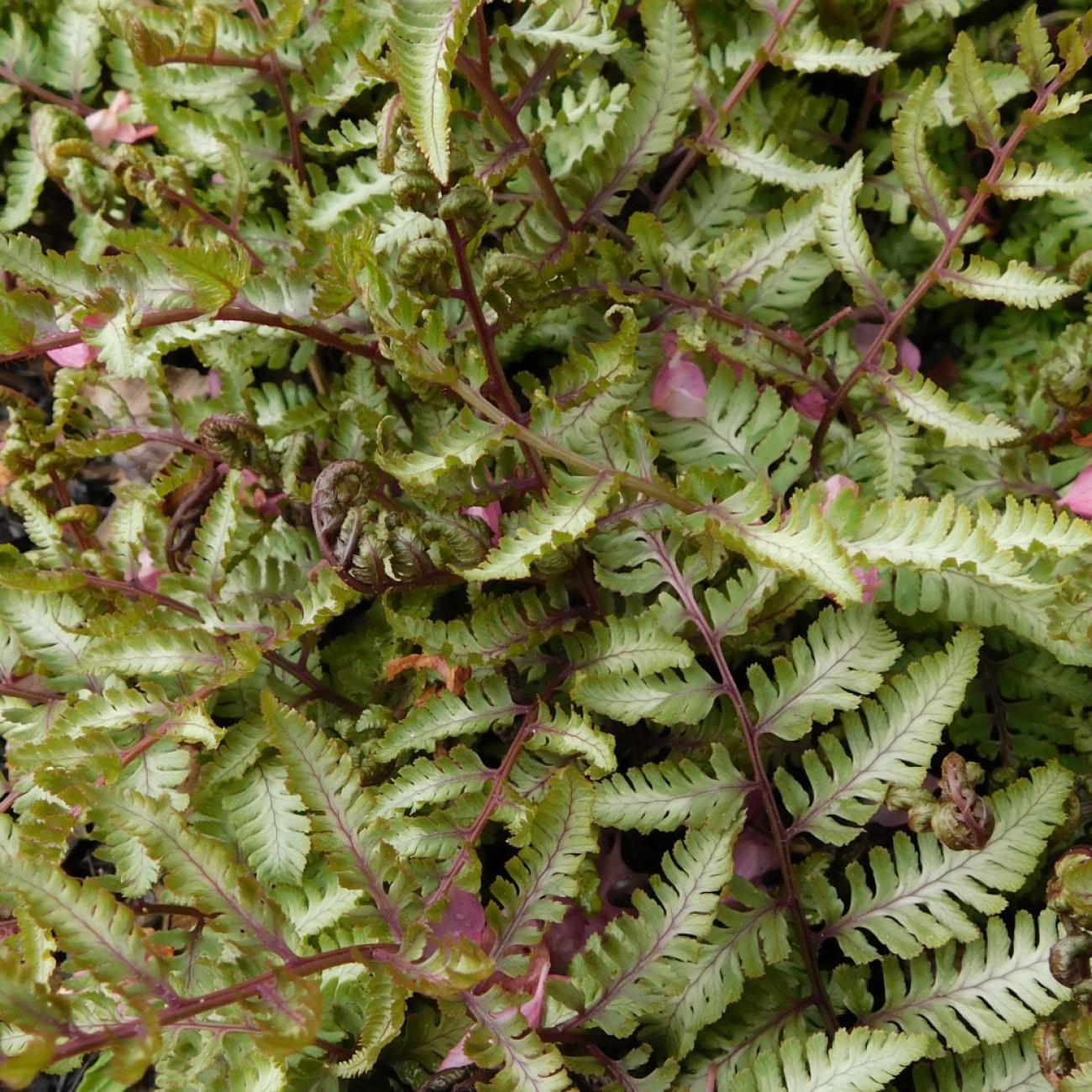
Japanese painted fern
Athyrium niponicum var. pictum 'Apple Court'
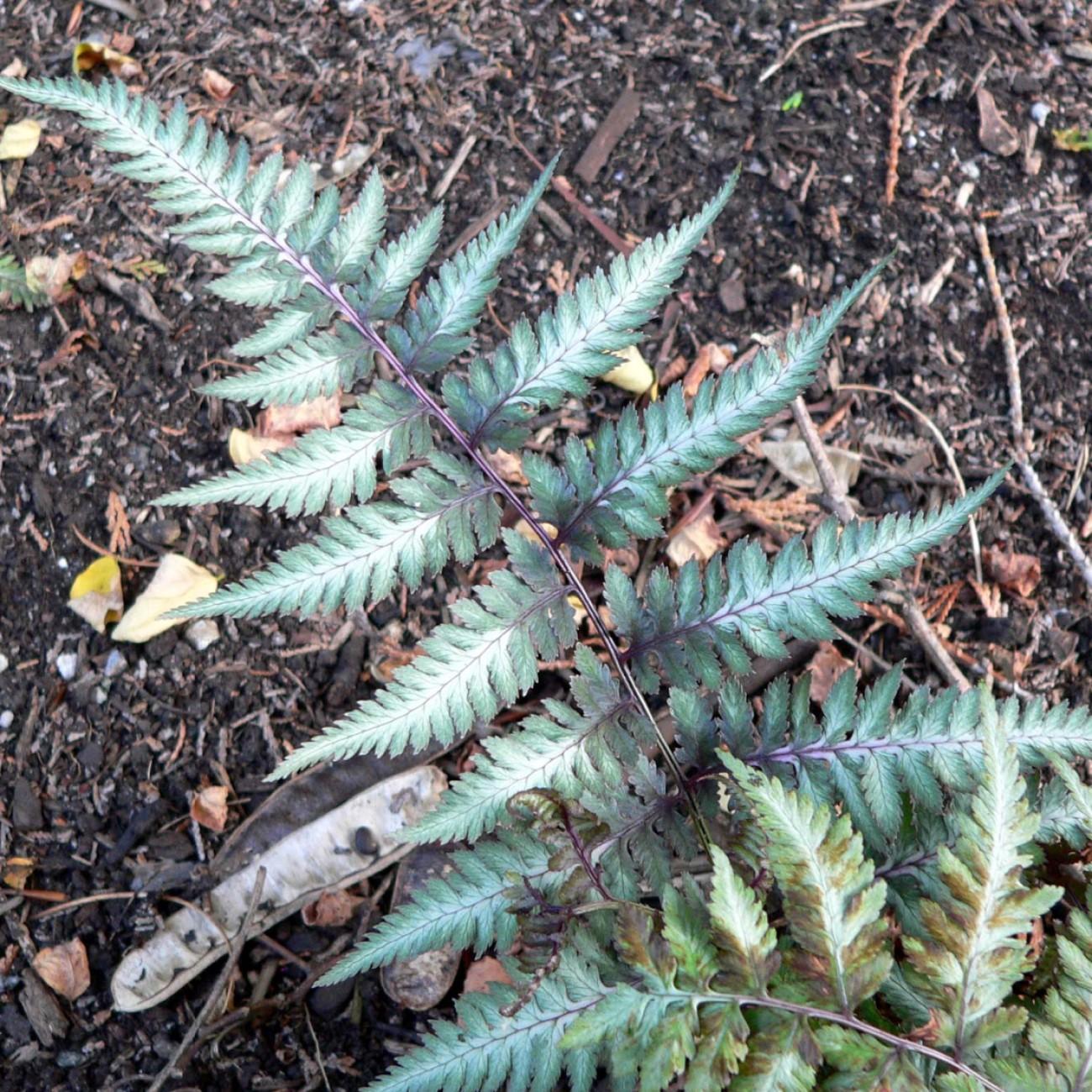
Japanese painted fern
Athyrium niponicum var. pictum 'Burgundy Lace'
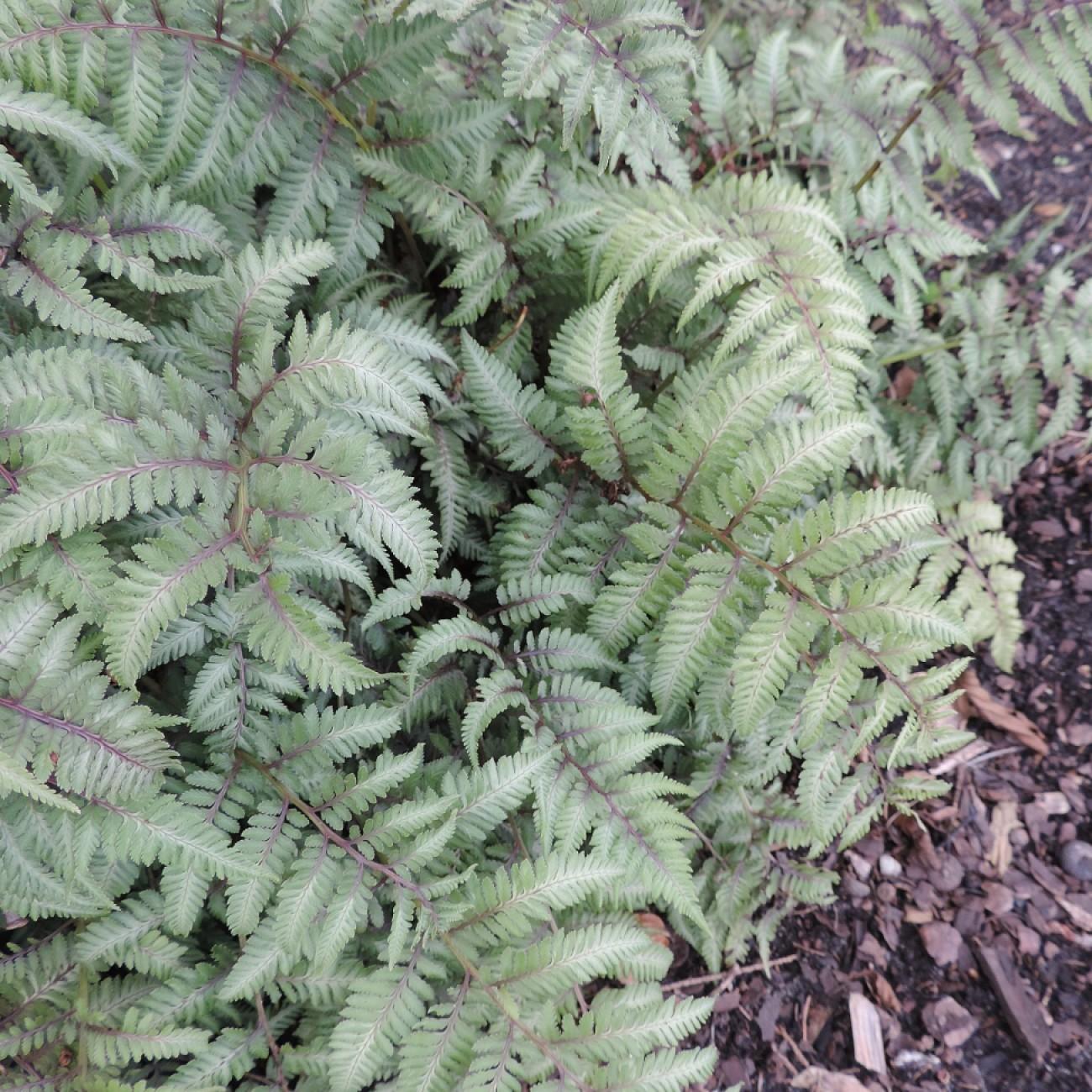
Japanese painted fern
Athyrium niponicum var. pictum 'Pewter Lace'
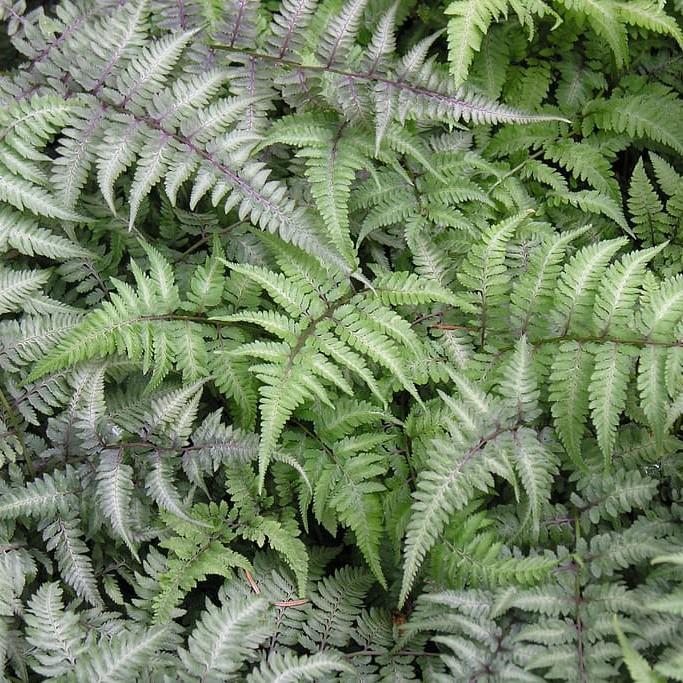
Japanese painted fern
Athyrium niponicum var. pictum 'Red Beauty'
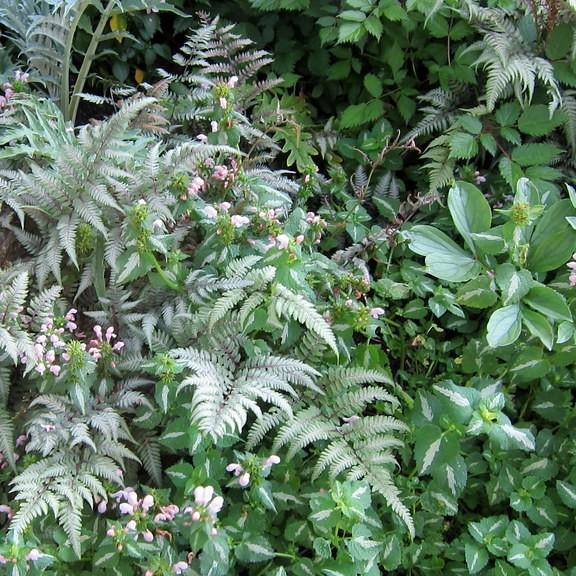
Japanese painted fern
Athyrium niponicum var. pictum 'Silver Falls'