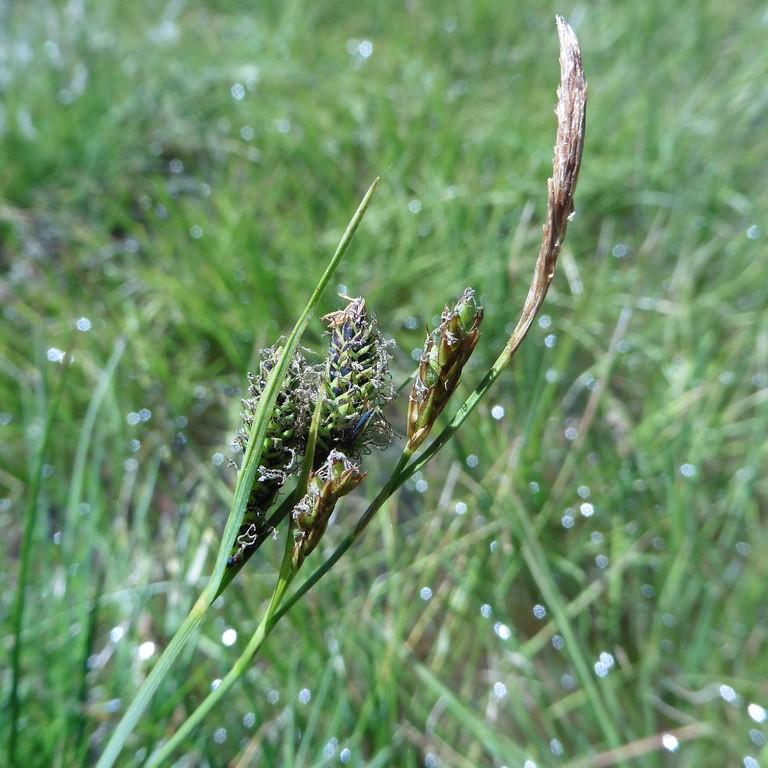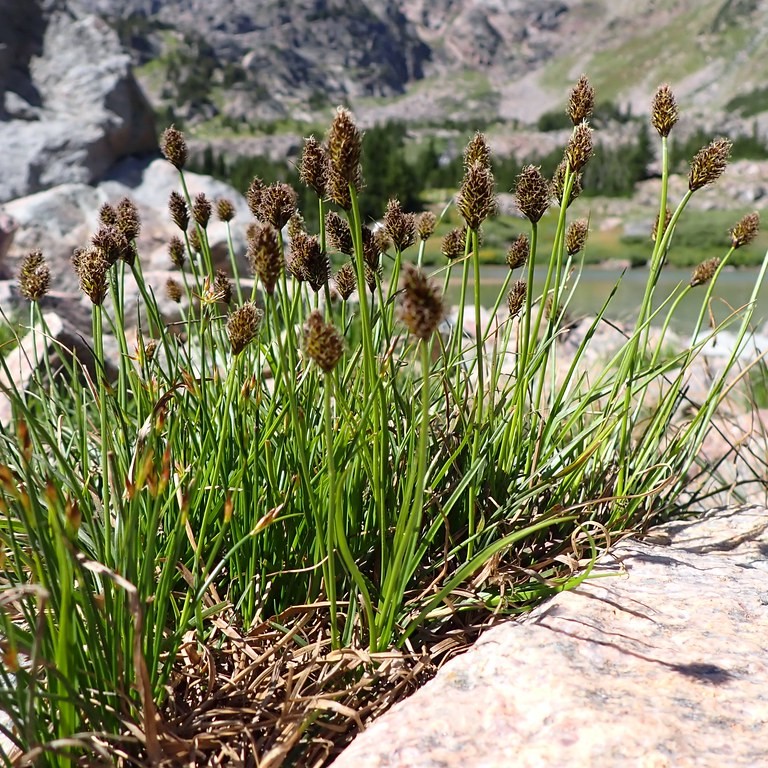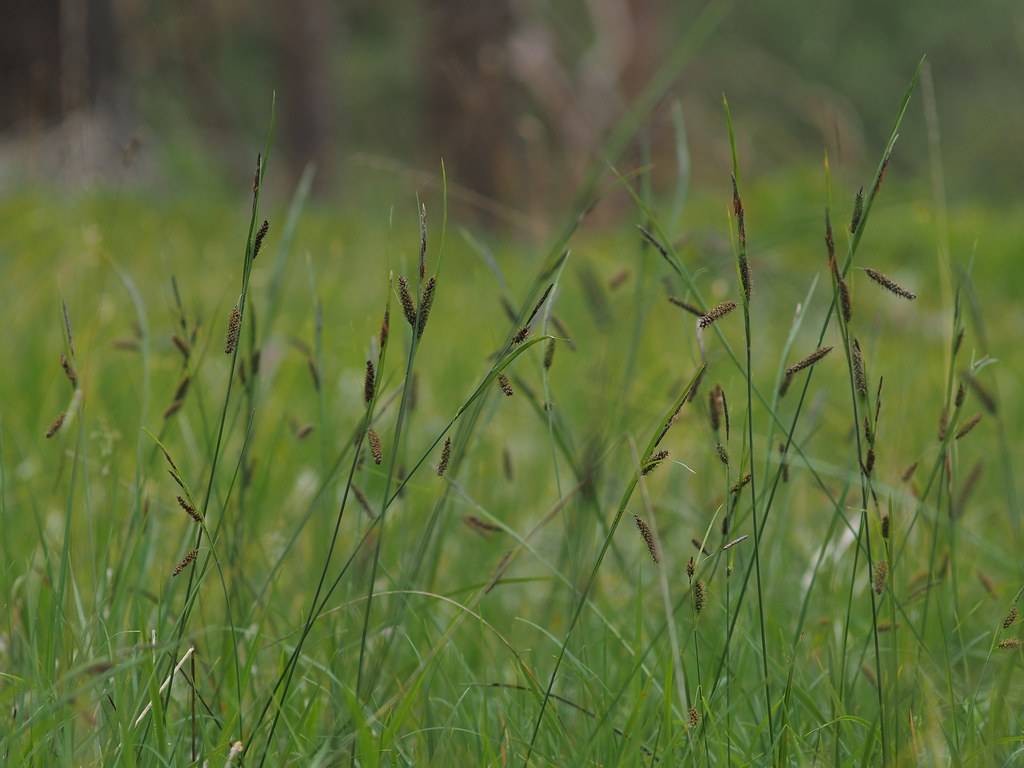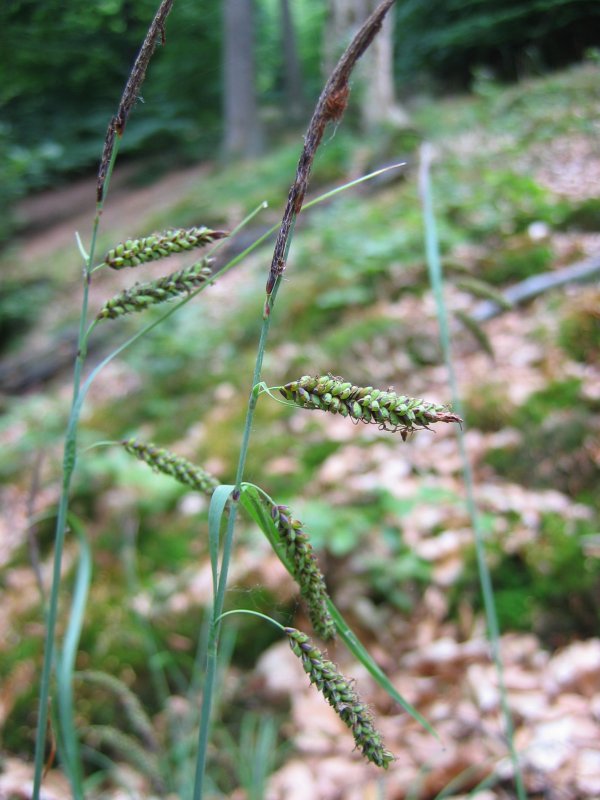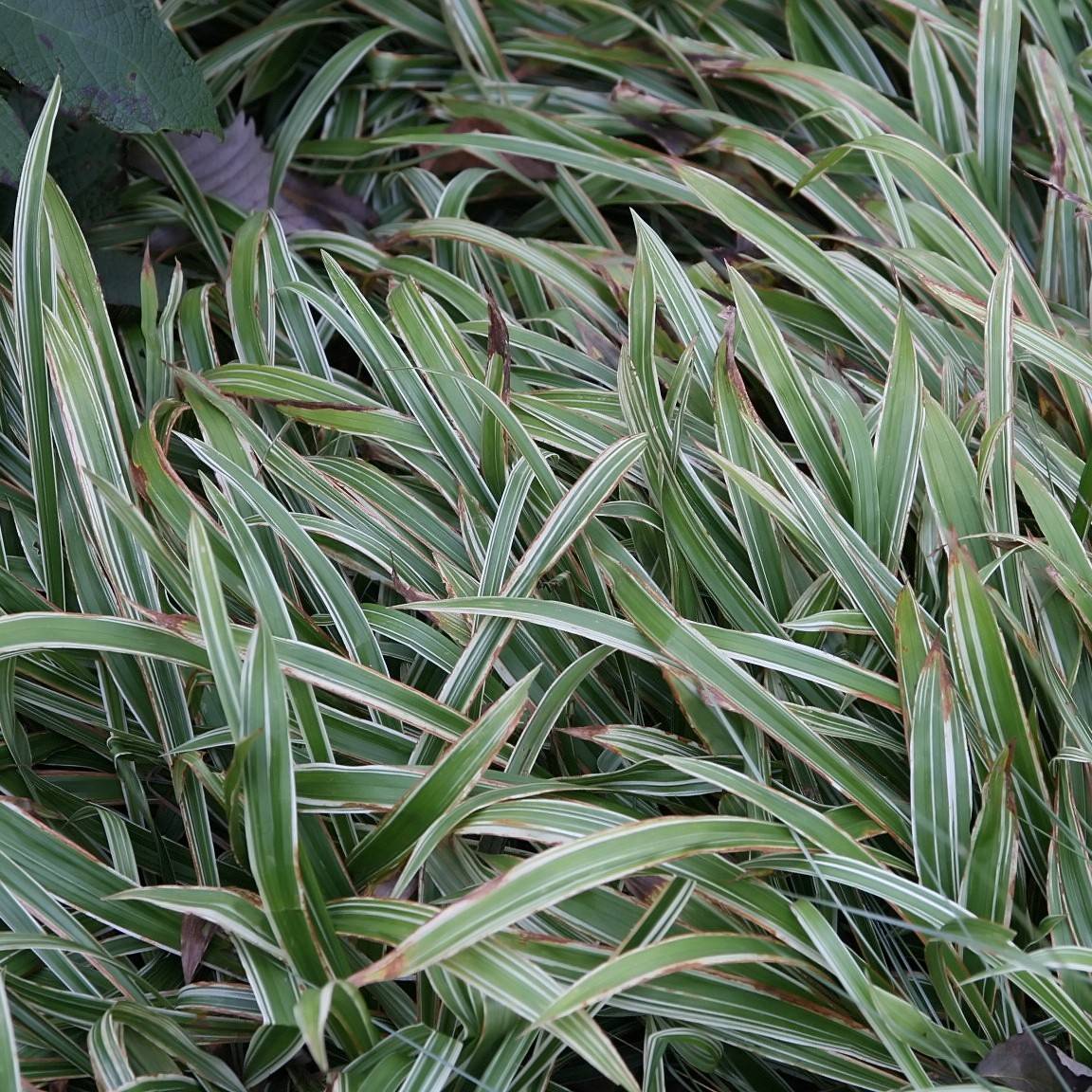
sedge
Carex siderosticha 'Kisokaido' SPRING SNOW
Overview
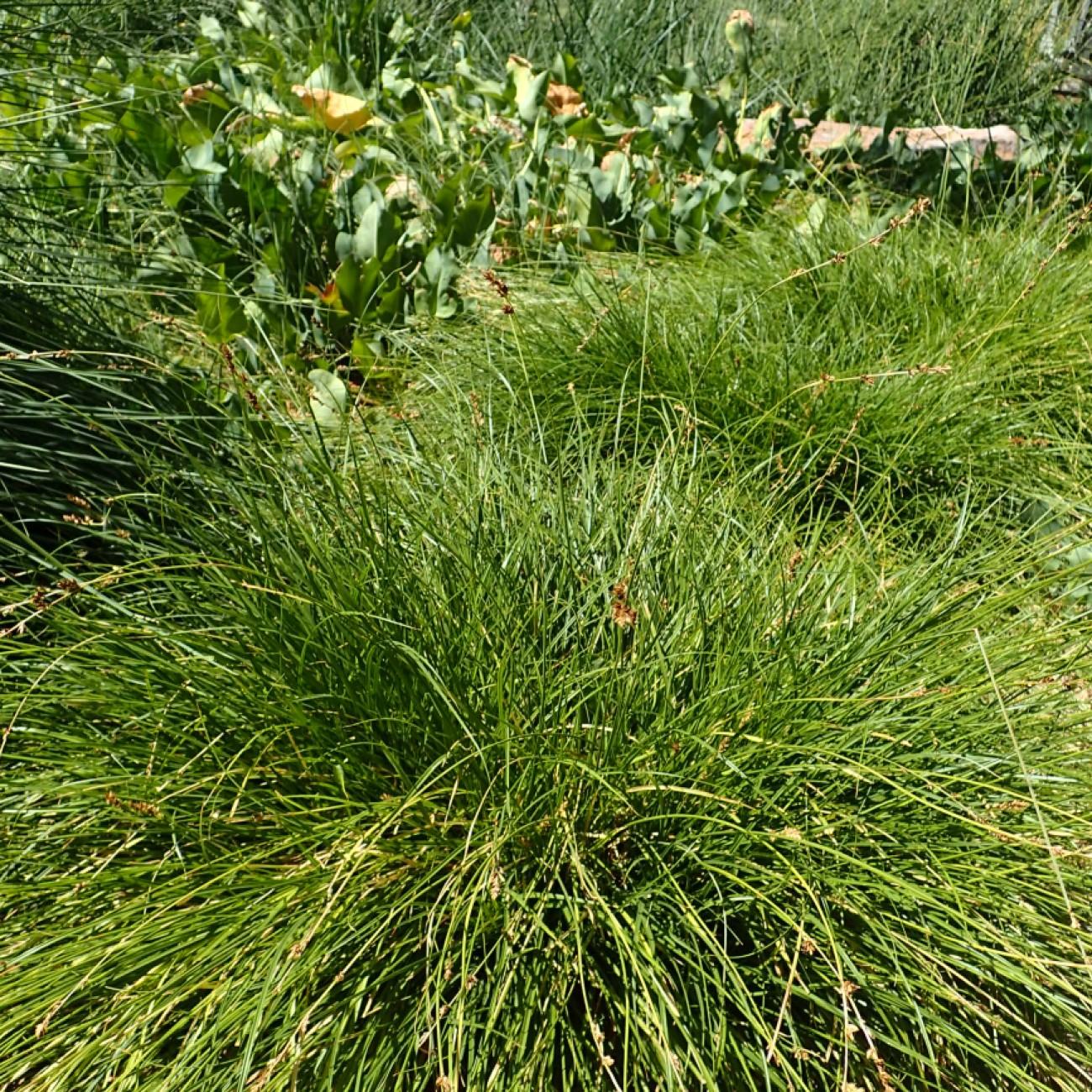
The sedge Carex siderosticha 'Kisokaido' SPRING SNOW is an amazing plant! Its narrow, grass-like arching foliage has a striking white colour, making it stand out among other plants in the garden. It’s low-maintenance, frost and drought hardy, and performs well in full sun or part shade. This versatile plant is ideal for groundcover, rock gardens, or even container plantings. Its soft foliage will sway in the breeze creating natural movements, adding charm and interest to your garden. Perfect for brightening up shaded and dreary corners and borders. Perfect for both a modern or cottage style garden.
Care Guide
Watering
Sedge (Carex siderosticha 'Kisokaido' SPRING SNOW) thrive best with regular moisture. Water your plant deeply and evenly once a week in the spring and summer months and once every 2 weeks in the fall and winter months. Reduce the amount of watering in the late summer, as the plant may become dormant. If the soil doesn’t feel moist, add a little extra water. Pull up a little soil to check the moisture - if it’s dry near the surface, give a deeper, thorough watering. Be sure to never let the soil become soggy as this can lead to root rot.
Light
Sedge (Carex siderosticha 'Kisokaido' SPRING SNOW) should receive full sunlight during the spring and summer months, or at least 4 to 6 hours of direct sunlight each day. During the winter, this species should receive indirect sunlight, such as from a south- or east-facing window. Partial shade is also acceptable, as long as the plant receives at least a few hours of direct sunlight. This species should be kept away from drafts or windy locations to protect its delicate foliage.
Temperature
Hardiness zone 5–8.
Pruning
Pruning of Carex siderosticha 'Kisokaido' SPRING SNOW should take place once a year, in late winter or early spring. During this time, remove any dead, diseased, or out-of-scale stems from the plant. Additionally, trim back up to 1-third of the stems to maintain an attractive shape and size. It is important to remove no more than 1-third of the plant at any 1 time in order to avoid any shock to the plant. Following pruning, you can mulch around the plant to help conserve soil moisture and suppress weeds.
Propagation
Division, Cutting, Seed Propagation, Layering Propagation
Related plants
Other plants you might like if you grow sedge.