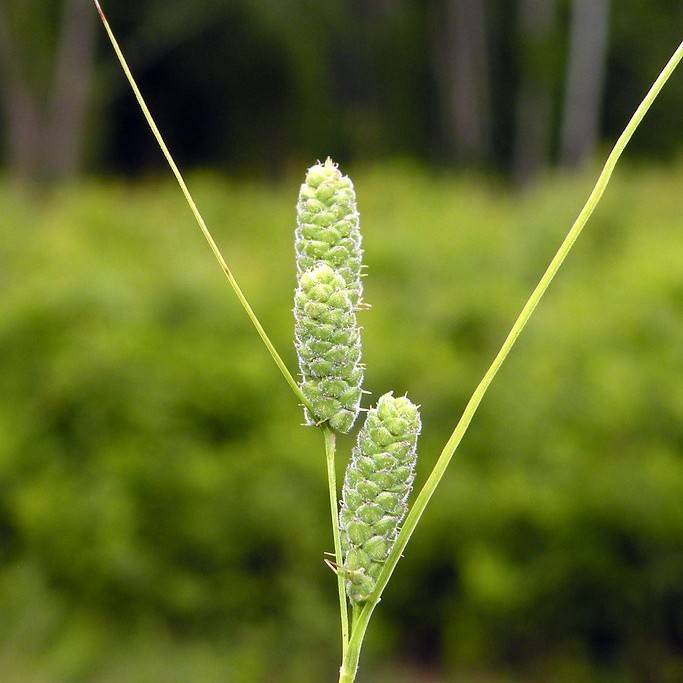
sedge
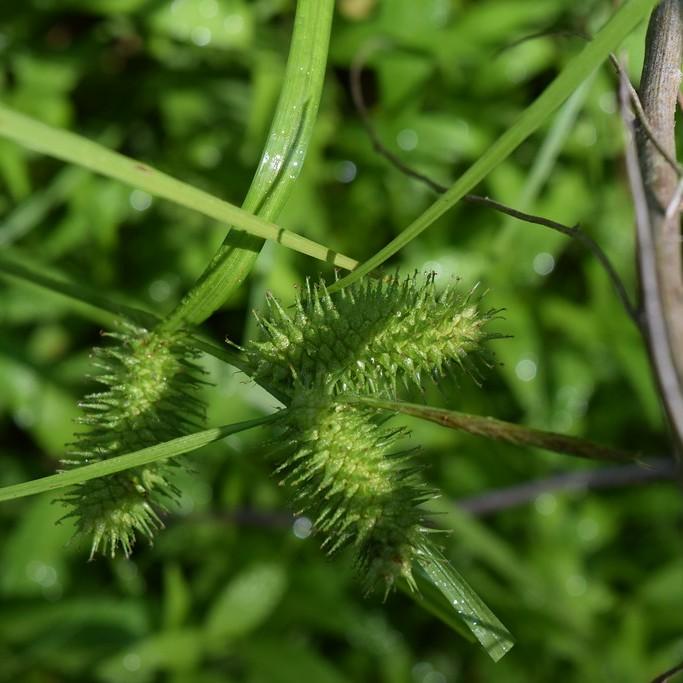
Carex swanii
Overview
Sedge (Carex swanii) is a stunning, ornamental perennial grass that adds a unique texture to any garden. Its bright green, arching blades of foliage are eye-catching all year round, and its delicate flower spikes offer a touch of color during bloom. Hardy and resilient, it is ideal for low-maintenance, waterwise gardens. Its foliage is able to survive in cold temperature, and can bring a splash of vibrancy even during winter! Furthermore, its airy sheaths creates an attractive contrast against its bright green foliage, and rhythmic movement in the wind. A true feat of versatility and beauty, sedge is a perfect addition to any garden.
Care Guide
Watering
For Carex swanii, watering should be moderate and frequent. Water when the top layer of soil becomes dry, about once every 1-2 weeks, making sure to never let the soil become completely dry or start to become soggy. You may need to adjust the frequency of watering based on the season; during the warmer months, the plant may require watering more often than in the cooler months. Additionally, misting the foliage of the plant weekly can help to keep the leaves hydrated and looking fresh and healthy.
Light
Carex swanii is a perennial sedge that thrives in moist to wet soils and partial sun. This species prefers light shade, with only a few hours of direct sunlight in the morning or late afternoon. Most of the day should be spent in light shade or indirect sunlight. It can grow in full shade as well, but for optimum growth it should receive some sun. Even winter sun is important for the Carex swanii sedge, as it helps the plant produce more food and remain greener throughout the colder months.
Temperature
Hardiness zone 4–8.
Pruning
When it comes to pruning sedge (Carex swanii), it's important to do so on an as-needed basis. The ideal time for pruning is in the late spring or early summer after your plant has finished flowering. During this time, you should remove any dead, broken, or damaged foliage, as well as any dead flower stems. You may also prune to shape your plant or to encourage a bushier growth, though this can be done at any time of the year. You may also need to remove any stolons (runners) that are taking up too much space and present a hazard to your garden's other plants. How much to prune depends on the size of the plant; for a small sedge, prune away no more than 1-third of the foliage. For a larger sedge, take away no more than 1-half of the foliage.
Propagation
Division, Cutting, Seed Propagation, Layering Propagation, Stolon, Rhizome Propagation
Related plants
Other plants you might like if you grow sedge.
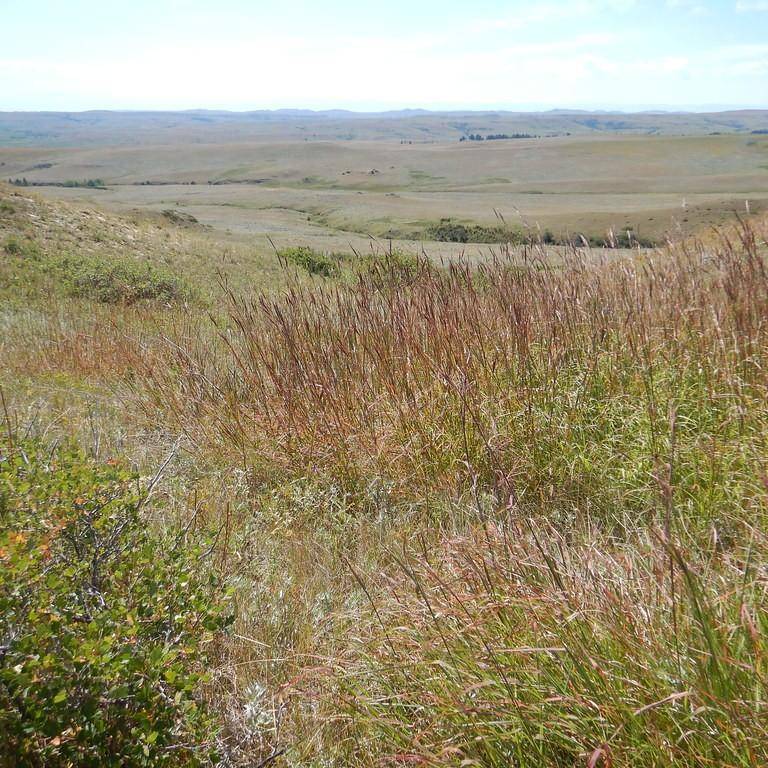
big blue stem
Andropogon gerardii
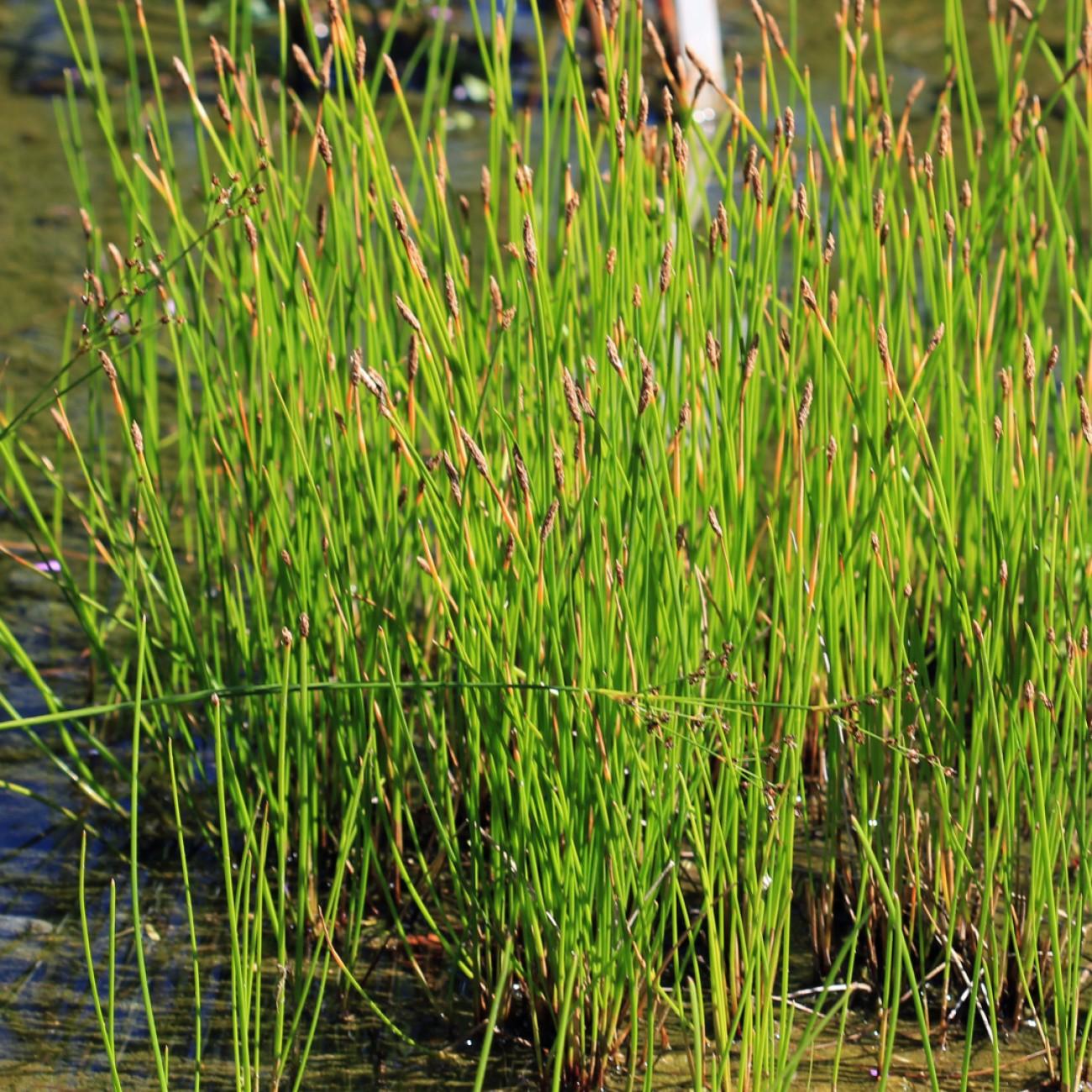
Chinese water chestnut
Eleocharis dulcis
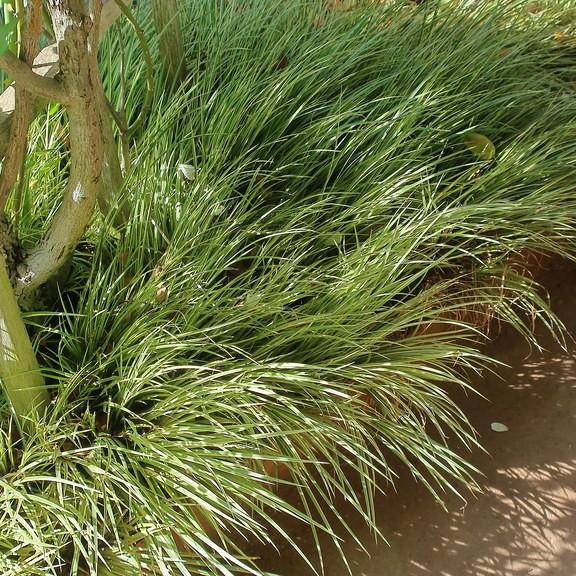
grassy-leaved sweet flag
Acorus gramineus
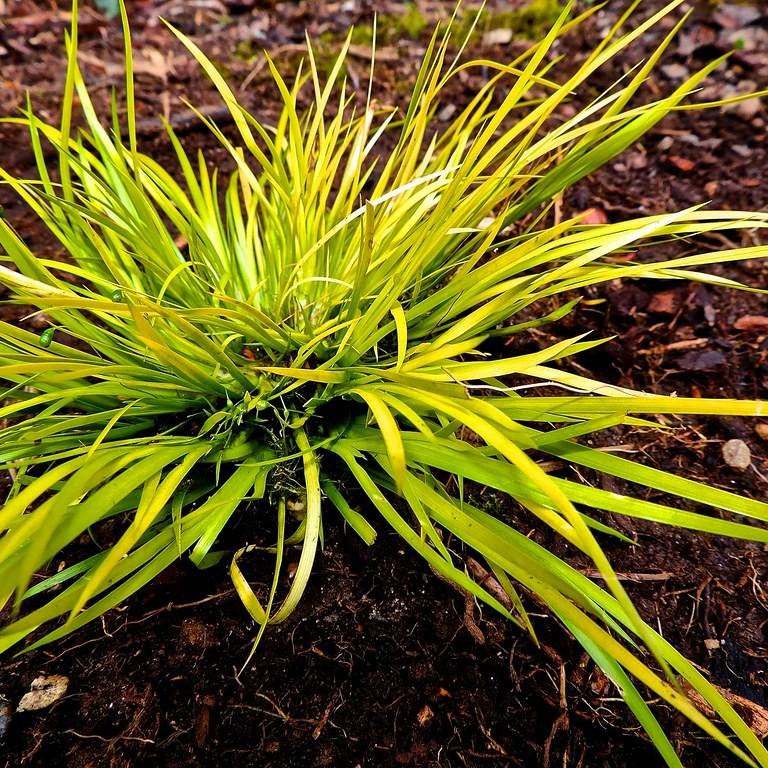
grassy-leaved sweet flag
Acorus gramineus 'Minimus Aureus'
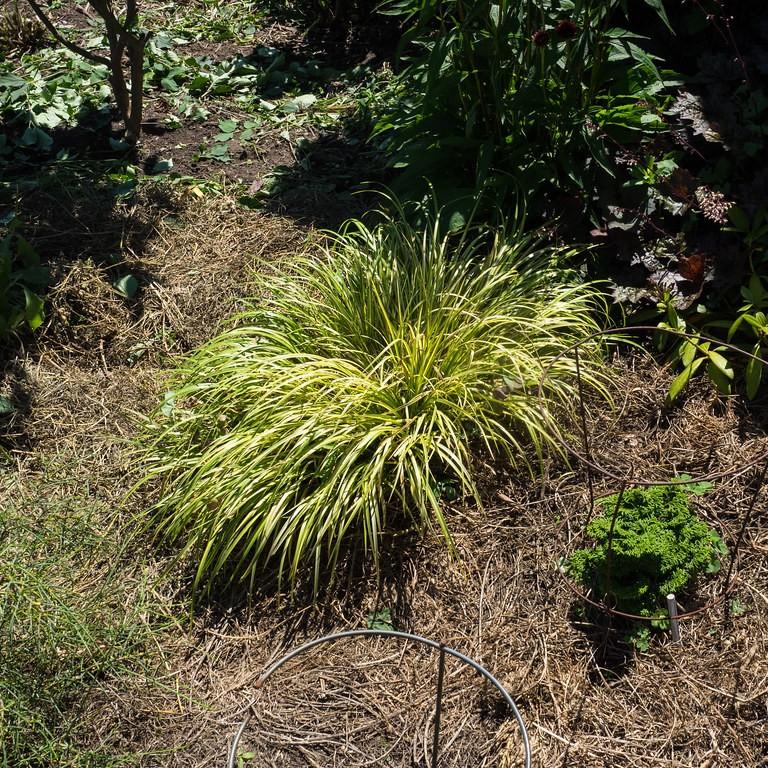
grassy-leaved sweet flag
Acorus gramineus 'Ogon'
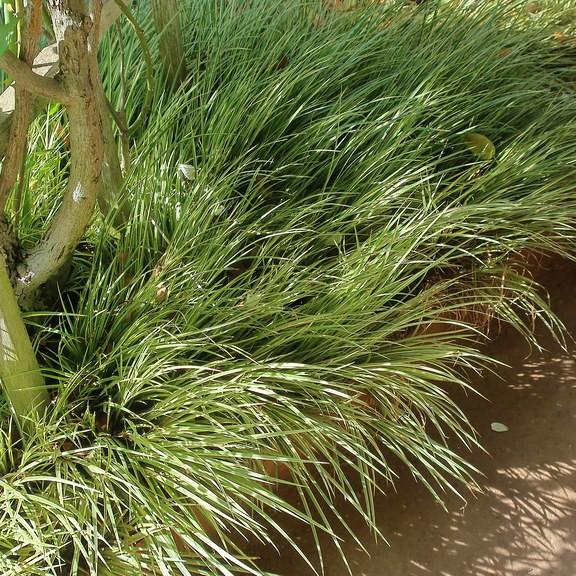
grassy-leaved sweet flag
Acorus gramineus 'Variegatus'
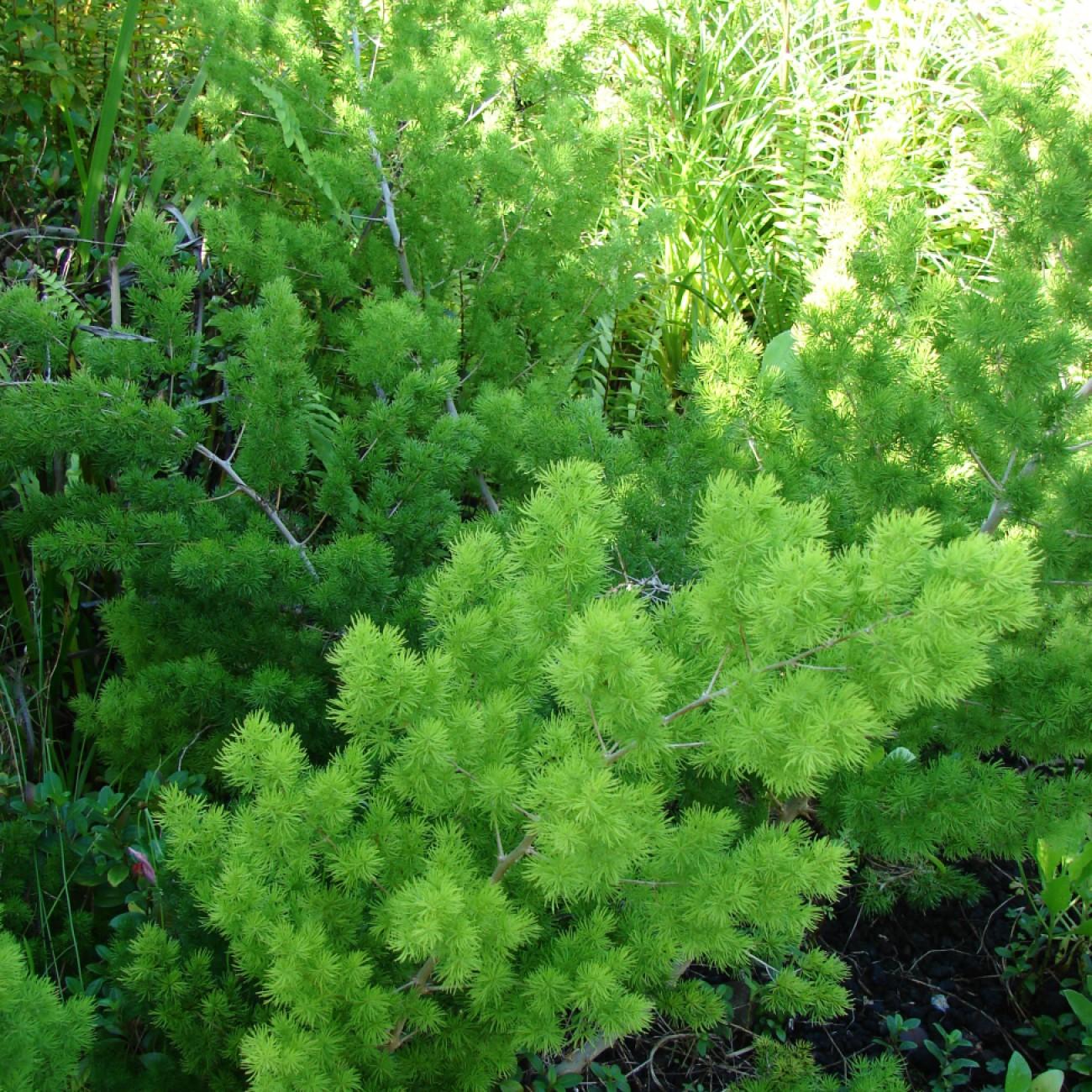
Ming fern
Asparagus retrofractus
sallow sedge
Carex lurida