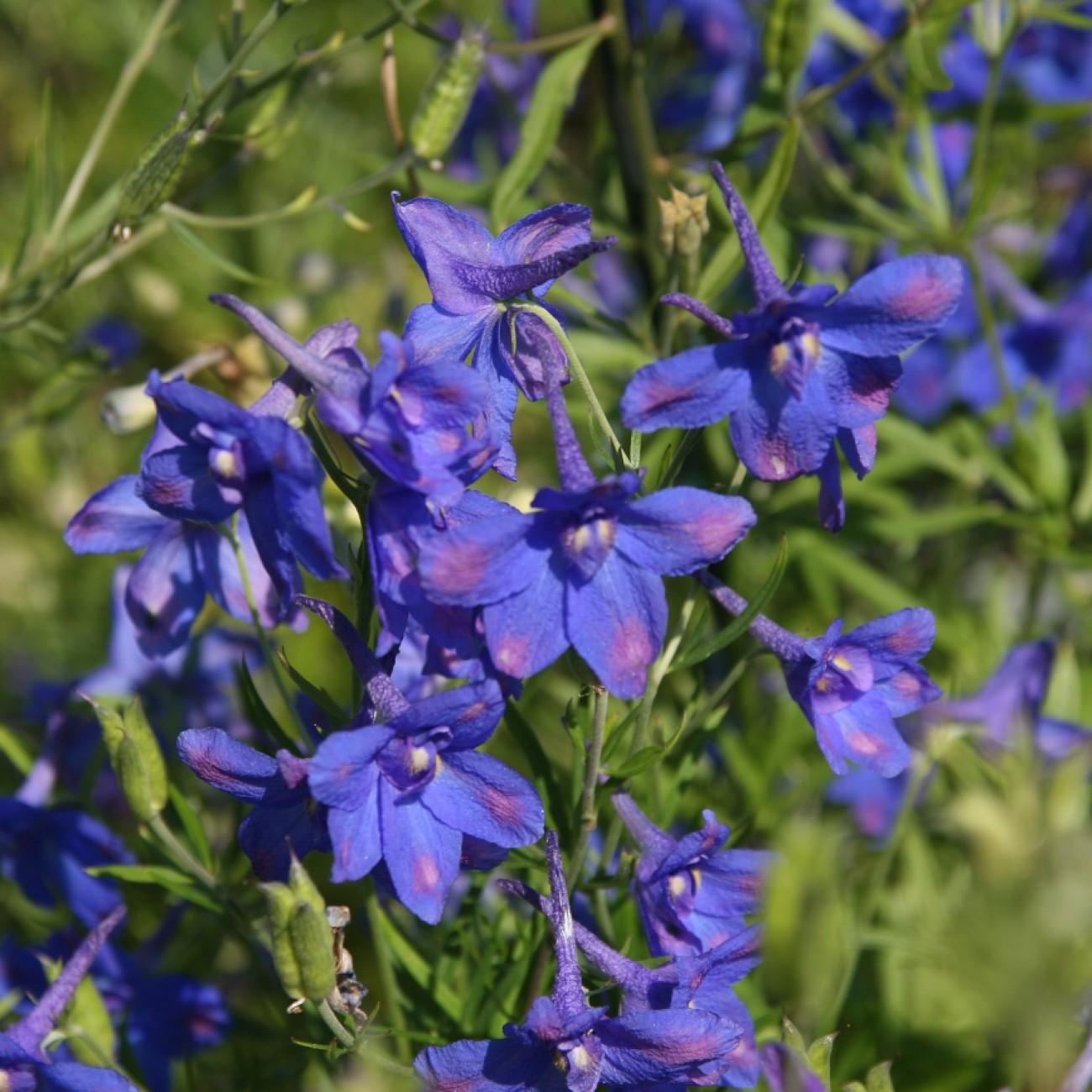
Siberian larkspur
Delphinium grandiflorum 'Blue Butterfly'
Overview
Siberian larkspur is truly a sight to behold, with its gorgeous 'Blue Butterfly' blossoms that have soft, ethereal edges. This low-maintenance plant has a structure that looks similar to foxglove, with its clumps of thick, sturdy stem, holding up a bouquet of blue-violet blooms. It makes a beautiful and unique addition to any garden, adding a touch of elegance with its tall spikes and lance-shaped foliage. Even better, it is incredibly hardy and will bloom throughout the summer season in just about any soil condition. Finally, its delightful aroma will draw in bees to the garden. Siberian larkspur is the perfect addition to any outdoor space.
Care Guide
Watering
Water your Siberian larkspur (Delphinium grandiflorum 'Blue Butterfly') 1-2 times a week during the growing season and reduce watering during winter months when the plant is dormant. Water the soil deeply but infrequently so that the soil is evenly moist but not soggy. Make sure to water early in the day and avoid getting the foliage wet, as this can lead to disease.
Light
Siberian larkspur, also known as Delphinium grandiflorum 'Blue Butterfly', thrives in sunny locations. It should receive 6-8 hours of direct sunlight each day, mostly in the morning hours. Exposure to afternoon sun should be limited, as too much sunlight during the hottest part of the day can cause the plants to become scorched. During the summer, the larkspur can benefit from a few hours of afternoon shade to protect it from heat stress. If planted in a shaded area, however, the Siberian larkspur's flowering period will be greatly reduced.
Temperature
Hardiness zone 3–7.
Pruning
When to Prune: Siberian larkspur (Delphinium grandiflorum 'Blue Butterfly') should be pruned in late winter or early spring, just before new growth appears in March or April. How Much to Prune: They should be lightly pruned, removing any dead or diseased stems and deadheading faded flowers. If the plant becomes too tall, it can be pruned back by up to a third of its height. It is best to prune spring-blooming perennials such as Siberian larkspur before flowering, if possible.
Propagation
Division, Root Cutting, Seed Propagation, Layering Propagation
Uses & Symbolism
Attracts: Butterflies.
Related plants
Other plants you might like if you grow Siberian larkspur.
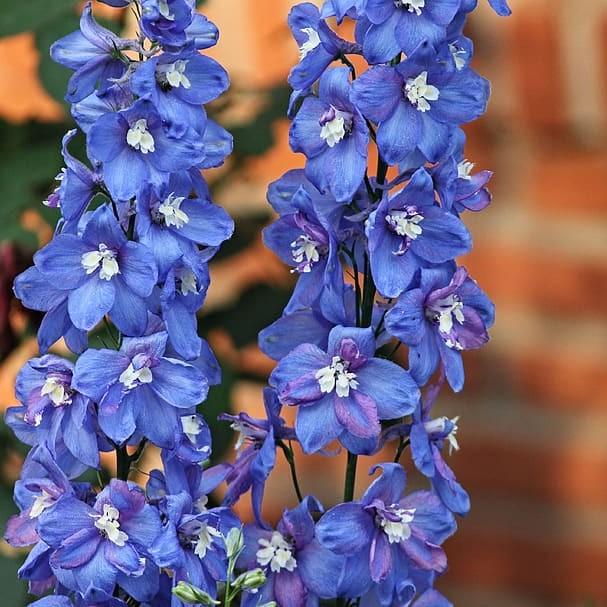
candle larkspur
Delphinium elatum AURORA BLUE
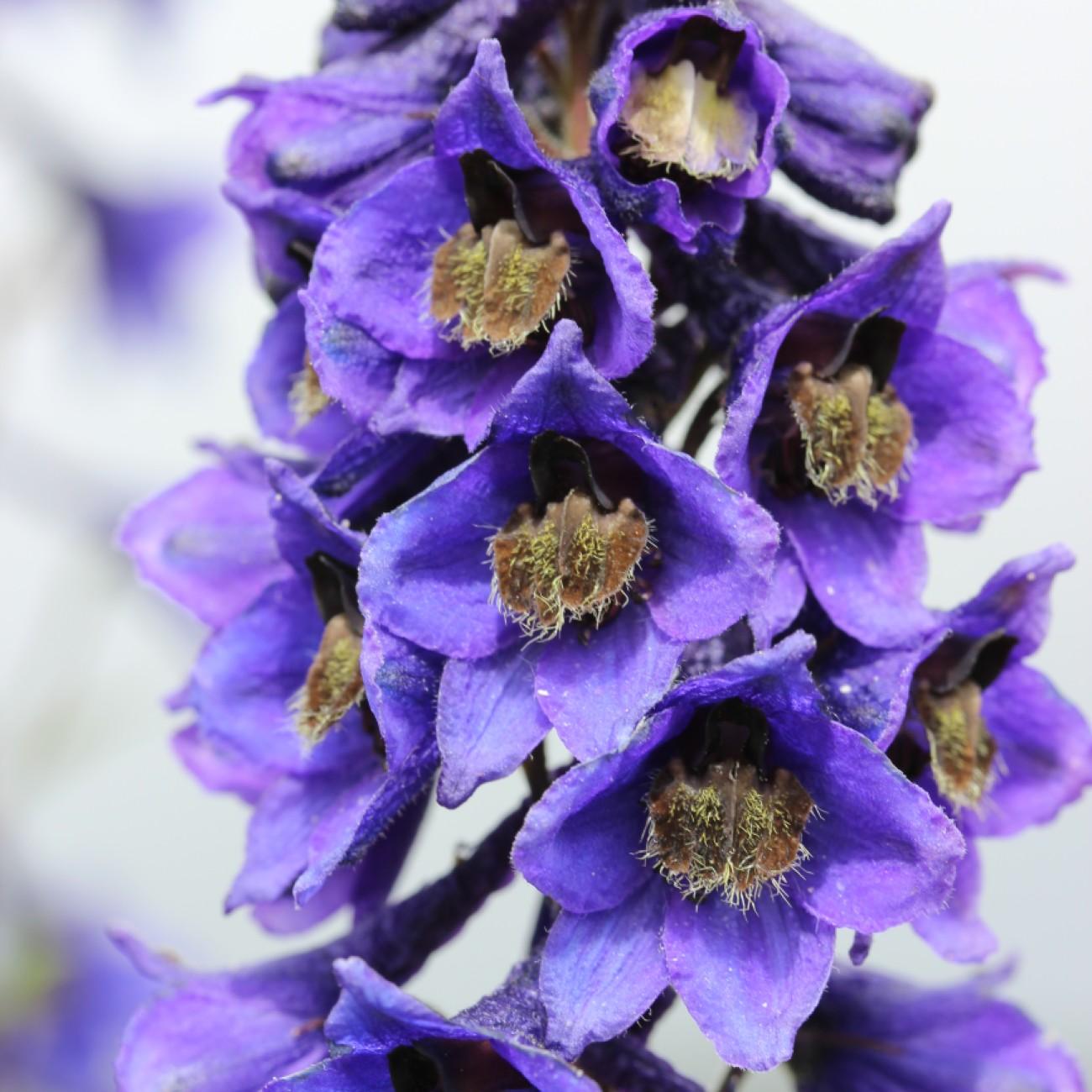
candle larkspur
Delphinium elatum AURORA DEEP PURPLE
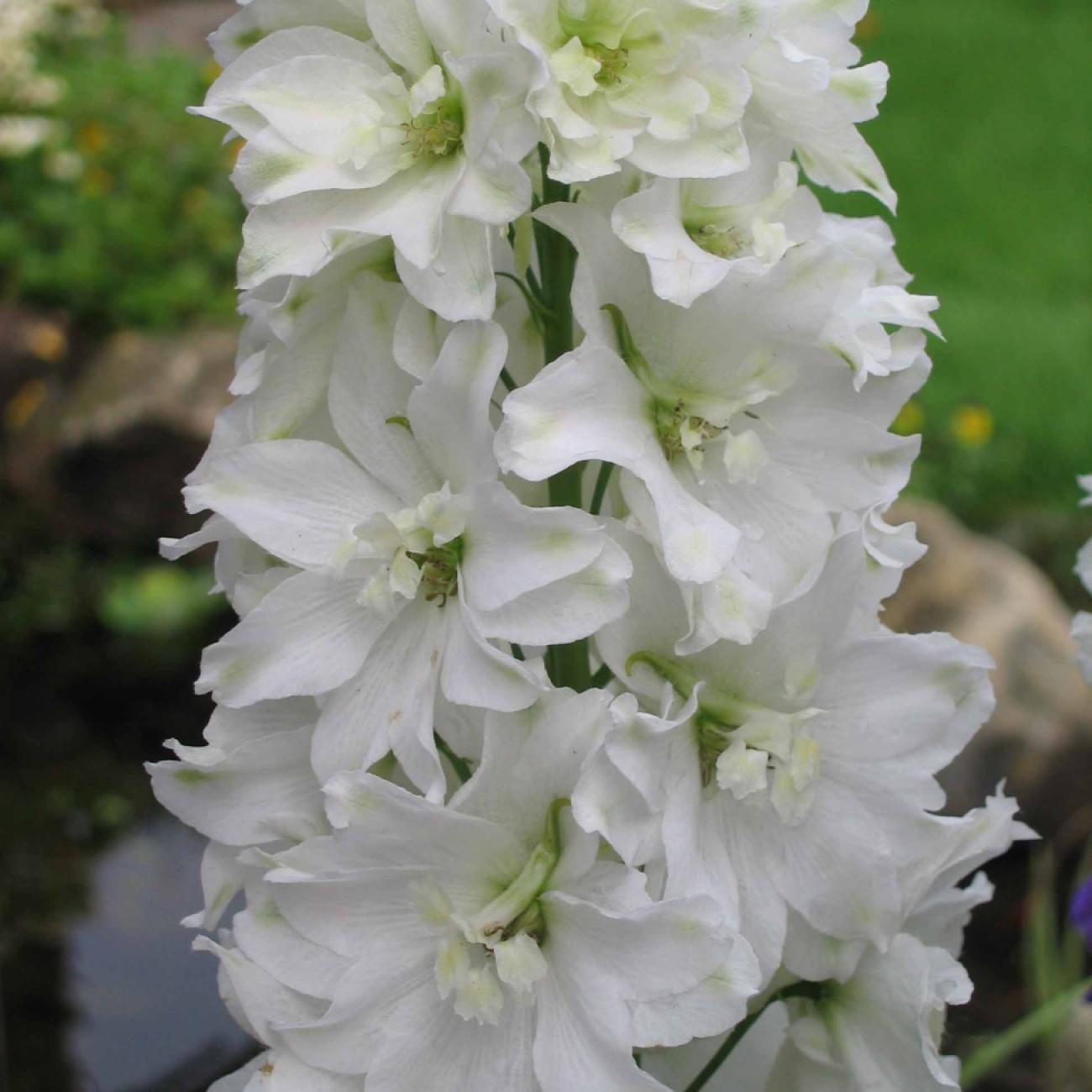
candle larkspur
Delphinium elatum AURORA WHITE
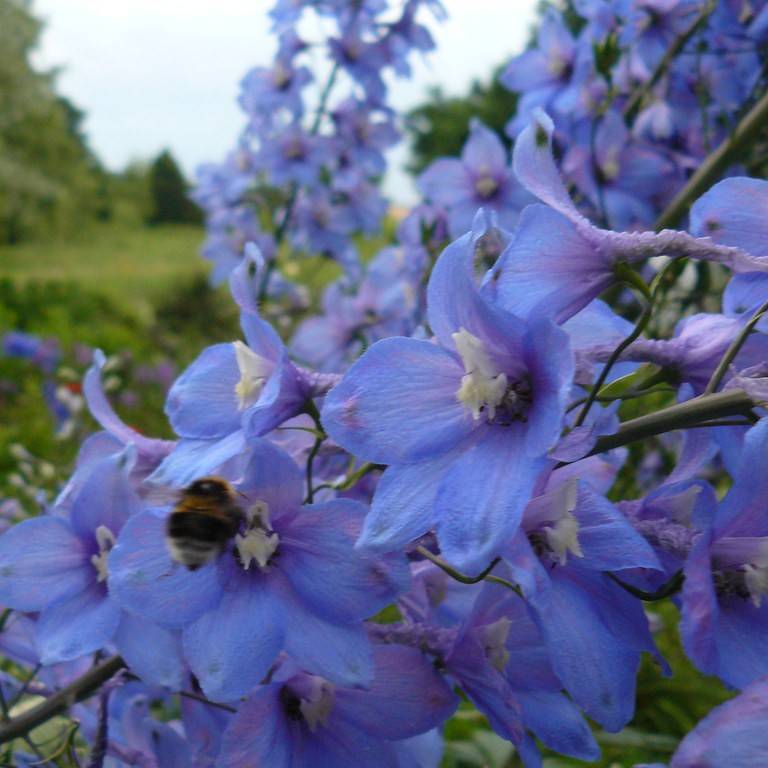
delphinium
Delphinium elatum
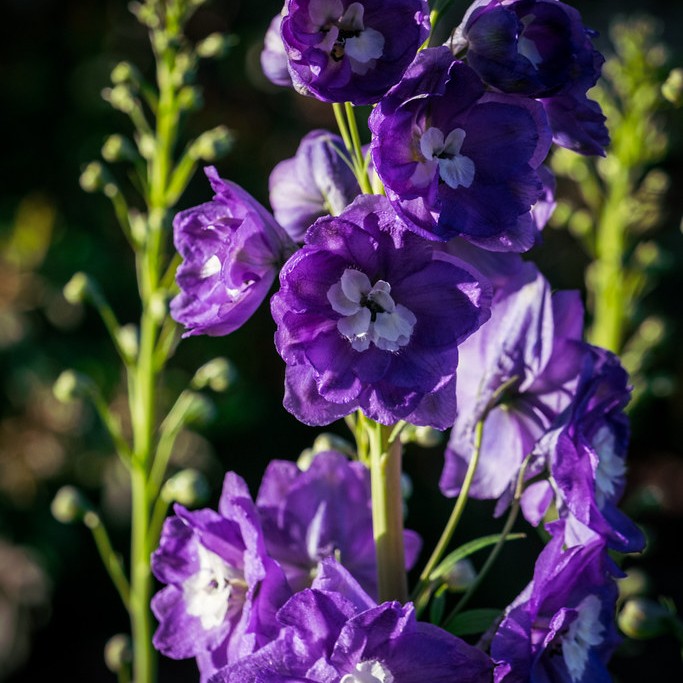
larkspur
Delphinium 'Fanfare'
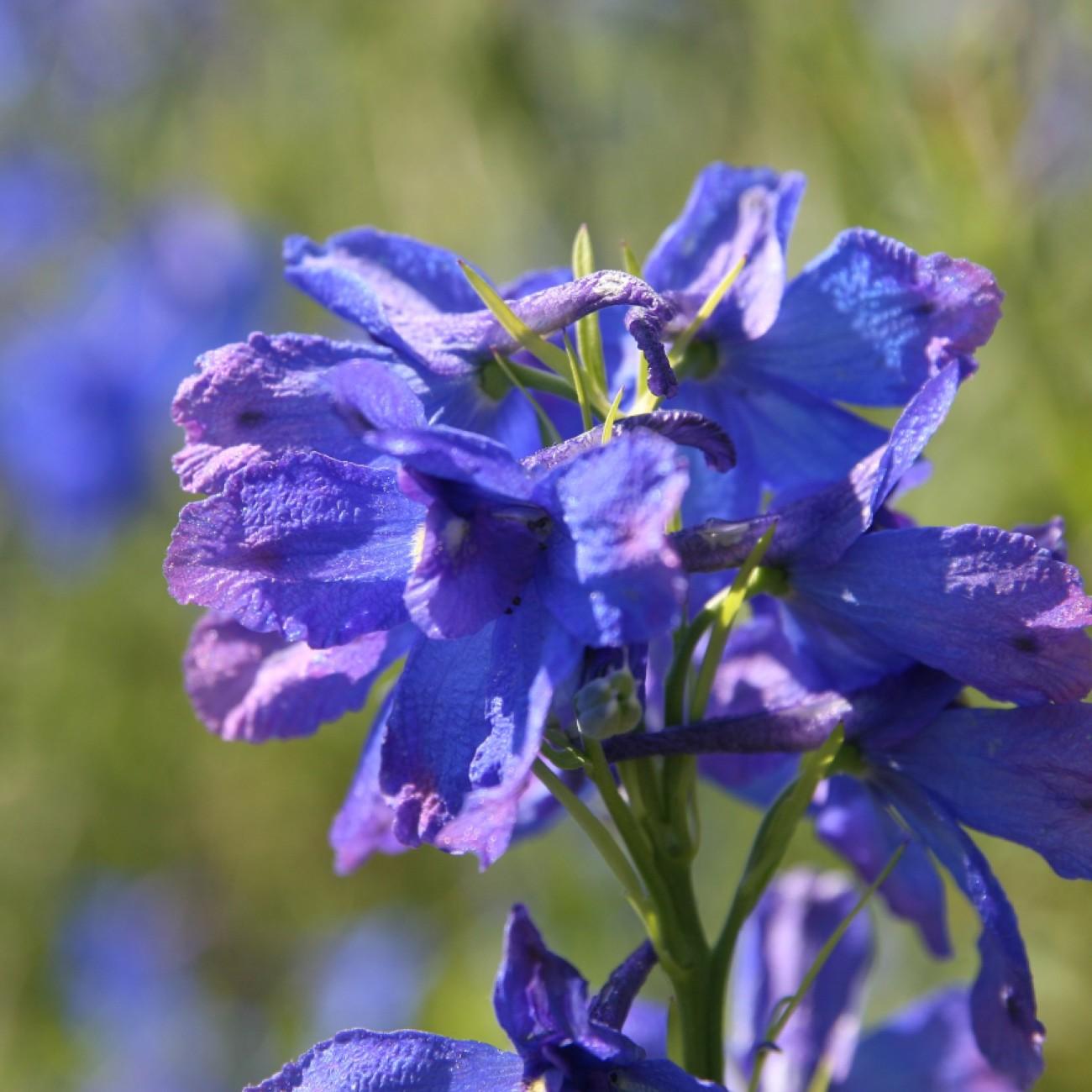
Siberian larkspur
Delphinium grandiflorum
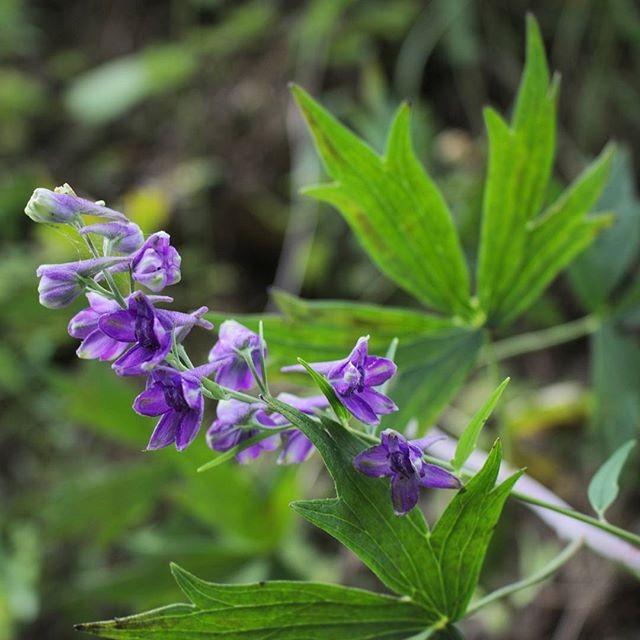
tall larkspur
Delphinium exaltatum
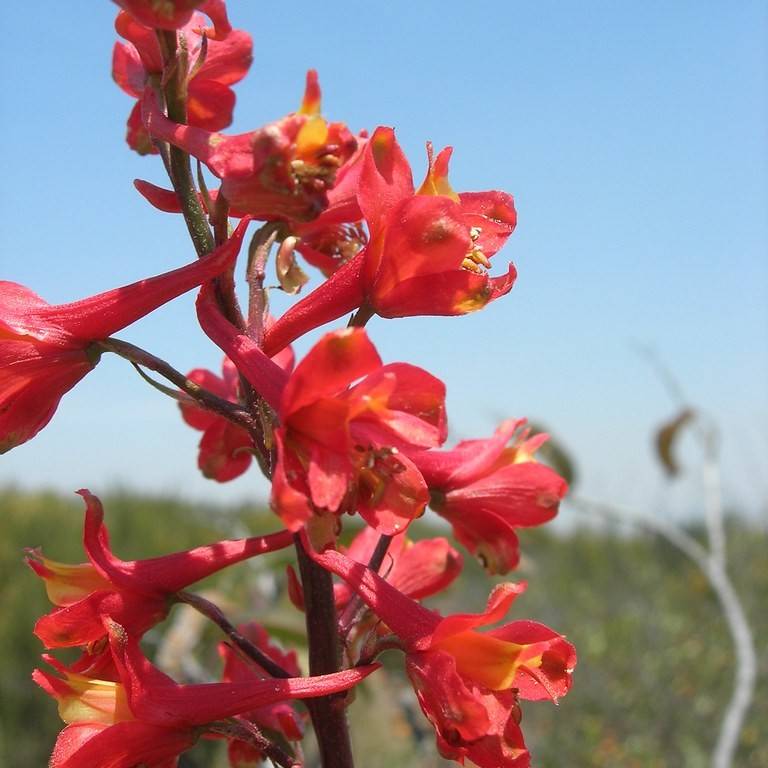
cardinal larkspur
Delphinium cardinale