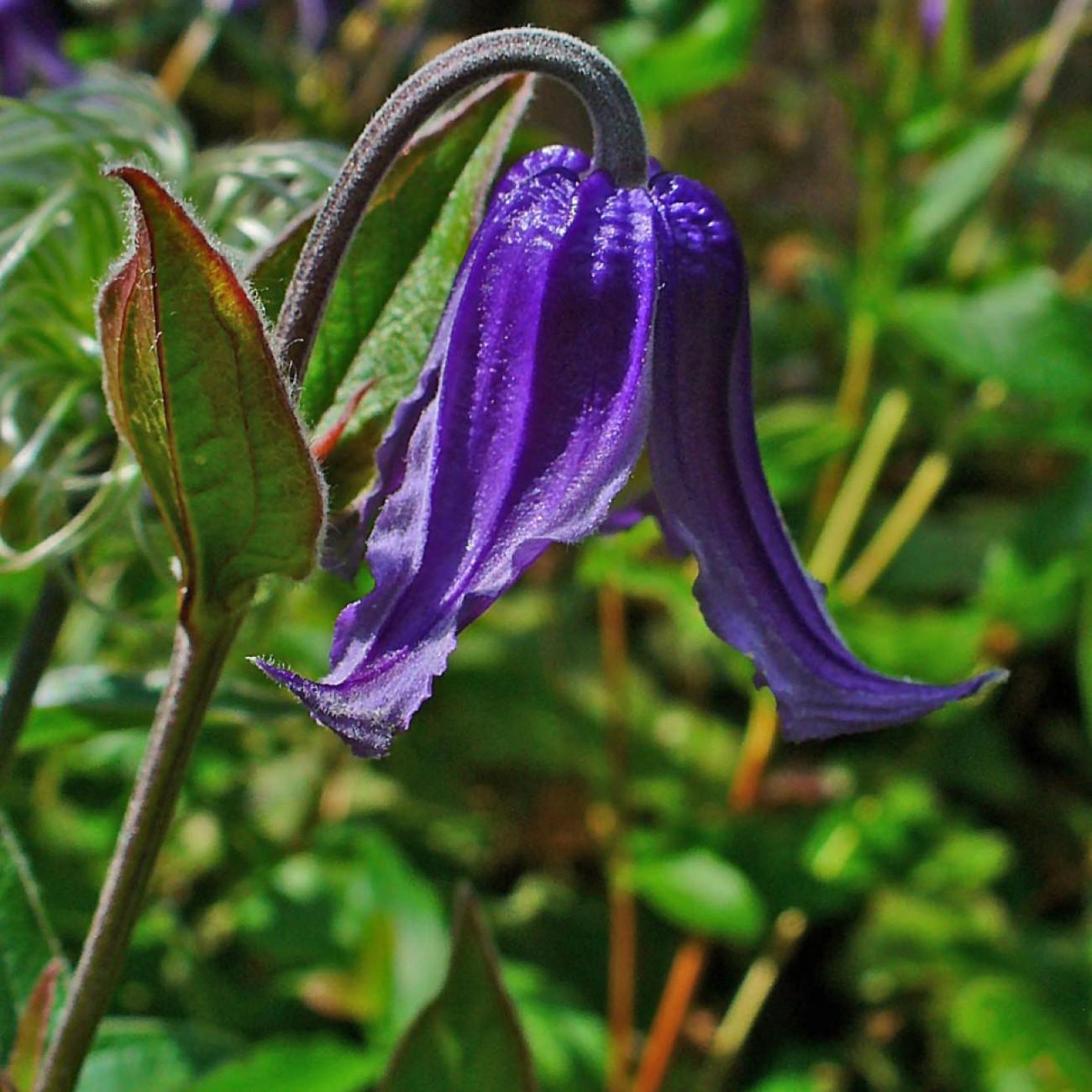
solitary clematis
Clematis integrifolia 'Caerulea'
Overview
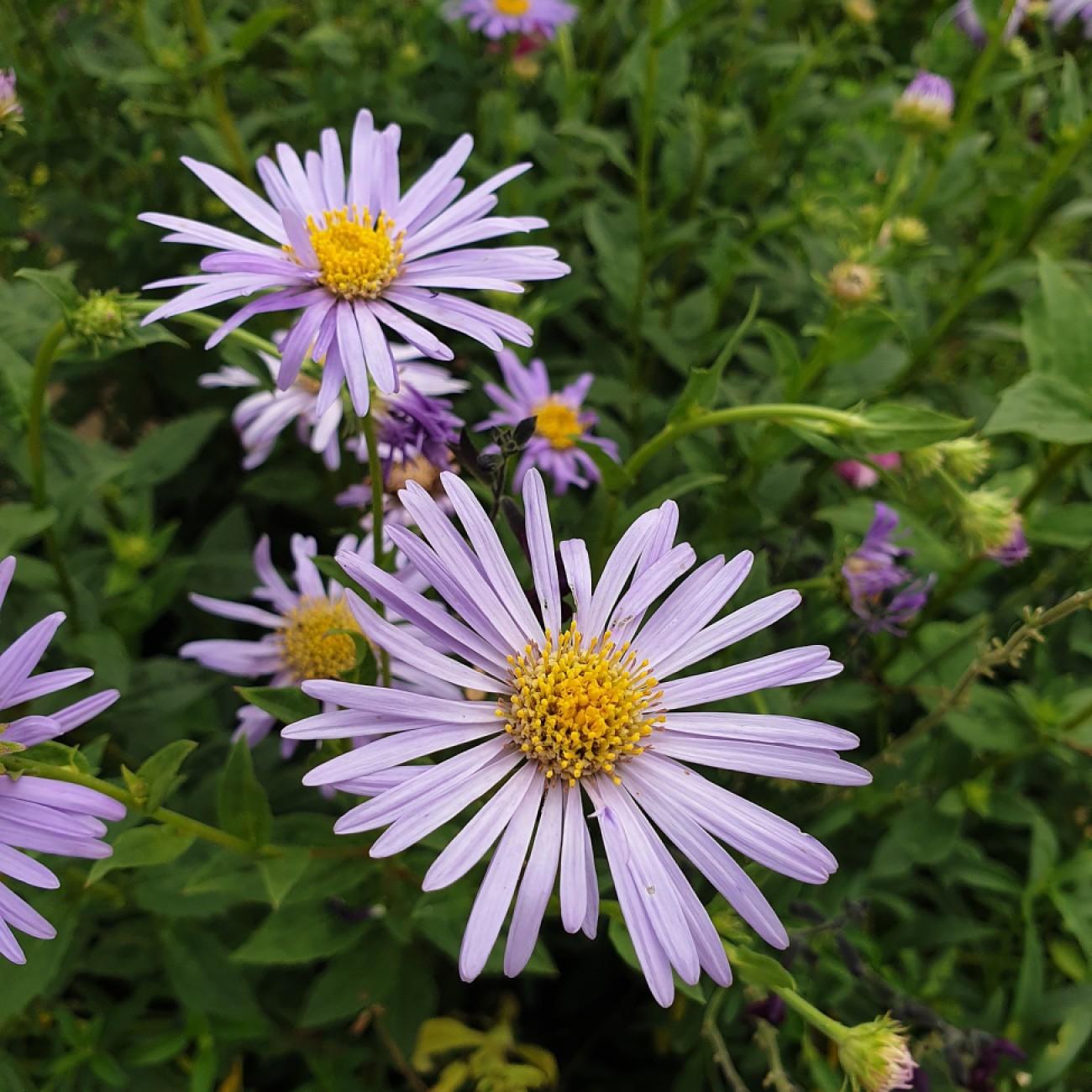
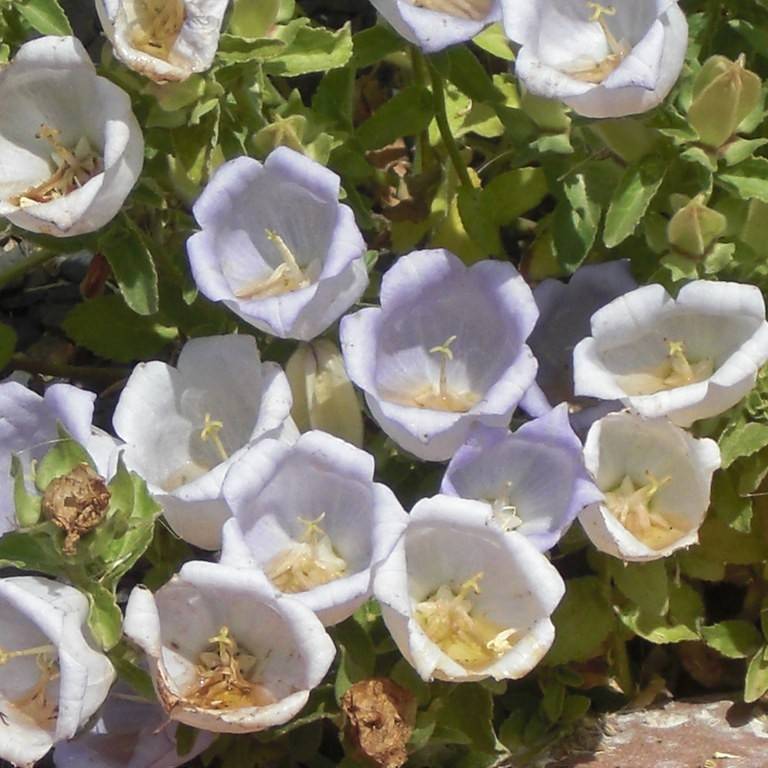
Solitary clematis (Clematis integrifolia 'Caerulea') is an amazing plant species. It's an evergreen, climbing perennial with small, glossy leaves that support its blue-violet flowers during the summer months. The plant is incredibly hardy, making it suitable for a wide range of climates. It can thrive in sunny or shaded positions, and needs only minimal pruning to keep its shape. It's an ideal choice for trellis or pergola climbing. It also produces feathery seedheads, making it an attractive addition to the garden all year round. Solitary clematis is a must-have for any garden.
Care Guide
Watering
Solitary clematis (Clematis integrifolia 'Caerulea') should be watered deeply and regularly. Aim to provide 1–2 inches of water per week, either through rain or irrigation. Water the soil at the base of the plant thoroughly and slowly in the early morning. Watering in the morning gives the clematis time to dry out before the nightfall, preventing the spread of fungal diseases. If the area hasn't gotten enough precipitation, add supplemental watering according to the plant's needs, depending on the temperature and light levels. As a general rule, clematis should be watered every 7 to 14 days during dry and hot weather, and every 10 to 20 days during cloudy or cooler weather.
Light
Solitary clematis (Clematis integrifolia 'Caerulea') thrives in full sun and will need at least 6-8 hours of direct exposure daily during the spring and summer months. This species is best grown in areas where it receives full sun in the morning, followed by partial shade during the afternoon. In hot climates, however, it may require some additional afternoon shade in order to thrive. During the winter months, the plant should receive at least 4 hours of direct sun each day, but should be kept out of the wind to prevent it from drying out. It's important that the soil around the plants be kept moist, as dry soil will reduce the number of flowers produced by the clematis.
Temperature
Hardiness zone 3–7.
Pruning
Solitary clematis should be pruned twice a year. Prune lightly in late winter to reduce straggly growth, and prune more heavily in midsummer to promote better flowering the following spring. When pruning in late winter, remove any dead, damaged, or weak stems and tidy up any overgrown flower stalks. When pruning in midsummer, reduce the ends of each stem by no more than a third, removing any non-flowering growth and dead flower heads. Pruning in midsummer will encourage strong growth and more prolific flowering come the following spring.
Propagation
Seed Propagation, Cutting, Layering Propagation, Division
Related plants
Other plants you might like if you grow solitary clematis.