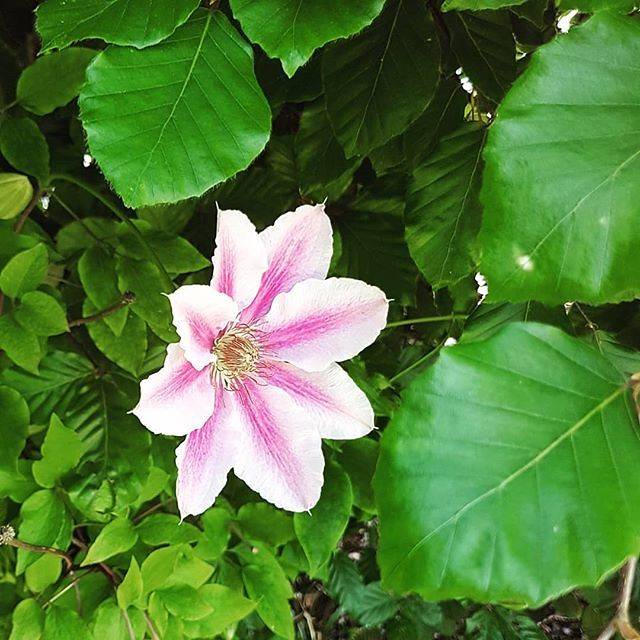
solitary clematis
Clematis integrifolia 'Rose Colored Glasses'
Overview
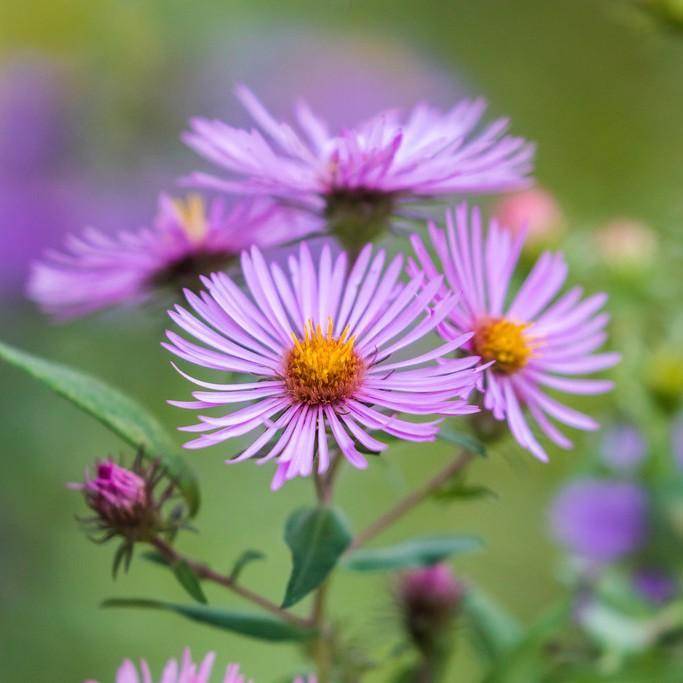
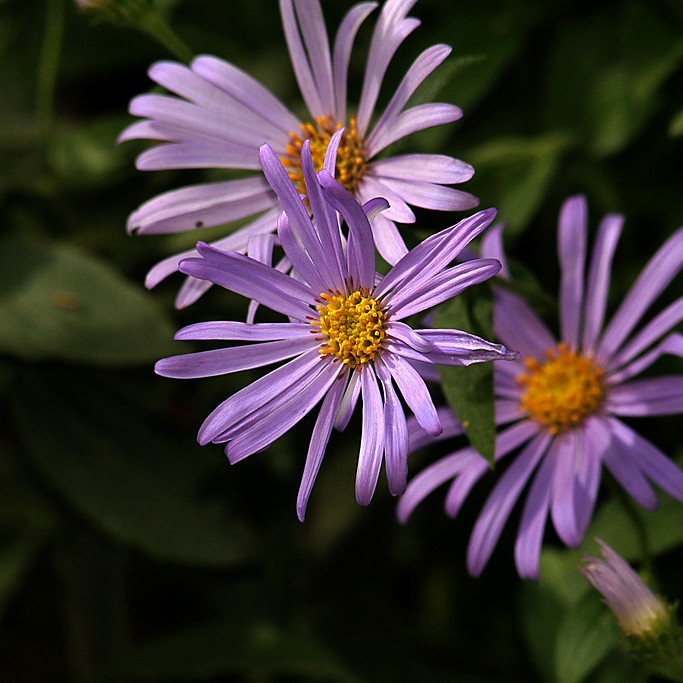
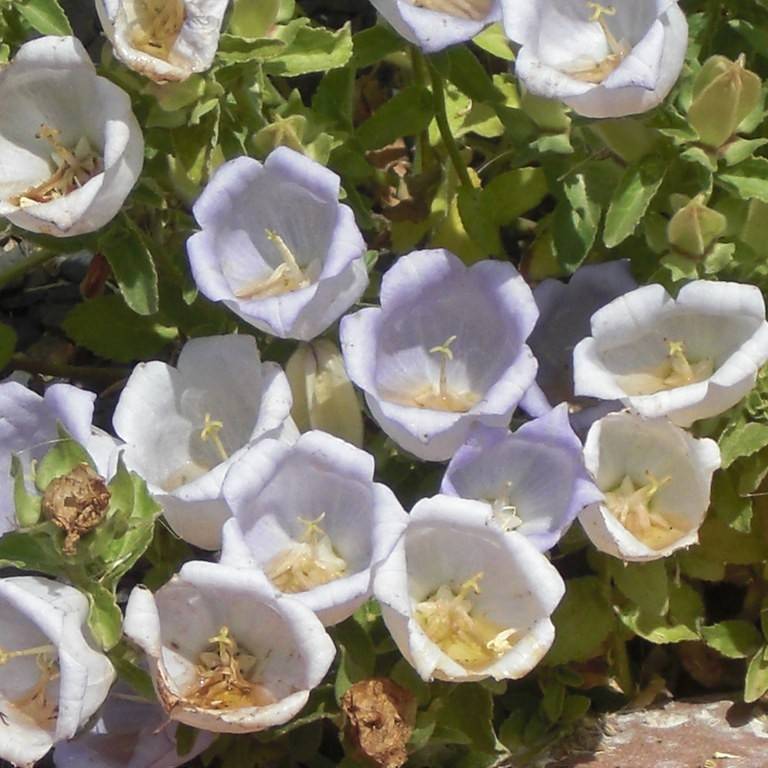
The solitary clematis, also known as Clematis integrifolia 'Rose Colored Glasses', is an incredibly dazzling sight! Its deep pink petals and blush purple centers make it stand out from other clematis varieties. Blooming in mid-summer, it will brighten up any landscape with its unique color and shape. This multi-dimensional flower will add patches of color to your garden with its fragrant blooms and beautifully intricate vine design. Great for a trellis or wall, the solitary clematis is a brilliant choice for any outdoor space!
Care Guide
Watering
The solitary clematis (Clematis integrifolia 'Rose Colored Glasses') is a drought-tolerant plant that requires regular moisture but should not be over-watered. For optimal growth, soil should be kept slightly moist but not wet at all times. During the growing season, watering should be done when the soil is dry to a depth of 2-3 inches. Water should be applied slowly and deeply so as to avoid saturation of the roots. During the winter months, when the plant is dormant, cut back on watering and only water when the soil is completely dry.
Light
Solitary clematis (Clematis integrifolia 'Rose Colored Glasses') prefers full sun exposure for best growth and flowering. This plant should be placed in a site where it can receive at least 6 to 8 hours of direct sunlight a day. The best hours of sunlight should be between 10am and 4pm in order to promote optimal growth. In addition, the plant should be provided some protection from strong winds which can be damaging to the foliage and flowers.
Temperature
Hardiness zone 3–7.
Pruning
The solitary clematis (Clematis integrifolia 'Rose Colored Glasses') should be pruned no more than once per year. Pruning should be done in late winter or early spring when new growth is just starting to appear, before flowering has occurred. During this time, it is advisable to remove any dead or damaged stems, and any stems that are crossing over 1 another. Additionally, older, larger stems may be pruned back to encourage new growth and in general keep the plant compact and bushy. To ensure the best growth, avoid pruning too hard and ensure there are plenty of buds left to produce flowers.
Propagation
Layering Propagation, Cutting, Division, Seed Propagation
Related plants
Other plants you might like if you grow solitary clematis.