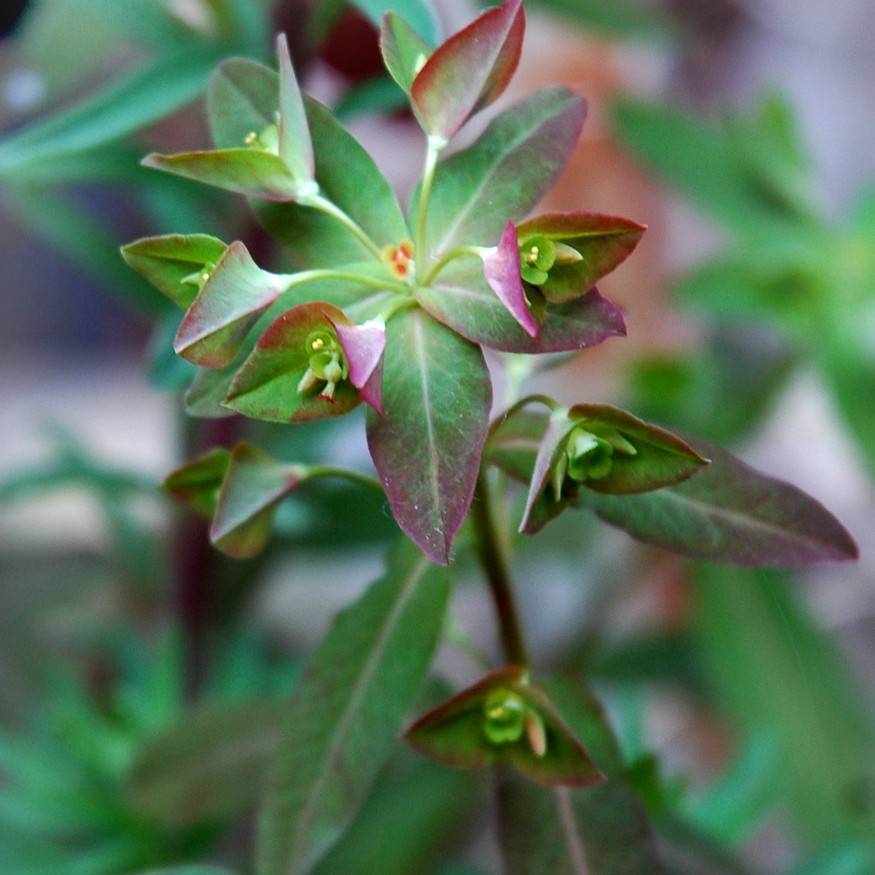
spurge
Euphorbia dulcis 'Chameleon'
Overview
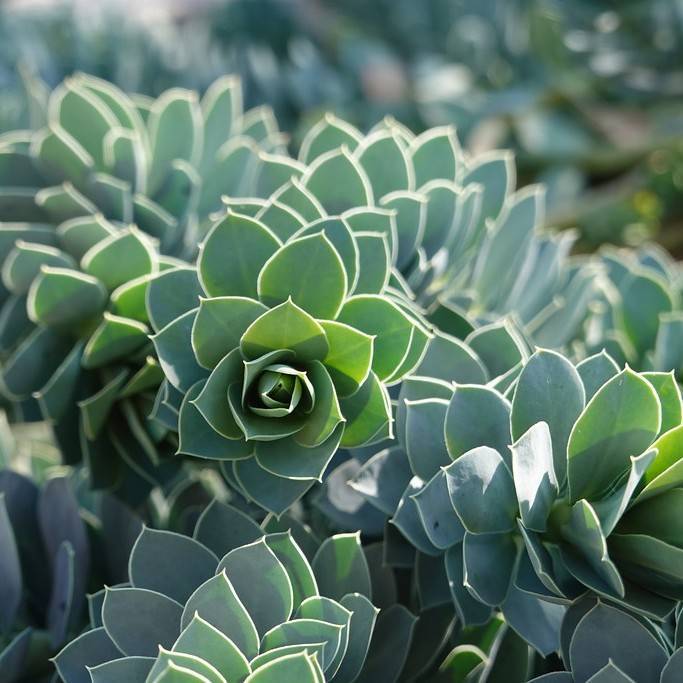
Spurge (Euphorbia dulcis 'Chameleon') is an amazing houseplant that will always be eye-catching. Its beautiful foliage changes from purple to pink as the plant matures. Its twisty leaves add texture and interest to any room. It’s also low maintenance, making it ideal for busy gardeners. The 'Chameleon' variety is easy to propagate and can even grow in the shade. As a drought-tolerant succulent, it can survive long periods without water. Spurge is an amazing addition to any home, garden, or office, with its unique color changing foliage and ease of care.
Care Guide
Watering
Spurge (Euphorbia dulcis 'Chameleon') should be watered about once every 10-14 days; more if the soil dries out before then and less if the soil stays moist. Make sure the soil is moist but not sopping wet to prevent root rot and other issues. Avoid leaving the soil soggy for long periods of time or watering too frequently. In addition, the plant should do well with humid temperatures and occasional misting.
Light
Spurge (Euphorbia dulcis 'Chameleon') does best when placed in an area of the garden that receives full sun all day. This plant species should get at least 6 to 8 hours of direct sunlight per day. Morning sun is preferable to afternoon sun, as it can become too hot and cause the leaves to become scorched. During the summer months, it is important to provide a bit of shade from the hottest mid-day sun if you are located in a region with extremely hot temperatures.
Soil
Well-drained
Temperature
Hardiness zone 5–8.
Pruning
The spurge (Euphorbia dulcis 'Chameleon') should be pruned twice a year. Prune in early spring, before new growth begins, and again in late summer once flowering has finished. When pruning, remove any dead, dried out, or crossed stems as well as any that are particularly tall or lanky. Cut stems back by no more than 1-third of their total length to promote new growth and a bushy, compact shape. Additionally, thin out any overcrowded areas to improve air circulation and light penetration. Pruning can be done with either hand pruners or loppers. It is important to make sure the pruning tools are both sharp and clean to prevent any possible transmission of disease.
Propagation
Cutting, Division, Seed Propagation, Layering Propagation
Diseases & Pests
Common pests: Deer resistant, Rabbit resistant, Drought resistant.
Related plants
Other plants you might like if you grow spurge.
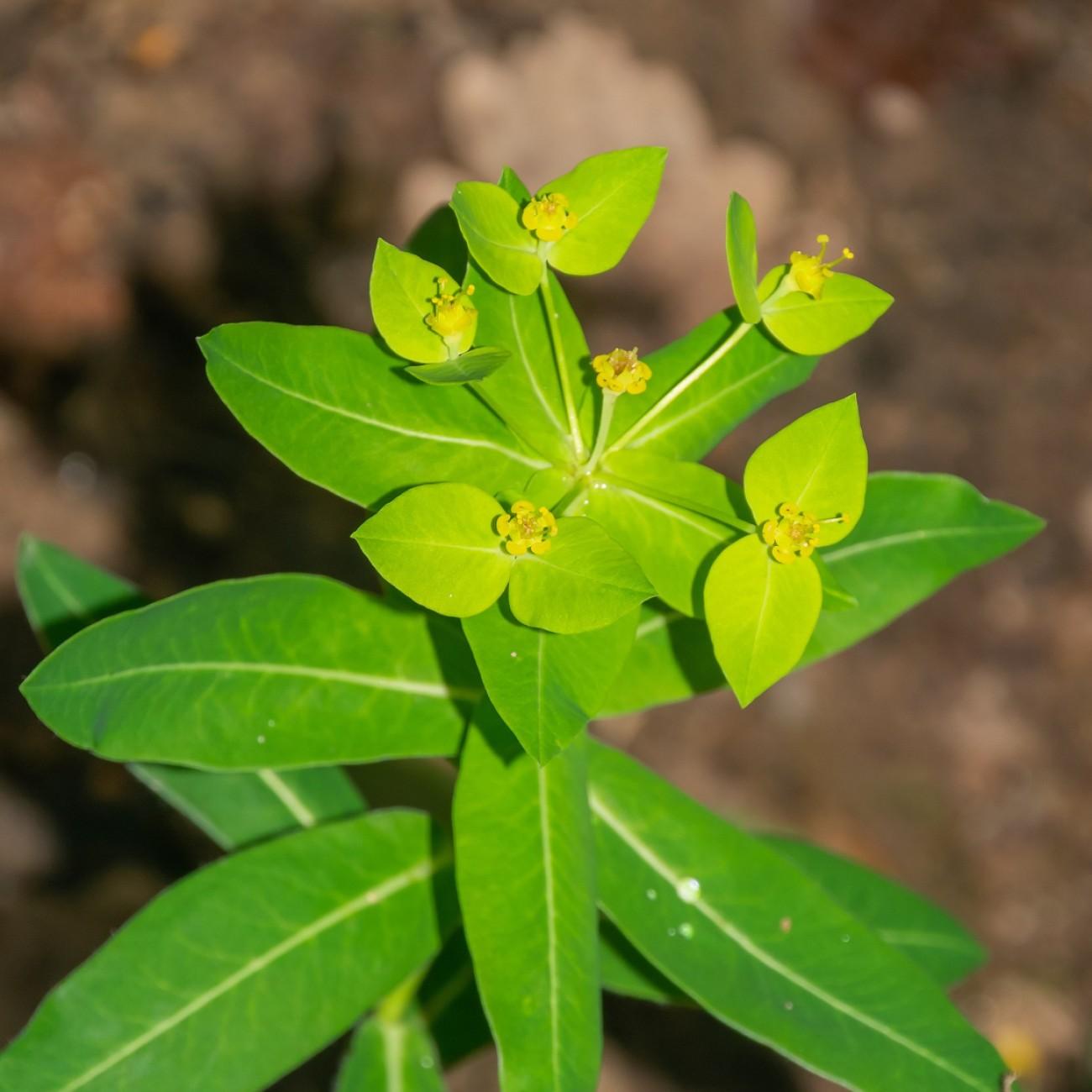
sweet spurge
Euphorbia dulcis
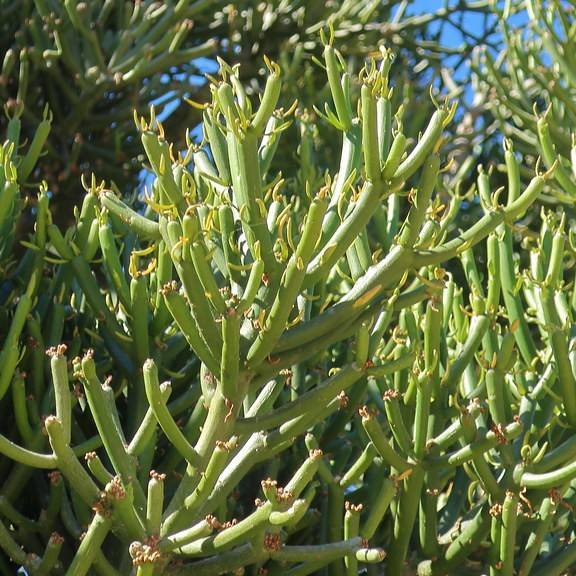
Indian tree spurge
Euphorbia tirucalli
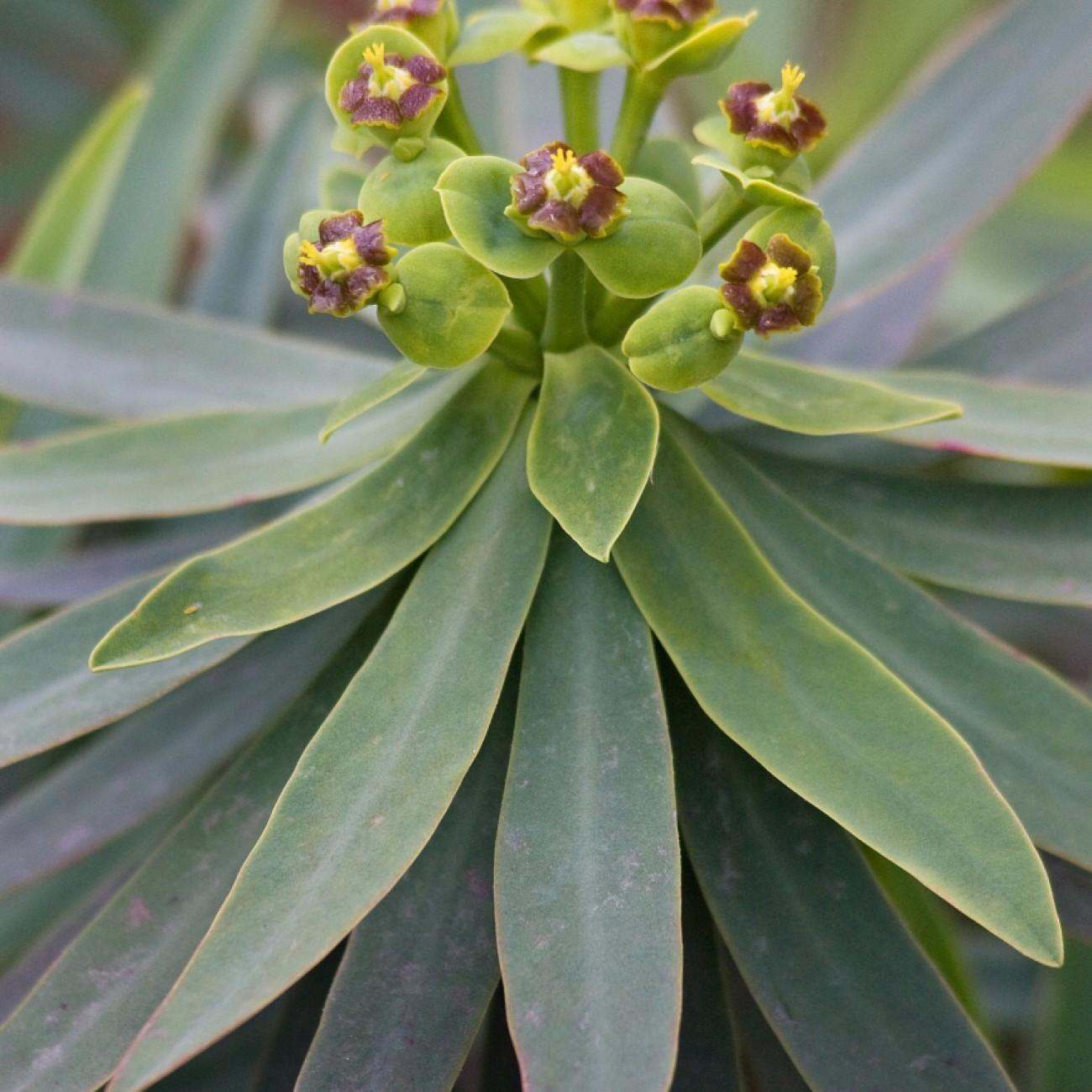
Martin’s spurge
Euphorbia martini 'Waleutiny' TINY TIM
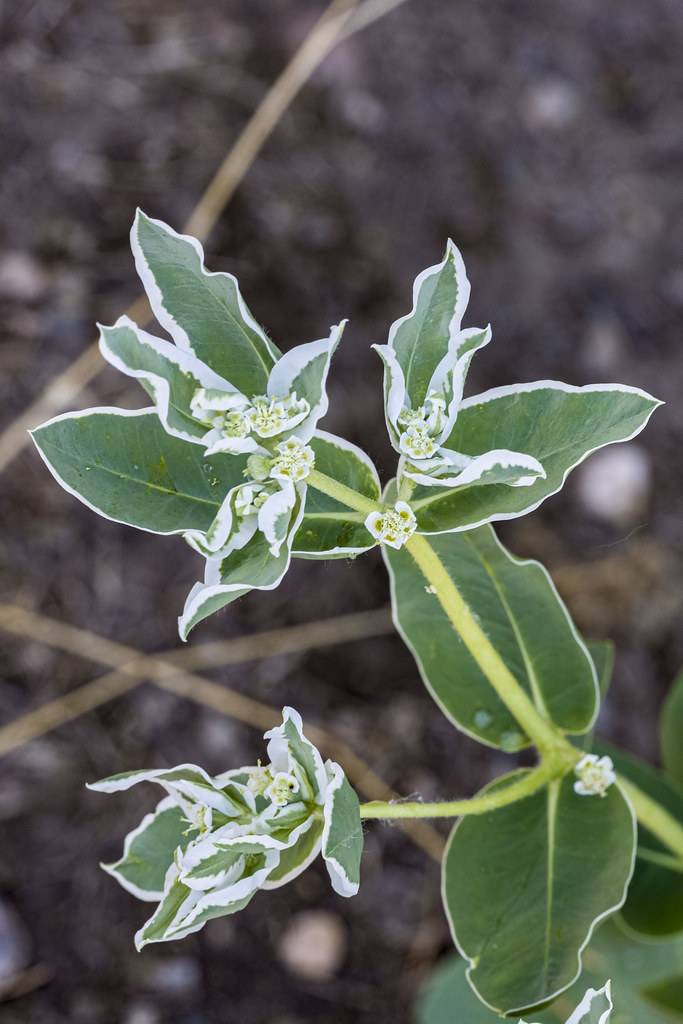
mountain spurge
Euphorbia marginata 'Kilimanjaro'
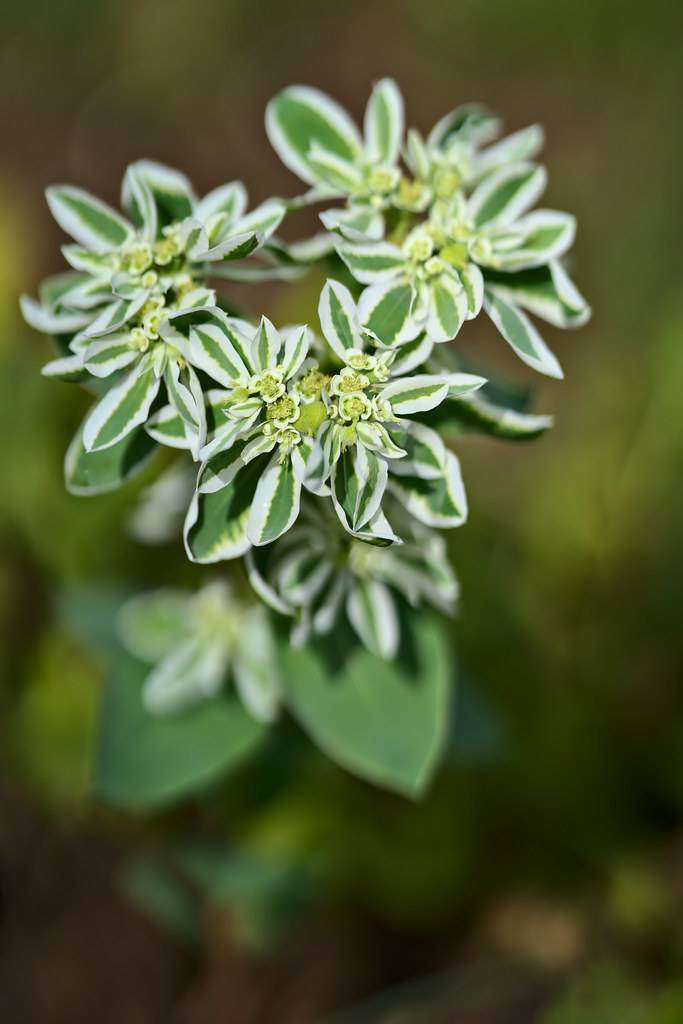
snow on the mountain
Euphorbia marginata
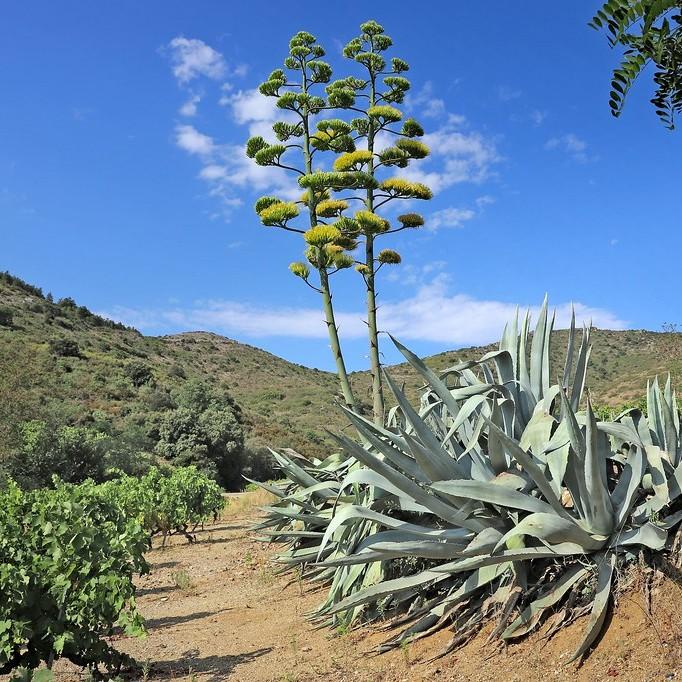
American century plant
Agave americana
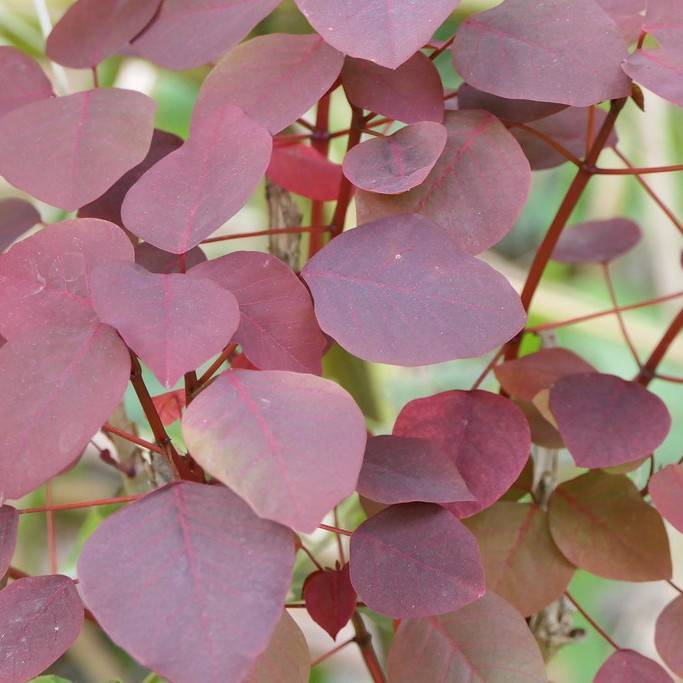
Mexican shrubby spurge
Euphorbia cotinifolia
myrtle spurge
Euphorbia myrsinites