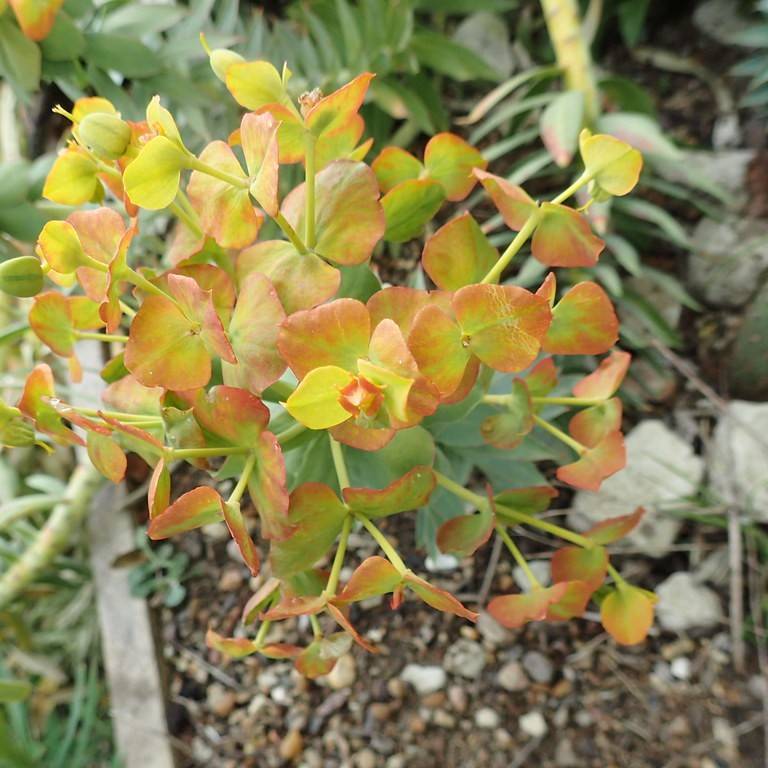
spurge
Euphorbia rigida
Overview
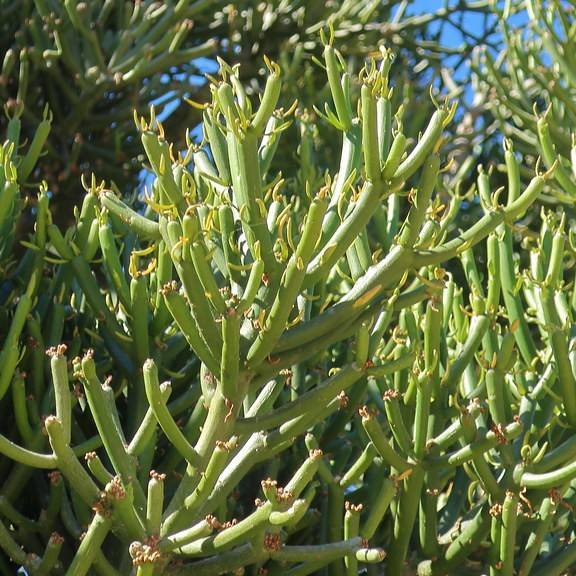
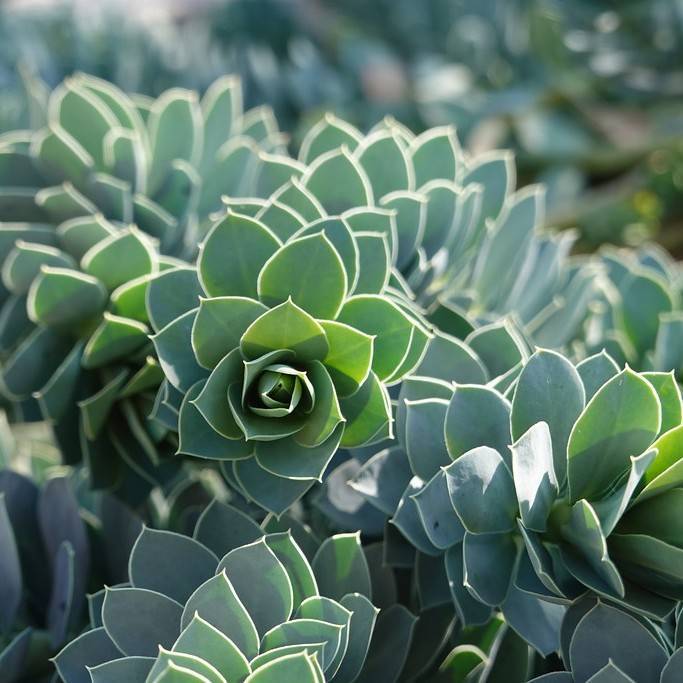
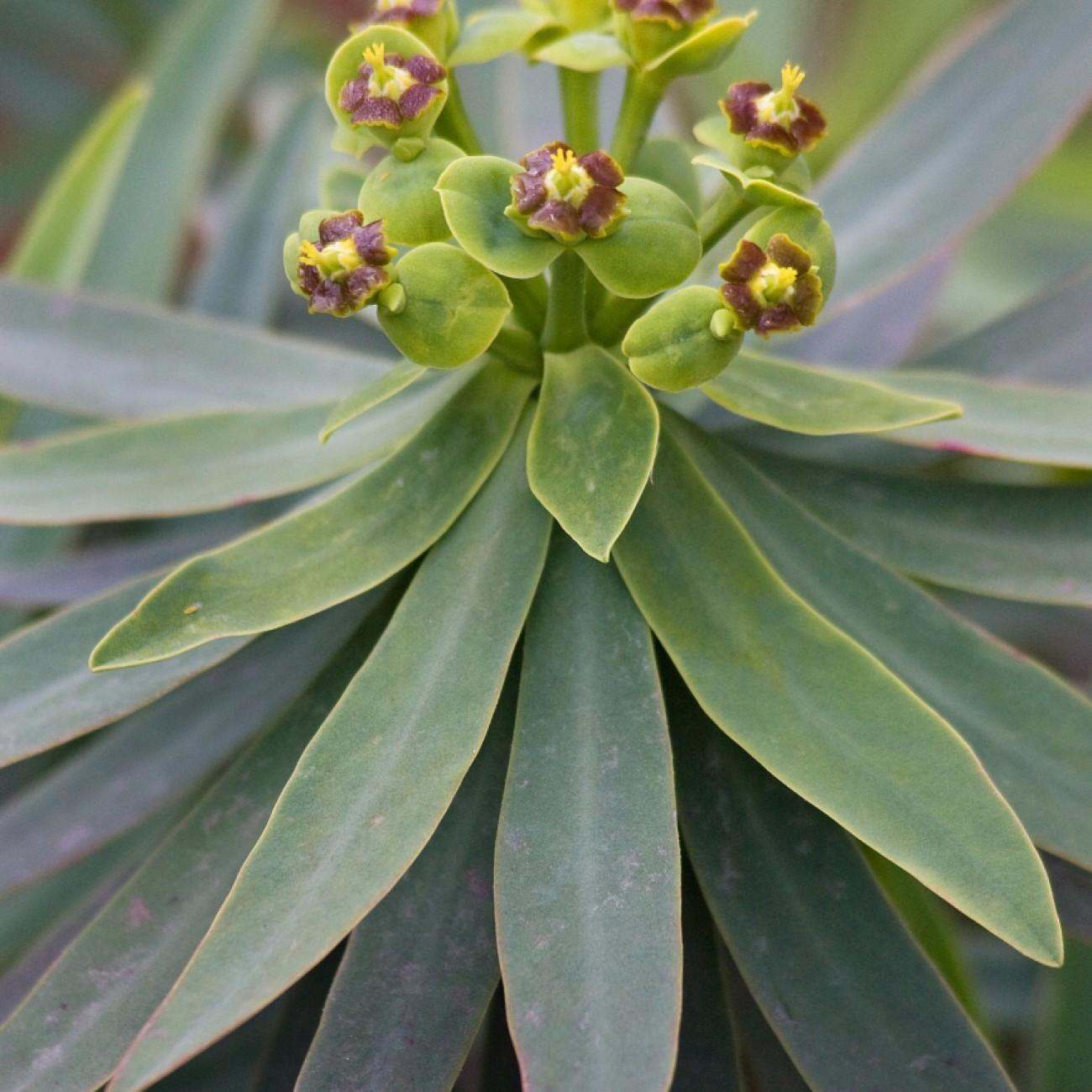
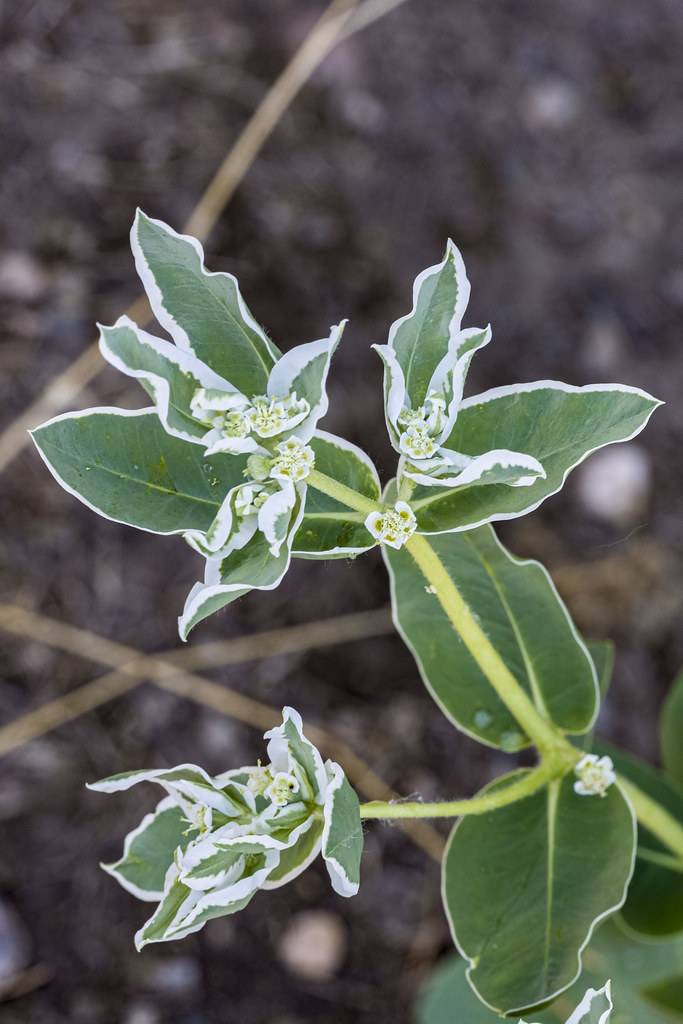
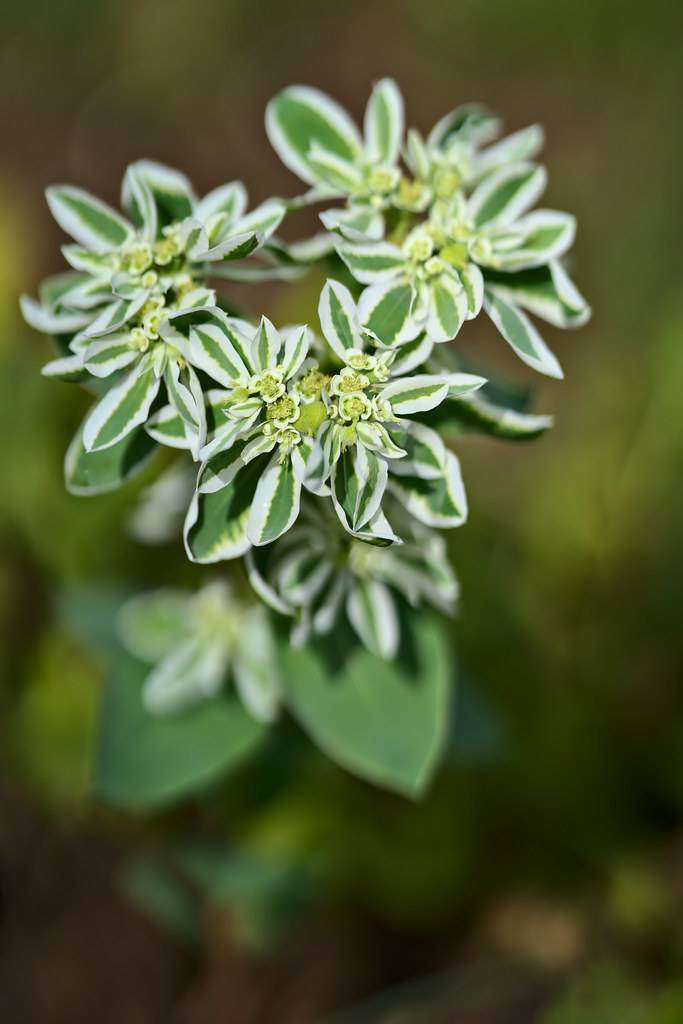
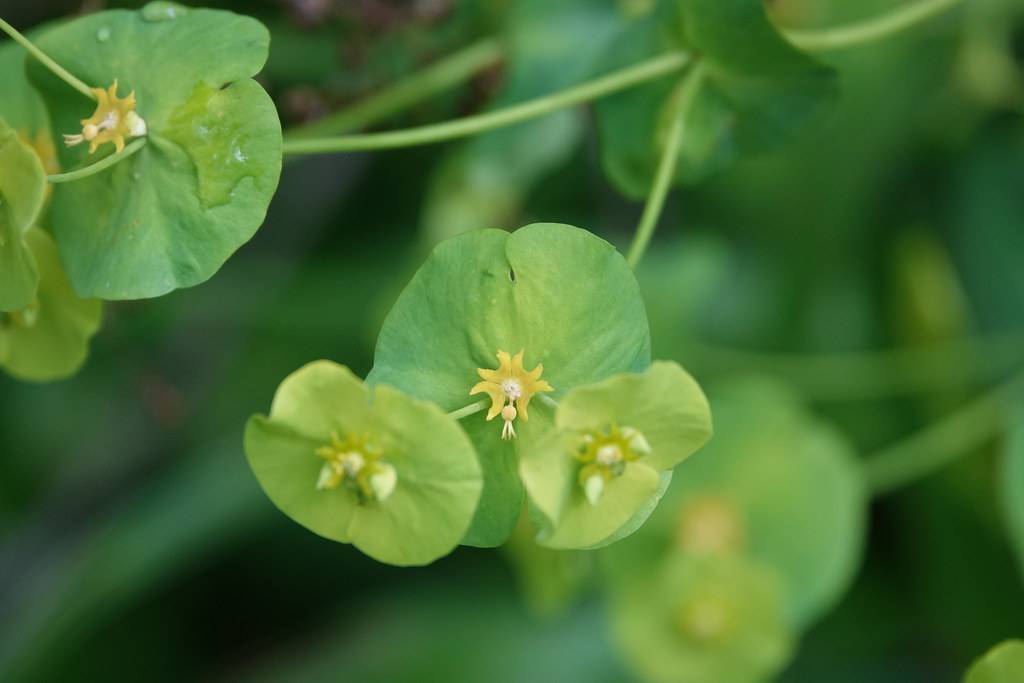
Spurge (Euphorbia rigida) is an amazing plant species that grows in Europe, North Africa, and Central Asia. It is a small, shrubby succulent with small yellowish leaves. The species is tolerant of diverse conditions including dry and shady areas and prefers sandy soils. It has a distinctive 4-angled stem and bright yellow-green flowers that attract bees and butterflies. Spurge is deer-resistant and drought-tolerant, making it an excellent choice for gardeners in dry areas. It also provides structure and interest while blooming in the spring and summer for wildlife and pollinators that use its pollen and nectar to feed.
Care Guide
Watering
One should water spurge (Euphorbia rigida) about once every week, though in hot weather, it may require extra water. It is best to water the spurge slowly and deeply, allowing the soil to become moist but not soggy. Be sure to water the spurge around the base of the plant, avoiding wetting the foliage. Allow the top several inches of soil to dry out slightly in between waterings. If the soil is allowed to dry out completely, your spurge could suffer damage or even die. Spurge prefers consistently moist soil, so if you live in a hot, dry climate, you may need to water your plants more often.
Light
In general, spurge (Euphorbia rigida) is a sun-loving plant species. The plant requires full sunlight for at least 6 hours each day in order to thrive. More sunlight may be beneficial, but direct sunlight should be avoided during the hottest parts of the day. If the plant is placed in full sun in hot summer months, it is essential to ensure that the soil remains consistently moist. In the winter months, when sunlight is weaker, the spurge can tolerate dappled shade, although it may not flower as profusely.
Temperature
Hardiness zone 7–10.
Pruning
Spurge should be pruned in early spring as soon as it starts to grow. Trimming and shaping of the plant should take place as soon as buds appear, ideally just after the last frost. Remove any diseased, dead, or damaged plant material early on to ensure healthy growth. Also remove any long stems, as they will often fail to produce blooms. Pruning should be done selectively, ensuring that the shape and balance of the plant are maintained, and no more than 1 third to 1 half of the overall plant should be cut back. Heavy pruning is not recommended as it can stunt the plants' growth.
Propagation
Cutting, Division, Seed Propagation, Layering Propagation
Related plants
Other plants you might like if you grow spurge.