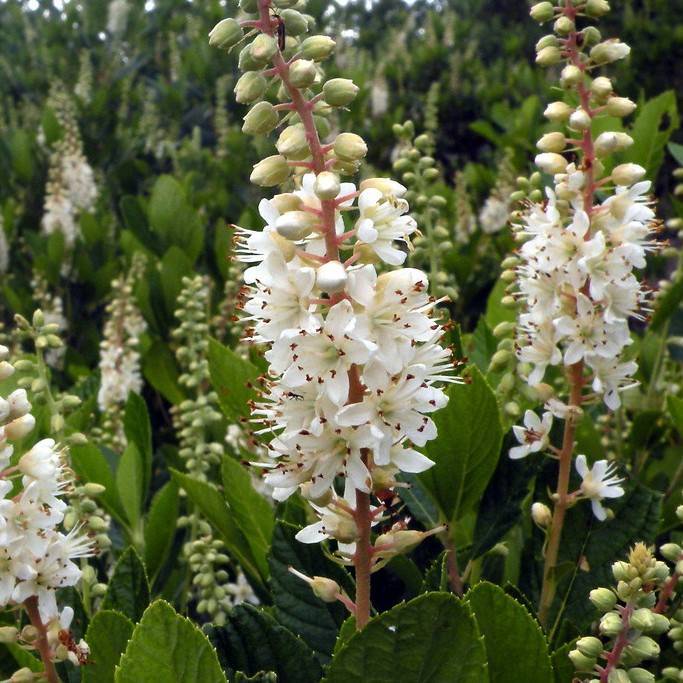
sweet pepperbush
Clethra alnifolia 'Crystalina'
Overview
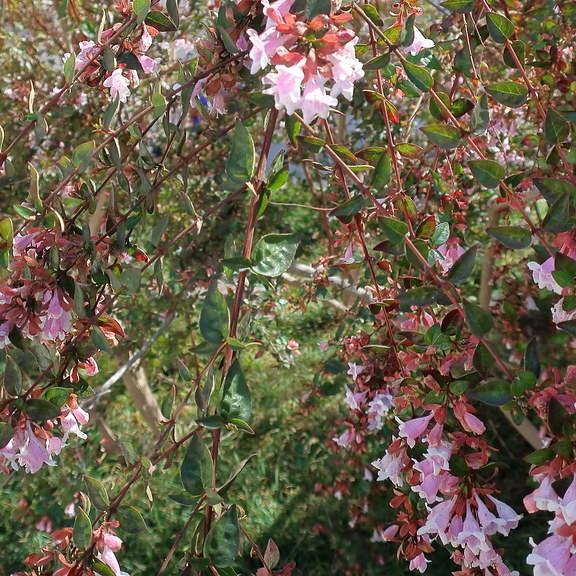
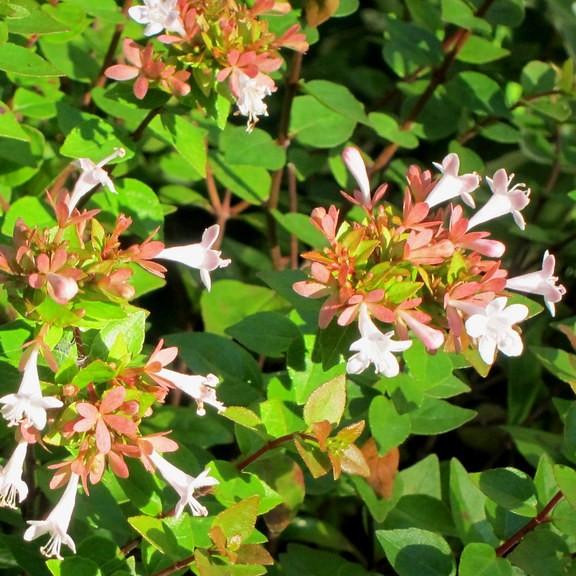
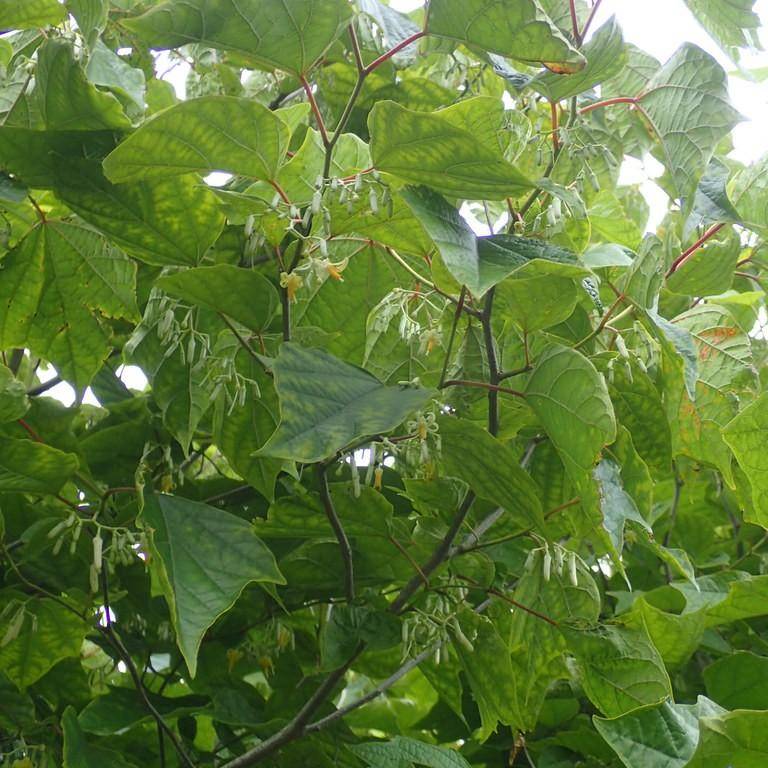
Sweet Pepperbush (Clethra alnifolia 'Crystalina') is an amazing garden specimen that provides glorious color throughout the entire growing season. In the summer when most of the other plants have faded away, Sweet Pepperbush's fragrant, white flower clusters will still be dancing in the breeze. It grows best in USDA Hardiness Zones 5-9, so it's a great choice for most areas of the country. In addition to its usual white blooms, Sweet Pepperbush is also available in various shades of pink. No matter the color, this shrub provides a wonderful sweet fragrance in the garden. Its evergreen foliage also adds texture and color to garden beds. Sweet Pepperbush is an excellent choice for those looking for long-term color and texture.
Care Guide
Watering
Sweet pepperbush should be watered regularly. Aim to water it at least once a week, but provide a deep watering when the top inch of soil feels dry to prevent the plant from being stressed. Generally, the plant prefers evenly moist soil. During dry spells, check the plant regularly to ensure it is still getting enough water. If any wilting is observed, apply a thorough soaking and check the soil for moisture to determine if more frequent watering is necessary.
Light
Sweet pepperbush (Clethra alnifolia 'Crystalina') requires full sun exposure for optimal growth and flowering. It is ideally grown in areas that receive 6 to 8 hours of direct sunlight each day. It will tolerate some light shade but will require more maintenance if it is planted in shady areas. If it is planted in full sun, it may require more frequent watering to keep its foliage vibrant and lush.
Temperature
Hardiness zone 4–8.
Pruning
Sweet pepperbush (Clethra alnifolia 'Crystalina') can be pruned in the spring, just after it blooms. Pruning should be limited to removing any dead or damaged limbs. Light pruning can be used to keep the shrub more manageable and to maintain a certain shape. Prune each stem at the point where 2 branches meet, pointed up and away from the center of the shrub, to allow light in and encourage new growth. To keep the shrub compact, it can also be selectively pruned to reduce the amount of woody growth, or by removing entire stems or branches at ground level.
Propagation
Cutting, Grafting Propagation, Layering Propagation, Division, Seed Propagation
Uses & Symbolism
Attracts: Butterflies.
Related plants
Other plants you might like if you grow sweet pepperbush.