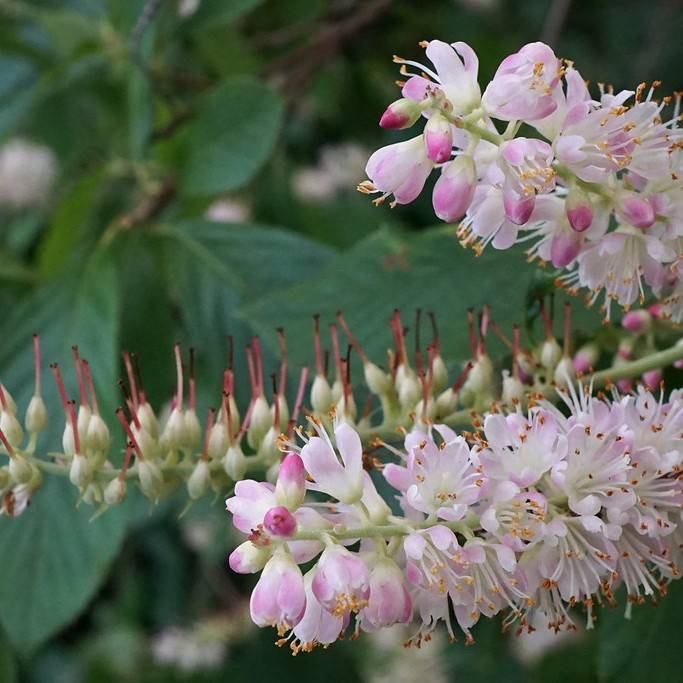
sweet pepperbush
Clethra alnifolia 'Rosea'
Overview
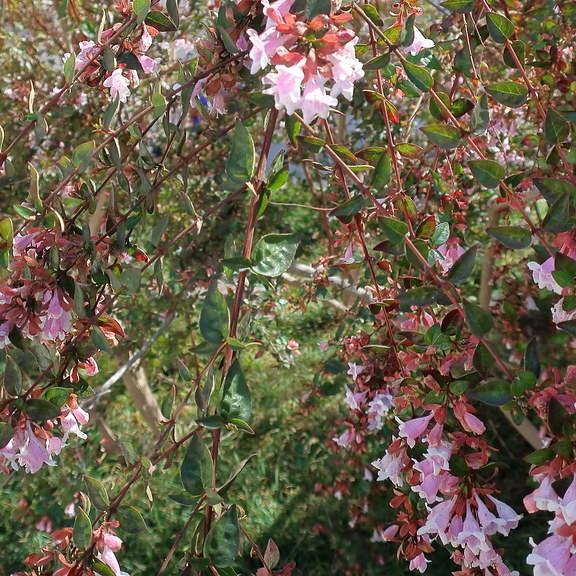
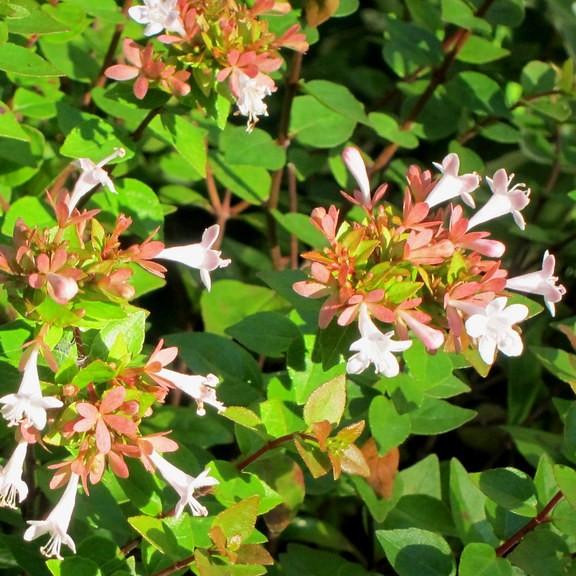
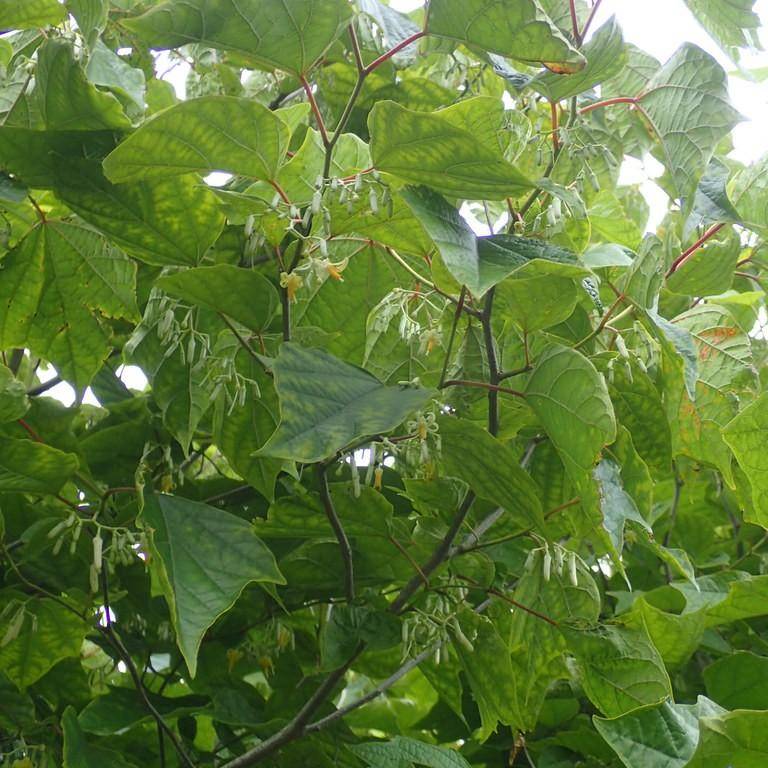
Sweet pepperbush (Clethra alnifolia 'Rosea') is an amazing plant that packs a fragrant punch! Its unique pink flower clusters are eye-catching and they perfume the air with an inviting sweet smell in late summer. It is very low-maintenance and thrives in moist climates, performing best in full sun or partial shade. It is also a great plant for attracting beneficial wildlife to your yard, like butterflies and hummingbirds! Plus, it is hardy and deer-resistant. It is a great choice for any garden; you won’t regret adding it to your landscape.
Care Guide
Watering
Sweet pepperbush (Clethra alnifolia 'Rosea') needs regular watering for best results. During the active growing season, water when the top 2-3 inches of soil dry out. During mid-summer, water more frequently, once a week if temperatures and humidity are high. During periods of drought, water deeply every 7-10 days. Make sure the soil is well drained after watering to avoid root rot. In winter, reduce watering to every 10-14 days during periods with no rain.
Light
Sweet pepperbush (Clethra alnifolia 'Rosea') is best grown in full sun to partial shade. It prefers a minimum of 4-5 hours of direct sunlight each day. To get the best blooms, place your sweet pepperbush in a spot that receives a few hours of morning sunshine followed by some afternoon shade or filtered light. Direct sun in the afternoon can cause the foliage to scorch. The plant will tolerate more sun in cooler climates, but it will grow best in partial shade in warmer climates.
Temperature
Hardiness zone 4–8.
Pruning
When to Prune: The best time to prune sweet pepperbush plants is in late winter or early spring before bud break. How Much to Prune: Sweet pepperbush plants have an upright growth habit and over time can become leggy and unshapely. Prune to maintain a shrub form, removing dead wood, crossing stems, and any young upright shoots that grow out of the center of the shrub. If you want a fuller shrub, lightly prune in summer, removing up to 1/3 of the top growth. Never remove more than 1/3 of the live foliage at once.
Propagation
Cutting, Layering Propagation, Division, Seed Propagation
Uses & Symbolism
Attracts: Butterflies.
Related plants
Other plants you might like if you grow sweet pepperbush.