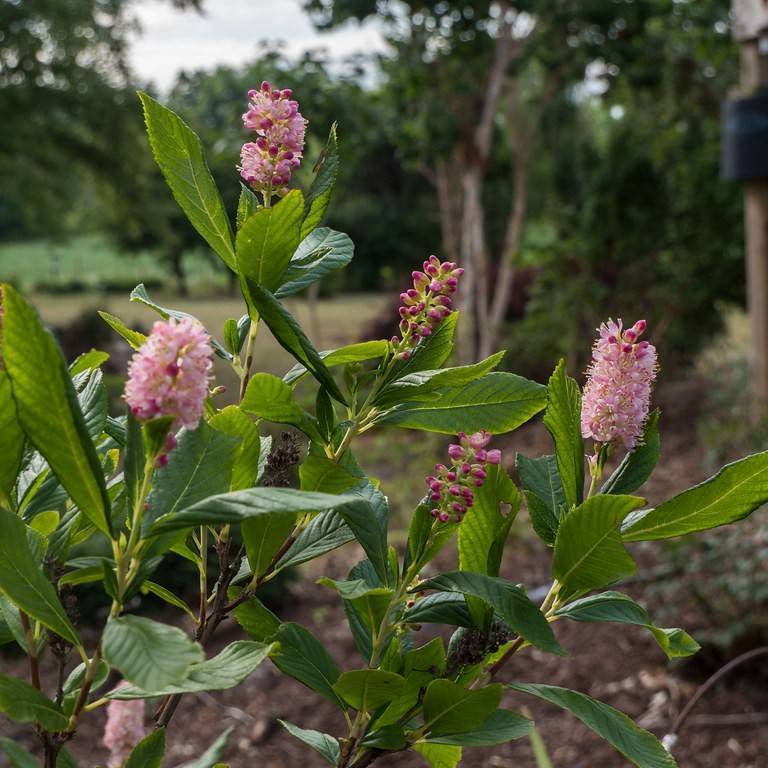
sweet pepperbush
Clethra alnifolia 'Ruby Spice'
Overview
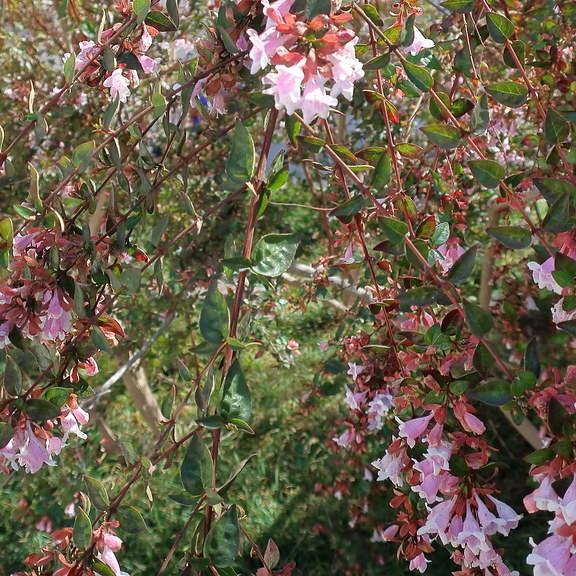
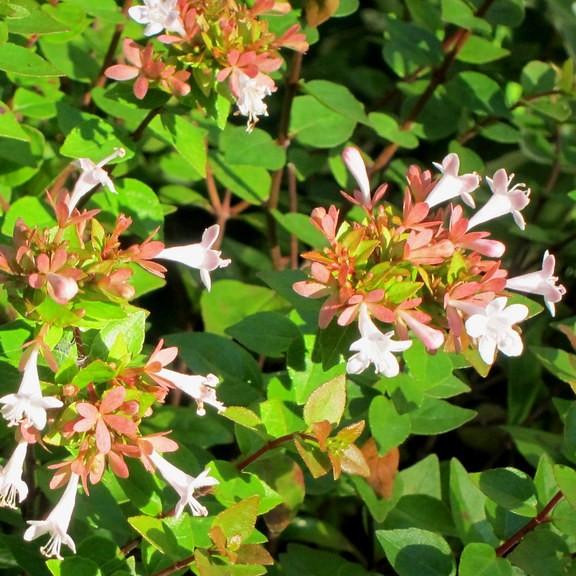
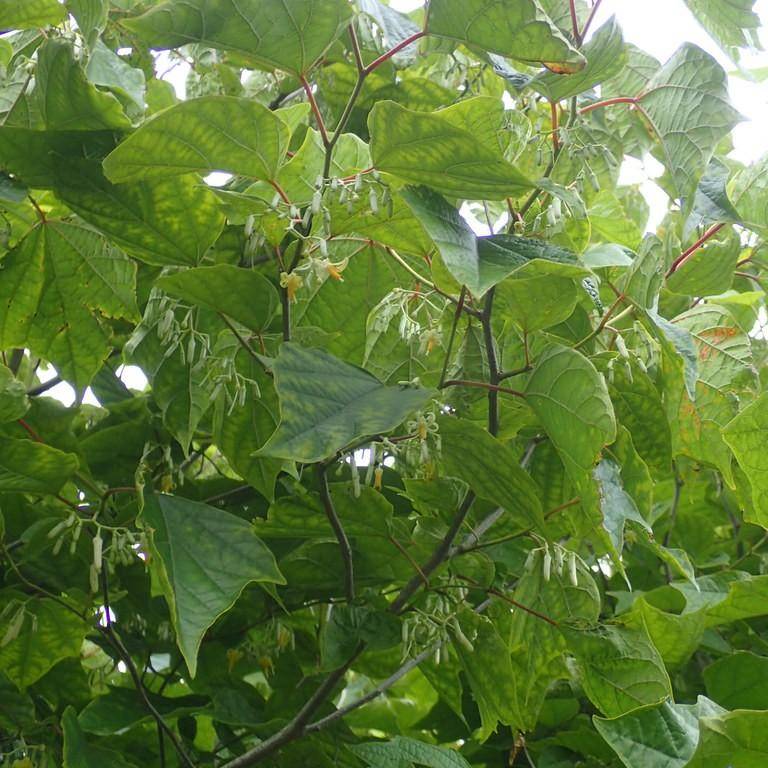
The sweet pepperbush (Clethra alnifolia 'Ruby Spice') is an amazing shrub that offers beauty and interest all year round. The sweetly fragrant flowers emerge during the summer months in shades of white or pink, and attract plenty of beneficial insects. As they mature, the leaves of this deciduous bush turn shades of yellow and orange, bringing with it a subtle flame-colored touch to the garden. In the fall, the seed pods add texture and structure, while the bright red berries bring color and food for wildlife. But perhaps the most impressive feature of this hardy shrub is its remarkable salt tolerance, allowing it to thrive in coastal gardens or areas with poor soil. From its stunning flowers to its tough constitution, sweet pepperbush (Clethra alnifolia 'Ruby Spice') is simply amazing.
Care Guide
Watering
Sweet pepperbush, also known as 'Ruby Spice' (Clethra alnifolia), requires moist but well-drained soil to thrive. Water deeply, but not excessively. During the growing season, water your sweet pepperbush at least twice a week, making sure the soil is moist but not soggy. In the hotter months, it may need to be watered more frequently. Reduce watering in the colder months, only providing enough to keep the soil from drying out completely. Always check the soil to make sure it’s not too soggy before adding more water.
Light
Sweet pepperbush requires full sun to partial shade (4-6 hours of sun per day). It prefers moist soil, so keep soil evenly moist but not soggy. It is a hardy plant and can withstand cold temperatures of -15°F. Sweet pepperbush can be planted in spring or fall months, as long as the soil is not frozen. It prefers temperatures higher than 50°F. Plant it in a well-drained area, as it does not tolerate standing water. Sweet pepperbush can withstand full sun, but shade in hotter climates is recommended. It is best to keep plants out of gusty winds as it can lead to leaf scorch.
Temperature
Hardiness zone 4–8.
Pruning
It is best to prune sweet pepperbush (Clethra alnifolia 'Ruby Spice') after it has finished blooming in mid to late summer. Pruning should be done to maintain the desired size and shape of the plant, which is typically no more than 4 feet in height and width. Prune old woody stems back to the ground level and remove any dead, diseased, or damaged branches. Lightly trim younger stems to remove any thinning or errant branches that may be affecting the overall shape of the plant. Too much or improper pruning may result in fewer flowers and blooms the following year.
Propagation
Cutting, Layering Propagation, Division, Seed Propagation
Uses & Symbolism
Attracts: Butterflies.
Related plants
Other plants you might like if you grow sweet pepperbush.