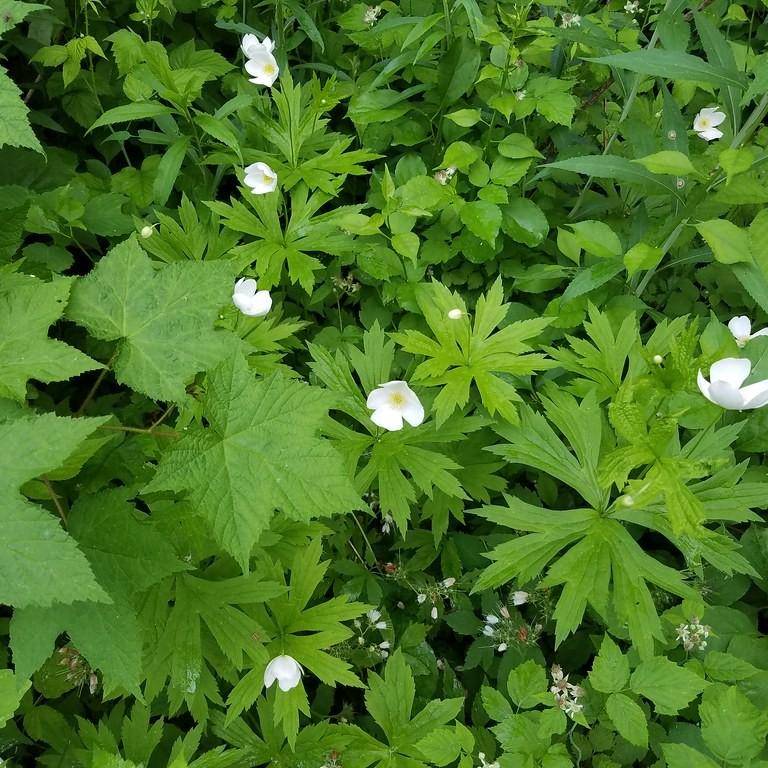
windflower
Anemone canadensis
Overview
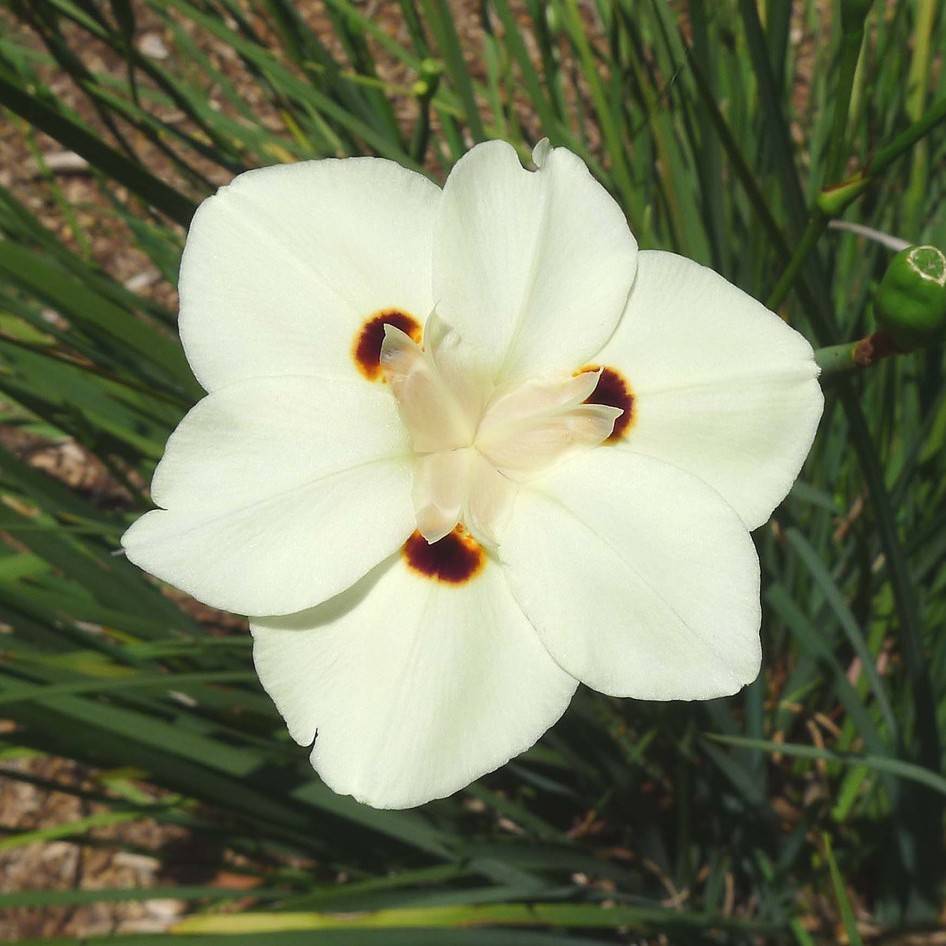
The Windflower (Anemone canadensis) is an amazing showstopper of a flower. It looks very beautiful, with its stunning white petals surrounding a dark center. Its sturdy stems can reach up to two feet tall, making it an impressive sight in the flowerbed. It blooms in the late summer and its delightful blossoms make a wonderful addition to any garden or meadow. Plus, it's an excellent pollinator plant, attracting plenty of butterflies, bees, and hummingbirds. So, not only does the Windflower add beauty to any landscape, it also helps support other species. What a beautiful and useful plant!
Care Guide
Watering
Windflowers should be watered regularly from spring until frost. In their first growing season, water to maintain consistently damp soil. During hot, dry periods, water deeply enough for water to reach the deepest roots. In subsequent seasons, water deeply enough for the water to reach the soil layers below the root ball but not so much that the soil is soggy. Water with a garden hose or a watering can, allowing the water to trickle slowly at its base. Generally, water once per week, or whenever the soil appears dry (1 inch down).
Light
The Windflower (Anemone canadensis) thrives in full sun and partial shade. It prefers a minimum of 6 hours of direct sunlight each day and can handle up to 8 or 9 hours at the most. Early morning sun is best, as it helps promote strong flowering in the warmer summer months. If the Windflower is exposed to too much sunlight, the leaves and flowers can become scorched.
Soil
Sandy Loamy Clay Humus Rocky
Temperature
Hardiness zone 3–8.
Pruning
Windflower should be pruned in the late winter shortly before they begin to bloom. Pruning involves cutting off the dead flower heads and foliage. To encourage new growth, cut back the flower stems to a pair of healthy buds. For especially tall or overgrown Windflower plants, cut back up to 1/3 of the plant's height. Pruning the Windflower too often may reduce flowering.
Propagation
Division, Root Cutting, Seed Propagation, Layering Propagation
Related plants
Other plants you might like if you grow windflower.