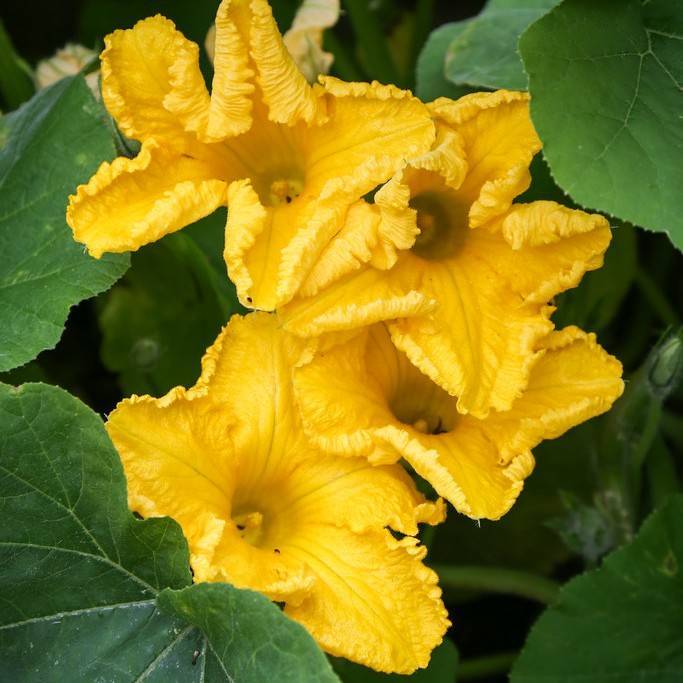
winter squash
Cucurbita maxima
Overview
Winter squash (Cucurbita maxima) is an amazing plant species because it produces a wide range of unique varieties. It comes in a variety of colors, shapes, sizes, and textures, from delicately sweet and nutty to vibrantly savory. It is extremely nutritious, and offers many vitamins and minerals, including magnesium, calcium, phosphorus, and fiber. Moreover, it has a long storage life, which means that one can keep it around for a relatively long time while still enjoying its freshness and flavor. Its mild sweetness and versatility make it great for a variety of dishes, from soups and stews to roasted and mashed. Overall, winter squash is an amazing plant species because of its nutritional and culinary potential.
Care Guide
Watering
Winter squash should be watered deeply and thoroughly every 5-7 days. Watering should be done in the morning so the leaves have a chance to dry during the day. If your soil is very sandy or light, you may need to water more often. Winter squash need around an inch of water per week, so make sure the water is penetrating 8-12 inches into the soil.You should aim to keep the soil of your Winter squash consistently moist but well-drained.
Light
Winter squash (Cucurbita maxima) does best when exposed to 8-10 hours of direct sunlight each day. This should include both the early morning and late afternoon light, as UV radiation is strongest during this time. The plant will need to be in a spot that provides bright and direct sunlight for a majority of the day. That being said, winter squash can tolerate some shade, however it will still need a minimum of 6-8 hours of sun exposure for optimal growth.
Soil
Humus rich, Well-drained
Temperature
Hardiness zone 2–11.
Pruning
Winter squash (Cucurbita maxima) should be pruned at the end of the season, around 3 months after planting. It's best to prune away any dead or diseased stems and to trim away additional stems that may be competing with the main leaders for nutrients. Additionally, it is important to keep the plant in a compact shape by pinching off any sucker growth that may be growing beneath the main branches. It is also beneficial to prune off any foliage that may be blocking sunlight and airflow from reaching the internal parts of the plant. Pruning should be done carefully so as to not damage the plant.
Propagation
Seed Propagation
Diseases & Pests
Common pests: Slugs, snails, Rabbit resistant .
Related plants
Other plants you might like if you grow winter squash.
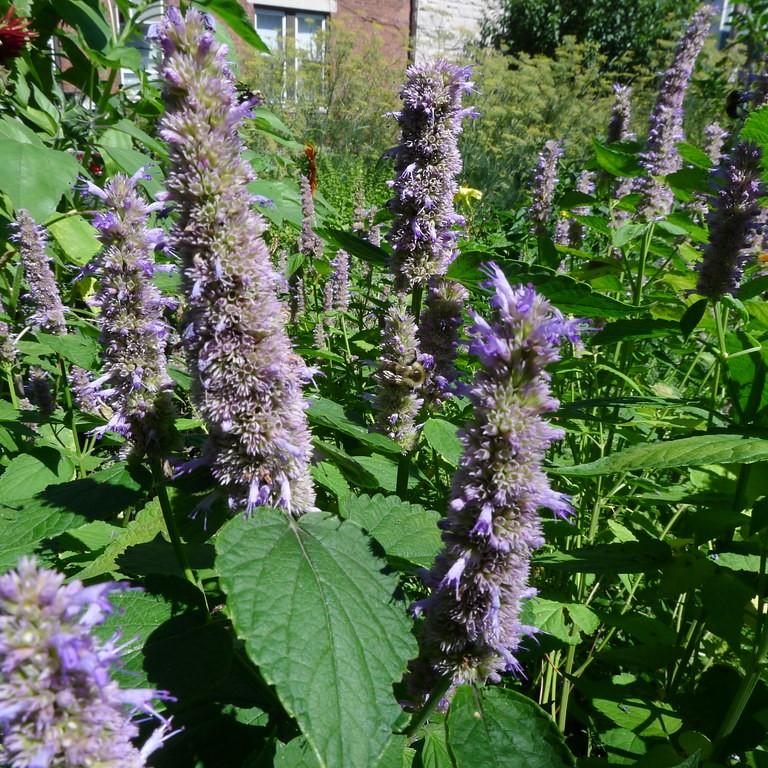
anise hyssop
Agastache foeniculum
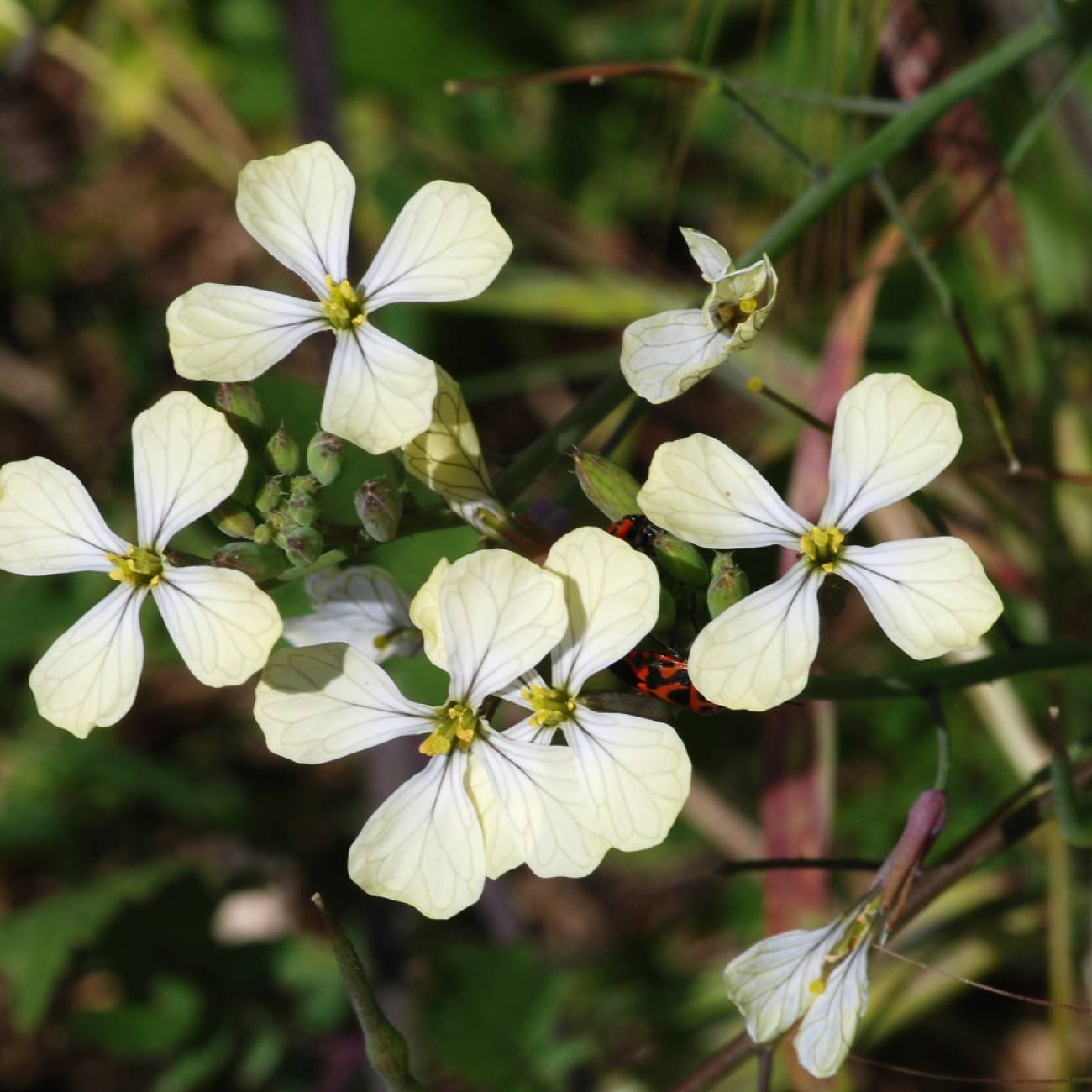
arugula
Eruca versicaria subsp. sativa
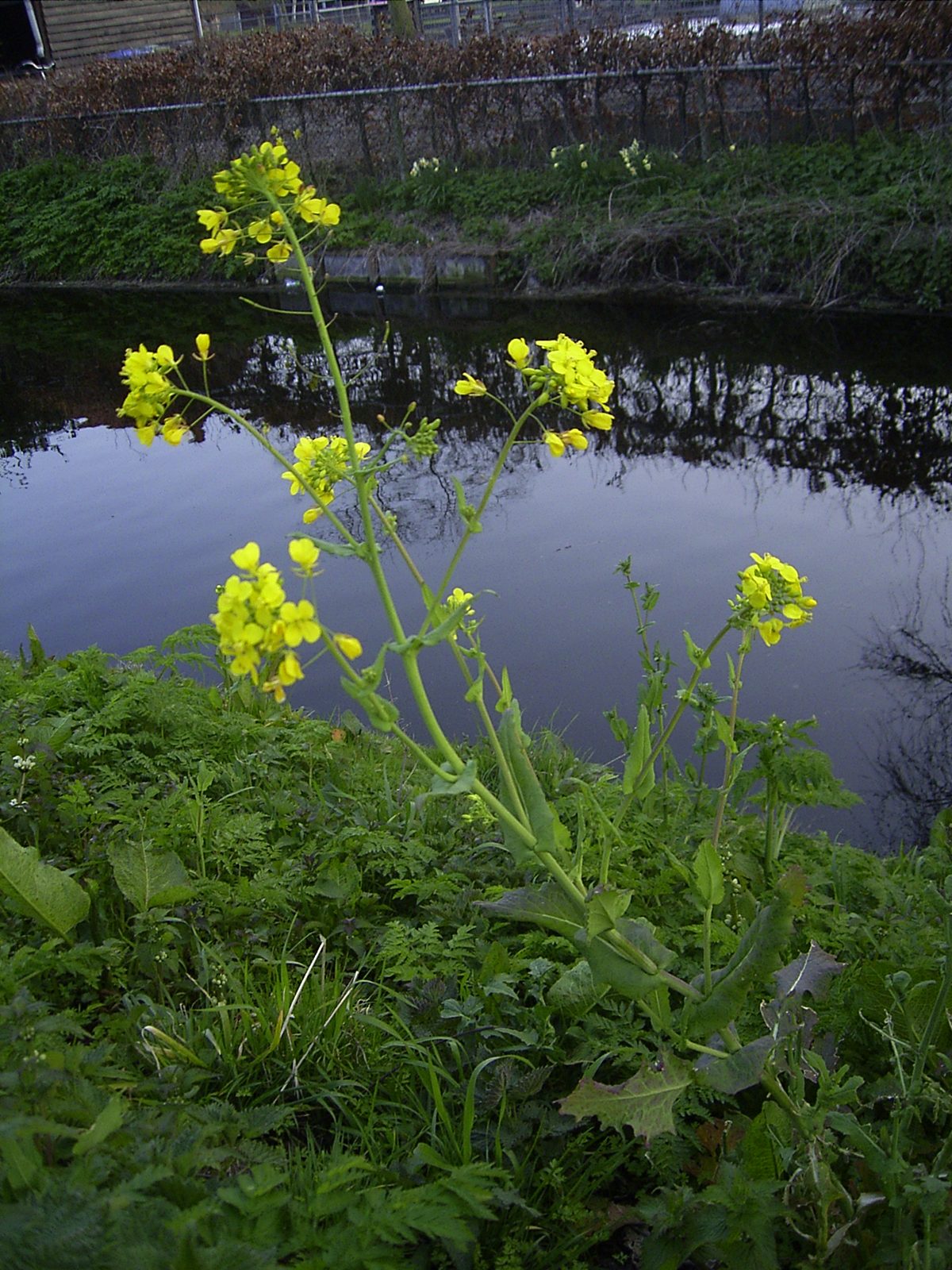
broccoli raab
Brassica rapa (Ruva Group)
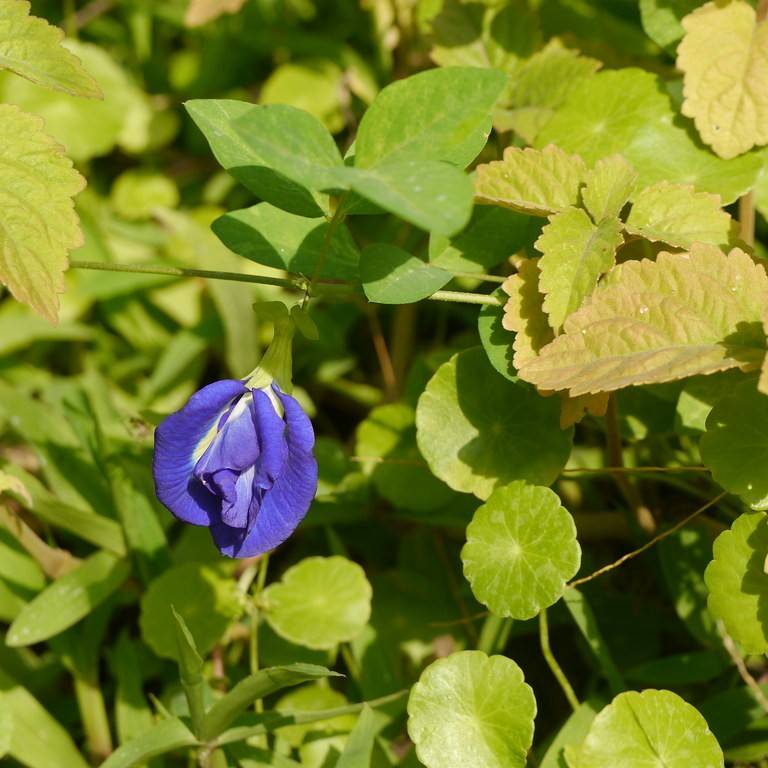
butterfly pea
Clitoria ternatea
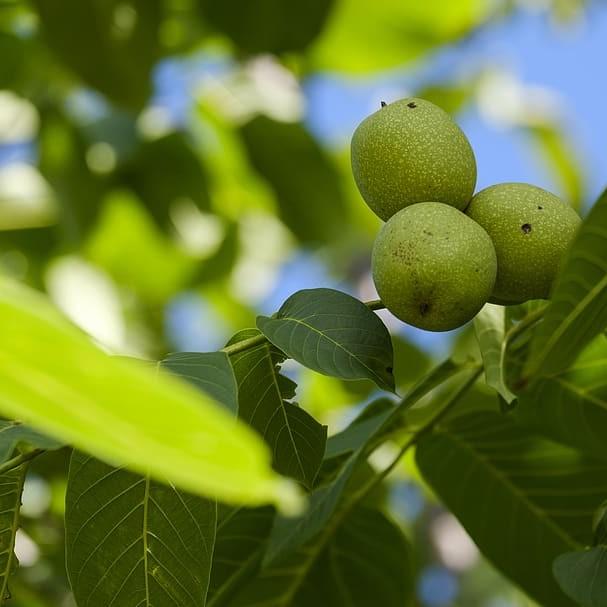
Carpathian English Walnut
Juglans regia 'Carpathian'
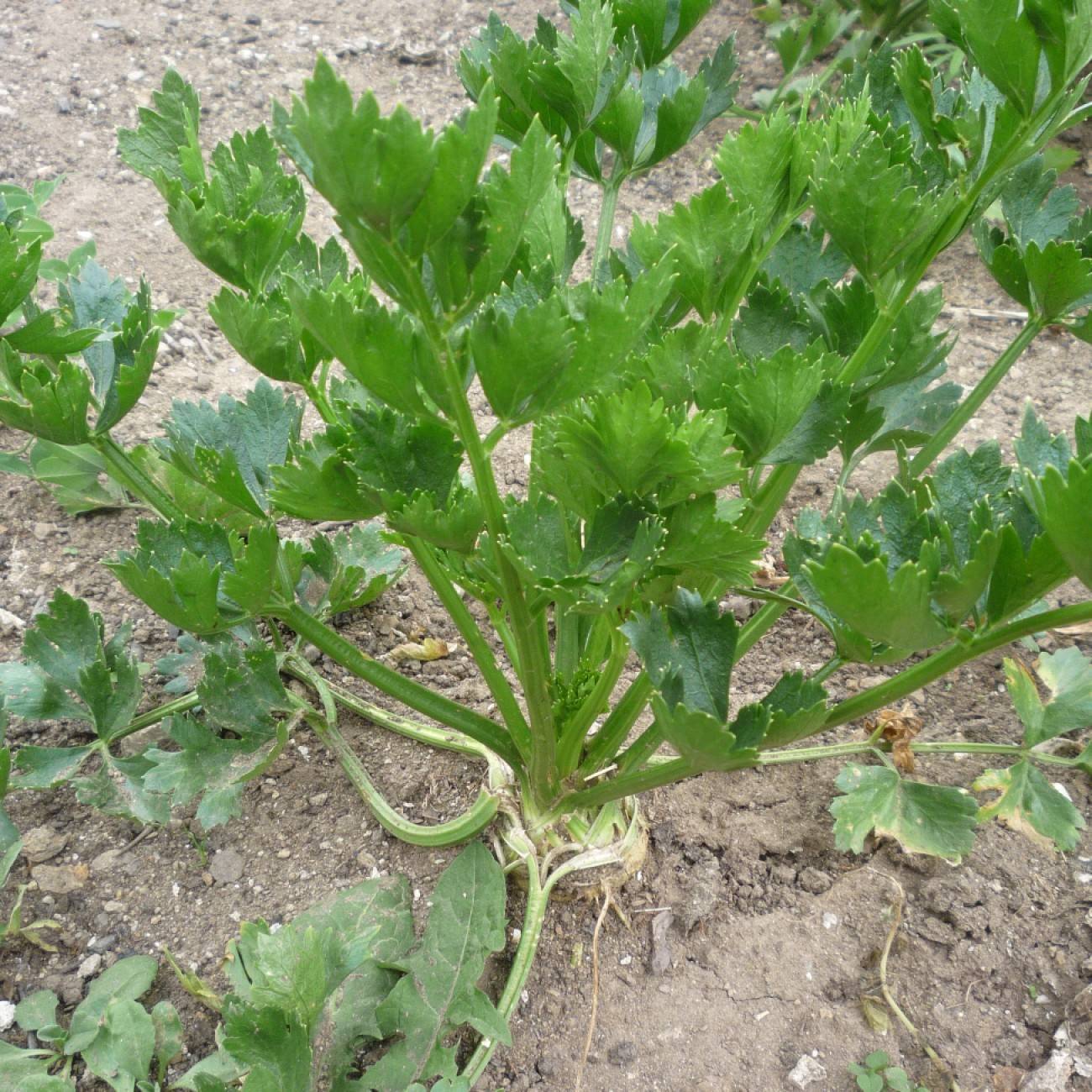
celeriac
Apium graveolens var. rapaceum
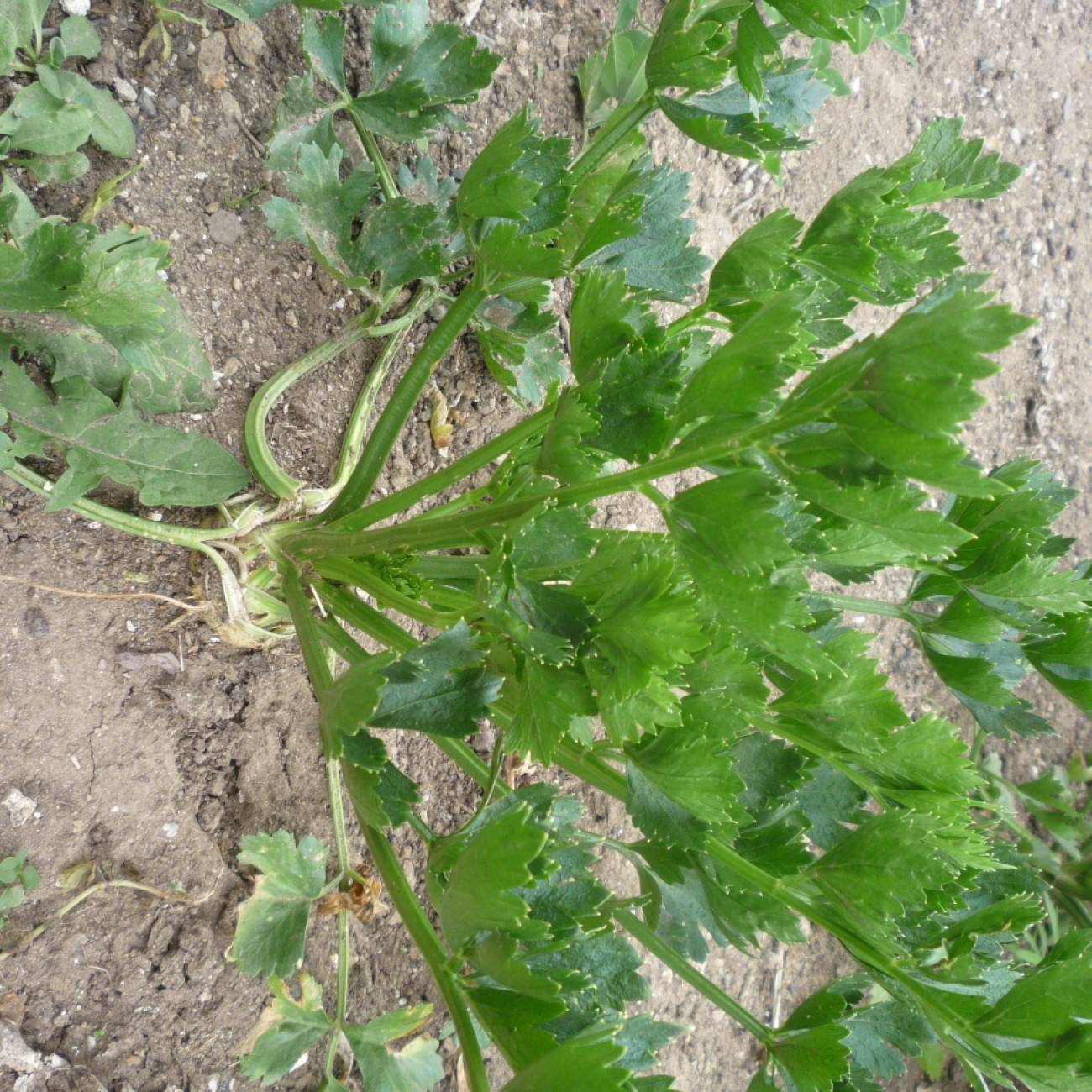
celeriac
Apium graveolens var. rapaceum 'Diamant'
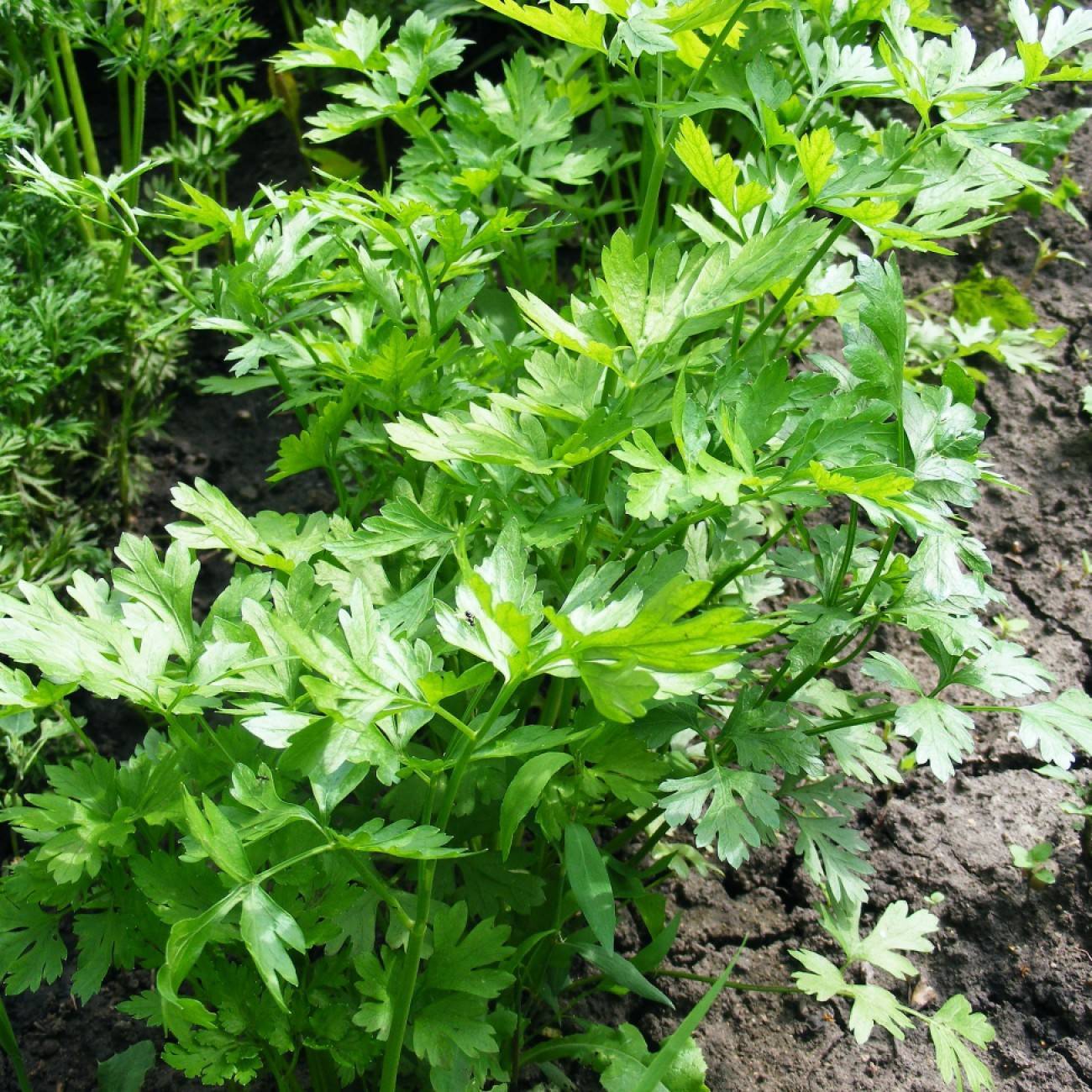
celery
Apium graveolens var. dulce