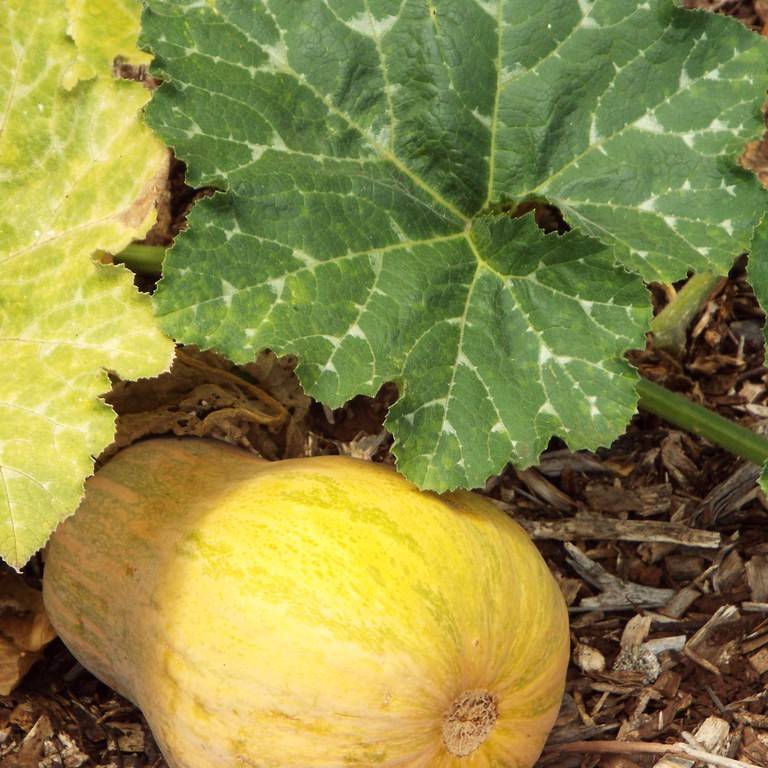
winter squash
Cucurbita moschata
Overview
Winter squash, also known as Cucurbita moschata, is an amazing plant species that is perfect for winter recipes. It is an incredibly versatile vegetable that can provide a range of rich, earthy flavors. It is also very nutritious, providing many essential vitamins and minerals. This squash is easy to store, making it an ideal choice for winter dishes. What’s more, it can last a long time in storage because of its tough skin. Winter squash is incredibly versatile and can be used in a variety of ways, from purees and soups to baked, steamed, or roasted dishes. Plus, its sweet flavor is a great complement to savory recipes like chili and casseroles. Winter squash is truly a great addition to the winter pantry.
Care Guide
Watering
Winter squash should be watered deeply and thoroughly once a week during the growing season. This is especially true during the hottest weeks of the summer. Make sure to check the soil before watering. The soil should feel dry an inch (2.5 cm) below the surface before watering again. During the summer, the squash should be watered with 1 to 1.5 inches (2.5 to 3.8 cm) of water each week. In the autumn, the plant should receive less water, about an inch (2.5 cm) every 10 to 14 days.
Light
Winter squash (Cucurbita moschata) prefers full sun for optimal growth. It requires 8 to 10 hours of sun each day for optimal health, but can tolerate a few hours less. It is generally best to provide the winter squash with full sun during the morning and then afternoon shade after midday. This ensures the winter squash will get the sunlight it needs without burning, since midday sun can be too intense for some plants.
Temperature
Hardiness zone 2–11.
Pruning
Winter squash (Cucurbita moschata) should be pruned back when the vines are about 3-4 feet long. They should be pruned back to about 2-3 feet. Pruning when the vines have reached their maximum length will help keep them from sprawling and making the plant top-heavy. Pruning should be done in early summer and again late in the season when it is time to harvest your winter squash. Once harvested, the entire vine should be cut back to 6” to help prevent disease and ensure the health of the plant.
Propagation
Seed Propagation, Cutting, Grafting Propagation, Layering Propagation, Division
Related plants
Other plants you might like if you grow winter squash.
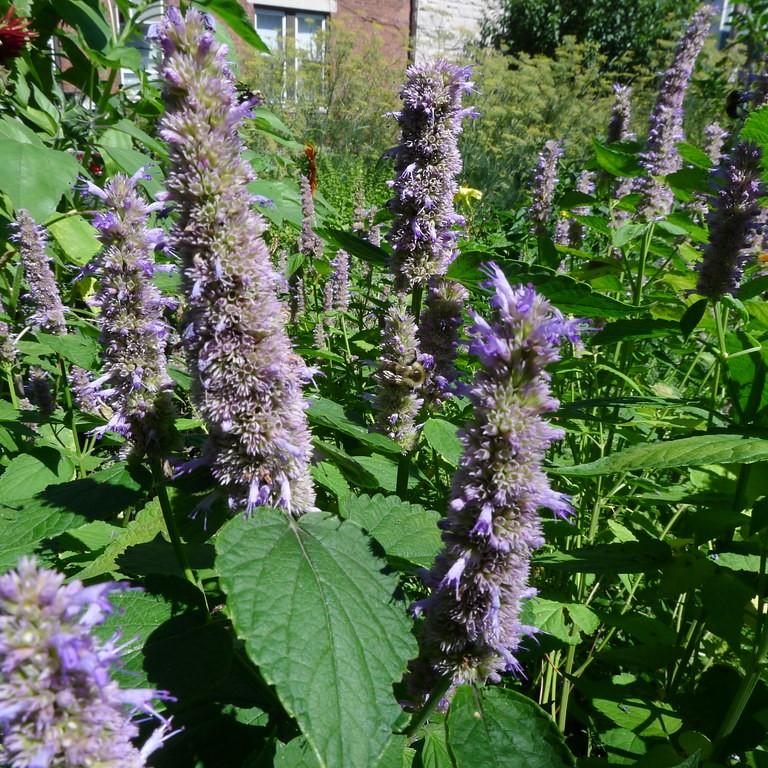
anise hyssop
Agastache foeniculum
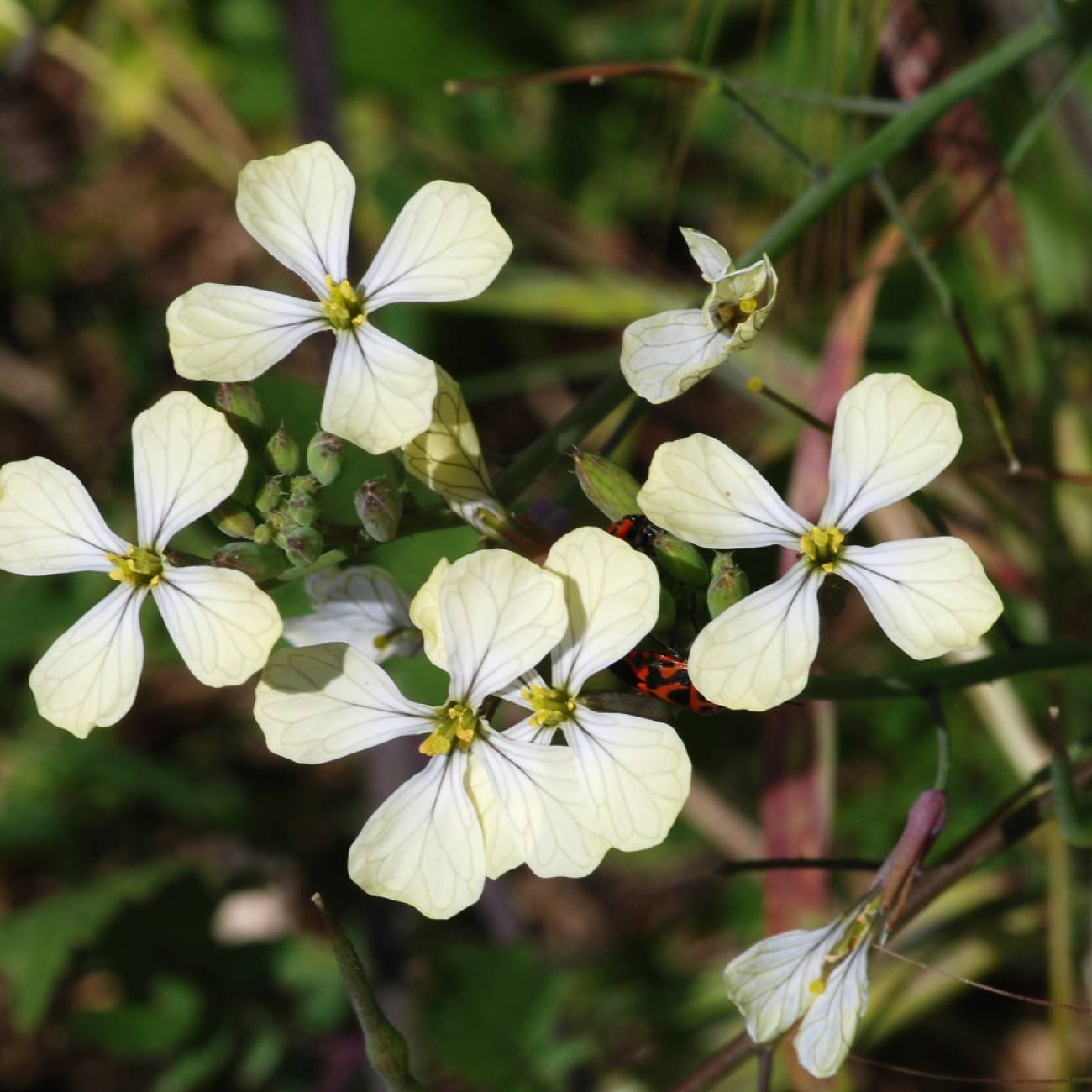
arugula
Eruca versicaria subsp. sativa
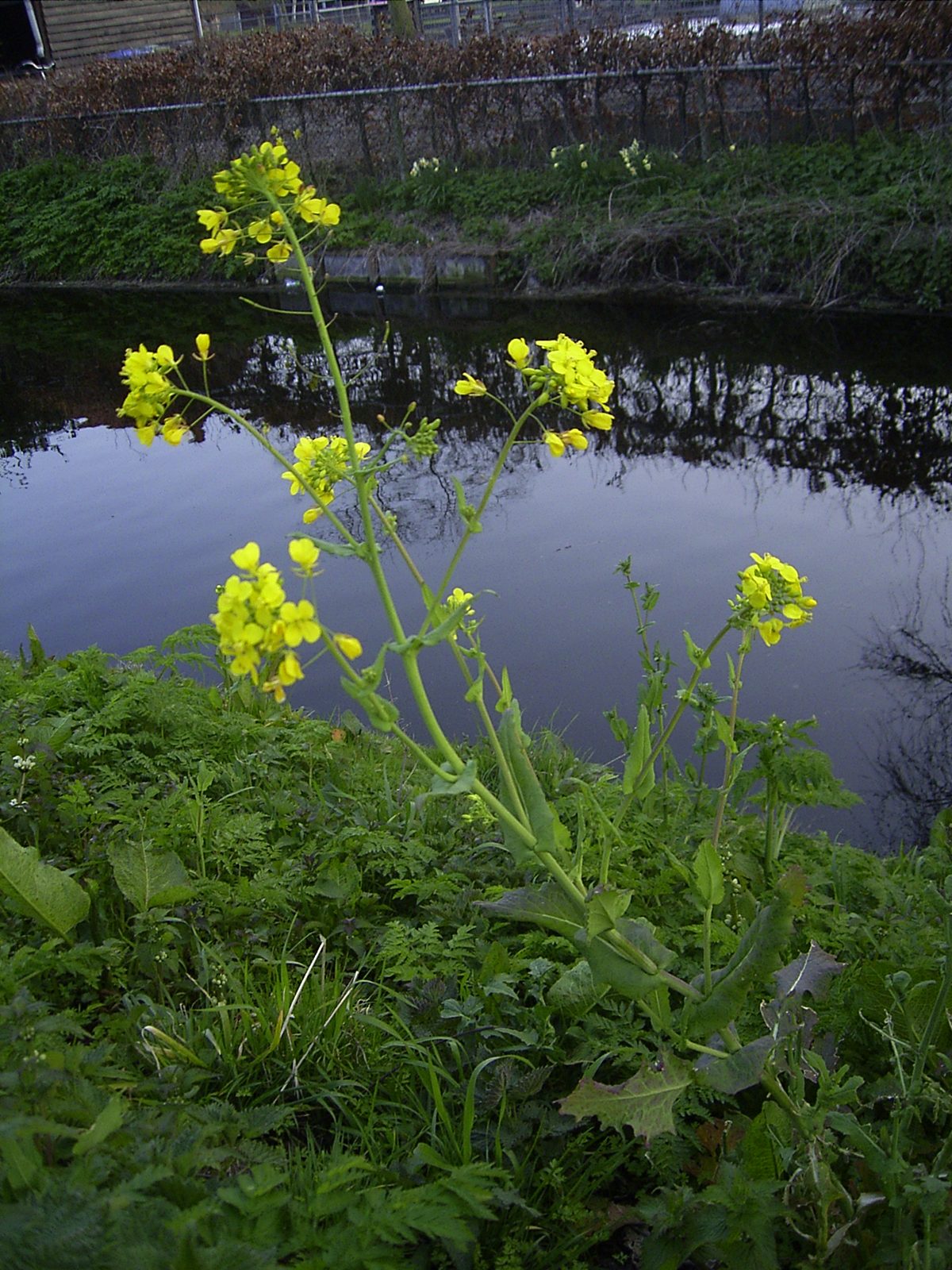
broccoli raab
Brassica rapa (Ruva Group)
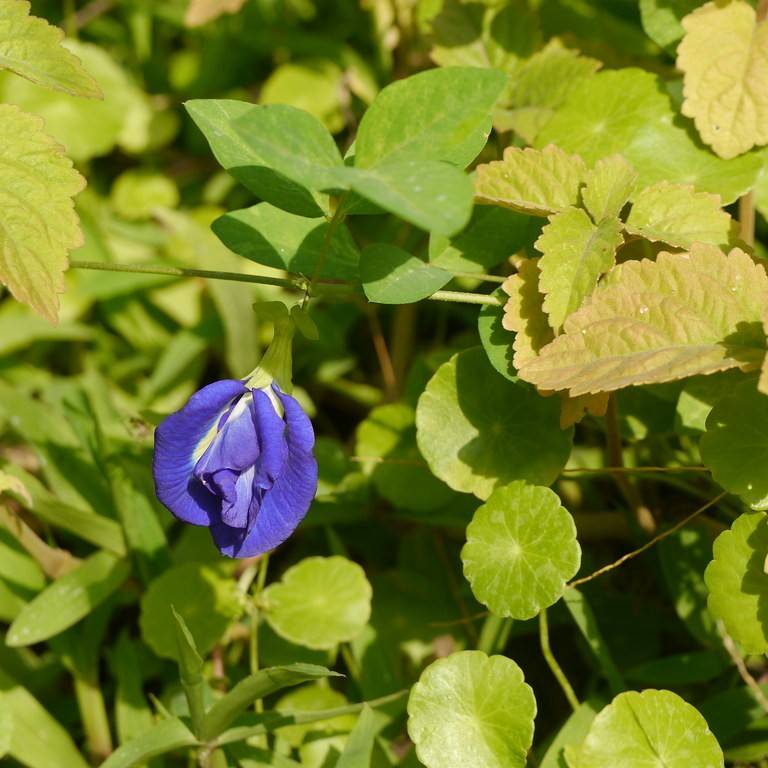
butterfly pea
Clitoria ternatea
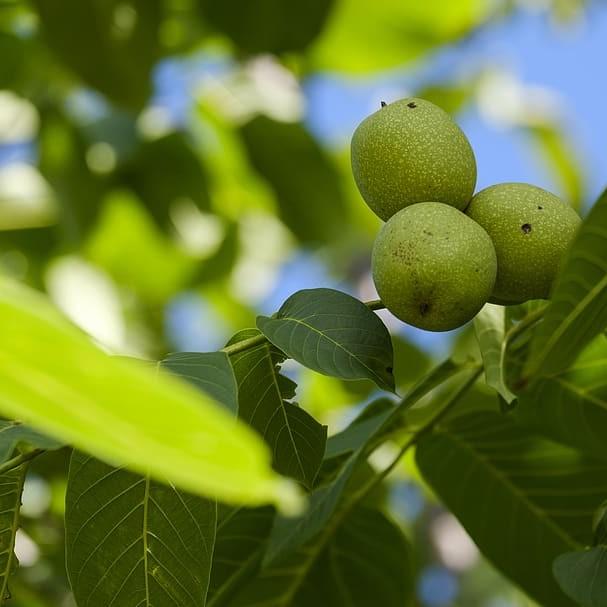
Carpathian English Walnut
Juglans regia 'Carpathian'
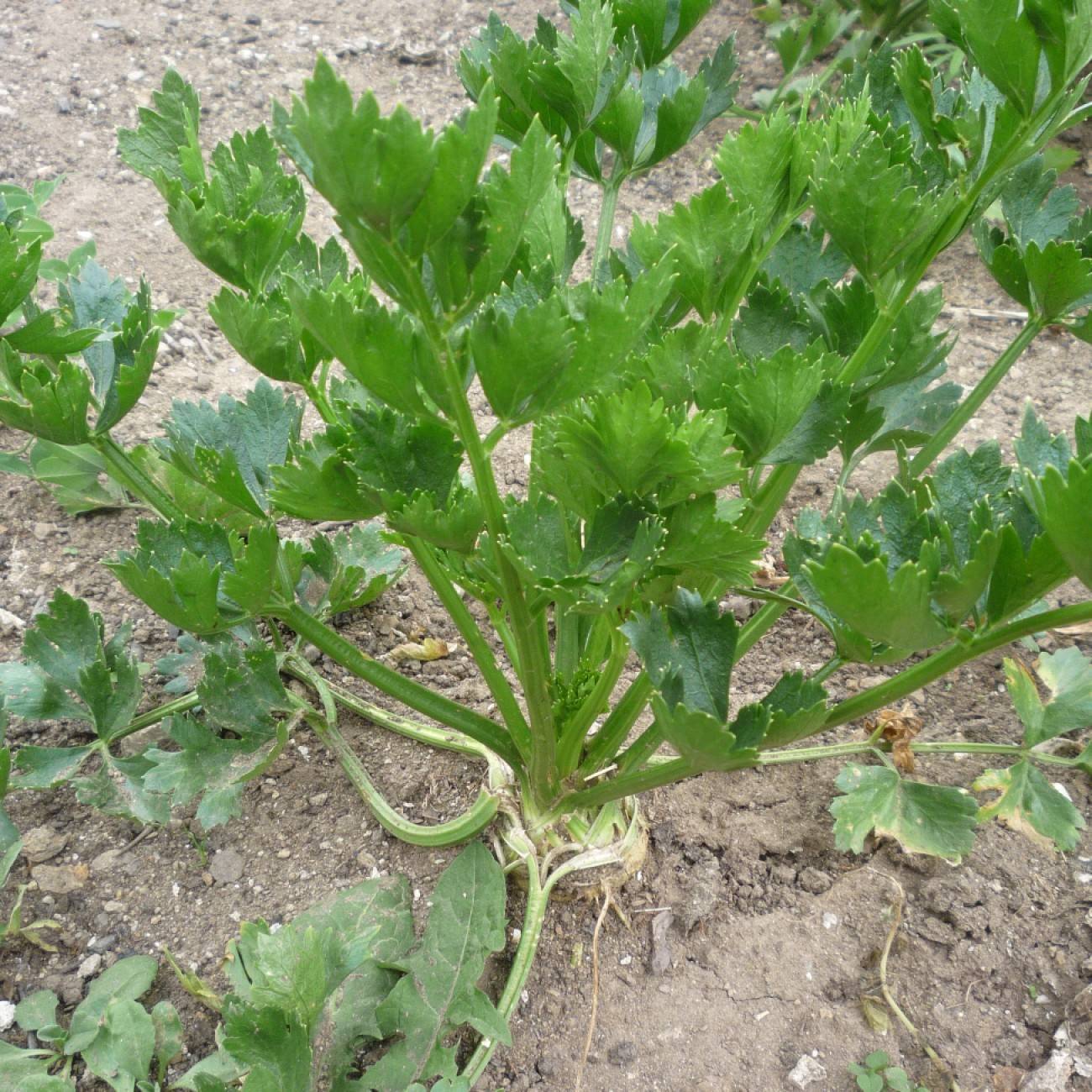
celeriac
Apium graveolens var. rapaceum
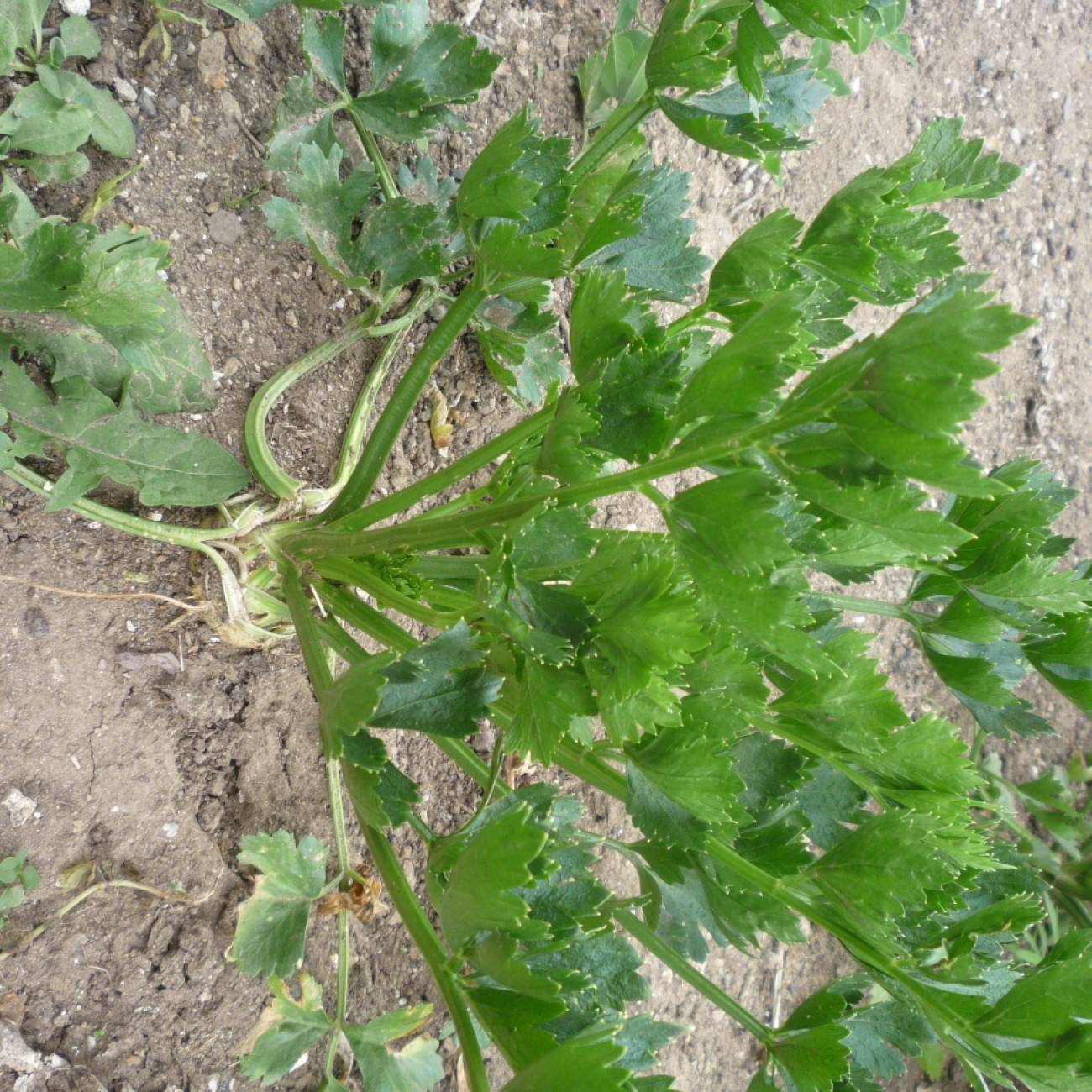
celeriac
Apium graveolens var. rapaceum 'Diamant'
celery
Apium graveolens var. dulce