yarrow
Achillea millefolium 'Pomegranate'
Overview
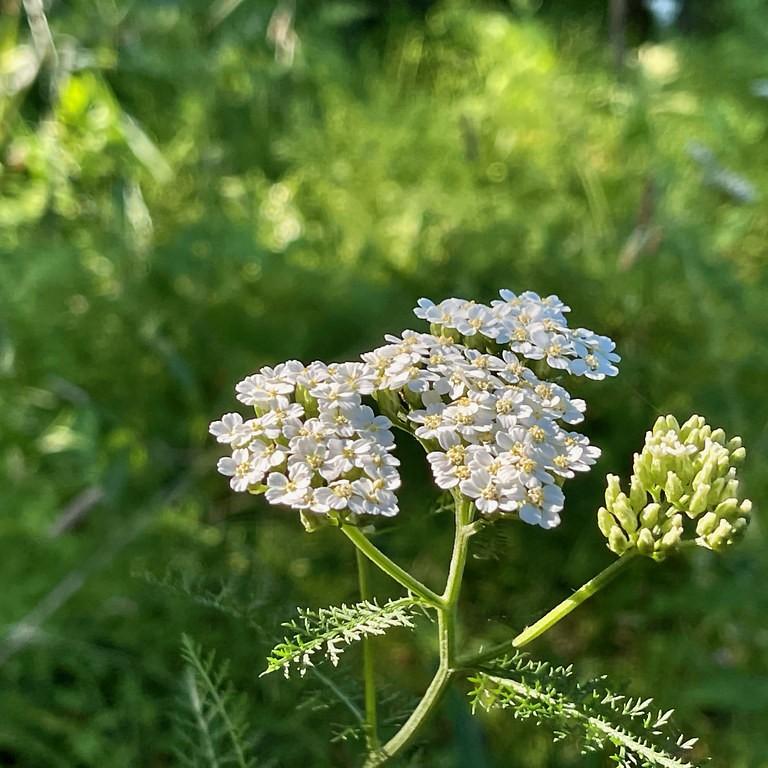
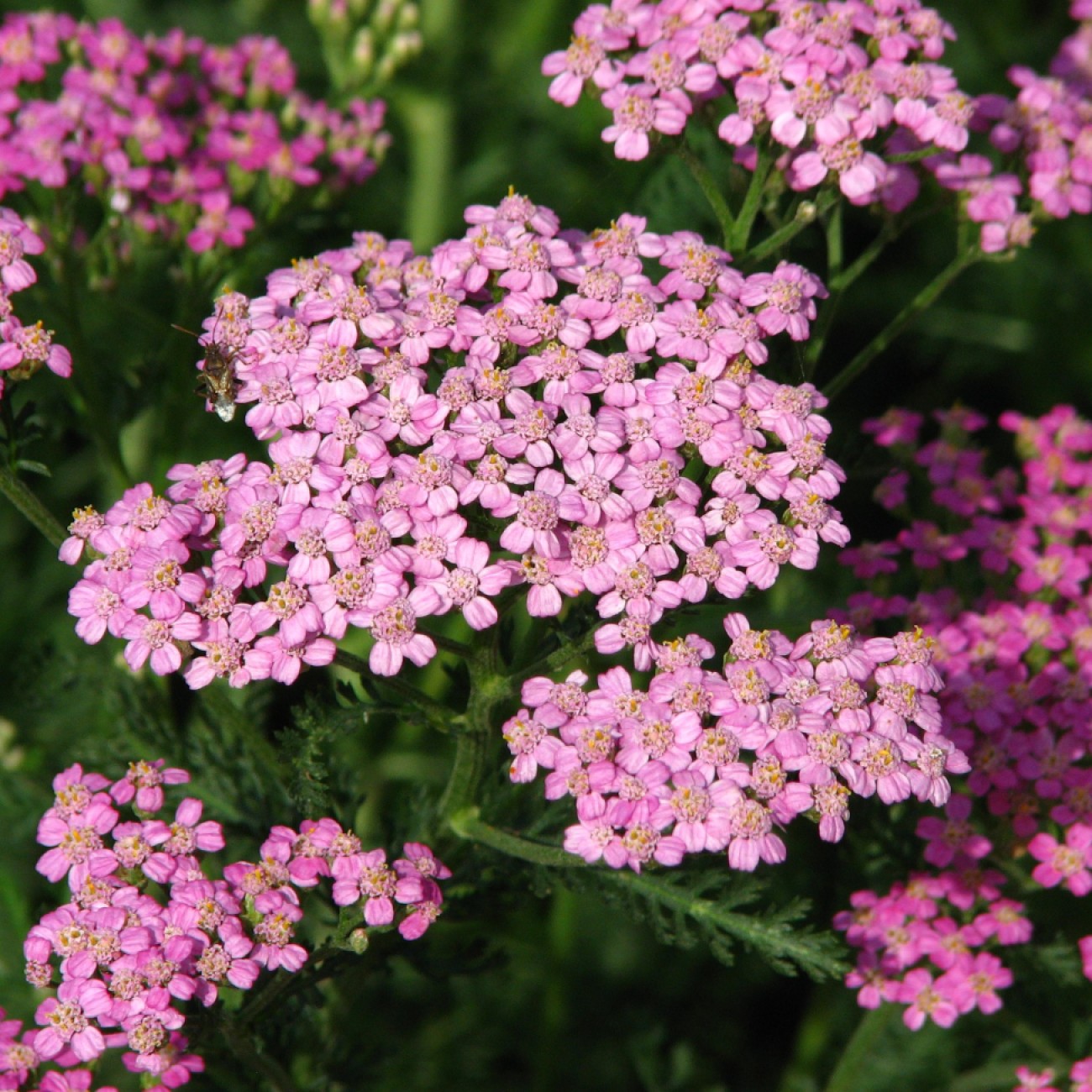
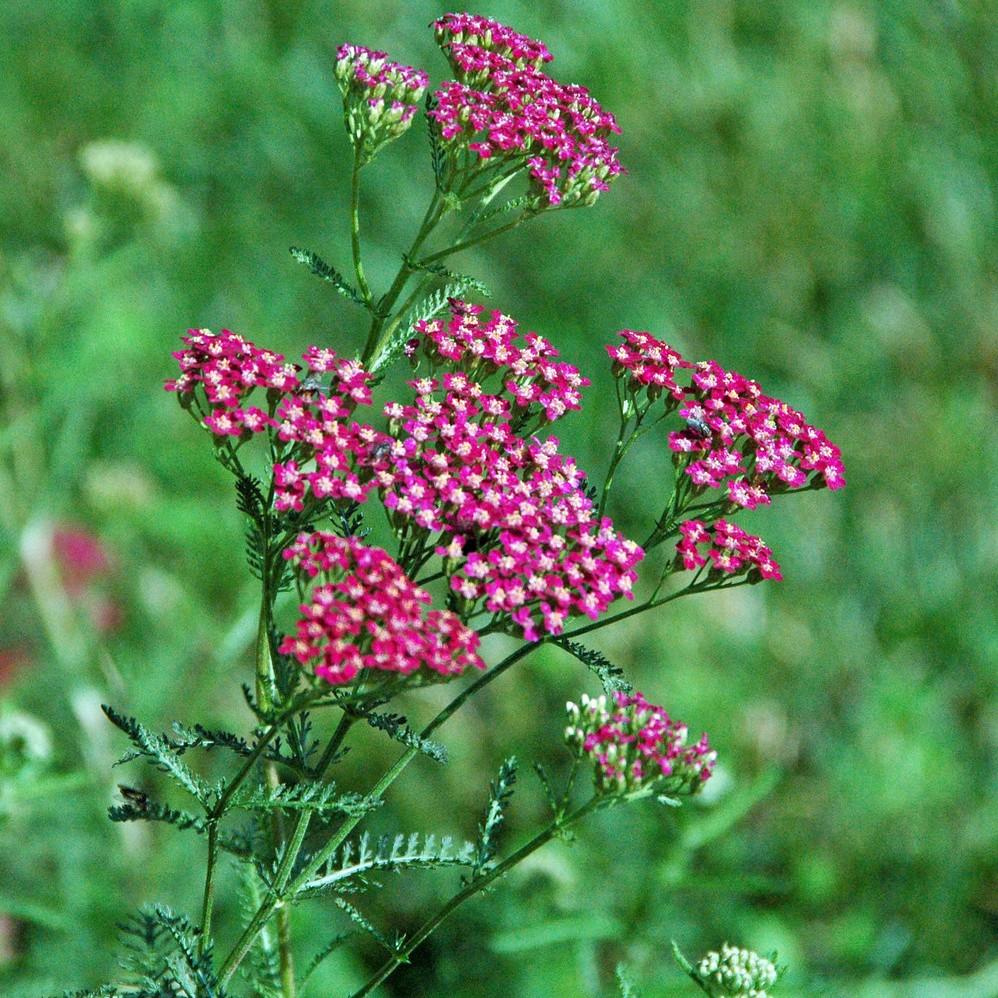
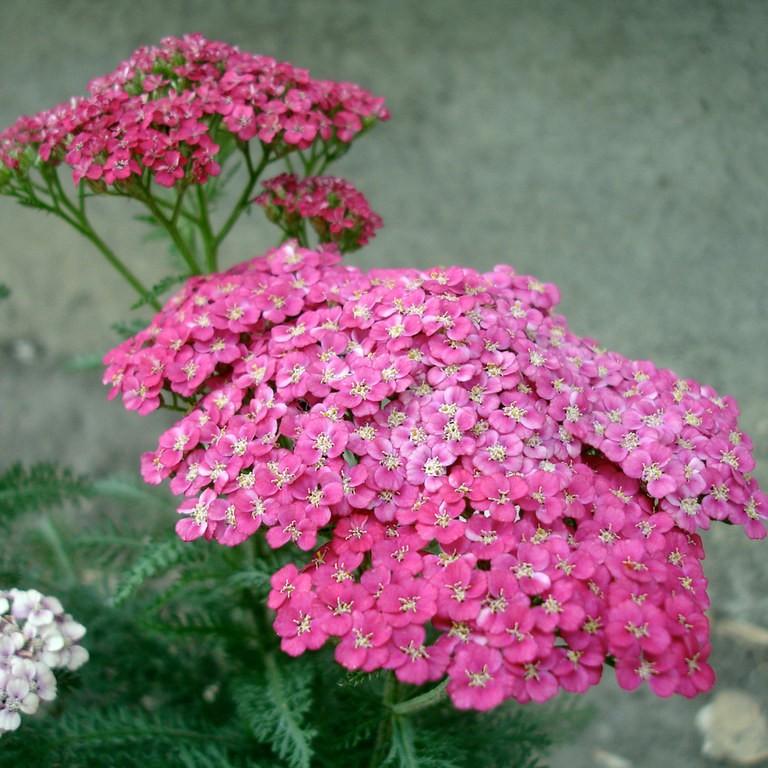
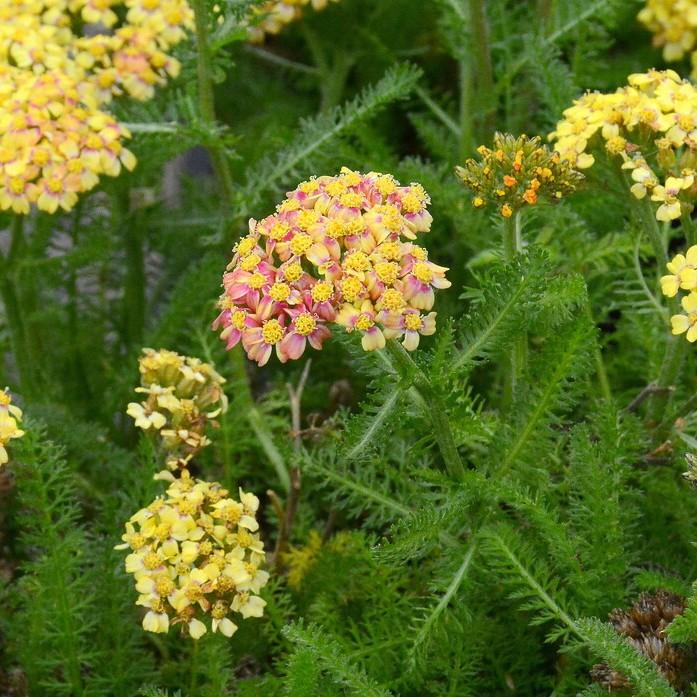
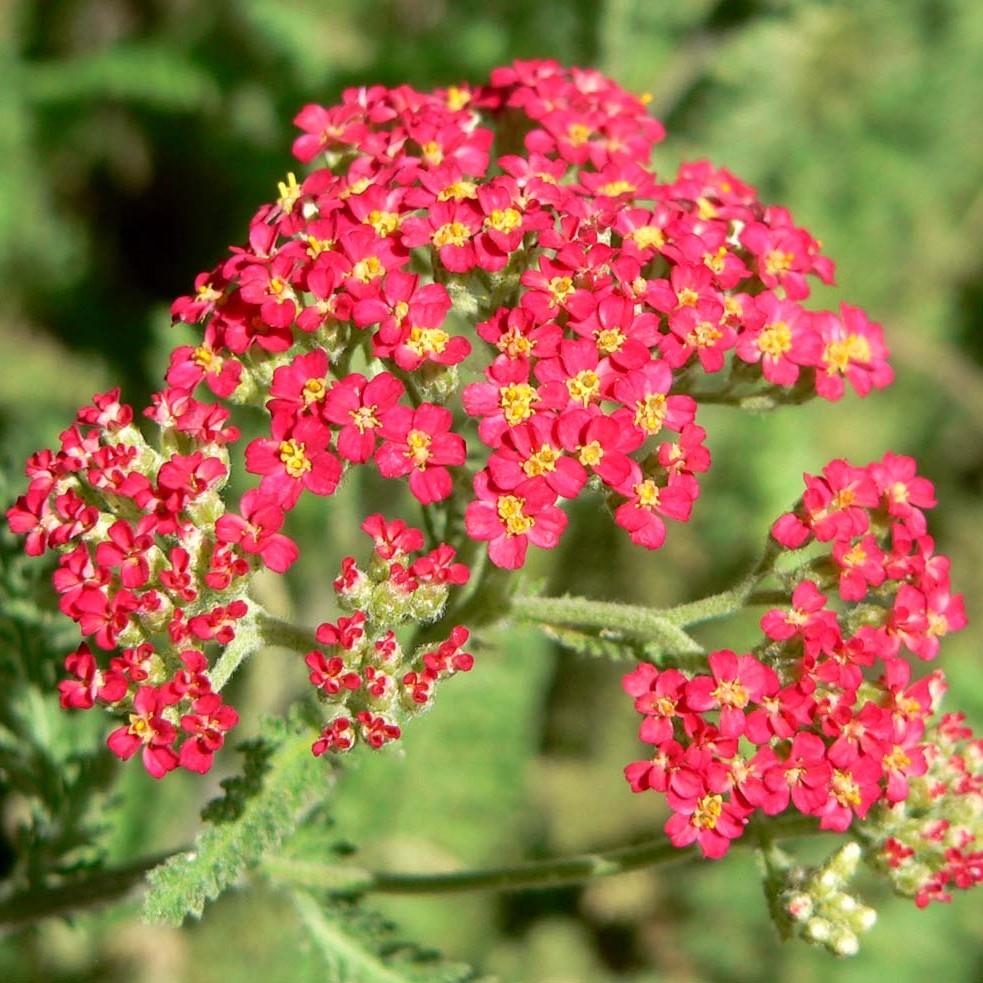
Yarrow (Achillea millefolium 'Pomegranate') is an amazing plant species with a unique look. Its attractive foliage and blossom heads makes it an eye-catching addition to any garden. Its colorful salmon-pink flowers with serrated petals provide an interesting and vibrant flower display. Its leaves are feathery with a deep green color and a distinctive aroma. Its tough and hardy nature makes it a resilient and reliable choice for a garden. It is also renowned for being a beneficial plant, with its flowers attracting beneficial insects, while its leaves can be used in herbal remedies. The combination of its beautiful look, resilience and usefulness makes yarrow an ideal addition to any garden.
Care Guide
Watering
Yarrow (Achillea millefolium 'Pomegranate') prefers consistently moist soil, so it should be watered as soon as the soil feels dry to the touch. Depending on its position and drainage, it may need to be watered as often as every other day during the hottest months. Avoid overwatering by allowing the top few inches of soil to dry before watering again. During the cooler months, water yarrow at least once or twice a week.
Light
Yarrow (Achillea millefolium 'Pomegranate) requires a minimum of 6 hours of direct sunlight each day, but can tolerate up to 8 hours of direct sunlight for optimal growth and flowering. The sunlight should be evenly distributed throughout the day for best results, and not all at once. Yarrow does not do well in full shade or partial shade, and the more sunlight it receives, the healthier it will be. The sunlight should be direct, and not filtered through a window, as this could hamper or even prevent flowering.
Soil
Sandy Loamy Clay
Temperature
Hardiness zone 3–9.
Pruning
Pruning is essential for the health and growth of yarrow (Achillea millefolium 'Pomegranate'). Pruning should be done in early spring, before new growth appears. In general, the entire plant should be cut back a third of its total height in order to encourage fresh growth. The clumps can also be divided and replanted at this time. Deadheading or cutting off the spent flowers will also help keep the plant looking neat and promote reblooming.
Propagation
Seed Propagation
Uses & Symbolism
Attracts: Butterflies.
Diseases & Pests
Common pests: Mildew, Rust, Pest resistant, Deer resistant, Rabbit resistant, Drought resistant .
Related plants
Other plants you might like if you grow yarrow.