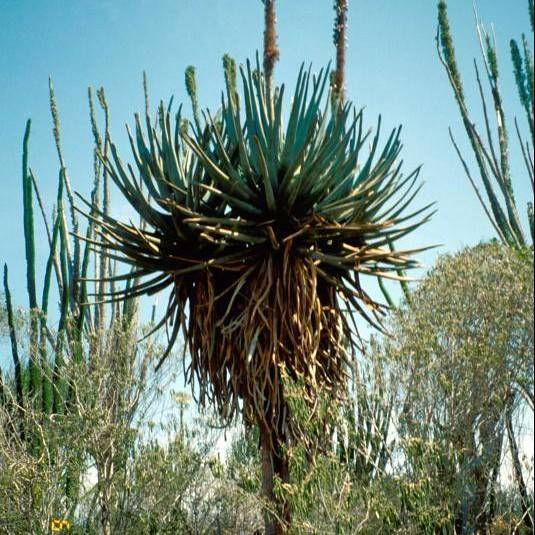
aloe
Aloe suzannae
Overview
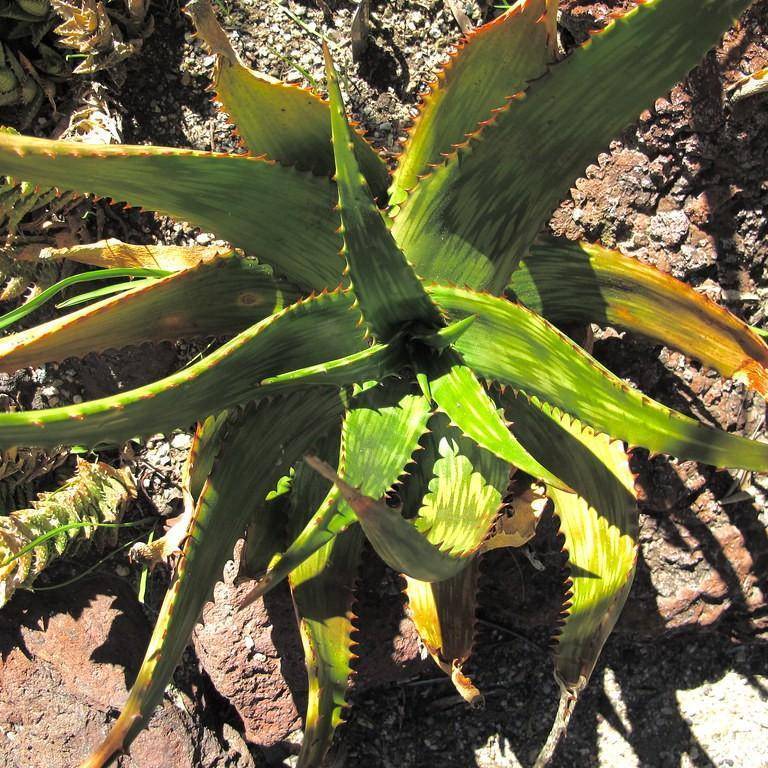
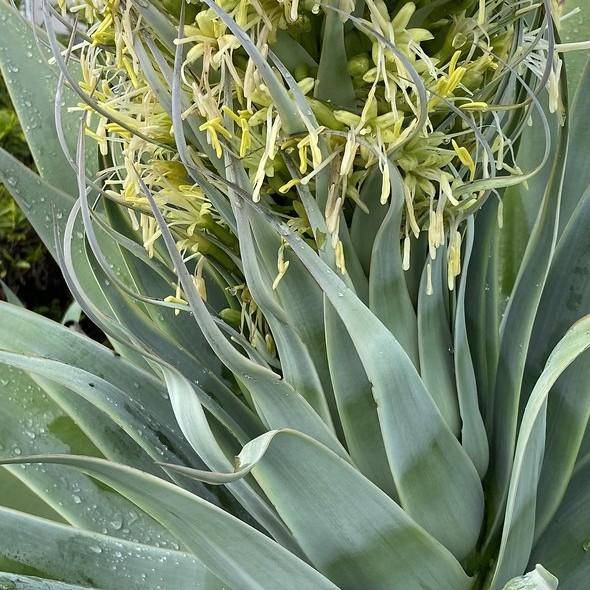
Aloe suzannae, otherwise known as 'pocket aloe', is an amazing plant species. It is native to Namibia and South Africa, with its unique spikey leaves forming a rosette shape. It is well known for its health benefits and its resilience when it comes to droughts. It loves the sun and can survive in a variety of conditions, requiring minimal care. Its beautiful orange-yellow flowers appear in summer, adding an extra special touch. Aloe susannae is an amazing addition to any garden, adding a vibrant and colourful touch.
Care Guide
Watering
Water Aloe suzannae no more than once every 2 weeks, using approximately 1/2 gallon of water per plant. This should be done in the morning before the sun comes out, to avoid root rot due to over-watering. During the hottest summer months, water approximately once a month, but increase the amount of water slightly. Additionally, always make sure that the soil is barely moist. If you water more often, only give a very small amount of water each time. Over-watering is the most common cause for Aloe Suzannae dying, so watch carefully for signs of overwatering, such as stunted growth and wilting.
Light
Aloe suzannae needs direct sunlight for about 5-6 hours per day. It should receive the sun's light in the morning and then again in the afternoon. The best location for an aloe suzannae plant is a spot that gets full sun in the morning and partial shade in the afternoon. Be aware that this plant should not be placed in direct, intense midday sunlight. Too much sunlight can cause the leaves to become scorched and discolored.
Temperature
Hardiness zone 9–11.
Pruning
Pruning for aloe (Aloe suzannae) should be done at least once a year in early summer. Pruning should involve removal of dead leaves and flowers as well as pinching off any suckers that sprout off of the base of the plant. The aloe should only be pruned as much as necessary to keep the plant looking healthy and to maintain its shape.
Propagation
Offsets, Leaf Cutting, Seed Propagation, Division
Related plants
Other plants you might like if you grow aloe.