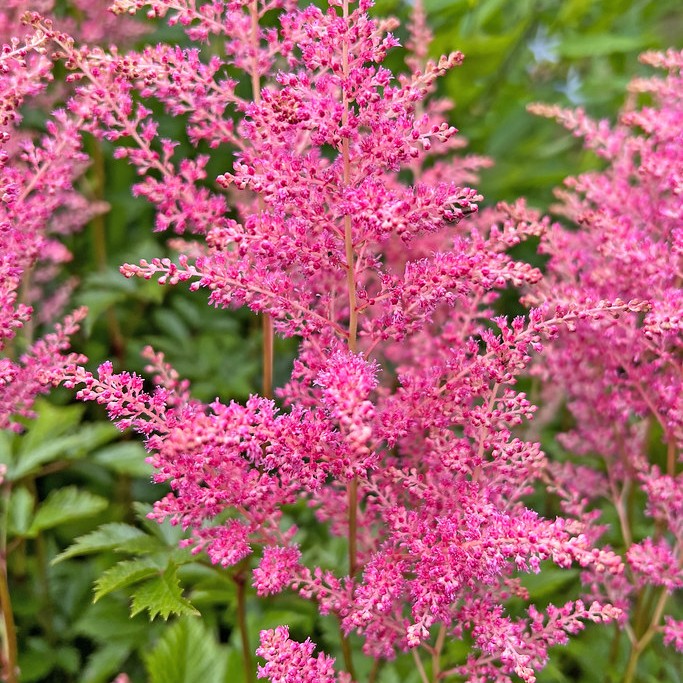
astilbe
Astilbe arendsii 'Rote Cattleya' RED CATTLEYA
Overview
Astilbe arendsii 'Rote Cattleya' RED CATTLEYA is an amazing plant species! It features vibrant rose-red blooms that attract butterflies and hummingbirds to your garden. Its foliage has a soft texture that adds an elegancy to your landscape. This plant is a good choice for any sunny to partially shaded area and grows best in moist, organically rich soils. In addition, Astilbe arendsii 'Rote Cattleya' RED CATTLEYA is a low maintenance option that provides beautiful, resilient blooms. It is also highly deer-resistant, making it ideal for any garden. With its showy colorful blooms, this plant species adds dynamic beauty and texture to any outdoor space.
Care Guide
Watering
Astilbe arendsii 'Rote Cattleya' RED CATTLEYA should be watered 1-2 times per week during the summer. In the cooler months, water only once every 10-14 days. In addition, make sure the soil is consistently moist - not wet or dry - as too much or too little water can cause the plant to wilt or suffer from root rot. Keep an eye on the leaves to gauge when to water next; when the needles start to curl or the leaves start looking dull, it’s a sign that it’s time to give it a drink. Ensure that no runoff occurs, as soggy soil can lead to root rot.
Light
Astilbe 'Rote Cattleya' RED CATTLEYA prefers at least 4 hours of bright, filtered light a day, and ideally should be grown in dappled sunlight or partially shaded locations. However, too much direct sun will cause the plants to scorch and wither. During the summer months, they can benefit from morning sun, but should not have direct sunlight in the afternoon as it may cause the leaves to become discolored or burned.
Temperature
Hardiness zone 4–8.
Pruning
Prune astilbe (Astilbe arendsii 'Rote Cattleya' RED CATTLEYA) in late fall or early spring (November to March). Cut about 1/3 of the previous season's growth back within 1-2 inches of the ground. Cut back any dead, broken, or damaged stems and remove any dead foliage or debris. Pruning in this way will help promote fresh, thicker growth and flowering in the upcoming season.
Propagation
Division, Cutting, Seed Propagation, Layering Propagation
Related plants
Other plants you might like if you grow astilbe.
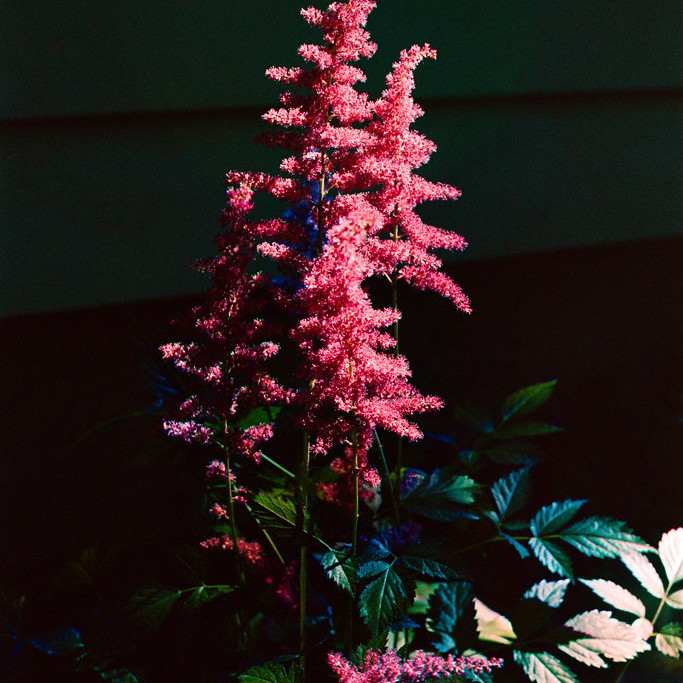
astilbe
Astilbe 'Burgunderrot' BURGUNDY RED
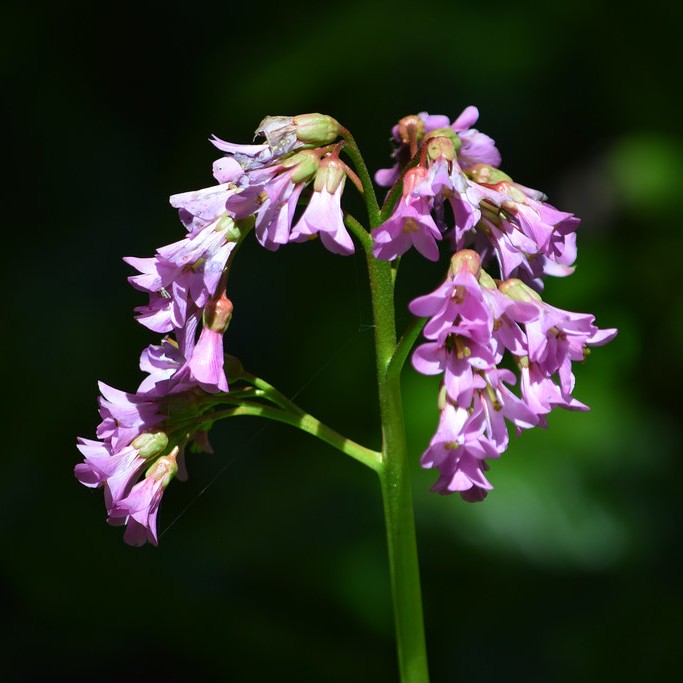
bergenia
Bergenia 'Abendglocken'
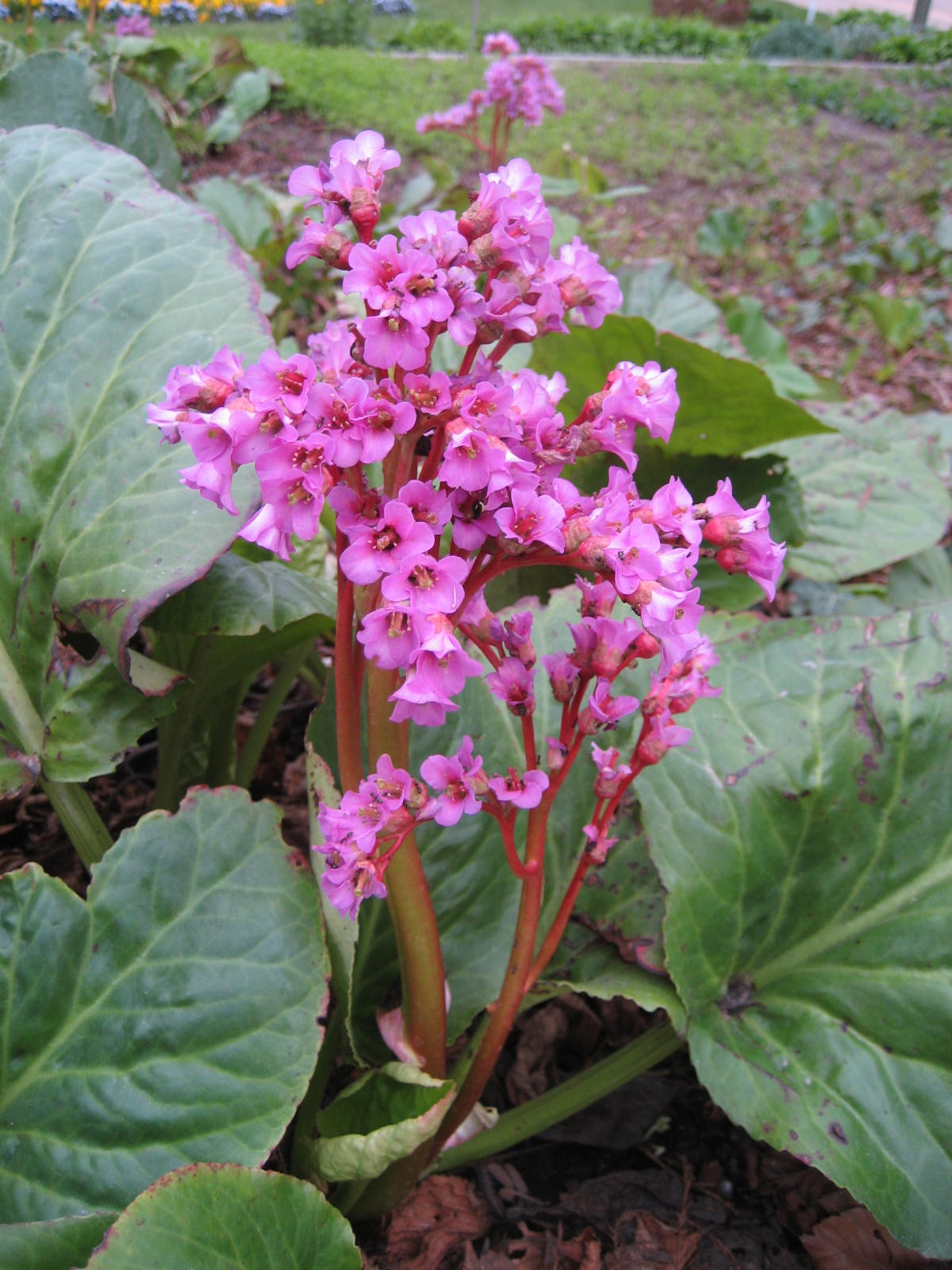
bergenia
Bergenia 'Silberlicht' SILVERLIGHT
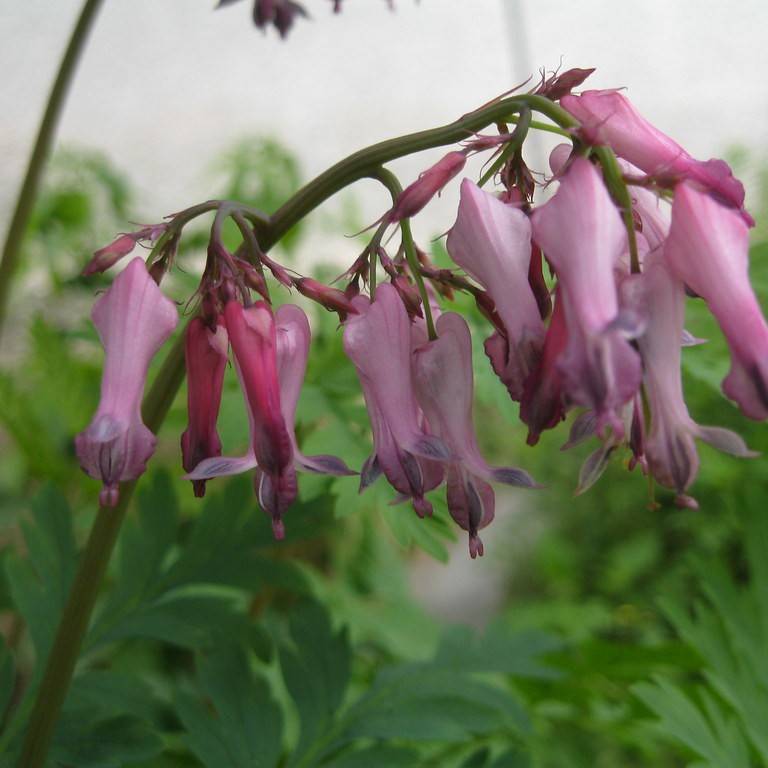
bleeding heart
Dicentra eximia
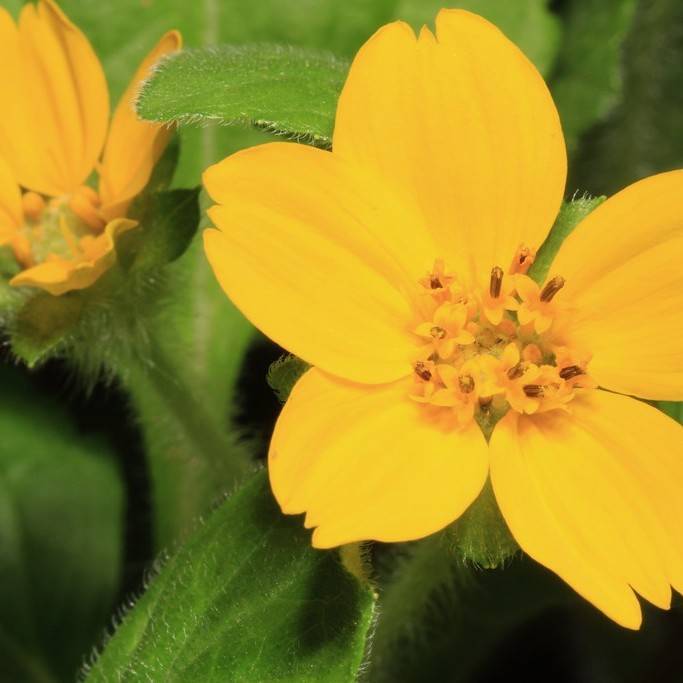
golden knee
Chrysogonum virginianum
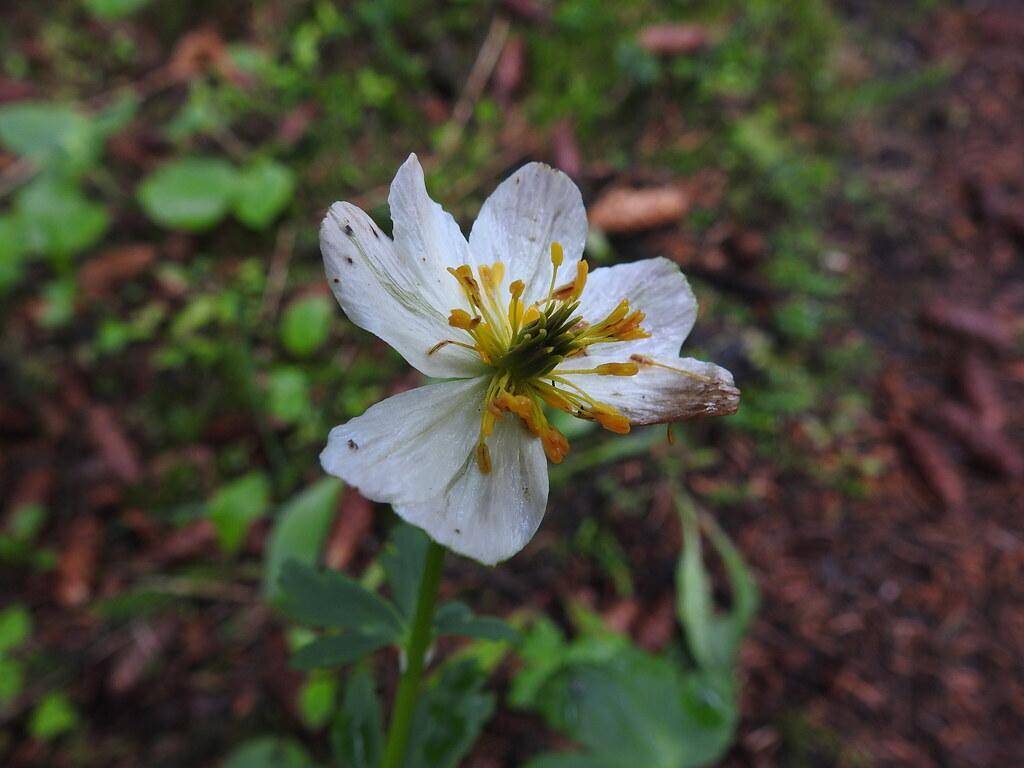
small-flowered anemone
Anemone parviflora
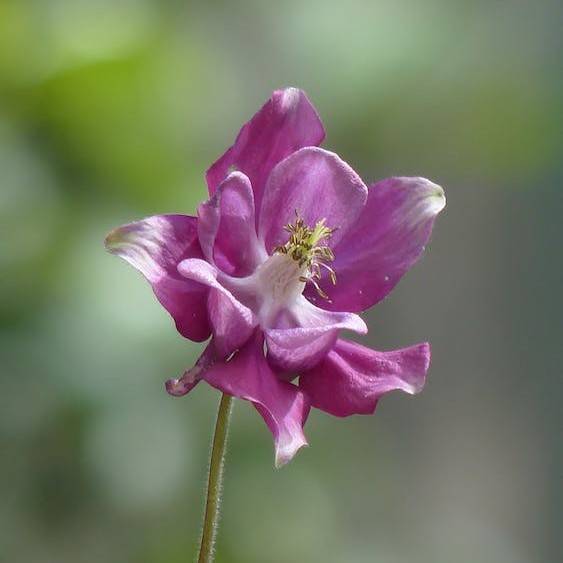
columbine
Aquilegia vulgaris var. flore-pleno 'Blue Bonnet'
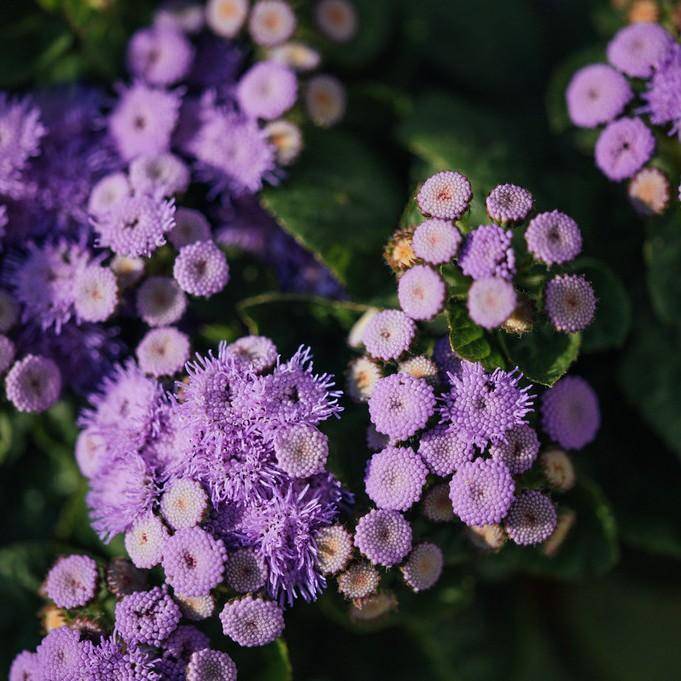
floss flower
Ageratum houstonianum