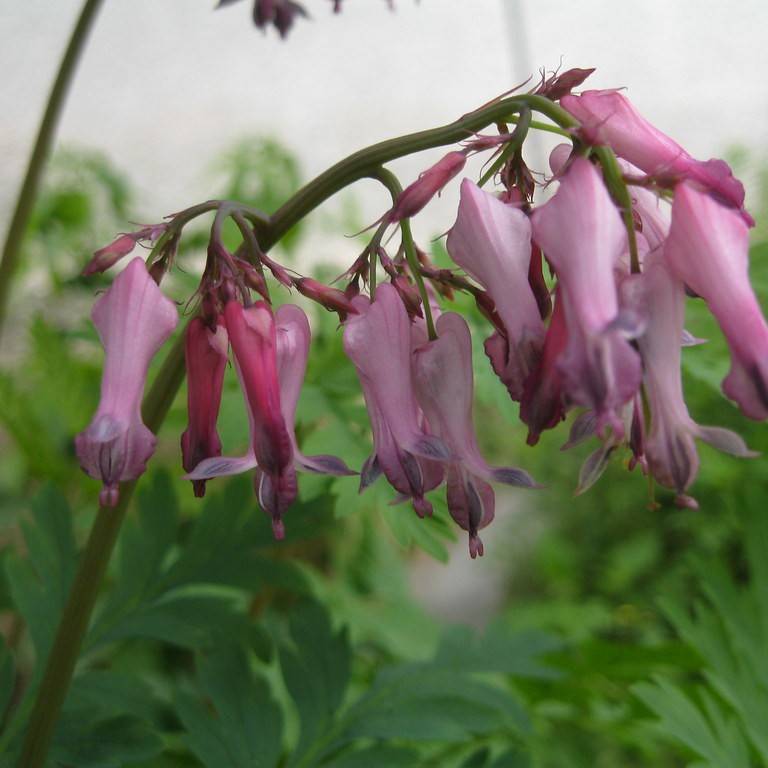
bleeding heart
Dicentra eximia
Overview
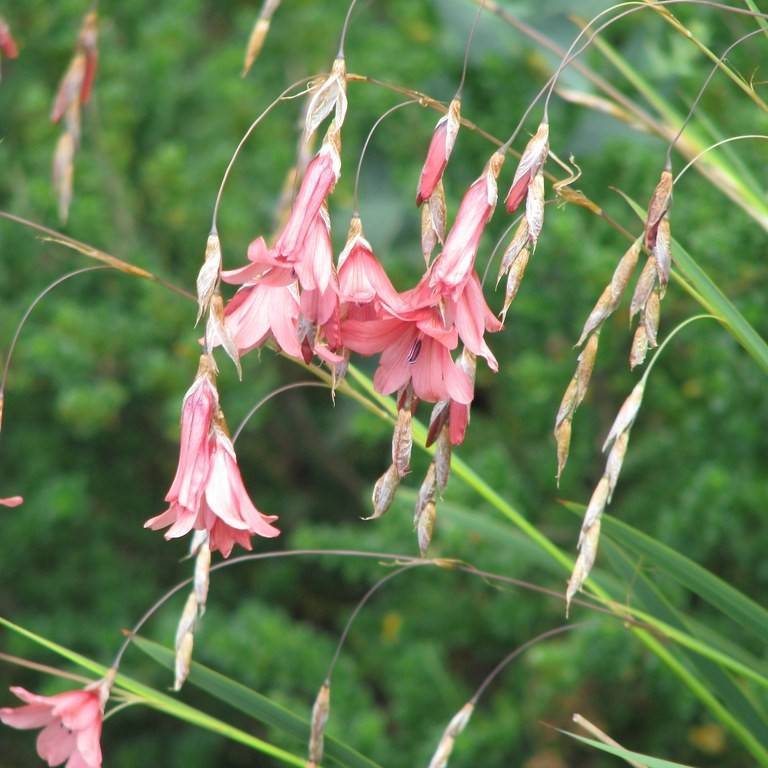
The bleeding heart is one of the most beautiful and unique plants in the world. It is a small clump-forming perennial with delicate, airy foliage and blossoms that resemble drooping hearts. What makes the bleeding heart so amazing is its unique color. The delicate, pink to white blooms often have delicate shades of lavender or yellow. Plus, its delicate foliage adds texture and color to any floral display. The plant is also deer and rabbit resistant, making it an attractive addition to any garden.
Care Guide
Watering
Bleeding heart (Dicentra eximia) should be watered thoroughly, but not too frequently. This plant requires its soil to remain moist but not overly wet. Watering should take place at the base of the plant and be done once every 5-7 days during the growing season to ensure that the soil remains moist. In the fall, when the plant goes dormant, reduce watering frequency and only water if the soil becomes completely dry. During the winter, when the plant is not actively growing, it's best to avoid watering altogether.
Light
Bleeding heart plants should receive 4-6 hours of direct sunlight each day. For best growth and flowering, provide morning sunlight, and avoid intense afternoon sun. If the plant is growing in too much shade, flowering can be diminished. In regions with hot summer days, it's best to provide some afternoon shade to protect the foliage from scorching.
Soil
Well-drained
Temperature
Hardiness zone 3–9.
Pruning
Bleeding Hearts should be pruned once a year, usually in late spring or early summer. Pruning should begin by removing any dead or damaged stems, then snipping off the flowering stems to just above a basal leaf (where the stem meets the leaf). This will keep the plant looking tidy and ensure that dead foliage is removed to maximize the flowering potential. Additionally, the stems can be cut back by 2-3 feet (60-90 cm) late in the season to create fuller foliage growth. Re-pruning of the plant can be done when the new growth is at least 8 inches (20 cm) tall to keep the size and shape of the plant as desired.
Propagation
Division, Cutting, Seed Propagation, Layering Propagation
Diseases & Pests
Common pests: Aphids, adelgids, Pest resistant, Disease resistant, Deer resistant, Rabbit resistant .
Related plants
Other plants you might like if you grow bleeding heart.