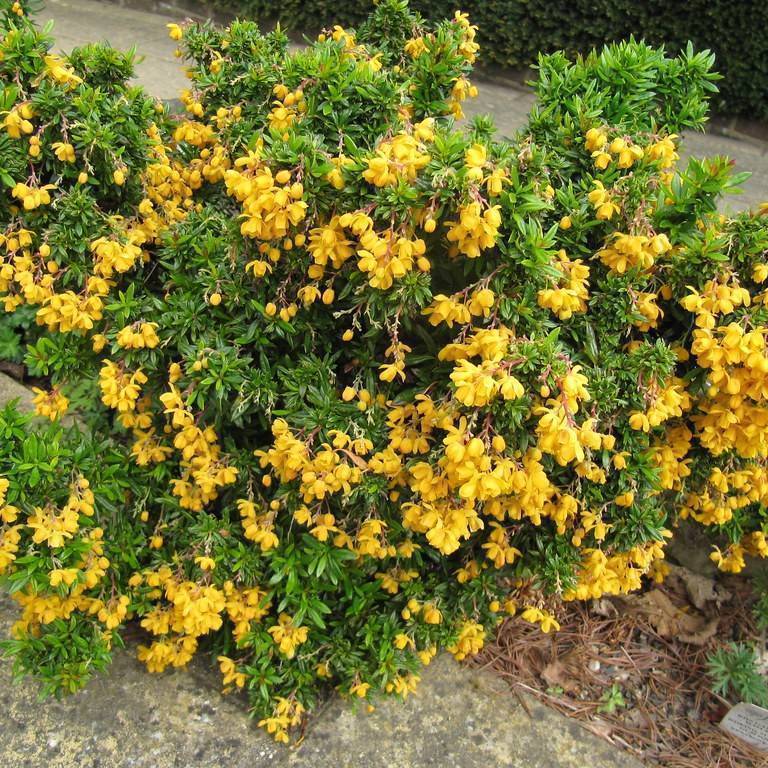
barberry
Berberis stenophylla 'Corallina Compacta'
Overview
Barberry (Berberis stenophylla 'Corallina Compacta') is an amazing shrub worthy of any garden. It boasts fantastic dark-green foliage which, in autumn, turns to warm tones of purple, pink and orange. It grows to a bushy and compact size, reaching 1-2 feet tall, and requires very little maintenance. Its sweet-scented yellow blooms in spring bring a splash of color and its bright red berries attract a variety of birds and insects. Drought-tolerant and pest-resistant, this hardy shrub is great for inexperienced gardeners and perfect for borders, low hedges, rockeries and containers. Inspire your garden with its striking foliage and delightful fragrant flowers.
Care Guide
Watering
Barberry (Berberis stenophylla 'Corallina Compacta') is a drought-tolerant evergreen shrub that should receive an average of 1 inch of water per week. Water the barberry deeply but infrequently. Make sure to water the plant in the morning, so that the foliage has a chance to dry off before nightfall. Allow the soil to dry out between waterings to prevent over-watering, which can cause root and stem rot. During the warm summer months, Barberry may need to be watered more often, or fertilized with a diluted liquid fertilizer. You may also want to protect the plant from intense summer sun by providing partial shade.
Light
Barberry (Berberis stenophylla 'Corallina Compacta') thrives in 6-8 hours of full sun exposure each day, preferably in the morning. During the afternoon, the plant should be shaded or filtered from the sun, as the intense heat of the day can cause leaf burn. Regular sunlight will help the plant grow vigorously, as well as promote healthy flowering.
Temperature
Hardiness zone 6–9.
Pruning
Barberry (Berberis stenophylla 'Corallina Compacta') should be pruned annually in early spring. Pruning should be done before or shortly after new growth appears on the plant. This pruning should remove old, unproductive growth to encourage new growth. It can also be done to remove dead or damaged branches. Pruning should also be done to maintain size and shape, or for a desired aesthetic appearance. In particular, barberry should be cut back to just above the old growth for a tidy, compact shape. Care should be taken to avoid over-pruning as this can inhibit flowering.
Propagation
Cutting, Layering Propagation, Grafting Propagation, Division, Seed Propagation
Related plants
Other plants you might like if you grow barberry.
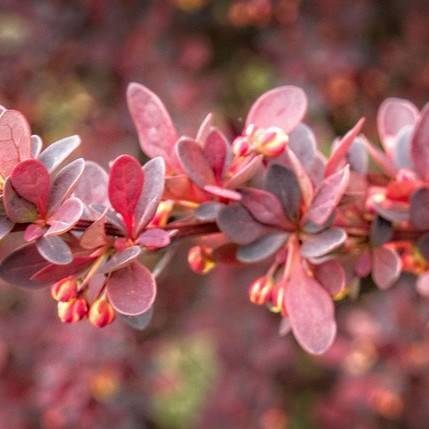
Japanese barberry
Berberis thunbergii
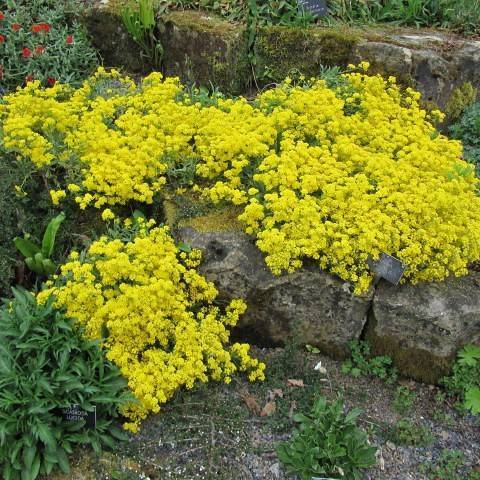
basket of gold
Aurinia saxatilis 'Gold Dust'
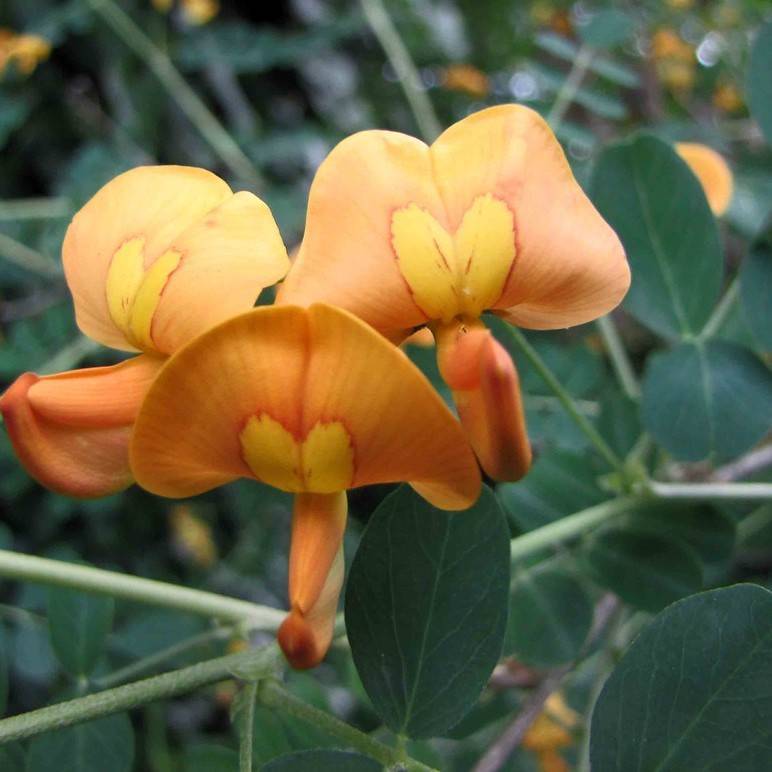
bladder senna
Colutea media
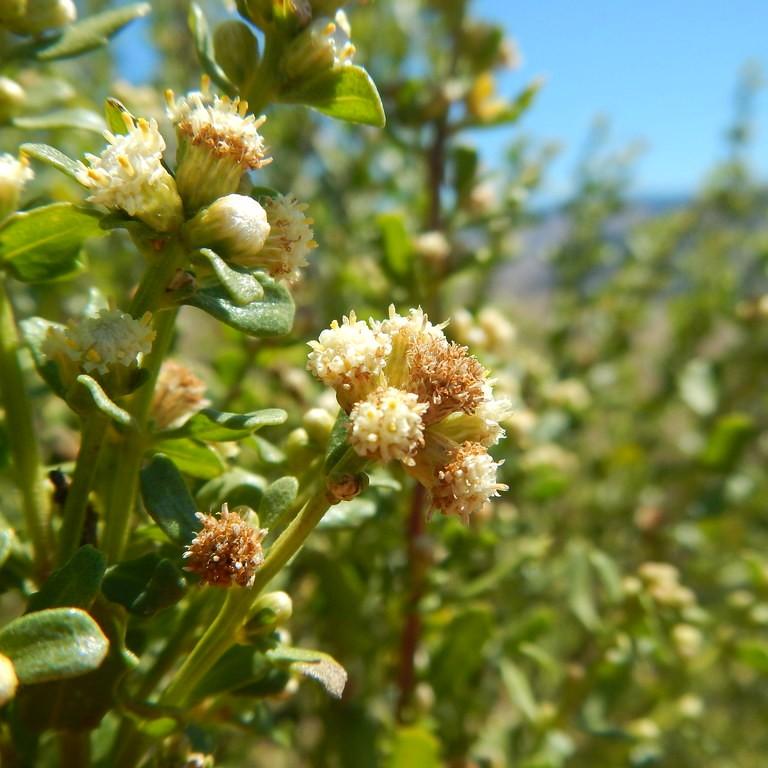
dwarf chapparal-broom
Baccharis pilularis
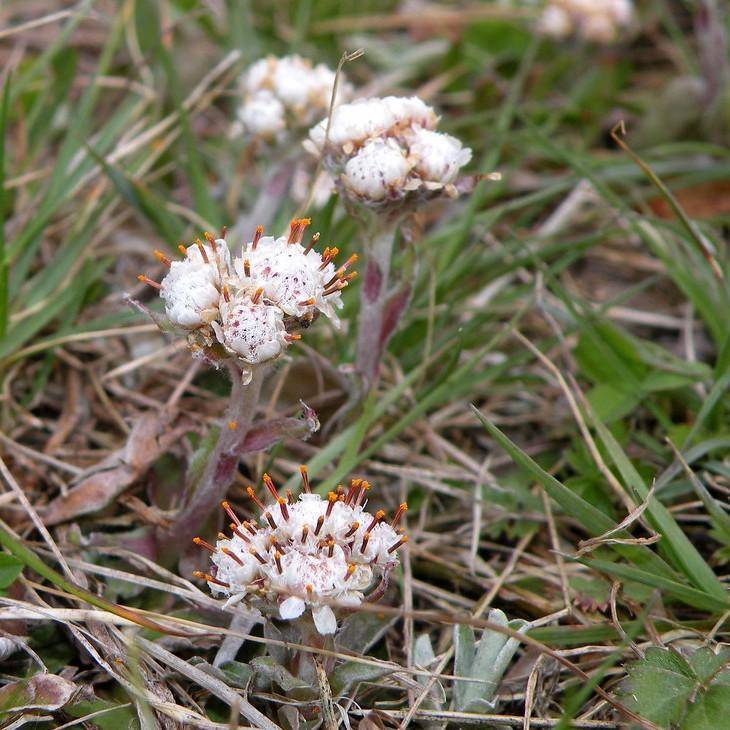
field pussytoes
Antennaria neglecta
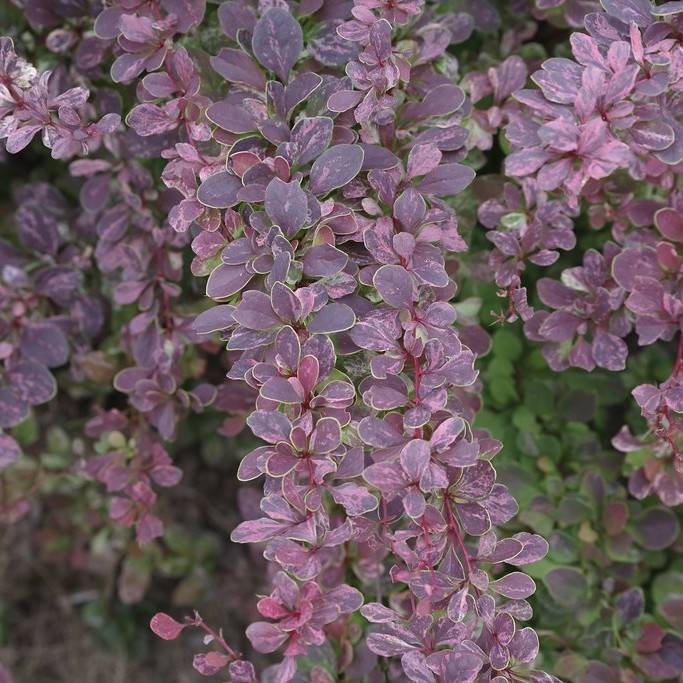
Japanese barberry
Berberis thunbergii f. atropurpurea
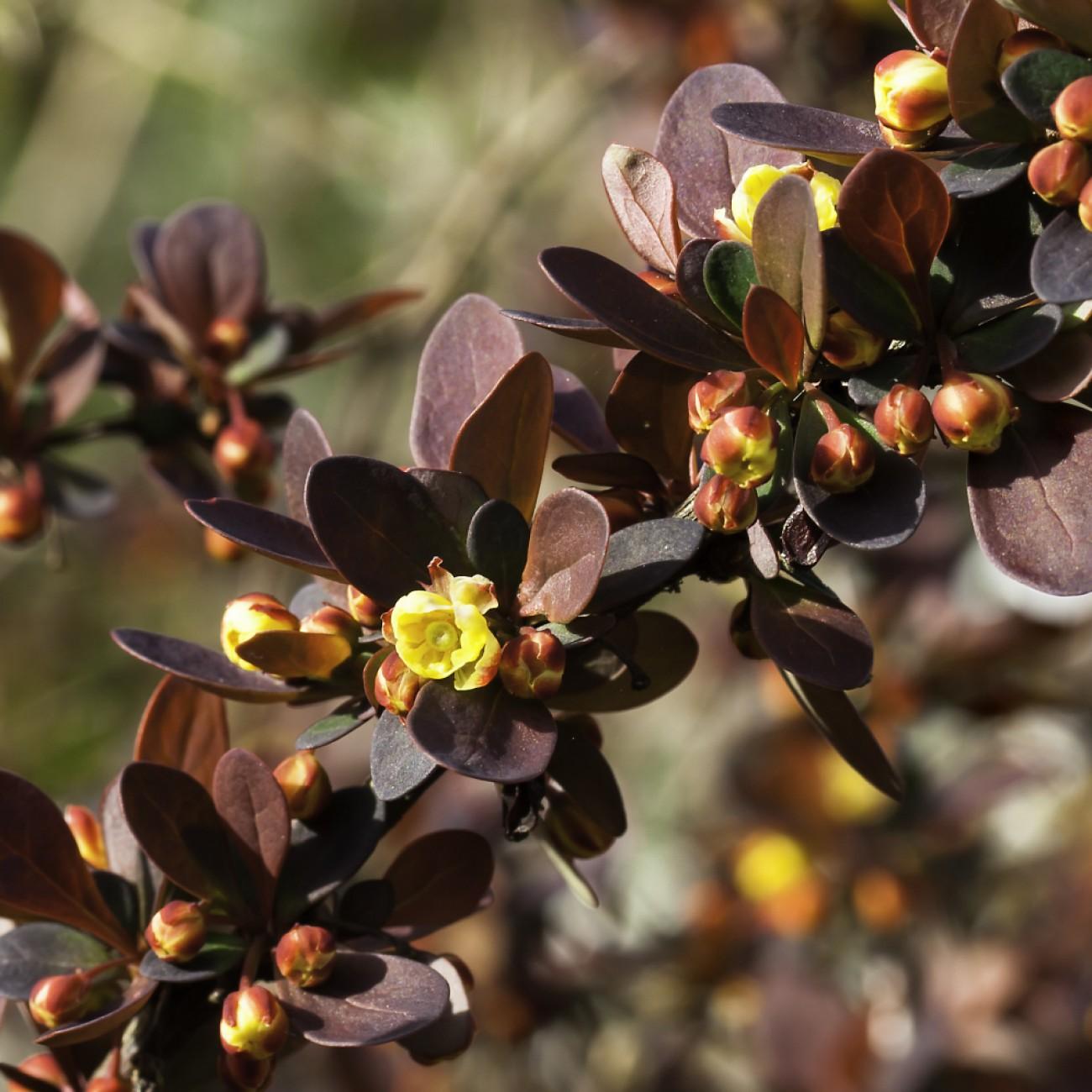
Japanese barberry
Berberis thunbergii f. atropurpurea 'Atropurpurea Nana'
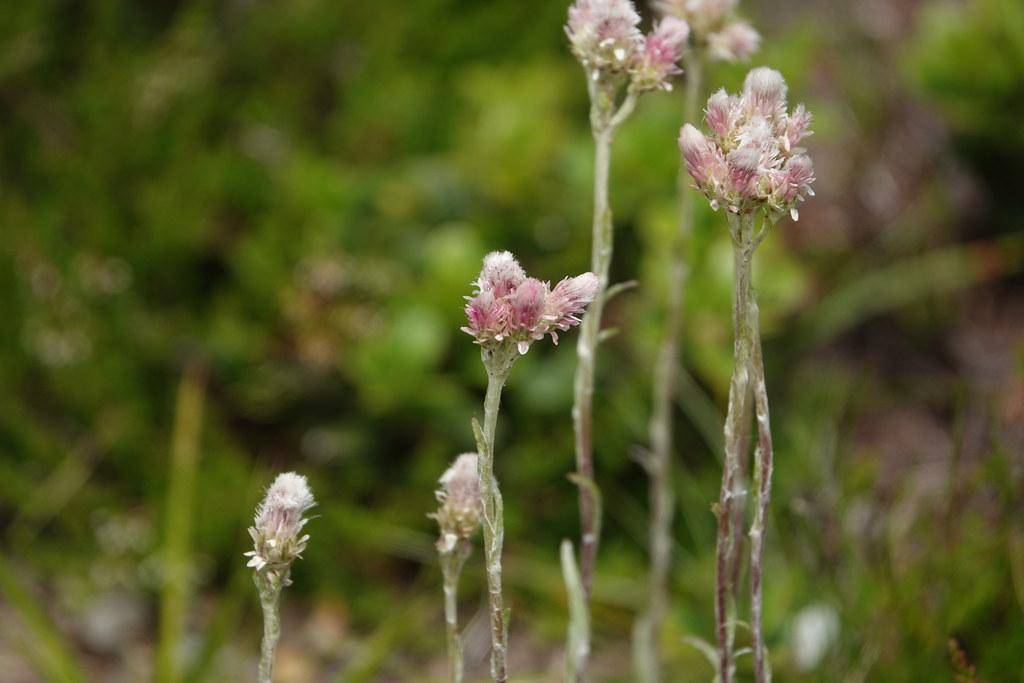
pussytoes
Antennaria dioica