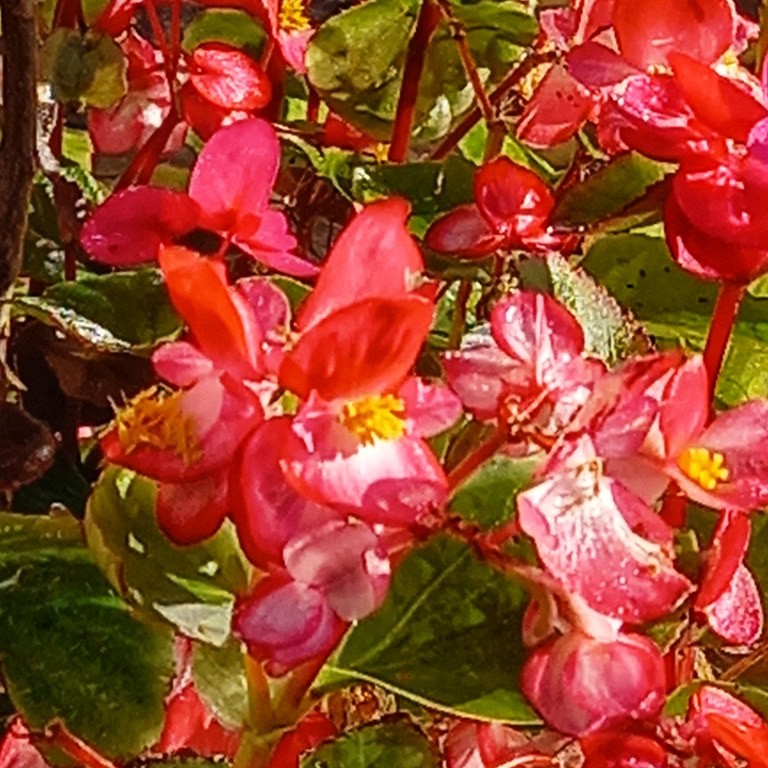
begonia
Begonia boliviensis BOSSA NOVA RED
Overview
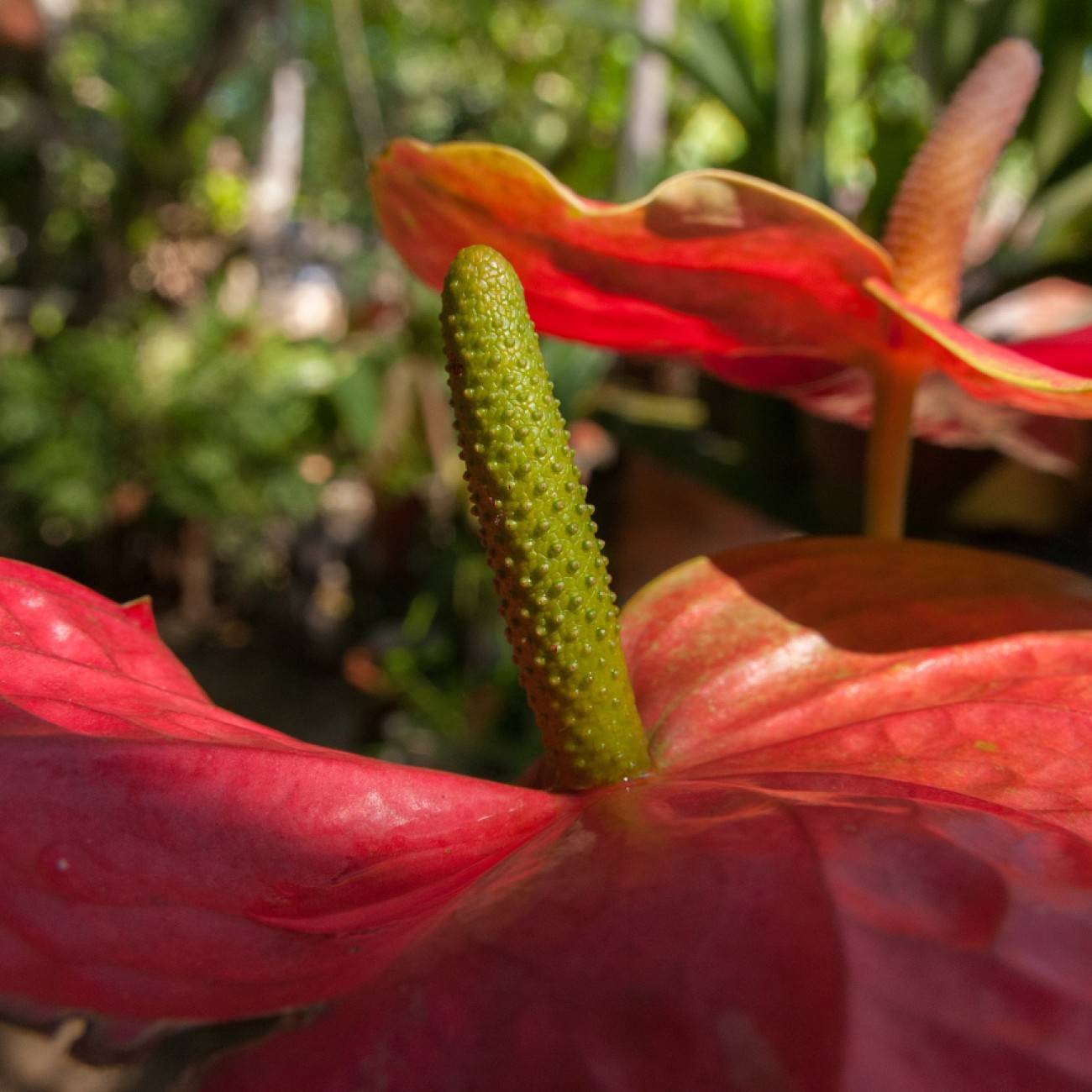
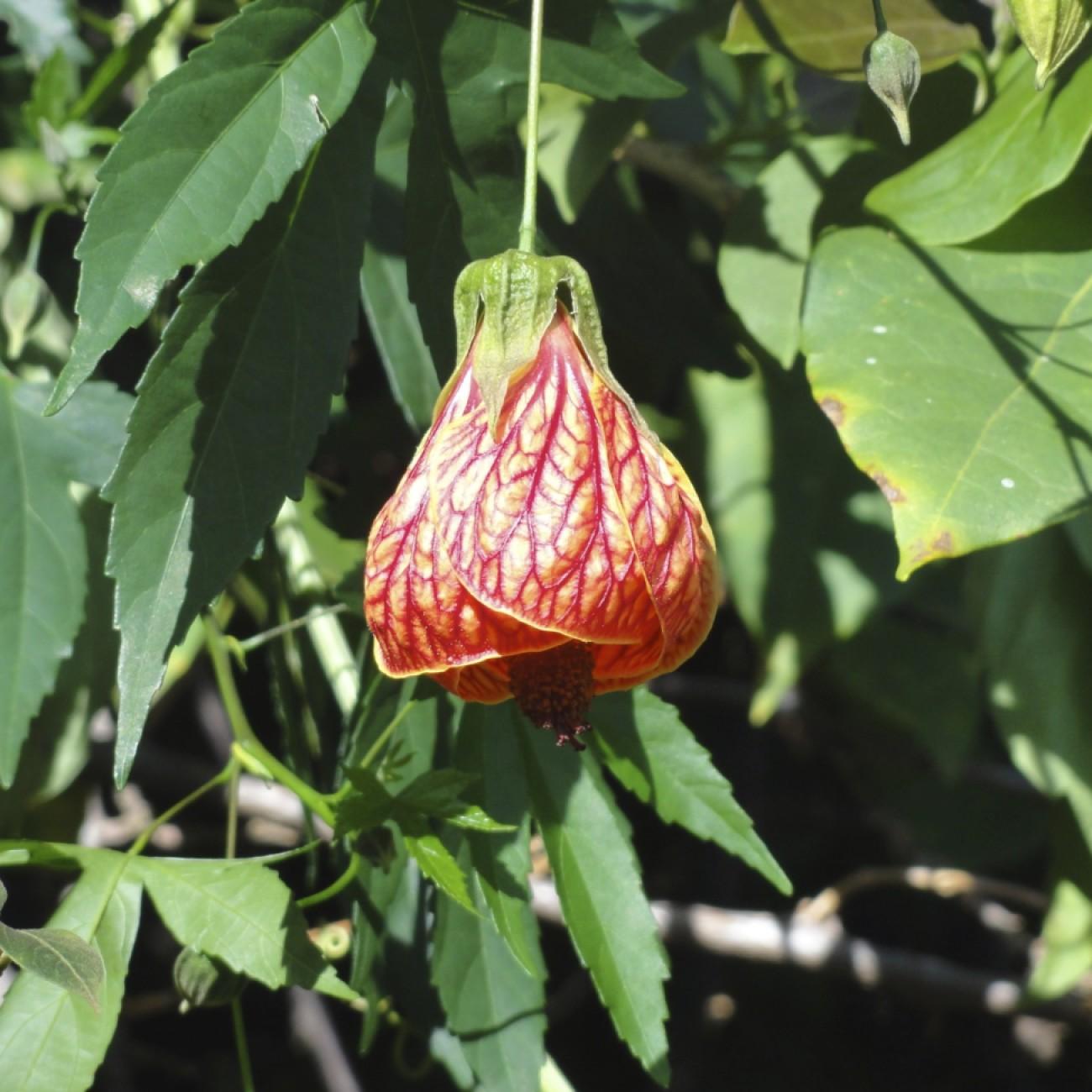
Begonia boliviensis BOSSA NOVA RED is an amazing plant species that is sure to add a pop of color to any garden. It has deep red foliage and brilliant orange flowers that bloom during the summer months. The foliage is waxy and thick and its blossoms are delicate and abundant. This perennial grows best in acidic soils and requires plenty of sunlight in order to thrive. It's an easy care plant that is drought tolerant and requires minimal pruning. Its vibrant colors and low-maintenance nature make it an ideal choice for brightening up gardens in any region.
Care Guide
Watering
For the Begonia boliviensis BOSSA NOVA RED plant, it is best to water it about once per week with a light sprinkling of water. To keep the soil moist for this particular species, water it until the excess begins to drain from the bottom of the pot. It is important to ensure that the soil does not become soggy as it can encourage root rot. During warmer months, water twice per week. During the cooler months, water less frequently.
Light
The begonia species called BOSSA NOVA RED requires plenty of sunlight in order to thrive, and should be exposed to direct sunlight for several hours each day. Depending on the season, at least 4 to 5 hours of sun are ideal for this variety. Morning and late afternoon sun is preferable, as midday sun can scorch its leaves. If you cannot provide ample sunlight indoors, consider taking your begonias outdoors during the day and putting them in a semi-shaded area instead of full sun.
Temperature
Hardiness zone 8–11.
Pruning
Begonia boliviensis BOSSA NOVA RED generally should be pruned at least twice annually, once in late spring and once again in early fall. Start by removing any dead, wilted or diseased foliage or stems as they appear throughout the year. Then in early spring, prune off any straggling or overly long stems, as well as any remaining dead tissue, to encourage bushier growth and larger blooms. In early fall, prune off any spent blooms and dead stems, as well as any weak or straggling stems, to encourage stronger growth for the upcoming season. Pruning should be minimal, as too much can weaken or damage the plant, but it should not be neglected as proper pruning is essential for a healthy and vibrant begonia.
Propagation
Stem Propagation, Leaf Cutting, Division, Air Layering Propagation, Grafting Propagation
Related plants
Other plants you might like if you grow begonia.